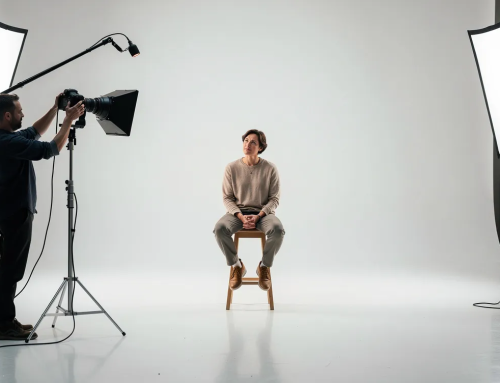
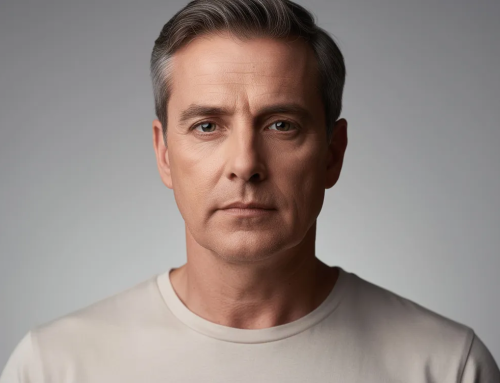
If you are a musical theatre performer working in New York, your headshot is your calling card. It is the single image that determines whether casting directors pause on your submission or scroll past it. Headshots are critical for getting auditions and bookings, and in a market where hundreds of actors compete for the same role, a headshot is an actor’s first impression in the industry. This guide covers everything you need to know about musical theatre headshots, from clarifying your type and choosing wardrobe to working with your photographer and selecting final images that actually book you work.
Key Takeaways
- Musical theatre headshots must communicate your acting type and your performance energy – voice, movement, personality – at a glance, going beyond what a standard theatrical or commercial headshot conveys.
- Casting directors in New York and regional theatres use actor headshots as a primary filter, often narrowing hundreds of submissions before hearing a single note sung or watching a self-tape.
- Preparing for your headshot session means clarifying your type, planning wardrobe for 2–3 distinct looks, and arriving with a clear understanding of which roles and shows you are targeting.
- The difference between theatrical headshots and commercial headshots matters for musical theatre performers: theatricals focus on dramatic lighting and deeper expressions, while commercial headshots aim for bright colors and lively styles. Your images need elements of both.
- Headshots by Gareth works specifically with musical theatre actors in NYC, creating images that feel alive and casting-ready for Broadway, Off-Broadway, and regional auditions.
What Makes a Musical Theatre Headshot Different?
Musical theatre in New York in 2026 is booming. Broadway, Off-Broadway, national tours, developmental labs, and summer stock seasons are all pulling from the same pool of talent. If you are submitting for any of these, your headshot needs to do more than look professional. It needs to feel like a moment mid-story, as if you are about to open your mouth and sing.
A general theatrical headshot focuses on emotional depth and character range. It tends toward moodier lighting, grounded expressions, and a sense of inner life that suggests you can carry a straight play. Musical theatre headshots share that foundation but layer on something extra: an openness and vitality that suggests vocal energy, movement capacity, and the kind of presence that fills a stage. Think of the difference between a portrait for a Sondheim revival – intense, layered, emotionally rich – and a submission for an ensemble track in a pop-rock musical that needs warmth, physicality, and fun.
Commercial headshots sit on the other end of the spectrum. They lean toward even lighting, approachable smiles, and a polished accessibility that suits TV commercials and print work. For musical theatre, you land somewhere between these poles. Your headshot needs the personality and pop of a commercial shot with the more depth and emotion of a theatrical one.
On platforms like Backstage, Actors Access, and Casting Networks, your photo appears as a tiny thumbnail in a grid alongside dozens of other submissions for shows like Hadestown, Six, or a national tour of Hamilton. If your lighting washes out your features or your background blends into your hair and clothes, you disappear. Your images need to read instantly at that small size. Headshots by Gareth focuses on creating images that feel alive – shots with enough contrast, sharpness, and presence to stand out in those grids and to hold up as full-screen photographs during callbacks.
How Casting Directors Use Musical Theatre Headshots
For a single role in a 2026 Broadway or Off-Broadway musical, casting offices can receive hundreds to thousands of submissions. Casting directors receive thousands of headshots per role, and the initial cut almost always happens visually. Before anyone hears your vocal reel or watches your self-tape, your headshot has already been judged.
What do they look for? Casting directors prefer headshots that clearly convey an actor’s type. They want to see immediately whether you are a leading man, an ingenue, a character belter, a dancer, or a comedic specialist. Headshot photographers should understand specific casting types and requirements because that knowledge shapes everything from framing to expression. Beyond type, they look for professionalism – clean photo quality, current hair and weight, sharp eyes – and emotional presence. Headshots must reflect the actor’s essence and desired roles, not a glamorized or outdated version.
Consider a concrete scenario. If a casting office is filling Glinda in Wicked, they expect a lyric soprano with youthful energy and brightness. The headshot should carry warmth, open facial framing, and lifted energy. For Madame Morrible, the expectation shifts: grounded, serious, textured, with character features and deeper expressions. Each type demands different choices in your photograph.
Headshots should reflect your authentic self, not glamorized versions. Overly retouched or misleading actor headshots frustrate directors because the person who walks into the audition room does not match the photo. That mismatch can cost you a callback. Working with an experienced photographer like Headshots by Gareth, who regularly shoots musical theatre clients, helps align your images with what NYC casting offices currently expect.
Clarifying Your Musical Theatre Type Before You Shoot
In musical theatre, “type” is multi-dimensional. It includes your vocal range (soprano, mezzo, alto, tenor, baritone, countertenor), your character lane (leading, comedic, dramatic, quirky), your playable age range, your physicality, and your overall energy. Before you book a headshot session, you need to figure out what story your face tells and who is likely to cast you.
Some concrete 2026 examples: a mid-20s non-binary contemporary pop tenor who also sings legit, a 40-year-old character belter often cast in comedic maternal roles, or a triple-threat dancer in their early 30s who sings mixed belt and has an actor-type face. Your acting headshots need to communicate these specifics without a word spoken.
To clarify your type, review your recent callbacks. Which roles have you gotten close to? Ask directors, teachers, agents, and fellow performers for honest feedback after EPAs or shows. What part of that character looked like you? Use those answers to figure out your primary casting lane.
Trying to portray every possible role in one headshot usually backfires. Most people think a single versatile image covers everything, but it actually dilutes clarity. Better to plan 2–3 distinct looks that cover your main lanes: a leading role look, a quirky character option, and an ensemble or dancer shot, each with slightly different styling and expression. During pre-session conversations, Headshots by Gareth helps refine these looks so that shoot day has a clear plan and no wasted time.
Wardrobe for Musical Theatre Headshots
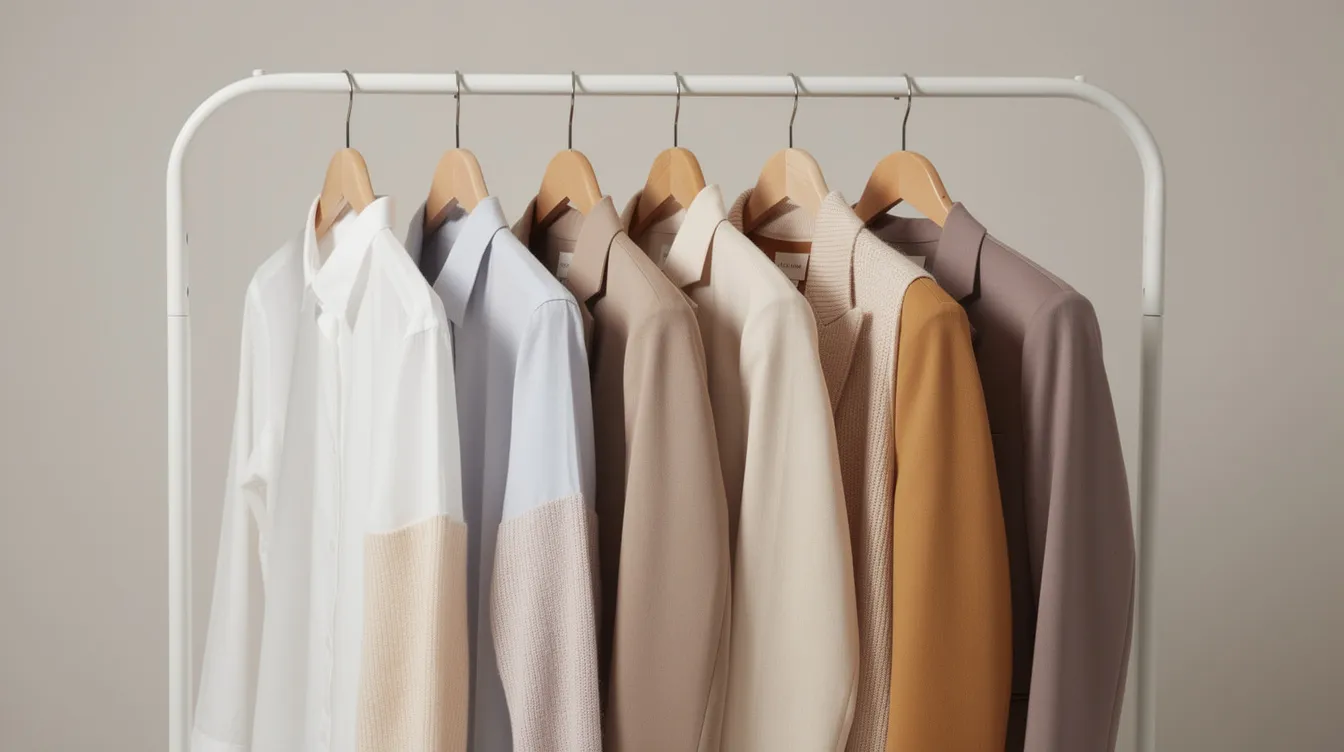
Wardrobe choices can make or break your acting headshots. The right clothes quietly suggest your type without turning into a costume. The wrong ones distract from your face or confuse your casting lane.
Overall wardrobe goals are straightforward: clean lines, solid colors that complement your appearance, and pieces that enhance your character portrayal without shouting. Recommendations for clothing include solid colors in jewel tones, earth tones, and muted shades that photograph well. Think about neckline – open collars and V-necks work well because they show neck and throat, which matters for performers who sing.
For theatrical headshots, wardrobe should use earth tones and muted colors. Textures like wool, knit, or tweed suggest character and period roles. For commercial headshots or comedic submissions, brighter saturated colors and polished casual pieces work better. Some concrete examples:
- Jewel-toned blouses in emerald or sapphire for contemporary sopranos
- Fitted henleys or button-downs for leading men
- Simple tanks with a light jacket layer for dancers, so body posture stays visible
- Structured blazers or soft cardigans that hint at worlds you inhabit without locking you into one role
Avoid sequins, busy prints, logo-heavy tops, and anything that reflects light awkwardly when printed as 8×10 actor headshots. Bright colors work in moderation, but neon competes with your face. Consult with your representatives on wardrobe choices before the shoot – your agent or manager may have specific preferences based on upcoming submissions.
Even though pants and shoes rarely appear in frame, they influence your body posture and energy. If you are used to dancing and moving, your stance should reflect that readiness, not a slouch. Headshots by Gareth encourages clients to send photos of wardrobe options ahead of the session for quick feedback, so nothing is left to chance on shoot day.
Expression, Emotion, and “Musical Theatre Energy”
Expression is where musical theatre headshots live or die. Your photo must feel like you are about to sing, speak, or move – a moment suspended just before performance. Theatrical headshots should reflect emotional depth and character range, and that starts with how you use your face.
Treat your headshot session like an acting exercise. Choose a specific moment or lyric from a show you connect with – “She Used to Be Mine” for emotional weight, “Defying Gravity” for aspirational strength, “Wait for Me” for quiet longing – and play that emotional beat toward the camera. This approach gives your expression genuine life rather than a rehearsed look.
Across different expressions, aim for range that matches your casting lanes. Warm and inviting reads well for romantic leads. Mischievous energy works for character roles. Grounded intensity serves dramatic revivals. Direct eye contact with the camera is crucial in headshots – it creates connection and draws the viewer in. Aim for a confident and relaxed expression rather than tension or performance anxiety.
Big, exaggerated smiles often lean too commercial and can feel forced. Subtle, engaged eyes with gentle shifts in mouth shape read more theatrical and truthful. Photos should capture authentic expressions for casting directors, and natural expressions are crucial for conveying confidence in headshots. Emotional depth in headshots engages viewers more effectively than surface-level cheerfulness.
Some practical techniques to keep energy alive during the shoot:
- Breath work between frames – a deep inhale lifts your chest and opens your throat
- Imaginary scene partners just past the lens
- Thinking of a specific opening-night memory or a moment on stage that moved you
- Curiosity helps uncover different facets of personality, so stay open to trying intentions that feel unfamiliar
Headshots by Gareth keeps the atmosphere relaxed and collaborative so you can try different emotional intentions without feeling rushed or self-conscious.
Backgrounds, Lighting, and Style Choices for Stage Performers
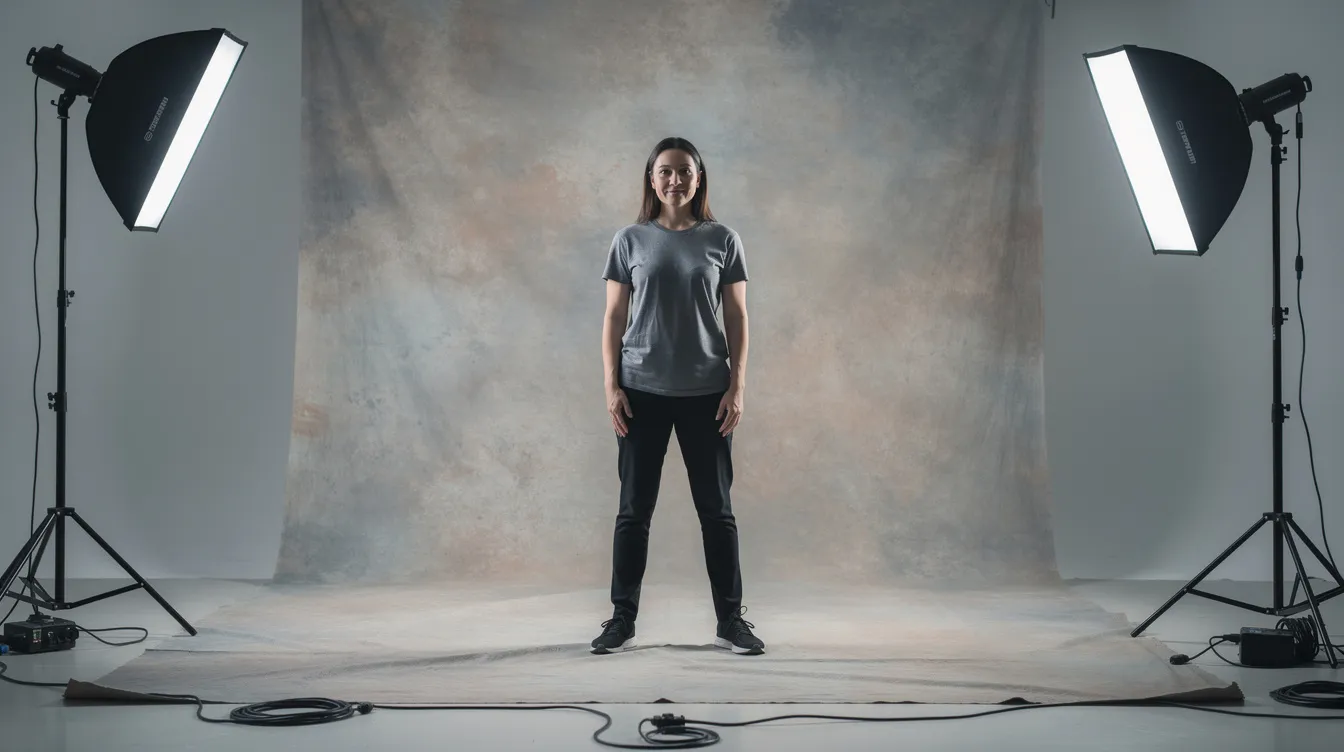
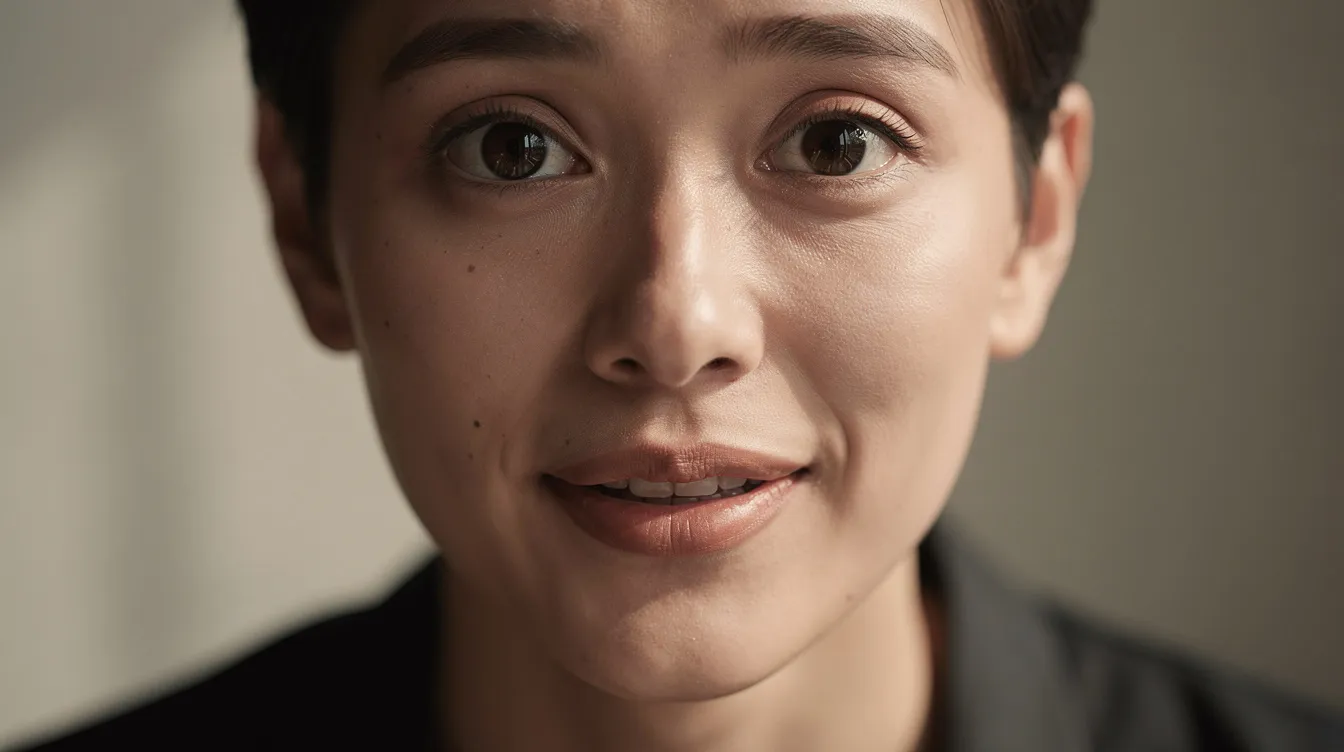
Background and lighting choices directly influence whether your theatrical headshot feels current to NYC musical theatre in 2026. The trend has shifted toward cinematic naturalism – less flash, more natural light influences, softer backgrounds, and authentic skin texture. Overly stylized editorial lighting is less favored unless you are explicitly auditioning for that style.
Backgrounds should be simple and non-distracting for headshots. Common options include textured studio backdrops (brick, plaster), neutral seamless tones (gray, charcoal, taupe), and softly blurred urban environments. Natural lighting is important for clear and high-quality images, though studio setups that mimic natural quality work well too.
Contrast between your hair, wardrobe, and background matters. If your dark hair blends into a dark backdrop, or your light outfit disappears against a pale wall, you get the “floating head” problem that kills your presence in tiny casting thumbnails. Edge lighting or rim lighting helps separate you from the background.
Moodier, directional lighting with dramatic lighting qualities can work well for serious or period musicals – think Rembrandt-style side light that adds dimension. Softer, diffused light supports contemporary or comedic roles with a more even, approachable feel. Framing should typically show the head and shoulders only, keeping the focus tight on your face.
Every image should look strong as a 1-inch thumbnail on Actors Access or Backstage, not just as a full-screen picture. Headshots by Gareth uses background and lighting combinations specifically designed to work well in both digital submissions and traditional 8×10 prints.
Preparing for Your Musical Theatre Headshot Session
Preparation makes the difference between a productive session and wasted time. Here is a simple timeline:
- One week before: finalize wardrobe options, get feedback from your agent or trusted mentors, settle your hair cut and color, and reflect on your goals before the headshot session. List the musicals and roles you will submit for in the next 12–18 months.
- Night before: hydrate, rest well, minimal alcohol, steam and press your outfits, keep skincare simple (cleanser, moisturizer).
- Morning of: shower, style hair as you would for an audition, eat a light meal, arrive early to settle in.
For hair and grooming across all genders, keep it neat and natural – matching how you appear in the audition room. If you use both curly and straight styles as part of your casting range, bring supplies for both. Avoid drastic last-minute changes that your agent or casting directors would not recognize.
Makeup should be camera-friendly but not stage-level. Stage makeup is too heavy for close-up photography. Focus on evening skin tone, defining eyes slightly, and using lip color that enhances without dominating. Avoid dramatic contouring that feels editorial.
Non-appearance prep matters too: update your resume, shortlist target shows and roles, and bring visual references or examples of characters you are pursuing. Create a playlist to set the mood for your shoot – songs from productions you are targeting can help you drop into the right energy.
Bring a small selection of additional tops and outfits so there is flexibility if a color or neckline is not working on camera. Headshots by Gareth typically spends the first few minutes reviewing wardrobe, talking through goals, and easing you into the shoot so it feels collaborative from the start.
During the Session: Working with Your Headshot Photographer
A typical musical theatre headshot session should flow naturally: arrival, wardrobe chat, lighting test, then shooting multiple looks. The aim is momentum, not stress.
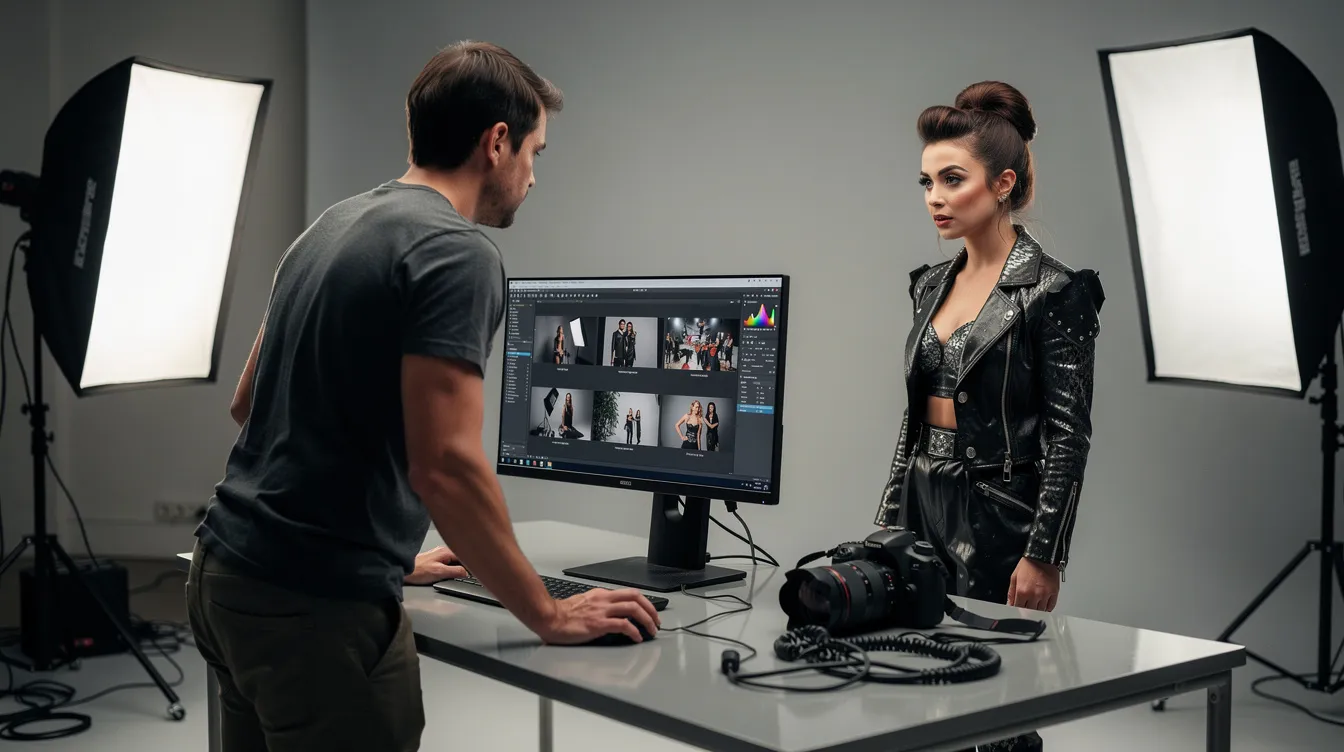
Clear communication with your photographer matters. Tell them about your casting goals – whether you are targeting 2026 summer stock, national tours, or an upcoming EPA. Share your voice type, dancing experience, and the specific shows or roles on your radar. Select a photographer who provides specific direction during shoots because good headshot photographers guide you with micro-adjustments – chin angle, shoulder position, breath, eye line – so you do not have to pose yourself.
Speak up during the session if something feels “not like you.” Authenticity is everything in this industry, and forcing an expression or posture that does not match your real energy produces shots that will not serve your career. A comfortable shooting atmosphere results in natural and engaging photos.
Building momentum with music in the studio helps musical theatre performers drop into character and loosen up. Put on tracks from shows you are right for – let the music do some of the emotional work. Between sets, shift your mental state, change your intention, and keep things moving so the session stays energized and productive.
Headshots by Gareth prioritizes a calm, friendly environment where you can take time between sets to review frames and adjust. The session should feel like a collaboration, not a performance under pressure.
Selecting, Retouching, and Updating Your Musical Theatre Headshots
After your session ends, the real decisions begin. You will receive proof galleries with dozens of images, and narrowing them down requires discipline.
When choosing final shots, look for pictures where your eyes are sharply in focus, your expression matches your target roles, and you still recognize yourself as the person who walks into an audition. Avoid selecting the most “beautiful” shot if it does not actually look like you in the room.
Authentic headshots avoid excessive retouching and represent the subject accurately. Keep freckles, skin texture, and lines that casting directors would see in person. Retouching should handle temporary blemishes, flyaway hair, and minor exposure adjustments – nothing more. Heavy smoothing or altering bone structure hurts your credibility.
For musical theatre submissions, have at least two core headshots: one more traditionally theatrical headshot and one that leans slightly more commercial or contemporary. An optional third image can showcase a clear character type or dancer energy.
When printing headshots, the standard industry sizing is 8×10 inches, semi-gloss, with your name printed subtly at the bottom. These are still used for Equity auditions, callbacks, and in-person submissions. Use labs that specialize in actor headshots rather than generic photo kiosks for consistent quality. Avoid spending less than $200 on headshots for quality results – this is an investment in your acting career, not a place to cut corners.
Most actors update their headshots every 2–3 years, or sooner if your look changes significantly. If you are shifting your primary type – moving from teen roles to mid-20s leads, or from ensemble to principal casting – that is a clear signal to get new headshots. Headshots by Gareth offers guidance on narrowing choices and matching specific images to different casting calls once proofs are delivered.
Why Work with a New York Headshot Photographer Who Knows Musical Theatre
NYC is a unique market. Broadway, Off-Broadway, tours, developmental labs, and regional theatre companies all draw from the same submissions. Your headshot needs to hold up across all of these contexts, and photographers should specialize in theatrical headshots to deliver that level of specificity.
The advantage of choosing headshot photographers who regularly work with musical theatre actors is that they understand how to capture singing presence, stage energy, and physicality. They know what casting directors in major New York offices want to see in 2026, and they know how to make your images work as both digital thumbnails and printed materials. Choose a photographer who has worked with people you know – ask fellow performers, teachers, or your agent for recommendations.
Headshots by Gareth focuses on actor headshots and theatrical headshots for stage performers, creating images that feel specific to theatre work rather than generic portraits. Many clients use their photos across casting portals, personal websites, and Playbill bios, ensuring a cohesive professional presence that reflects their talent and range.
If you are preparing for upcoming auditions, reach out to Headshots by Gareth to talk through your casting goals and schedule a headshot session tailored to your musical theatre career path.
FAQ: Musical Theatre Headshots
These questions cover common concerns musical theatre performers have about their headshots beyond what is addressed above.
How many musical theatre headshots do I actually need?
Plan for 2–3 core images: one primary theatrical headshot, one that leans more commercial or contemporary, and an optional third that targets a specific type such as quirky character or serious period roles. You do not need a separate headshot for every show you might submit for. Instead, aim for versatile shots that comfortably cover your main casting lanes and can showcase your range without confusion.
Can I use the same headshot for straight plays and musical theatre auditions?
In many cases, yes – especially if your headshot is honest, current, and captures your true type. However, dedicated musical theatre actors often benefit from one image with slightly more energy and vibrancy reserved for musicals, and a more grounded one for straight plays or on-camera submissions. Having both gives you flexibility without doubling your workload.
Do I need to bring a character costume for a specific musical?
Avoid full costumes like ball gowns or period uniforms. They limit your casting range and can look gimmicky in actor headshots. Instead, use wardrobe pieces that hint at worlds you inhabit – a structured blazer, a soft cardigan, a simple leather jacket – without locking you into one role. Your clothes should suggest, not declare.
Should I wear stage makeup for my headshots?
Stage makeup is too heavy and stylized for headshots. The camera sits much closer than the back row of a theatre, and heavy stage paint reads as unnatural in close-up photography. Use camera-ready makeup instead: natural-looking skin, slightly defined eyes, and lips that match or gently enhance your usual tone, so casting directors can imagine you in many different productions.
When in my training or career should I invest in professional headshots?
Pre-professional students should get professional acting headshots once their look has stabilized and they are actively submitting to real auditions – typically in the final years of a BFA program or conservatory training. For working professionals in NYC, high-quality theatrical headshots are an ongoing investment in your career. Revisit your photos whenever your type shifts, your appearance changes, or you are targeting a new level of work. The perfect headshot is not a one-time achievement; it evolves as you do.