Key Takeaways
- Your casting headshot is your first audition. Casting directors see 2,000 to 3,000 headshots per role and make keep-or-pass decisions in seconds, so your photo must look exactly like you on your best day, not a retouched fantasy.
- New York casting directors in 2024–2026 expect authenticity over glamour: natural skin texture, believable expression, and minimal retouching that preserves who you actually are.
- Most actors need around five strong headshots for auditions, covering at least two looks such as a grounded theatrical shot and a bright commercial headshot, with optional character variations.
- Planning your headshot session carefully-knowing your casting type, choosing the right wardrobe, and working with a photographer who provides specific direction-makes the difference between photos that book auditions and photos that get skipped.
- Headshots by Gareth works with New York actors to create casting-ready images built around real direction, honest lighting, and the specific roles you are most likely to be called in for.
Introduction: Why Headshots for Casting Matter So Much
Picture a New York actor submitting for a 2026 network pilot through Actors Access. The casting director opens a grid of thumbnails, maybe a thousand faces stacked in rows. She scrolls. Each photo gets a fraction of a second. One headshot catches something real in the eyes, the right energy for the role, and she clicks to open the full profile. That click is the beginning of everything. Without it, no resume gets read, no reel gets watched, no audition gets scheduled.
Headshots are the first impression for casting directors. For most film, TV, theatre, and commercial roles, the headshot arrives before anything else in the submission process. It is the first filter, and for many actors, the only filter that matters at the earliest stage.
This article is focused on headshots for actors submitting through casting platforms like Actors Access, Backstage, and Casting Networks-not corporate portraits or LinkedIn photos. Headshots by Gareth works with New York actors regularly, and the guidance here draws on what local casting directors actually respond to right now.

What Casting Directors Really Look for in an Actor’s Headshot
Casting decisions happen fast. Research from industry sources suggests that casting directors make keep-or-pass decisions in under three seconds while scrolling through submission thumbnails. When a casting director sees 2,000 to 3,000 headshots per role, your actor headshots have to read instantly at small sizes.
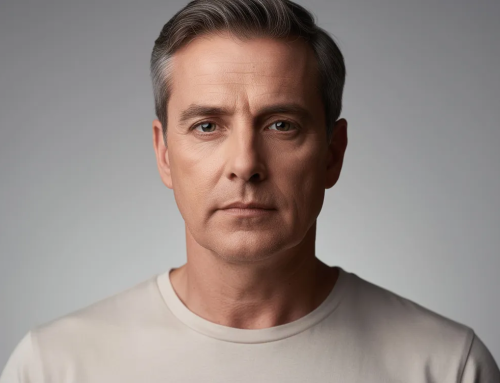
A good acting headshot must accomplish three things at once. First, it must show a clear likeness-you today, not you five years ago or you after aggressive retouching. Casting directors want to recognize you instantly when you walk into the audition room. Second, it must carry emotional truth in the eyes. Aliveness, curiosity, vulnerability, or quiet confidence all register. A blank stare does not. Third, it must communicate an immediate sense of your casting type or range so the director can picture you in a particular project.
Getting professional headshots for casting auditions requires a focus on authenticity. Natural skin texture, visible pores, and believable expression matter more than glamour. Since around 2020, the shift away from heavily filtered images has accelerated. In New York, casting directors in 2025–2026 often distrust overly filtered or AI-altered images and may skip profiles that look too perfect or not quite human.
Casting directors also use headshots differently depending on the medium:
- Theatrical headshots tend to feature deeper, more nuanced expression, moodier lighting, and neutral or darker backgrounds. Legit shots focus on serious or moody expressions that convey emotional range and character.
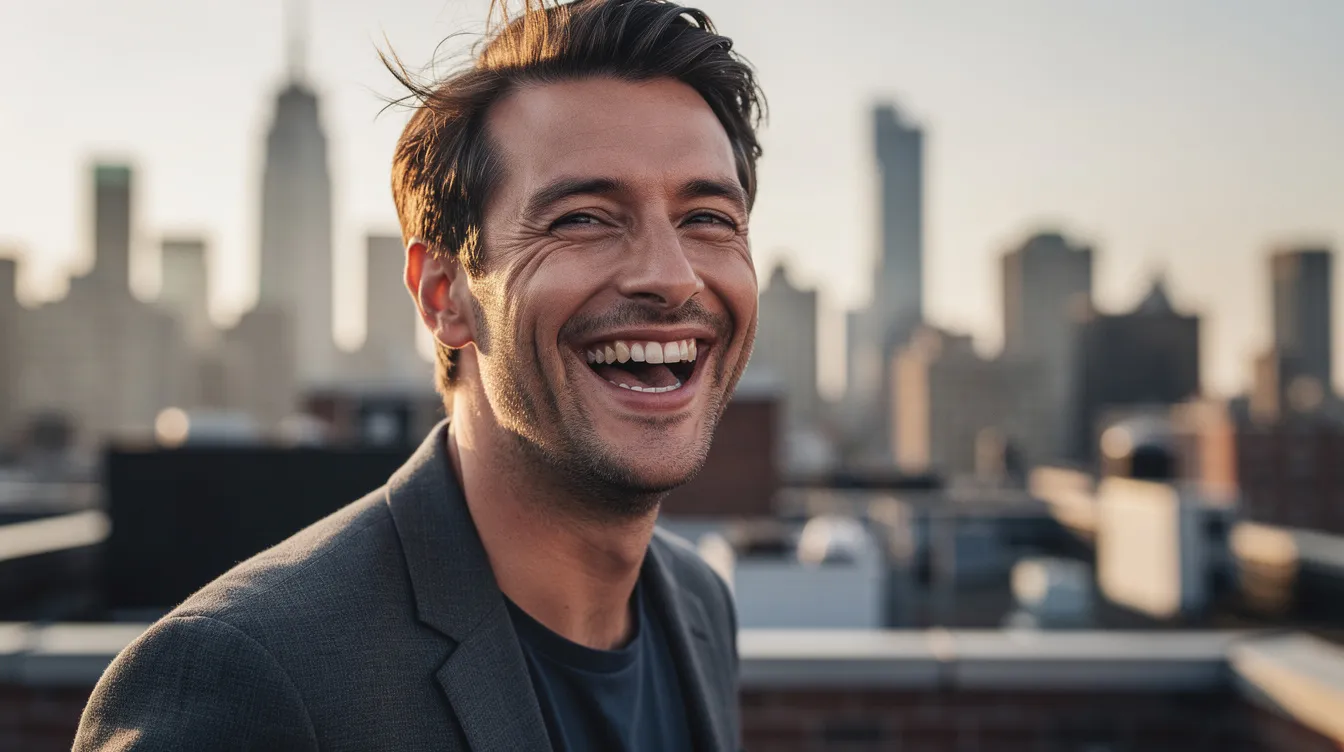
- Commercial headshots are typically smiling, approachable, and high-energy, with bright wardrobe and lighter backgrounds. Commercial shots signal relatability.
- For streaming and prestige TV work, there is growing demand for cinematic lighting and organic posing even in what used to be standard commercial territory.
Headshots by Gareth shoots expressions that feel like specific roles-grounded drama, light comedy, national commercial-rather than generic smiles. A good photographer should be able to provide both commercial and theatrical shots within a single session.
Defining Your Casting Type Before Your Headshot Session
You cannot choose the right headshots for casting if you do not know how you are most likely to be cast right now. Before you step in front of the camera, you need clarity on your type.
In casting terms, type refers to the archetypes directors use to filter actors: young professional, Brooklyn creative, blue-collar worker, quirky best friend, corporate authority figure, concerned parent. These are not labels that limit you. They are entry points that get you into the room for a particular project.
A simple exercise can help. Look at shows currently casting in New York-Law & Order episodes, streaming dramas, 30-minute comedies, Broadway productions-and pull sample breakdowns. Where do you realistically fit? Which characters share your age range, energy, and physical presence?
External perspective sharpens this further. Ask a trusted teacher, agent, or fellow actor how they would cast you if they had ten seconds and one word. That feedback often reveals how others read you, which may differ from how you see yourself. Use that information to shape the looks and expressions you plan for your session.
At Headshots by Gareth, sessions often begin with a few minutes of conversation about type. This makes the choices that follow-wardrobe, lighting, expression-intentional rather than random.
Planning Your Headshot Session: How Many Headshots and Which Looks?
Modern casting directors prefer a small, focused gallery over dozens of nearly identical images. Quality wins. The question of how many headshots to get comes up constantly, and the answer is simpler than most actors expect.
Most actors need around five strong headshots for auditions. That number typically covers a neutral theatrical look, a smiling commercial headshot, one or two character-leaning options, and perhaps a tighter crop or black and white headshots version as an extra. Actors need around five strong headshots for submissions across different categories.
What counts as a distinct look is important. Tiny pose variations do not qualify. A real change means shifting wardrobe, adjusting hair styling, and bringing a noticeably different energy. Each look should communicate a different casting register-your “detective” is not the same as your “sitcom neighbor.”
Here is how to think about it by career stage:
- Beginners should aim for at least two looks: one theatrical and one commercial. A third character look is valuable if your type is specific enough to warrant it.
- Working actors benefit from four to five refined looks targeting the genres where they submit most-recurring TV, commercials, theatre, or a mix.
- Multi-hyphenates who also do hosting, stand-up, or spokesperson work may add a presenter-style shot to the lineup.
In a typical Headshots by Gareth session, actors rotate through specific looks: office-ready, casual NYC streetwear, darker drama-leaning wardrobe, and bright commercial headshots. Select a photographer who specializes in acting headshots and understands these distinctions. If you are unsure where to start, ask for referrals from other actors or your agent to find a headshot photographer who fits your needs.
Bring more clothing options than you think you will need. Most photographers will help refine what actually works on camera during the session.
What Makes a Good Headshot: Technical and Artistic Essentials
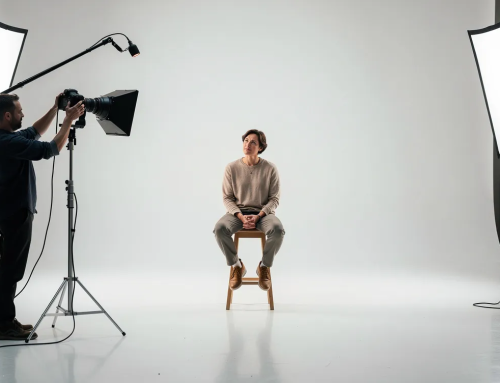
Casting directors can tell the difference between a professional headshot and a DIY selfie the moment your photo appears on their screen. The technical bar is not arbitrary-it exists because your image has to survive being viewed at thumbnail size on a laptop, printed on semi-gloss paper at 10″x8″, and projected in a casting session, all without losing clarity.
A good headshot starts with these core elements:
- Natural lighting or soft light highlights features better than harsh, uncontrolled flash. Clean, soft light-whether outdoor natural light or controlled studio lighting-flatters without creating distracting shadows or blown-out highlights.
- Eyes must be in sharp focus and engaging. Great headshots feature crisp focus and dynamic eye contact. If the eyes are soft, the photo fails regardless of everything else.
- The background should be uncluttered and supportive, not distracting. Neutral tones, soft environmental blur, or darker options for theatrical work all serve the face.
- Framing runs from mid-chest to just above the head. A survey of New York casting directors found that 58 percent preferred headshots vertically in portrait orientation; none preferred landscape. Eyes should sit near the top third of the frame for strong thumbnail readability.
On the question of color versus black and white headshots: color is the standard for casting in New York and Los Angeles. Black and white can work as an artistic extra for theatre portfolios, but should not be your primary submission image.
A headshot should be printed on semi-gloss paper when physical copies are needed, and your high-resolution digital files should be prepared in sRGB color space for accurate rendering on casting platforms.
Headshots by Gareth prioritizes clarity and expression over trendy filters, ensuring the final product shows the actor’s best self without distracting visual effects.
Clothing and Styling: Dressing for the Roles You Want
Wardrobe in actor headshots should whisper your casting range, not shout “costume.” The goal is to suggest a world the viewer can imagine you in, without making them think about the clothes themselves.
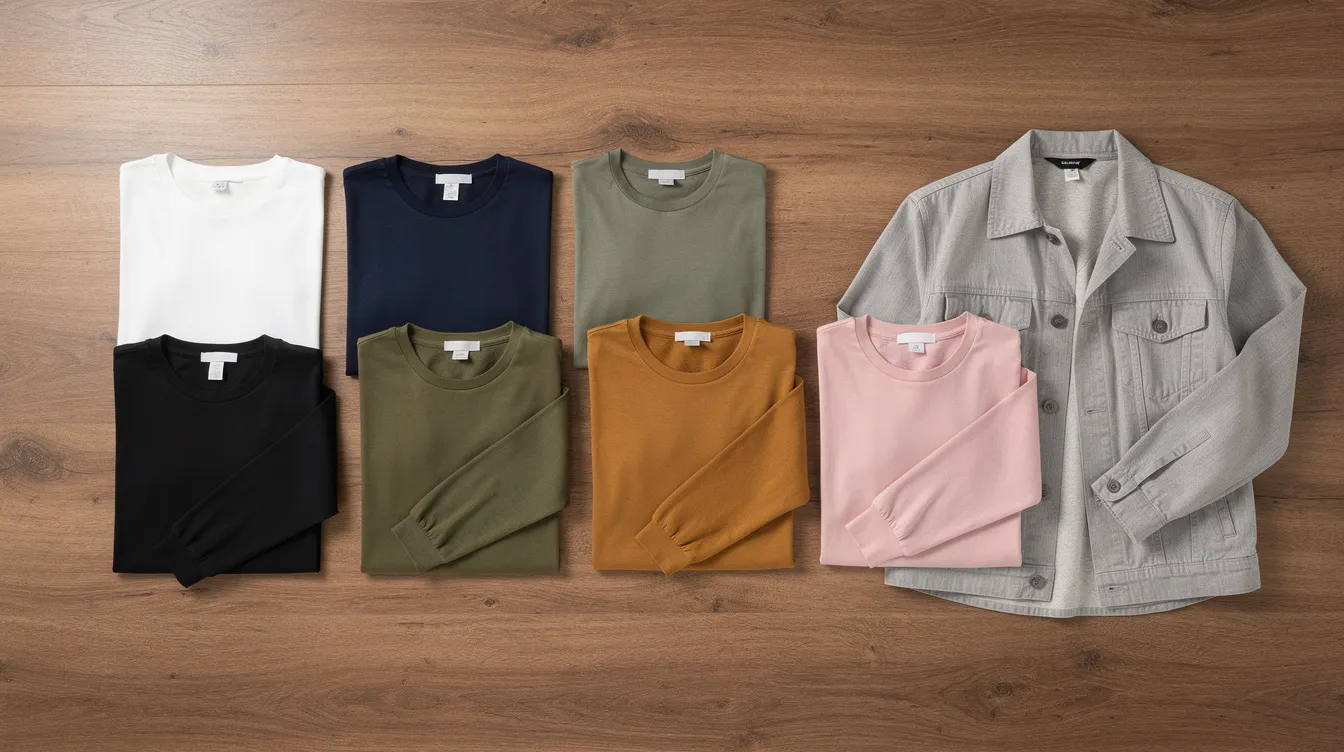
Wear simple, solid mid-tone colors. Wardrobe should consist of solid, jewel-toned colors for headshots-navy, forest green, burgundy, and charcoal work well for theatrical and dramatic looks. Softer blues, teals, and muted pastels read warmly for commercial headshots. Commercial headshots often require bright, lively colors that pop without overwhelming the face. Avoid busy patterns, logos, and bright colors that cast unflattering light on your skin tone.
Choose clothes that feel like you for headshot photography. The wardrobe guide is straightforward: if you would not wear it to an audition, do not wear it in your headshot. Here are some type-specific ideas:
- Corporate or legal roles: blazers, collared shirts, structured pieces
- Indie and slice-of-life characters: casual knits, well-fitted tees, layered pieces
- Blue-collar or edgier types: denim jackets, leather, textured fabrics
- Fitness or sporty commercials: clean athletic wear, fitted and wrinkle-free
Bring 3 to 5 clothing options for variety in headshots. Steam or iron everything before the photo shoot. Deep wrinkles read as carelessness on camera, even if no one notices them in real life.
At Headshots by Gareth, time is built into the session to review outfits quickly and plan the order of looks based on casting goals and available light.
Hair, Makeup, and Grooming: Showing Your Best Self, Not a Different Self
Casting directors want to meet the same person who is in the headshot. That means your hair and makeup should be an elevated version of your everyday audition look, not a transformation.
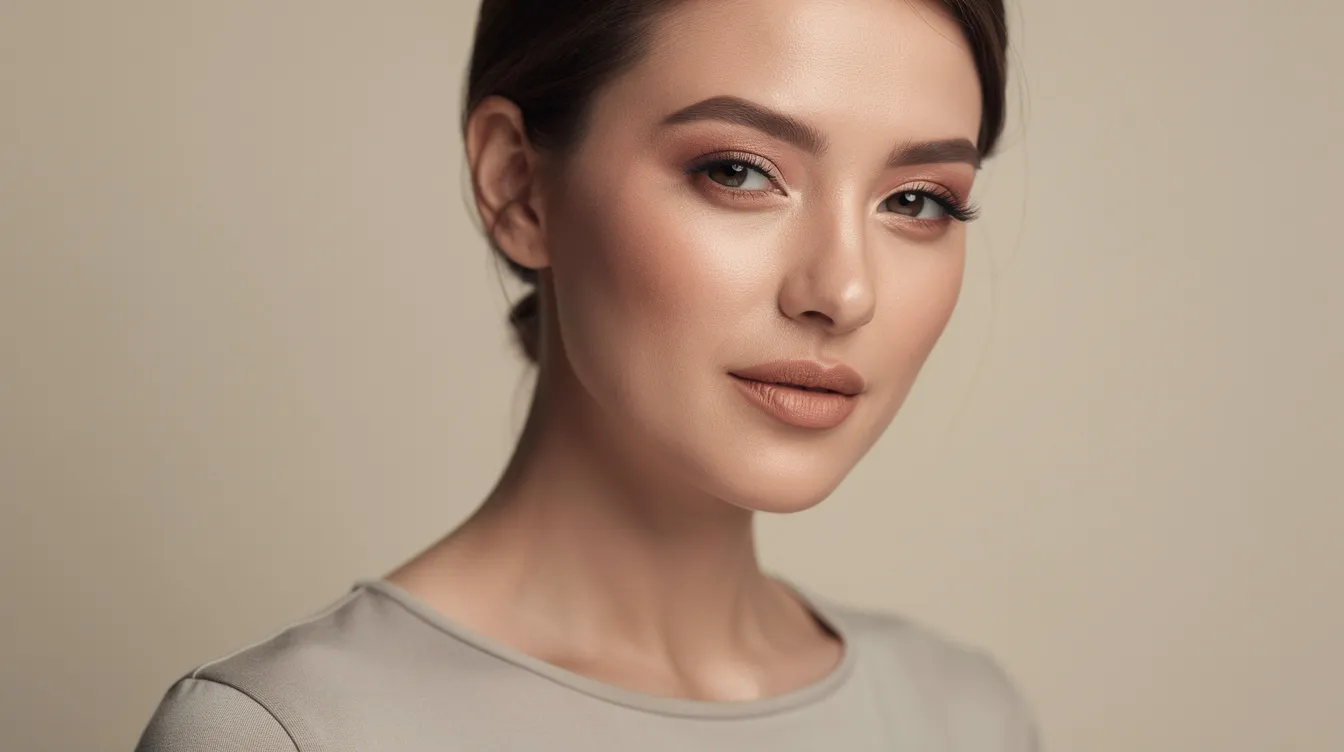
For makeup, the rule is clean and even. Natural makeup is preferred for headshots. Apply a light, natural base to even out your skin tone, add subtle definition on eyes and brows, and use lip color close to your natural shade. Avoid heavy contouring or dramatic lashes in headshot makeup-they read as costume, not you. Makeup for headshots should look clean and even, the kind that makes you look polished without looking “done.”
For hair, style it how you usually wear it to auditions. If you have long hair, decide how you typically present it-down, pulled back, half-up-and shoot it that way. Avoid major color changes or dramatic haircuts in the two weeks before the session. Your headshot must accurately represent your current look.
General grooming applies to everyone: trimmed facial hair where relevant, neat brows, moisturized skin, and clean nails. Avoid trying new skincare products right before the shoot to prevent unexpected reactions.
Some actors benefit from working with a professional makeup artist, especially those with combination or oily skin that tends to shine under studio lighting. Headshots by Gareth can coordinate or advise on this without pushing it as mandatory.
Stray hairs and minor shine can be minimized in-camera and subtly in retouching, but the overall look must remain truthful. The person in the picture needs to be the person who walks into the audition room.
Expression, Posing, and Energy in Acting Headshots
What casting directors respond to most in a headshot is the feeling in the eyes. Aliveness, curiosity, vulnerability, or quiet confidence register immediately. A forced smile or a stiff serious face does not. Headshots should show a hint of versatility in expressions-enough to suggest you can play more than one note.
Think in terms of inner dialogue rather than surface-level posing. Imagine a specific scene, a relationship, a moment that brings genuine emotion into the frame. A photographer who provides specific direction during shoots will coach you through this, prompting different expressions the way a director might adjust a performance. This kind of guidance is vitally important for capturing many photos that actually feel alive.
Simple posture adjustments make a significant difference: relaxed shoulders, a lengthened neck, small angles in the body rather than facing dead-on, and micro-movements of the chin to find flattering lines. Most photographers will guide you through these shifts, helping you avoid locked, stiff poses.
The difference between a theatrical headshot and a commercial headshot comes down to subtle changes. Theatrical demands grounded, nuanced expression with different expressions that suggest depth. Commercial needs open, friendly energy-eyebrows slightly lifted, mouth relaxed or gently smiling, warmth in the eyes. The adjustments are small: eyebrow tension, mouth shape, where your focus lands.
At Headshots by Gareth, direction focuses on story and emotion rather than “say cheese.” This helps actors relax and deliver the kinds of expressions casting directors actually believe.
After the Shoot: Selecting, Retouching, and Using Your Headshots
It is completely normal to feel overwhelmed when you first see all those photos from a headshot session. Hundreds of proofs can make decision-making feel impossible, but a clear process cuts through the noise.
Start by shortlisting only images where your eyes are alive and you recognize yourself. This sounds obvious, but it eliminates shots quickly. Then narrow to three to six photos that best represent your casting goals. Not the most flattering in an abstract sense-the most castable.
Get feedback from people who understand casting: teachers, coaches, agents, or managers. A friend might pick the photo where you look most attractive, but an agent will pick the one most likely to get you in the room. The best photo for casting is not always the prettiest picture-it is the most honest and type-specific.
Headshots should look natural and not heavily edited. Subtle, appropriate retouching means reducing temporary blemishes, softening under-eye darkness, taming stray hairs, and adjusting color balance while keeping skin texture and features intact. Warn your retoucher (or your photographer) against heavy smoothing, reshaping facial features, or over-whitening teeth. When a casting director sees a mismatch between headshot and real life, trust drops immediately.
Prepare your final files carefully:
- High-resolution versions for printing (10″x8″ on semi-gloss paper remains the physical standard)
- Web-optimized versions for casting sites in sRGB color space
- Crops that keep the face dominant even as a small thumbnail
- Clear file naming (your name, look type) so casting offices can sort shots quickly
Upload your new headshots to your casting profiles promptly. For every submission, choose the headshot that best matches the role type. Over time, track which images generate callbacks and adjust your gallery accordingly. If one photo consistently underperforms, replace it.
Headshots by Gareth typically guides clients through shortlisting and offers natural retouching designed specifically for casting use rather than social media–style editing.
When to Update Your Headshots and How to Build a Long-Term Casting Portfolio
A practical guideline: update acting headshots every one to two years, or sooner if your look changes significantly. Major triggers include changes in hair length or color, facial hair, weight, or aging into a new casting bracket. Some sources suggest actors should update their headshots every two to three years at the outside, but in a busy market like New York, one to two years is safer because casting directors expect current photos, especially for on-camera work where high-resolution video quickly reveals outdated images.
Your headshot gallery should evolve as your acting career grows. Early on, you cover general type with a commercial and theatrical shot. As you book work and understand what roles you get called for, add targeted shots for specific genres-procedural dramas, single-cam comedies, period pieces, national commercials. Your marketing materials should always reflect where you are now, not where you were.
Track which headshots get you auditions. Pay attention to which images agents and directors respond to on submission platforms. If a particular photo consistently generates interest, it is doing its job. If another collects dust, swap it out.
Headshots by Gareth works as a long-term partner for actors building a career in New York. As you shift from “college grad” to “young parent” to “authority figure” in your casting, your portfolio should keep pace.
Subtle Ways to Stand Out: Trends and Casting-Friendly Creativity
The fundamentals of a great headshot never change-clarity, honesty, professionalism. But gentle trends can help your photos feel current in 2026. Natural light, slightly cinematic color grading with warm or soft tones, and relaxed posing are all in favor right now. Extreme filters, overly desaturated palettes, or aggressive skin smoothing are not.
Creative but casting-safe choices include slightly environmental backgrounds that hint at New York-a brick wall, a soft city blur-or textured backdrops for theatre-focused shots. Gentle color contrast between wardrobe and background helps your face pop in a thumbnail without looking gimmicky. The point is to capture your personality, not manufacture one.
Your headshot should make you feel like your best self on a good day, not like you are playing dress-up as someone else. Stay true to your current look, your actual energy, your real casting lane.
Headshots by Gareth incorporates modern, cinematic styling where it serves the actor, but always keeps the face and casting needs at the center of the frame. If you are ready to invest in headshots that work as hard as you do, reach out to discuss your goals before your next session.
FAQ
Do I really need different headshots for theatrical and commercial casting?
When starting out, a single strong neutral image can carry you through early submissions. But most actors benefit from at least two looks: a more grounded, subtle theatrical headshot and a brighter, friendlier commercial headshot. The main differences are in expression, energy, and wardrobe-not extreme costume changes. Having both in your profile gives casting directors evidence of range and makes you viable for a wider spread of breakdowns. Consult with a photographer who understands industry standards and can guide you toward the right balance for your current career stage.
Can I use older professional photos if I’ve changed my hair or lost weight?
If your hair, facial hair, or body shape has noticeably changed since the photo was taken, casting directors may feel misled. That disconnect makes them less likely to trust future submissions from you. Your headshot should look like you on your best day right now-not you from a previous chapter. Update your headshots soon after any significant change, even if that means booking a shorter, focused session to capture your current look rather than waiting for a full reshoot.
Are self-taped or smartphone photos ever acceptable as casting headshots?
Phones can technically capture high-resolution images, but most DIY shots lack the well lit, carefully composed, and expertly directed qualities that casting directors instantly recognize in a professional headshot. Phone photos can work as temporary stopgaps for very new actors building their first profiles, but investing in professional headshots is essential once you are serious about your acting career. Headshot sessions typically cost between $200 and $1,000 depending on the photographer and market, making them one of the most accessible professional investments an actor can make.
How far in advance should I book a headshot session before a big submission deadline?
Schedule your shoot at least three to four weeks before major deadlines or pilot season pushes. You need time for reviewing proofs, getting feedback, completing retouching, and uploading final files to casting platforms. Most photographers deliver proof galleries within one to two weeks of the session, and retouching adds several more days. Actors working with Headshots by Gareth in New York often book sessions a month ahead of key dates like fall theatre seasons or spring pilot season to avoid rushing the process.
What if I feel awkward in front of the camera and hate photos of myself?
This is extremely common, even among experienced actors who perform in front of hundreds of people without a second thought. A big part of a professional headshot photographer’s job is to coach you and put you at ease. Look for a photographer who communicates clearly, gives real direction, and allows time for warm-up frames rather than jumping straight into final shots. At Headshots by Gareth, sessions build in conversation and test shots so actors can relax into more authentic expressions before the real work begins. Thinking of the camera as a scene partner rather than an exam often helps-bring the same openness you would bring to an audition, and the camera will capture something worth submitting.