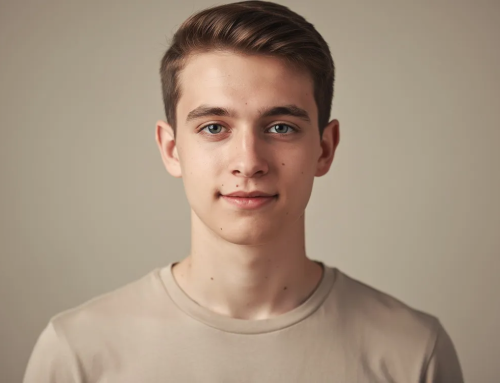
Your headshot is doing the talking before you ever walk into a room. For actors working in New York and beyond, a strong audition headshot can mean the difference between being called in and being scrolled past. This guide covers everything you need to know about headshots for auditions, from what casting directors actually want to see, to what to wear, how much to budget, and when to update your images. Throughout, we reference Headshots by Gareth as an example of a New York studio built around getting actors audition-ready results.
Key Takeaways
- Actor headshots serve as a visual resume. Casting directors often see your headshot before your reel, your training, or your credits. It is the first impression that determines whether you move from submission to audition.
- A good headshot should look like you on your best day. It must reflect your current appearance, convey your casting type and personality, and feel professional without looking overly produced or glamorized.
- Working with a dedicated headshot photographer, rather than relying on a friend or phone camera, is the fastest route to images that meet industry standards. A professional provides direction, controlled lighting, and retouching that keeps you looking like yourself.
- Most actors need at least two distinct looks, typically one commercial and one dramatic, to cover different casting ranges. Sessions and headshots cost can vary widely based on location, experience, and what is included.
- Headshots by Gareth, a New York studio, is referenced throughout this article as an example of a practice focused on creating audition-ready actor headshots with clear direction and industry-aware retouching.
What Are Headshots for Auditions?
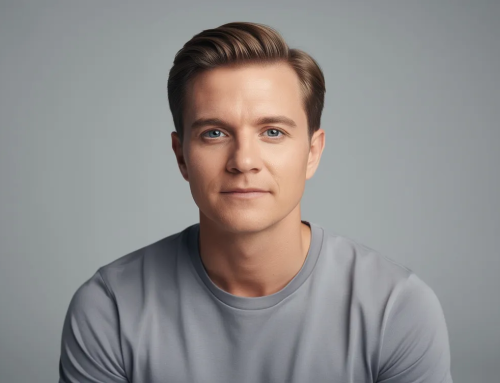
An audition headshot is a close-up portrait, typically framed from the chest up with a blurred background, that actors submit for TV, film, theatre, and commercial roles. Think of it as your visual resume: a single picture that tells casting directors, agents, and managers what you look like right now and what kinds of characters you could play.
In cities like New York and Los Angeles, the headshot is almost always the first thing a casting director sees. Before your training, your reel, or your credits, they see your face. Backstage describes headshots as portraits focused mainly on the face and shoulders, shot in portrait orientation, that communicate age range, type, and inner life.
A standard acting headshot features vertical orientation, clean framing, clear and expressive eyes, and your current appearance. Headshots should be printed and displayed in color, not black and white, so casting teams can see your natural skin tone, hair color, and eye color as they actually are.
This is different from a LinkedIn photo or a dating profile picture. Those portraits might lean on dramatic lighting or stylized angles. Audition headshots are built to sell a casting type. They should convey your brand and type clearly, signaling whether you read as a young professional, a caring parent, a sharp villain, or a quirky next door neighbor.
Headshots by Gareth designs actor headshots specifically around how casting submissions and online casting platforms display images, including as small thumbnails where your face needs to be immediately readable.
Why Headshots Matter So Much to Casting Directors
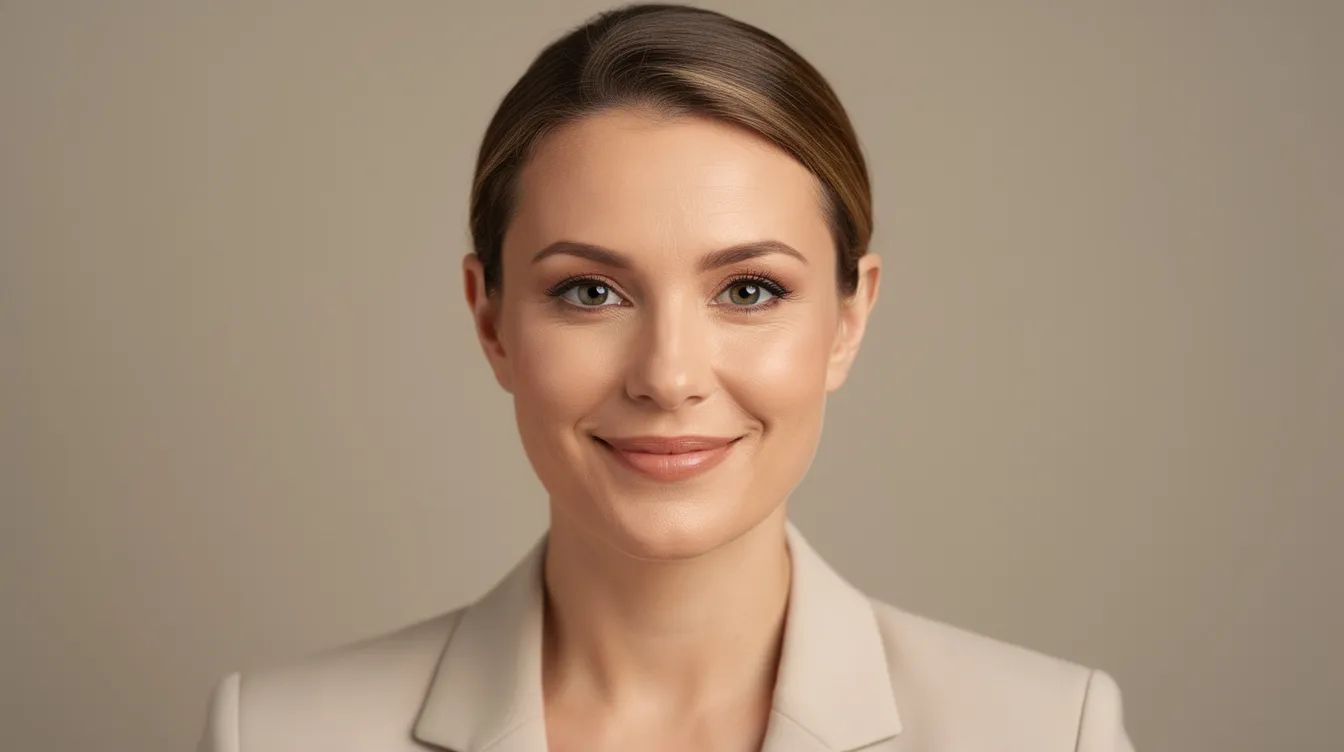
Casting directors review an enormous volume of submissions. For a single role, a casting director sees anywhere from 2,000 to 3,000 headshots. In that kind of volume, decisions happen fast, often in under three seconds per thumbnail. On most casting platforms, those thumbnails are only about 100 to 150 pixels wide. Your headshot needs to pop at that size.
What casting teams look for is straightforward. Does the headshot look like the actor today? Does it match the role breakdown? Does it feel professional and confident? Is the expression believable, or does it feel forced? Headshots are essential for a professional website and casting submissions, and casting directors often rely on headshots to gauge an actor’s suitability for a role before they see anything else.
A good headshot helps move an actor from submission to audition. A bad or outdated photo quietly ends the opportunity. When a casting director sees your image and thinks “young parent,” “corporate lawyer,” “quirky best friend,” or “college student,” that is your headshot doing its job. Headshots help convey an actor’s type and range for specific roles, which is why getting your image right is vitally important.
Casting directors strongly dislike over-retouched images or glam shots that do not resemble the person who walks into the room. If there is a mismatch between photo and real life, trust evaporates immediately.
What a Good Acting Headshot Should Look Like
A good acting headshot comes down to a handful of core qualities: clarity, natural expression, professional lighting, and a background that supports the face rather than competing with it. Simple and neutral backgrounds are preferred for headshots because they keep the viewer’s attention exactly where it belongs.
The eyes are the focal point. They should look alive and present, suggesting inner life rather than a blank stare. A vacant gaze is a non-negotiable reason for a casting director to move on. Your headshot should capture your strongest qualities and expressions, the ones that make you interesting and castable.
Ideal framing for actor headshots is head and shoulders or slightly wider, leaving enough room for cropping on various casting sites without losing impact. Headshots are typically shot vertically, and most photographers compose the image so it works well both at full size and in a grid of thumbnails.
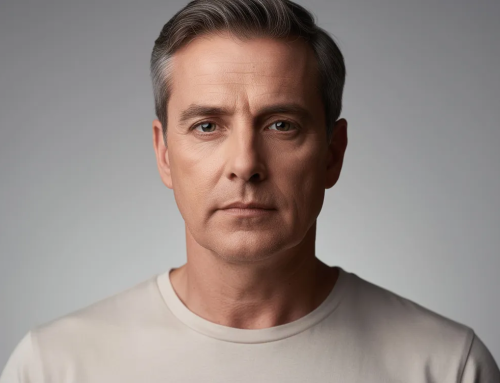
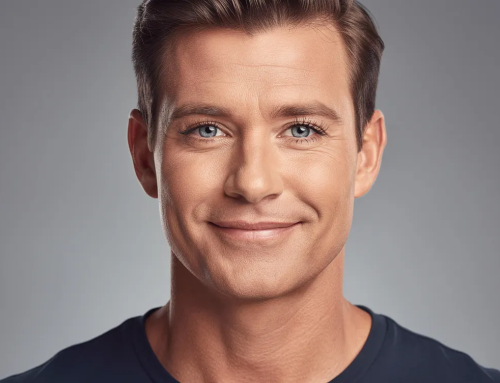
Subtle expressions work better than big exaggerated moments. For commercial auditions, a genuine warm smile reads well. For dramatic work, a more neutral or introspective expression signals depth. The key is that smiling or not, the expression needs to feel real.
At Headshots by Gareth, simple backgrounds like muted studio tones or soft New York exteriors keep focus on the actor’s face. Both studio lighting and natural light setups are used depending on what best serves the actor’s type and the casting context. A good headshot should look like you in real life, not a fantasy version of yourself.
How Many Headshots Do You Actually Need for Auditions?
Modern actors typically need more than one headshot look to cover different expressions and casting ranges. The practical baseline is at least two looks: one commercial-friendly image where you are approachable or smiling, and one more dramatic or grounded shot for theatrical and film submissions.
Three to five headshots make sense for actors who span clearly different types. If you can believably play a corporate executive, a caring parent, and an edgy antagonist, each of those characters benefits from a distinct image. Actors working in both stage and screen, or those who audition for commercials alongside dramatic roles, often find that variety pays off.
There is an important difference between having many photos from a shoot and selecting a tight set of final headshots. During a session, the photographer may capture dozens or even hundreds of frames. The goal is to curate a focused set that works across platforms like Actors Access, Casting Networks, and agent submissions without overwhelming anyone scrolling through all those photos.
During a headshot session with Headshots by Gareth, the photographer helps narrow down options so you walk away with a collection that is strong and cohesive, not redundant.
Preparing for Your Headshot Session
Preparation directly affects the quality of your results. A few days of intentional planning can make the difference between shots that feel stiff and shots that feel effortless.
Start with the basics. Get enough sleep the night before your headshot session so you arrive looking rested, not puffy. Stay hydrated in the days leading up to your shoot. Light meals on the day of keep energy up without leaving you sluggish.
Hair should be freshly maintained but not dramatically different from your usual audition look. Avoid last-minute drastic cuts or color changes, as these can take a few days to settle. Style your hair the way you normally wear it to casting calls so your headshot matches what directors will see in the room.
Grooming details matter more than you think: trimmed beard or clean shave, tidy brows, clean nails, no chipped polish, and no heavy fake tan or visible tan lines.
Mental preparation counts, too. Before the session, review your casting types. Practice relaxed facial expressions in a mirror. If your agents have given notes about what they want to see, bring those along. Think about the roles you play and the characters you want to be called in for. Walking in with clarity about your type helps the photographer capture the right energy.
What to Wear for Headshots for Auditions
Clothing in a headshot is a subtle signal, not a costume. What you wear should suggest a casting type without screaming it.
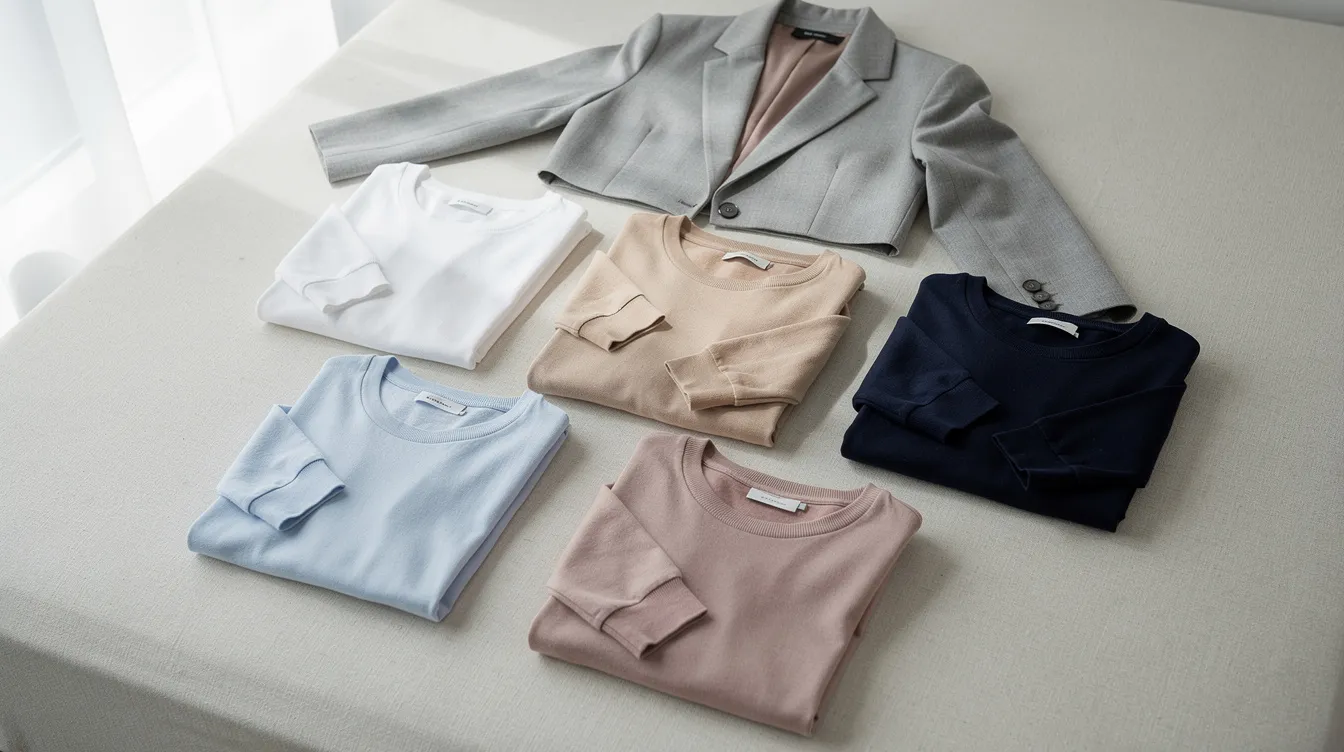
Actors should wear simple, non-distracting clothing for headshots. Solid colors that complement your skin tone and eye color tend to photograph best. Think deep blues, rich greens, warm earth tones, or muted burgundy. Solid primary colors are recommended for headshot clothing because they read cleanly on camera and in thumbnail size. Avoid busy patterns, logos, reflective materials, and overly white tops that can blow out under lighting.
Concrete wardrobe examples help illustrate this. A simple T-shirt suggests youthful energy for younger casual roles. A soft knit or blouse reads as warm and caring. A structured jacket or blazer signals authority for lawyer or executive types. Layers give you options to shift between looks without a full wardrobe change.
Necklines matter more than you might expect. V-necks tend to open up the face and draw the eye upward. Closed collars can suggest formality or seriousness. Experiment with a few options to see what feels most like your casting range.
Headshots by Gareth typically asks clients to bring several outfit options to the session so clothing can be adjusted based on what works best on camera under the actual lighting conditions.
Makeup, Hair, and Grooming: Showing Your Best Self
The principle here is simple: look like a polished version of your everyday audition self. Natural makeup is best for headshots to reflect true appearance. You want to show your best self, not a transformed version that will confuse anyone who meets you in person.
For actors who wear makeup, the goal is to even out skin tone, reduce shine, and define eyes and lips without heavy contouring or false lashes. A tinted moisturizer or light foundation, translucent powder, and subtle lip color go a long way. Skip the glitter, heavy liner, or editorial looks.
For men and masc-presenting actors, a clean shave or well-groomed beard is the starting point. Tinted moisturizer or concealer for blemishes, shine-control products, and tidy facial hair edges keep the look natural without making it feel “made up.”
Strong changes like heavy glamour, theatrical makeup, or very stiff hair can mislead casting about what you actually look like on set. The makeup artist you work with should understand the difference between fashion and casting-ready grooming.
At Headshots by Gareth, actors can either arrive camera-ready or coordinate with a recommended makeup artist who understands acting headshots rather than editorial fashion. The focus is always on making you look like yourself, just on a particularly good day.
Choosing the Right Headshot Photographer
Not every photographer understands casting. When choosing a professional headshot photographer for auditions, look for someone with specific experience shooting actor headshots, a clear understanding of casting needs, and a portfolio that feels current and cinematic rather than dated or overly stylized.
Review full galleries, not just the highlight reel on a homepage. You want to see how consistently the photographer captures different expressions, different skin tones, and different types. Ask for referrals from other actors, agents, or acting teachers. Word of mouth remains one of the most reliable ways to find a good photographer.
Before booking, ask specific questions. How does a typical headshot session run? How many looks are included? What retouching is provided? How are files delivered, and at what resolution? Choose a photographer who provides specific direction during shoots, guiding your pose, angles, and expression rather than simply clicking the shutter and hoping for the best.
Personality fit matters. A photographer who can make you feel relaxed will help you get natural, believable expressions that serve your acting career. Most photographers who specialize in headshots understand this, but it is worth confirming.
Headshots by Gareth is an example of a New York studio that focuses on guiding actors through posing, expression, and clothing choice to get audition-ready shots quickly and effectively.
Inside a Headshot Session: What Actually Happens
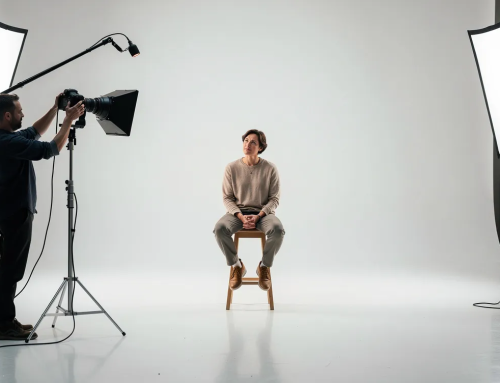
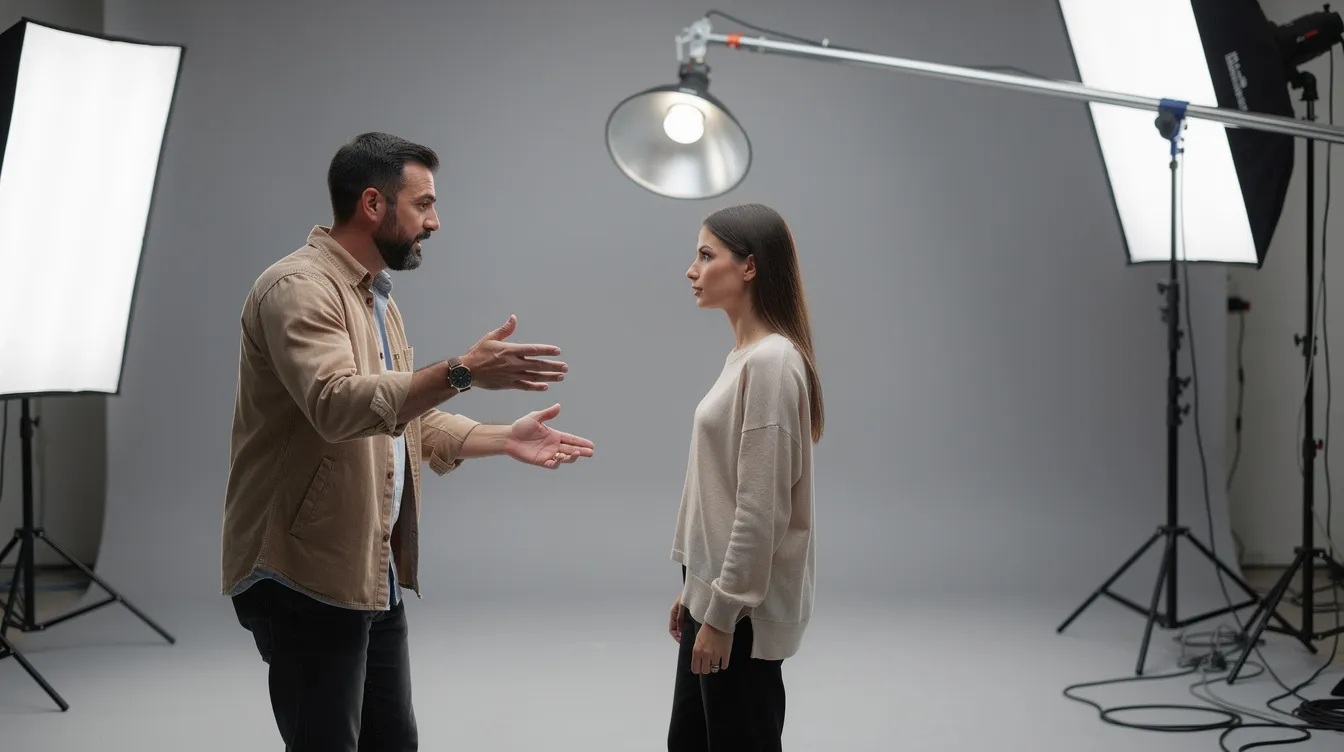
If you have never done a professional headshot session before, here is what to expect. Most sessions begin with a brief conversation about the roles you audition for, your casting type, and what your agents or managers have asked for. Then you review your wardrobe options together, and the photographer recommends what will work best under the lights.
From there, the photographer will direct you into flattering angles, work with your good side, and encourage micro-adjustments of chin, shoulders, and eyes. A skilled photographer captures different expressions and subtle shifts in energy, sometimes in quick succession, and sometimes by slowing down to find a specific moment.
During a Headshots by Gareth session, actors may review images on a tethered screen or on the back of the camera as the shoot progresses. This lets you see how your expressions are reading and refine them in real time, rather than guessing until the proofs come back.
A well-paced session allows enough time to warm up, change outfits, and capture a range of authentic looks without feeling rushed. For a two-look session, expect roughly an hour. More looks or backdrop changes may extend that to 90 minutes or longer. Most actors find that the best frames come after the initial nervousness fades.
The goal is not just one best photo but a small set of consistent, believable headshots that work together across different casting types.
Retouching: Polished but Still You
Retouching is finishing work, not a transformation. The person in the final image should still clearly look like the person who will walk into an audition room.
Acceptable retouching includes:
- Evening out skin tone and reducing temporary blemishes
- Smoothing stray hairs or lint on clothing
- Softening under-eye shadows from a late night
- Controlling shine on forehead or nose
- Minor color and contrast adjustments
Actors should lightly retouch their headshots for the best representation of their current appearance. But retouching should not alter recognizable features like wrinkles, moles, or the natural shape of your face. Over-retouched photos can lead to distrust from casting directors who feel misled when the actor in the room does not match the image online. Casting directors prefer minimally retouched headshots that closely resemble reality.
A headshot should look like you on your best day, not an airbrushed version that could pass for a different person entirely. Black and white headshots, while occasionally requested for specific artistic contexts, are not the current industry standard for casting submissions. Stay with color to give directors a full sense of who you are.
Headshots by Gareth typically offers subtle, industry-standard retouching that keeps the actor’s individuality and casting type intact, using a mirrorless camera system that captures high resolution files with natural skin texture preserved.
How Much Do Headshots Cost (and What Affects Price)?
Headshots cost can vary widely. In major markets like New York and Los Angeles, most professional headshot sessions cost between $400 and $1,500, with the average in NYC landing around $900 for a reputable photographer offering multiple looks and retouching.
Several factors drive the price:
- Studio versus outdoor-only sessions
- Number of outfit changes and looks included
- Whether hair and makeup services are bundled
- How many final edited images are delivered
- Session length and photographer experience
- Turnaround time for proofs and retouched files
Extremely low prices may mean rushed sessions, limited direction, or minimal retouching. If you walk away with shots that are not usable for casting, the savings cost you more in the long run because you end up rebooking. At the same time, the most expensive option is not automatically the best.
Position the investment in professional headshots as part of developing a serious acting career, similar to training, coaching, or classes. Professional headshots convey industry credibility and personal brand. A professional headshot is crucial for an actor’s marketing, and it is one of the few marketing materials that works for you 24 hours a day.
For current session options in New York, reach out to Headshots by Gareth directly rather than assuming all photographers have the same structure or pricing.
Using Your Headshots Strategically for Auditions
Having great headshots is only half the job. How you deploy them matters.
Your main hero acting headshot should be the image that best reflects your most bookable casting type. This is the one you use as your primary on Actors Access, Casting Networks, your personal website, and in agent submissions. Additional looks support your range and give you flexibility.
When submitting for a specific role, match the headshot to the breakdown. Use a warmer, friendlier image for commercials and lighter roles. Use a more grounded or intense shot for drama. Most actors default to their favorite photo regardless of the role, but thoughtful matching can increase callback rates.
Whenever you have new headshots, share them with your agent or manager so everyone is aligned on how you are being pitched. Your headshots are essential for your professional website and should be consistent across all social media and casting platforms.
Thoughtful experimentation can also open doors. Try rotating which headshot is primary on casting sites for a few weeks and track whether certain images seem to earn more audition invitations. Your headshot is a marketing tool, and like any marketing tool, testing and refining it improves results over time.
Knowing When to Update Your Audition Headshots
Actor headshots should be updated whenever your appearance changes significantly. A major haircut, new hair color, facial hair change (grown or shaved), noticeable weight shift, or visible aging all warrant fresh images. New headshots are needed after any significant look change.
As a general guideline, actors should update headshots every one to two years if their look remains relatively consistent. Children should update headshots every six months because their appearance changes rapidly. For adults whose roles or type are shifting, more frequent updates may be warranted.
Practical signs that it is time for new headshots include casting directors commenting that you look different in person, your own feeling that the photos no longer represent your best self, or agents requesting updated images. Headshots should also reflect current trends in the industry, as lighting styles and composition preferences evolve over time.
Treat new headshots not just as a maintenance task but as a chance to refine your casting type, adjust wardrobe and styling, and sharpen how your personality comes through on camera. A headshot that felt perfect two years ago may no longer tell the story you want to tell about where your acting career is headed.
Headshots by Gareth often works with repeat clients who return to update their actor headshots as their careers and looks evolve. If it has been a while, or if you are preparing for a busy audition season, reaching out to schedule a session is a smart move.

FAQ
Do my headshots have to match exactly how I look at every audition?
Your headshots should be a truthful, recent representation of your current appearance. Small variations are fine. If your long hair is slightly different from last month, or your beard is trimmed a bit shorter, that will not cause problems. What matters is that the person in the picture is recognizably the person who shows up. Dramatic differences, like a completely new hairstyle, significant weight change, or heavy makeup that is not your daily look, can confuse casting and erode trust. A good headshot should accurately represent your current look so a casting director sees exactly who they are inviting into the room.
Can I use the same headshot for theatre and on-camera auditions?
One strong, well lit, neutral headshot can often serve both theatre and on-camera work. However, actors who work regularly across both may benefit from slightly different versions. Theatre headshots sometimes lean toward slightly more dramatic lighting or fuller expression, while film and commercial headshots tend to favor subtler, more naturalistic looks. If you audition frequently in both worlds, having one of each gives you an edge.
Is it okay to smile in headshots for auditions?
A genuine smile is great for commercial and lighter roles. It reads as approachable and warm, which is exactly what many commercials and sitcoms want. For more serious or dramatic roles, a neutral or subtly introspective expression signals depth and range. Having both options in your gallery is ideal, and this is one reason most actors shoot at least two looks per session. The important point is that whether you are smiling or not, the expression should feel natural rather than posed or forced.
Should I shoot my own headshots with a good phone camera?
While modern phones are powerful, professional actor headshots usually require controlled lighting, specific lenses, and experienced direction that a phone setup cannot replicate. A professional headshot photographer shooting with a mirrorless camera or similar high-end system produces high resolution images that hold up at full size and in thumbnail crops. Beyond equipment, the direction itself, someone coaching your pose, your expression, your energy, is what separates a casting-ready headshot from a well-lit selfie. For social media or a personal project, a phone may work. For casting submissions, invest in a professional session.
How far in advance should I book my headshot session before a busy audition season?
Plan your shoot at least four to six weeks before you need to start submitting. That window gives you time to prepare wardrobe and grooming, complete the session itself, review proofs, select your final images, receive retouched files, and upload everything to casting platforms. Rushing the process often means settling for shots quickly rather than waiting for the strongest options. If you know a heavy casting season is approaching, reach out to Headshots by Gareth early to secure a session date that allows for a relaxed, thorough process.