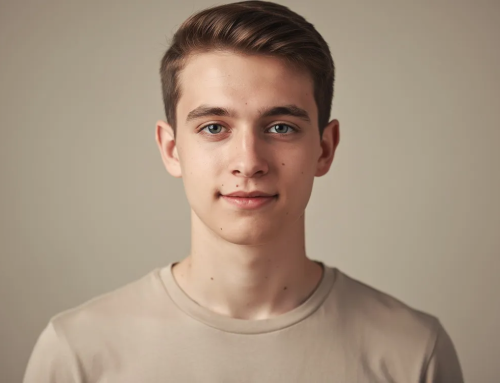
Your actor headshot background does more work than most actors realize. It sets the mood, frames your face, and either helps or hurts your chances every time a casting director scrolls past your thumbnail. This guide covers everything you need to know about choosing, planning, and executing headshot backgrounds that support your casting goals in 2026, whether you shoot in a studio, outdoors on a New York street, or both.
Key Takeaways
- Casting directors in New York, Los Angeles, Atlanta, and London scan thumbnails fast, so a clean, simple headshot background that keeps focus on the eyes is usually the safest choice.
- The best background depends on your casting type, skin tone, wardrobe, and where the image will be used, whether that is Actors Access, Breakdown Services, Spotlight, or printed postcards.
- Both studio and outdoor backgrounds can work for acting headshots, as long as they are softly blurred, non-distracting, and harmonize with your clothing and hair and makeup.
- An experienced headshot photographer like Headshots by Gareth will test multiple headshot backgrounds during a headshot session and adjust lighting, angle, and color so your actor headshots read clearly to casting directors.
- Solid neutral backgrounds are timeless for headshots, but muted color options and natural outdoor settings can add personality when used carefully.
Why Your Actor Headshot Background Matters So Much
In 2026, casting offices in cities like New York, LA, and London may scroll through hundreds of acting headshots per role in a single sitting. Your headshot appears as a tiny image in a grid on platforms like Actors Access, Casting Networks, and Breakdown Express, and the first impression it makes in that thumbnail is either an invitation to click or a reason to keep scrolling. The headshot background plays a direct role in that split-second decision.
Headshot backgrounds influence how quickly a casting director can read your age range, energy, and casting type before they even zoom into your face. A cluttered outdoor background with visible signage or a neon studio wall pulls the eye away from the one thing that matters: you. Simple backgrounds enhance focus on the actor’s face, and the best backgrounds are kept out of focus so they do not compete with your facial features. Your eyes, your expression, and your energy should be the sole focus, because facial expressions indicate your ability to act convincingly and eye contact in headshots establishes a connection with viewers.
A good headshot background does not announce itself. It subtly frames your features, supports your expression, and lets casting directors see your type immediately. This is true whether the image is viewed full-size on a manager’s laptop or as a circular thumbnail on a casting app. Headshots by Gareth, a New York headshot photographer, treats background, lighting, and expression as a single package, especially for working theatre, TV, and commercial actors who need images that perform across every platform.

Studio vs. Outdoor Headshot Backgrounds
The two main categories of headshot backgrounds are controlled studio setups and real-world outdoor or environmental locations. Each has clear strengths, and effective options for actor headshot backgrounds include studio-based and natural outdoor backgrounds.
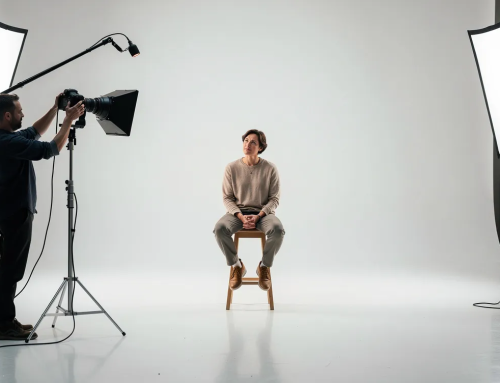
Studio headshot backgrounds include solid color seamless paper in shades like white, grey, black, mocha, and slate, as well as textured muslin or canvas and subtle gradients created with professional lighting. Studio lighting can create sharper and more dramatic headshots, and the environment gives your photographer complete control over contrast, color temperature, and consistency regardless of weather or season. Studio shots are easy to match across new headshots, allow quick changes between backdrops, and produce very clean images that agents and managers who prefer classic looks will appreciate.
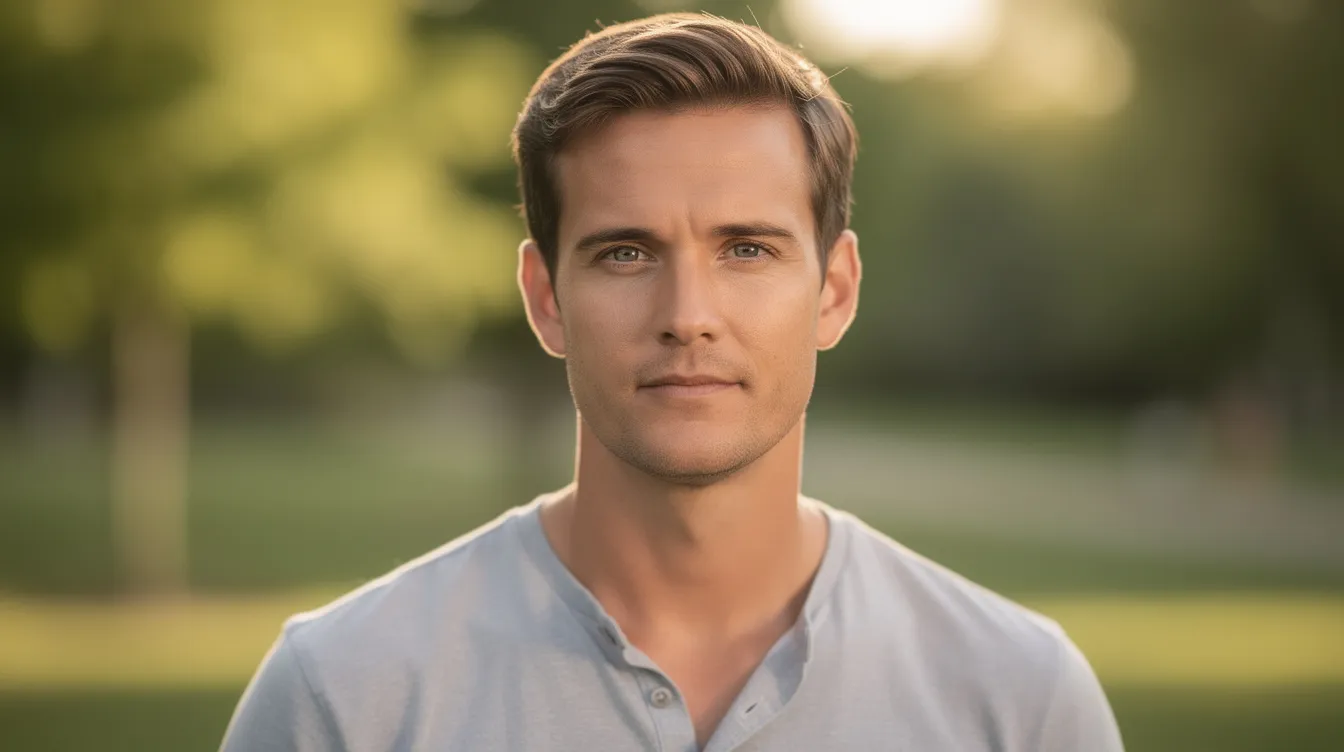
Outdoor headshot backgrounds common in New York actor headshots include soft green trees in Central Park, muted brownstone walls in Brooklyn, or out-of-focus city streets near Midtown, all shot with shallow depth of field to keep the background soft. Natural light often provides a softer quality for headshots, and natural light backgrounds create a softer quality that can feel warm and organic. Outdoor settings also offer more personality and a sense of place, subtly suggesting character worlds like urban, corporate, or bohemian without relying on overt costumes or props.
Many photographers now offer hybrid sessions that start with studio portraits on neutral backgrounds, then move outdoors for one or two additional looks. This approach maximizes variety and gives you both safe, timeless studio shots and more character-driven environmental images. Headshots by Gareth can help actors choose between studio and outdoor backgrounds based on their target markets, whether that is Broadway, indie film, commercials, or streaming series.
Best Background Colors for Acting Headshots
Choosing the best background color for your actor headshot is partly about color theory and partly about how your skin tone, hair color, and wardrobe interact with what is behind you. The background must contrast with the actor’s hair and skin tone, and backgrounds should not match the actor’s clothing color.
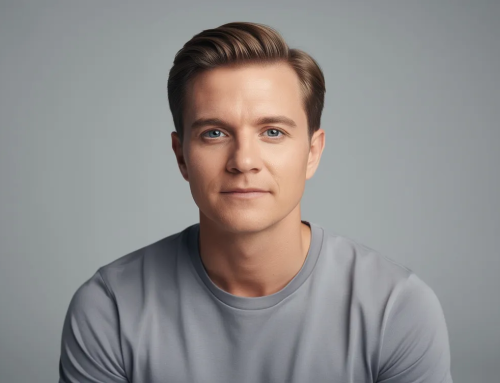
Classic neutral backgrounds like gray and white are universally flattering. Light grey, medium grey, charcoal, and clean white remain standard for acting headshots in 2026 because they are flexible for both theatrical and commercial submissions, easy for graphic designers to crop, and produce no strong color cast on skin. According to Photography Shark Studios, medium gray consistently scores highest across industries, casting types, and thumbnail performance.
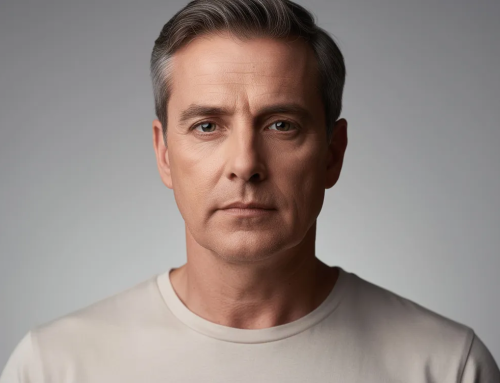
Darker backgrounds like charcoal, deep green, or navy can enhance drama and intensity for theatrical headshots. Darker tones create depth and drama in headshots, making them effective for actors who play detectives, lawyers, or prestige TV characters. The key is ensuring enough light on your face and hair to avoid blending into the backdrop.
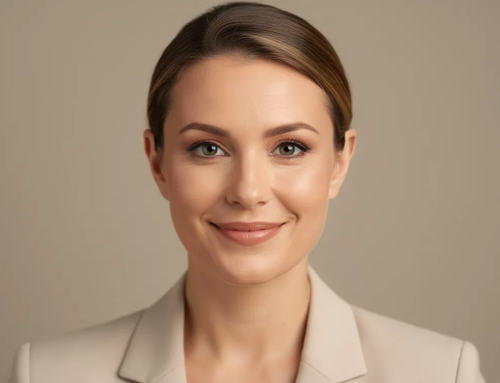
Lighter backgrounds like off-white, pale grey, or soft beige help with bright, friendly commercial headshots, children’s acting headshots, and comedic performers. Light colors project a warm and approachable energy for friendly character types, which is exactly the signal most casting directors want from a commercial submission.
Bold-colored backdrops can make headshots stand out to casting directors when used with restraint. Muted teal, dusty blue, warm tan, and desaturated brick red give a modern, cinematic feel. However, overly saturated or neon backdrops date quickly and may clash with serious theatrical submissions. During a headshot session, an experienced headshot photographer like Headshots by Gareth will test how your wardrobe reads against each background and adjust so you do not blend in or clash.
Matching Backgrounds to Your Casting Type
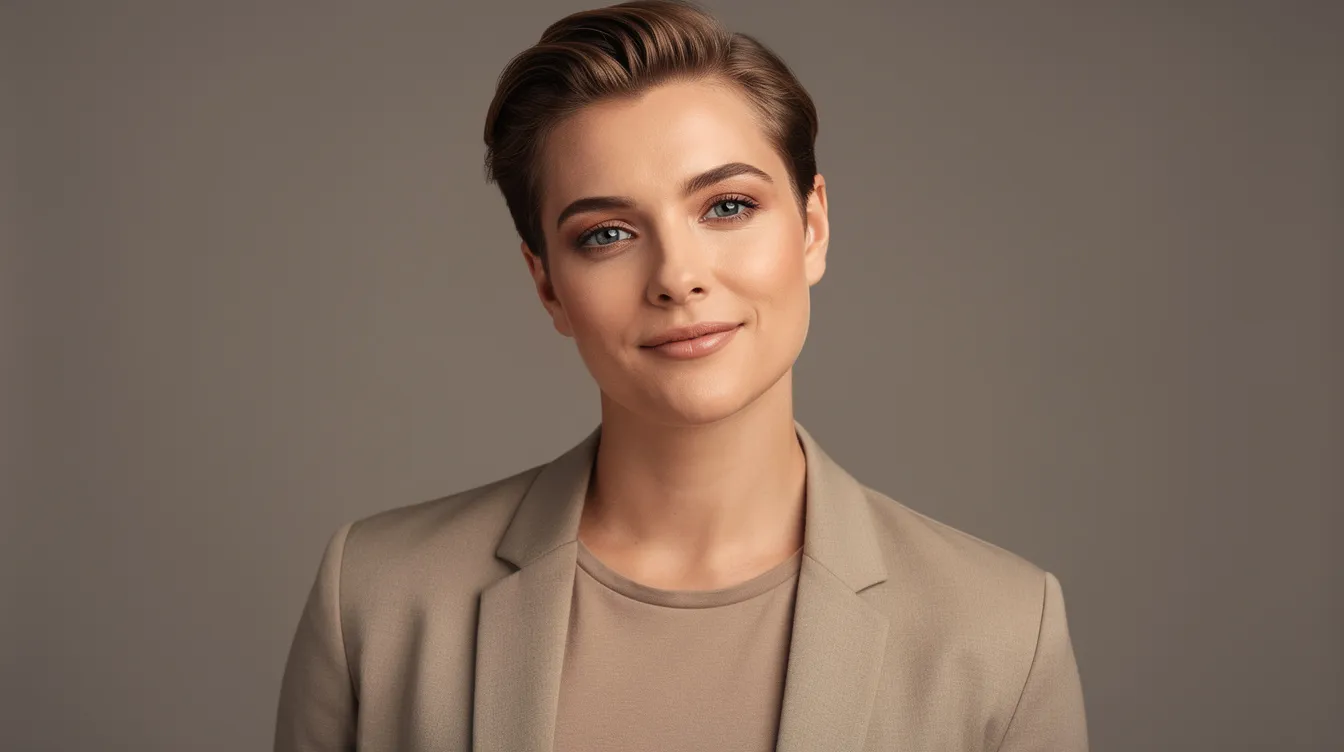
In the acting world, your “type” is the shorthand casting directors use to place you: young professional, quirky best friend, leading man, grounded mom, villain. Your chosen background should quietly reinforce this type without shouting about it. Character-specific backgrounds align with roles actors audition for, and your expression should reflect the character you can portray.
Here are some concrete pairings that work well:
- A neutral studio background (medium or dark grey) for a lawyer, doctor, or authority figure type, common in procedural dramas
- A subtly urban outdoor background with blurred brick or brownstone for an NYC creative or indie-film type
- A bright, softly colored background or outdoor greenery for commercial and comedic types who need to look approachable
- A textured, slightly grittier backdrop for crime drama or edgy streaming roles
Casting preferences can differ by region, impacting headshot styles. A headshot that reads perfectly for New York theatre may need adjustment for the LA commercial market or London stage work. Using a mix of commercial and theatrical looks is important for versatility, so plan multiple looks within one session. For example, you might shoot a serious theatrical look on charcoal, then switch to an approachable commercial look on light grey or outdoor greenery. Most casting directors appreciate seeing range at a glance.
Headshots by Gareth can help actors in New York workshop their type before and during the photo session, then choose backdrops and lighting setups that make those choices clear on screen.
How Background, Lighting, and Expression Work Together
Your headshot background cannot be chosen in isolation. It must work with your lighting style, direction, and facial expression to create a unified image. A perfect backdrop is wasted if the lighting flattens your face or your expression looks forced.
Soft, even lighting on a mid-tone background supports honest, grounded theatrical headshots where micro-expressions and eye contact matter most to casting directors. Good lighting should clearly show your whole face without washing it out. This is where lighting balance is crucial for achieving appealing headshot visuals. Harsh lighting can highlight imperfections in headshots, so most photographers use diffused sources for the key light and carefully control shadows.
Brighter, more directional light with a lighter background creates pop and energy for commercial shots, especially when combined with open, friendly expressions and relaxed headshot poses. Natural expressions are preferred over forced posing in headshots. Eliminate tension around your mouth for a confident look, and let your facial expressions project confidence and relaxation. The camera picks up tension instantly, and most actors look their best when they arrive prepared but stay loose during the shoot.
Darker, moodier backgrounds plus controlled shadow can be powerful for intense or edgy roles, but must still show eye detail and avoid looking like a glamour portrait or fashion shoot. A good headshot photographer balances the background and key light so there is clear separation between the actor and the backdrop, using tools like background lights, flags, and reflectors.
Headshots by Gareth focuses first on your eyes and expression, then fine-tunes background brightness and color until they support rather than compete with your performance.
Indoor Studio Background Options for Actor Headshots
Studio backgrounds remain the backbone of professional headshot photography in New York. Common options include seamless paper, hand-painted canvas, fabric backdrops, and simple painted studio walls.
Solid seamless paper backgrounds in white, thunder grey, black, and bone each interact differently with skin tone and wardrobe when properly lit. White can appear too intense for lighter skin if not controlled carefully, while black demands strong separation lighting to prevent dark hair from disappearing. Medium grey is the workhorse: it adapts to nearly every look and reads cleanly at thumbnail size.
Hand-painted canvas or muslin backdrops with subtle texture and gradient are often used for more cinematic or theatrical looks. Minimalistic patterns add depth without distracting from the subject, giving the image a sense of dimension that flat seamless paper sometimes lacks.
Simple textured walls inside a studio space, such as concrete, plaster, or brick, can mimic real locations while keeping the focus on you when blurred slightly. For acting headshots, patterns and props on studio backdrops should be minimal to avoid breaking casting guidelines on major platforms.
At Headshots by Gareth, studio setups are chosen in advance but remain flexible. If a background is not flattering on camera, it can be switched quickly mid-session so no time is wasted.
Outdoor and Environmental Backgrounds for Actor Headshots
Outdoor actor headshots remain popular in cities like New York and Los Angeles, especially since digital submissions became standard. Natural backgrounds evoke warmth and authenticity in headshots, and many actors find they relax more easily when shooting outside.
Typical outdoor headshot backgrounds include:
- Parks with trees and foliage (Central Park, Prospect Park)
- Brownstone stoops and neutral building facades in Brooklyn or the Upper West Side
- Alleyways with textured walls
- Blurred street scenes with soft lights and gentle traffic
Blurred outdoor backgrounds add texture and a cinematic feel that studio shots sometimes cannot replicate. The technical approach involves using wide apertures and longer lenses to blur the background so shapes and colors support the shot without showing recognizable distractions or signage.
An outdoor background can subtly suggest character worlds: a creative in Brooklyn, a financial professional near Wall Street, a downtown artist near SoHo. But these must never look like themed costume photos. The background should suggest, not narrate.
Practical concerns like weather, crowds, and seasonal changes in New York are real. A professional headshot photographer plans timing and locations to keep you relaxed and camera-ready. Headshots by Gareth often combines one clean studio background with one or two outdoor looks in a single photo shoot to build a varied, casting-friendly portfolio.
Avoiding Distracting Headshot Backgrounds
One of the most common mistakes actors struggle with is choosing a headshot background that reduces their chances in a casting director’s fast thumbnail scan. The background should feel almost invisible at first glance. Most casting directors should register you rather than a cool wall or interesting building.
Typical distractions include:
- Sharp-focus city details and architectural elements that pull the eye
- Visible logos, text, or signage
- Strong horizon lines cutting through the head
- High-contrast busy patterns that fragment the image
- Trendy neon walls or mural art that looks dated within a year
Avoid busy patterns and large, distracting jewelry in headshots, as these compete with your face in the same way a cluttered background does. Backgrounds that are the same tone as your hair, skin, or clothing cause you to melt into the backdrop, especially when images are compressed on casting sites. This “melting” effect is a particular risk with darker backgrounds and dark hair, or very light backgrounds and fair skin.
A great headshot makes the viewer think about you, not the scenery. Headshots by Gareth watches for these issues live on the back of the camera, adjusting angles or locations if backgrounds feel too busy or distracting.
Choosing Backgrounds for Different Headshot Looks (Theatrical, Commercial, and More)
Most actors in 2026 still need at least two distinct acting headshots: a theatrical shot and a commercial shot, often plus a niche look for specific audition categories. Actors should have at least two distinct looks for headshots to cover the range that agents and casting directors expect.
Typical theatrical headshots use neutral studio grey or charcoal, subtly textured darker tones, or muted outdoor walls. The mood is grounded and serious, with the background supporting intensity rather than adding brightness.
Typical commercial headshots use brighter, lighter studio tones like light grey or off-white, or softly colored outdoor backgrounds with greenery or sky. The emphasis is on openness and approachability, which is the only industry where a slight smile and bright energy are often preferred over brooding intensity.
For niche looks:
- Slightly grittier urban textures for crime dramas or edgy streaming series
- Softer, warmer tones for family-oriented roles
- Clean, polished studio neutrals for corporate or procedural casting
Plan your headshot session with clear goals, such as one theatrical studio look, one commercial studio look, and one outdoor urban look. Then let the photographer fine-tune specific backgrounds on the day. Headshots by Gareth can discuss these looks in advance via email or a brief call, then build an efficient shoot plan so you leave with usable images for each category.
Coordinating Wardrobe, Hair, and Makeup with Your Background
Wardrobe and hair and makeup should be chosen with the headshot background in mind to create a coherent, casting-friendly image. Actors should wear simple, non-distracting clothing for headshots. Solid primary colors and bright jewel tones are recommended because they photograph well and maintain contrast against most headshot backgrounds.
Some practical wardrobe pairings:
Background
Wardrobe That Works
Wardrobe to Avoid
Light grey
Navy, forest green, burgundy
White, pale pastels
Charcoal
Warm earth tones, soft blue
Black, dark charcoal
Outdoor greenery
Solid jewel tones, cream
Bright green, busy prints
Off-white
Rich mid-tones, black
White, ivory
Aim for the way you would normally present yourself at a self-tape audition when deciding on hair and makeup. Keep skin natural, shine controlled, and colors neutral enough to work with multiple backgrounds. If you work with a makeup artist, ask them to keep the look clean and camera-ready rather than editorial. Bolder lipstick or eye looks may limit which backgrounds feel believable for casting directors, while more neutral makeup travels comfortably across studio and outdoor setups.
Actors should aim for relaxed poses to avoid visible tension, and arrive rested, groomed, and ready to take direction. Personal preference matters, but remember that a headshot is marketing materials for your acting career, not a fashion editorial. Headshots by Gareth can review your wardrobe options at the start of the session and suggest combinations that photograph well against planned backgrounds.
Technical Tips: Depth of Field, Blur, and Separation
Professional acting headshots rely on shallow depth of field and separation from the background to keep your face, especially your eyes, perfectly sharp. This is a core reason why a professional headshot session yields images that look fundamentally different from a casual phone snapshot.
Background blur, often called bokeh, is achieved through wide apertures (typically f/2.8 or wider) and longer focal lengths (85mm, 100mm, or 135mm). These settings allow the background to melt softly away, particularly in outdoor environments where there are many competing details. Most photographers working in headshot photography shoot headshots vertically to match the standard 8×10 portrait format.
In studio setups, separation is achieved by positioning you several feet away from the background and sometimes adding a background light or hair light. This prevents shadows from falling directly on the backdrop and keeps a clear visual boundary between you and the backdrop. Over-blurring can sometimes make outdoor backgrounds look artificial, so a professional photographer will balance blur with just enough detail to convey a sense of place.
Actors do not need to worry about camera settings, but understanding this process helps explain why investing in a professional headshot photographer produces results that existing photos from your phone cannot match.
Planning Your Headshot Session Around Backgrounds
Smart planning before your first headshot session leads to better use of time, more variety in backgrounds, and more usable final images. New actors especially benefit from thinking through their goals before the day arrives.
Start by listing your current targets: theatre, network TV, streaming, indie film, or commercials. Translate any feedback from agents or managers into a shortlist of needed looks and background moods. Gather sample acting headshots you like from Backstage, Playbill, or agency rosters and note the types of backgrounds used. Bring those references to your photographer.
A simple session flow might look like this:
- Begin on a safe studio neutral background while you warm up and settle into your expressions
- Move to a more stylized studio color or textured backdrop once you are loose
- Step outdoors for one or two environmental looks if time allows
- Leave a few minutes at the end for quick tweaks if a particular background is not working
This flow gives you the perfect shot on a reliable neutral plus room for more distinctive looks. Headshots by Gareth can help design this flow during booking so you know how many background and wardrobe changes are realistic within your chosen session length.
Working with a Headshot Photographer to Choose the Best Background
Choosing a headshot photographer is partly about trusting their eye for backgrounds and their understanding of current casting trends. When reviewing a photographer’s portfolio, pay attention to their headshot backgrounds: how clean they are, how the subject stands out, and whether the overall style aligns with your goals.
Ask potential photographers how they approach background selection for actor headshots, whether they shoot both studio and outdoor, and how many background options are typically used per session. This is the inside scoop that separates a photographer who understands the acting world from one who treats every shoot head on as a generic portrait.
Share your target roles, agent feedback, and any concerns about colors or locations so the photographer can plan appropriate headshot backgrounds. Communication is the foundation of a good headshot, and a photographer who listens will deliver images with stronger professional appeal than one who imposes a single style on every client.
Headshots by Gareth prioritizes collaboration, making real-time adjustments to backgrounds, angles, and light as your expressions and poses evolve during the session. If you are ready to create a set of headshots that supports your professional brand, reach out to Headshots by Gareth for a consultation about which backgrounds would work best for your current casting goals.
After the Shoot: Selecting Headshots with the Strongest Backgrounds
The selection process is where background choices are truly tested. Some setups that felt great on the day may not read as clearly in a thumbnail grid, and that is normal.
Review your proofs first in small thumbnail view, exactly as casting directors would see them. Notice which backgrounds keep your eyes and expression clear at a tiny size. Shortlist images where the background feels almost invisible, the skin tone looks natural, and wardrobe, hair, and makeup all balance well with the backdrop. Check that the same background works across multiple crops, including tight 8×10, wider online crops, and circular thumbnails, without cutting through awkward lines or distracting elements.
Get second opinions from trusted teachers, coaches, or reps, specifically asking whether the background feels professional and appropriate to the intended type. What looks like a perfect backdrop to you might read differently to someone who reviews headshots daily.
A note on retouching: actors should lightly retouch their headshots for authenticity. Retouching should enhance features without making actors unrecognizable, and it typically includes smoothing stray hairs and evening skin tone. Overly retouched photos can lead to distrust from casting directors who expect to see in real life the person they saw in the photo. Marc Cartwright advises actors to consider their realistic age when retouching, avoiding the temptation to shave years off your image when the goal is booking roles you are right for today.
Headshots by Gareth can provide guidance during this stage, helping you narrow down to a cohesive set of theatrical, commercial, and niche looks with consistent, casting-friendly backgrounds.

Frequently Asked Questions About Actor Headshot Backgrounds
What is the safest background choice if I am getting my first professional acting headshots?
For a first set of actor headshots, a neutral color studio background in light or medium grey is usually the safest. It works for both theatrical and commercial submissions and is accepted by agents, managers, and most casting directors across markets in New York, LA, Atlanta, and London. This kind of headshot background will not date quickly, and it pairs well with most wardrobe and skin tone combinations. Consider adding one additional look, such as a slightly darker or outdoor background, only after locking in a reliable neutral studio option. A perfect acting headshot on a solid neutral will serve you across multiple audition seasons.
Can I use a very recognizable location as my headshot background?
Highly recognizable or tourist-heavy locations like Times Square often distract from your face and can look more like travel photos than professional actor headshots. Casting directors are not hiring you for where you live or visit; they want to see your face, age range, and type at a glance. Solid colors and simpler environments keep the impression focused on you. Choose quieter streets, simple walls, or soft greenery instead, even in a city as visually dense as New York. Bright colors or famous landmarks behind you become distracting elements that weaken your image.
Should my theatrical and commercial headshots use completely different backgrounds?
They do not need to be radically different. Often a change in background tone, darker for theatrical and lighter for commercial, plus a shift in expression and wardrobe is enough. Using related backgrounds can help your portfolio look cohesive while still signaling different energies to casting directors. Discuss with your photographer whether to keep both looks in studio or to pair a studio theatrical headshot with a brighter outdoor commercial look. The goal is a professional set where each photo clearly communicates a different casting lane.
How often should I update my actor headshots because of background trends?
Update headshots primarily when your appearance changes or your casting goals shift, typically every one to three years for adults. Chasing background trends is a bad idea; very stylized or trendy backgrounds like neon signs or specific murals popular on social media can date your images faster than classic neutrals or simple outdoor textures. Focus on timeless background choices so your headshots stay usable across multiple audition seasons and remain strong marketing materials for your acting career regardless of passing fads.
Can Headshots by Gareth help me decide backgrounds if I am not sure what suits my type?
Headshots by Gareth can talk through your casting goals, review inspiration images, and suggest specific studio and outdoor backgrounds that fit your natural type and target roles. This guidance usually happens before or at the start of your photo session, so the shoot flows smoothly and you leave with a strategic mix of backgrounds. Whether you are a new actor getting your first headshots or a working professional refreshing your look, that conversation about background, wardrobe, and type is part of the process. Contact Headshots by Gareth to discuss your next actor headshots and the backgrounds that will best support your current audition goals.