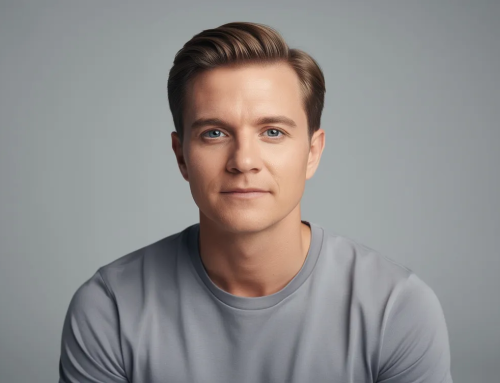
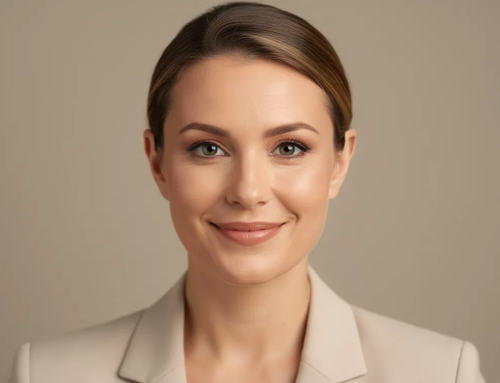
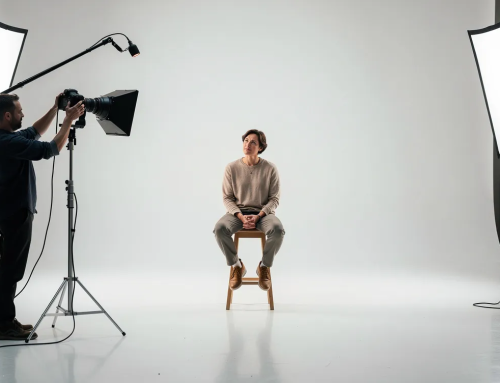
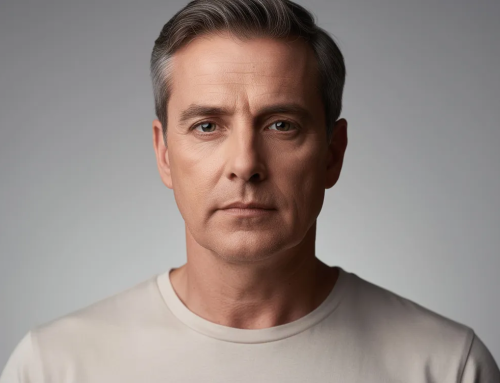
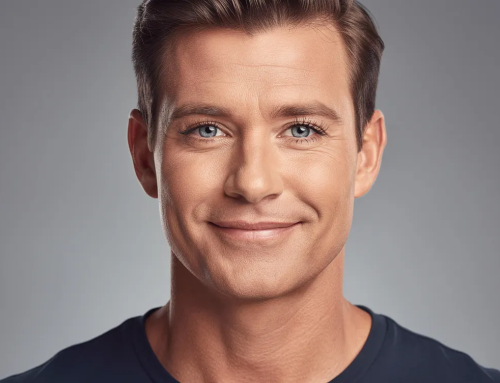
Your drama school headshot may be the very first thing an admissions panel sees, long before you step into an audition room or deliver a monologue. For students applying to BFA, MFA, and conservatory programs in 2026 and 2027, getting this image right is not optional. It shapes first impressions, signals professional readiness, and communicates your potential as a trainable performer. This guide covers everything you need to plan, shoot, and use drama school headshots that work for the programs you want most.
Key Takeaways
- Drama school headshots serve as a visual first audition for faculty and casting directors at major US and UK programs, including schools in New York, Chicago, and London. A professional headshot signals readiness for serious theater programs and makes a strong first impression before your live audition.
- A good headshot for drama school clearly shows your face, feels authentic, and hints at your natural casting range without looking like a costume or a character from a play. Headshots should represent your age range and personality as you are right now.
- Working with a specialist headshot photographer like Headshots by Gareth in New York helps applicants align their look with current industry and drama school expectations, avoiding common missteps that weaken applications.
- Preparation matters as much as camera work. Wardrobe choices, grooming, rest, and mindset all shape the quality of your acting headshots.
- This article covers how to plan, shoot, and update actor headshots specifically for drama school auditions and performing arts training programs.
What Makes a Drama School Headshot Different?
Drama school headshots are images used for BFA and MFA acting programs, musical theatre training, and performing arts conservatory applications. They are not the same as the headshots a working professional submits to agents or uses as marketing materials for commercials and film. Their purpose is narrower and more personal: they let admissions committees see you clearly and honestly before deciding whether to invite you further into the audition process.
Schools in cities like New York, Chicago, and London use these photos at multiple stages. Some require a headshot as part of the initial digital application or prescreen. Others expect you to bring printed copies to in-person audition days. In casting workshop exercises run by drama faculty, your headshot might sit in a stack alongside dozens of other applicants. That context matters when you think about what kind of image to produce.
The key contrast with working actor headshots is scope and intention. A professional already in the industry might shoot four or five different roles and “looks” in a single session, each styled to sell a specific brand. Drama school headshots lean away from that. They focus on clarity, training potential, and natural presence rather than heavy branding. You want to show who you are right now, whether you are seventeen or twenty-four or older, rather than projecting the characters you hope to play a decade from now. Headshots by Gareth designs drama school sessions to hit that balance: authentic student energy paired with a ready-to-train professional feel, without tipping into overly stylized or fashion-forward images.

What Drama Schools and Casting Directors Want to See
Schools want to see truthfulness, potential, and professionalism in your acting headshot before they hear your monologue or song. Faculty and admissions panels are evaluating whether you look like someone they can train, not someone who has already decided exactly what they are. Consider that casting directors can see 2,000 to 3,000 headshots per role, often in thumbnail grids where each image gets roughly three seconds of attention. Your drama school headshot faces similar competitive pressure.
The core visual priorities include:
- Clearly lit eyes that feel alive and engaged, not blank or posed. Dynamic expressions in headshots show engagement and versatility, which is exactly what faculty want to detect.
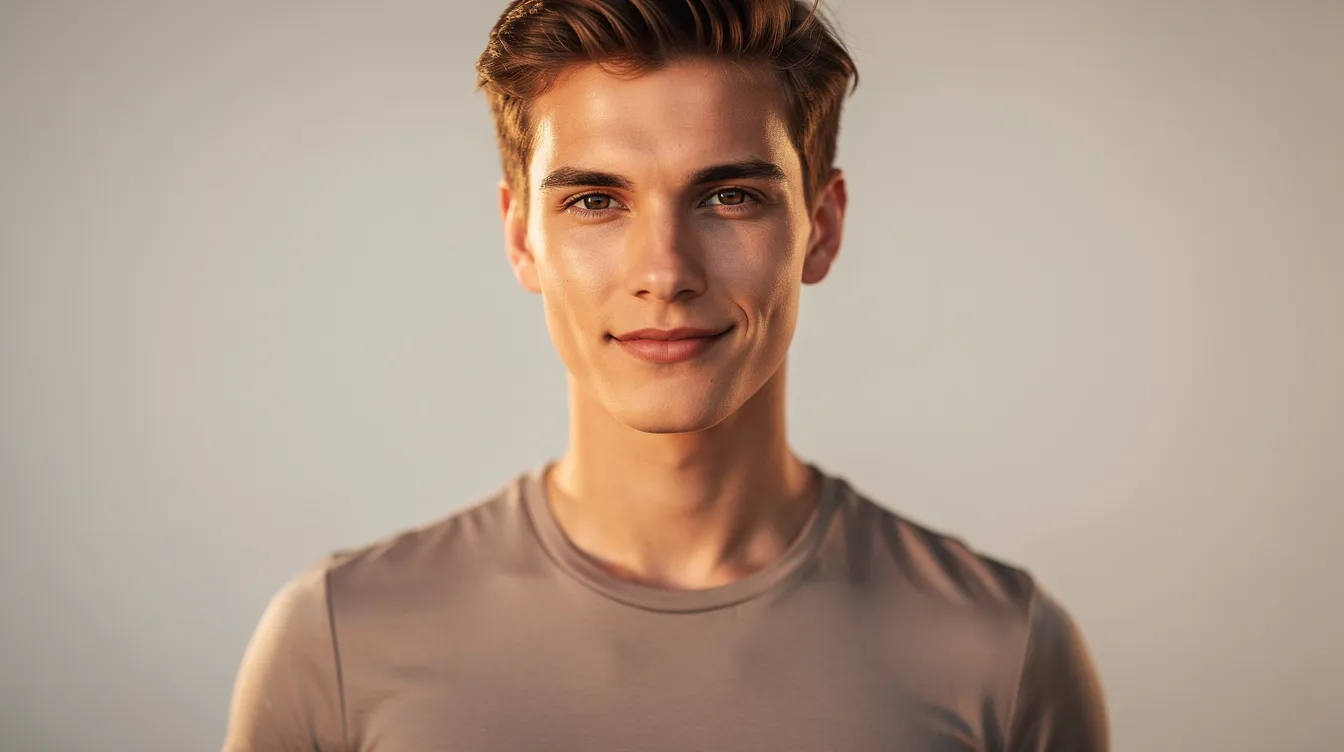
- An unobstructed face with your current hairstyle, not hidden behind hair or accessories. Headshots should be chest-up and focus on your face.
- An expression that feels present and specific rather than a generic smile or forced intensity. A good headshot should show natural expressions without tension.
- Neutral backgrounds that separate you from the backdrop so attention stays on your features. Neutral backgrounds are best for theater-focused applications.
Drama school faculty also read “type” from headshots, whether they see contemporary lead energy, character actor warmth, or comedic openness. They do not need you in a period costume to assess this. Subtle cues in posture, wardrobe, and facial expression communicate plenty. Headshots should reflect current trends to attract casting directors, and right now the trend is authenticity over production value. Casting directors and drama school auditors tend to distrust heavy retouching, trendy filters, and theatrical makeup because they obscure your real training potential.
Your final drama school headshot should be something you still recognize in the mirror at 8 a.m. on a winter audition day in New York. Choose headshots that reflect the types of roles you want to book while staying grounded in how you actually look in real life.
Choosing a Headshot Photographer for Drama School Applications
Choosing the right headshot photographer is one of the first major professional decisions an aspiring actor makes. It sets the tone for how seriously your application is received. Low-budget headshots can signal a lack of seriousness to casting directors, while a thoughtful, well-executed photo from a professional photographer communicates commitment to your career.
When evaluating photographers, look for these qualities:
- A portfolio filled with consistent actor headshots, not corporate portraits or wedding photography. Choose a photographer who specializes in acting headshots.
- Experience working with drama school applicants and an understanding of current 2025–2026 audition norms.
- A website or gallery that talks about acting types and casting, not just lighting gear or camera specs.
Ask for peer referrals when selecting a headshot photographer. Classmates, drama teachers, and acting coaches often know who delivers strong results for students. A professional photographer understands industry requirements for headshots, from file formats to the emotional tone that admissions committees expect.
Headshots by Gareth specializes in actor headshots for early-career performers and working professionals, and can shape a headshot session around specific school lists like Juilliard, NYU Tisch, RADA, and Carnegie Mellon. Practical steps before booking include scheduling a brief consultation call, asking to see recent drama school headshot examples in their gallery, and confirming how many final images and retouched files come with the session. Most professional headshot sessions cost between $400 and $1,500 depending on length, deliverables, and the photographer’s experience. Prioritize chemistry and clear communication with the photographer over chasing the lowest price or biggest package.
Planning Your Drama School Headshot Session
Thoughtful planning in the month before your shoot makes the actual headshot session calm and productive. Most people underestimate how much front-end work goes into a session that feels natural on the day. Start by finalizing your list of target programs and their application deadlines. For US and UK schools, these typically fall between October and January. Book your session at least four to six weeks before the first submissions are due so there is time for proof selection, retouching, printing, and any unexpected reshoots. Headshot sessions typically cost between $400 and $1,500, and sessions may vary in length from 30 minutes to several hours depending on scope.
For drama school applications, plan for at least two looks. Your primary look should be neutral and current: the most honest version of you as you are right now. If budget allows, a secondary look can lean slightly more dramatic or more commercial depending on your natural casting type. Actors should have at least two distinct looks for headshots to give themselves and admissions panels a sense of range.
Collect visual references before the session. Screenshots of drama school headshot examples, actor headshots you admire on Playbill or agency sites, and notes on how those images feel can all be useful. Headshots by Gareth often reviews these references in advance to plan backgrounds, studio lighting style, and emotional beats for each look. Headshots for drama schools sometimes benefit from moody, character-specific lighting, so discussing this in advance helps shape the session.
Confirm logistics: studio location, session duration, deposit, rescheduling policy, and timeline for receiving proofs and final acting headshots.
Wardrobe for Drama School Acting Headshots
Wardrobe is where most actors either nail the details or quietly undermine their own headshot. The goal is clothing that supports rather than distracts from the face.
Wear solid primary colors and mid-tone options that photograph well: deep green, navy, burgundy, soft charcoal. Solid colors keep the focus where it belongs. Avoid busy patterns and large distracting jewelry, logos, and anything that draws the eye away from your expression. A lighter color like soft blue or cream can work for a more approachable, commercial-leaning frame.
The difference between a “theatrical” leaning look and a “commercial” leaning look is subtle. Theatrical might mean slightly darker, more textured layers like a denim jacket or an open cardigan over a simple tee. Commercial leans brighter, cleaner, and more open. Both should feel authentic to who you are for performing arts programs, not like a costume.
Avoid brand-new, stiff clothes you have never worn. Instead, bring pieces you already feel comfortable and confident wearing onstage or in class. Headshots by Gareth typically asks clients to bring five to seven top options for a headshot session, then refines them on-site based on skin tone, eye color, and background choice. Drama schools see many black tops in headshot stacks. Adding one or two subtle color choices can help your pictures stand out without feeling flashy.

Hair, Makeup, and Grooming for Drama School Photos
The goal is “polished but real,” matching how you would walk into a live audition in New York, Chicago, or London. Professional styling is recommended for drama school headshots, but “professional” here means skilled restraint, not full glam.
Style your hair the way it normally looks after you have taken reasonable care. If you would not maintain an experimental cut or color through audition season, do not debut it for your photo shoot. Most actors keep their hair consistent between headshots and auditions so that faculty recognize them immediately.
For makeup, light and natural application works best. Even out skin tone, reduce shine, and manage any redness while keeping freckles, texture, and features visible so casting can imagine you in different roles. A makeup artist who understands actor headshots will know the difference between camera-ready and over-done.
For facial hair, choose a look you can maintain consistently through audition season, whether clean-shaven, stubble, or a beard, and shoot that same look for your drama school headshots.
A few days before the session, handle basic grooming: a haircut or trim if needed, avoid new skincare products that might cause breakout, and get good hydration and sleep the night before. Headshots by Gareth can coordinate with professional hair and makeup artists when requested, while still prioritizing a training-ready final product.
On the Day: What to Expect in a Drama School Headshot Session
Arrive 15 minutes early for your headshot session. This gives you time to settle, change into your first wardrobe option, and adjust to the studio environment without feeling rushed.
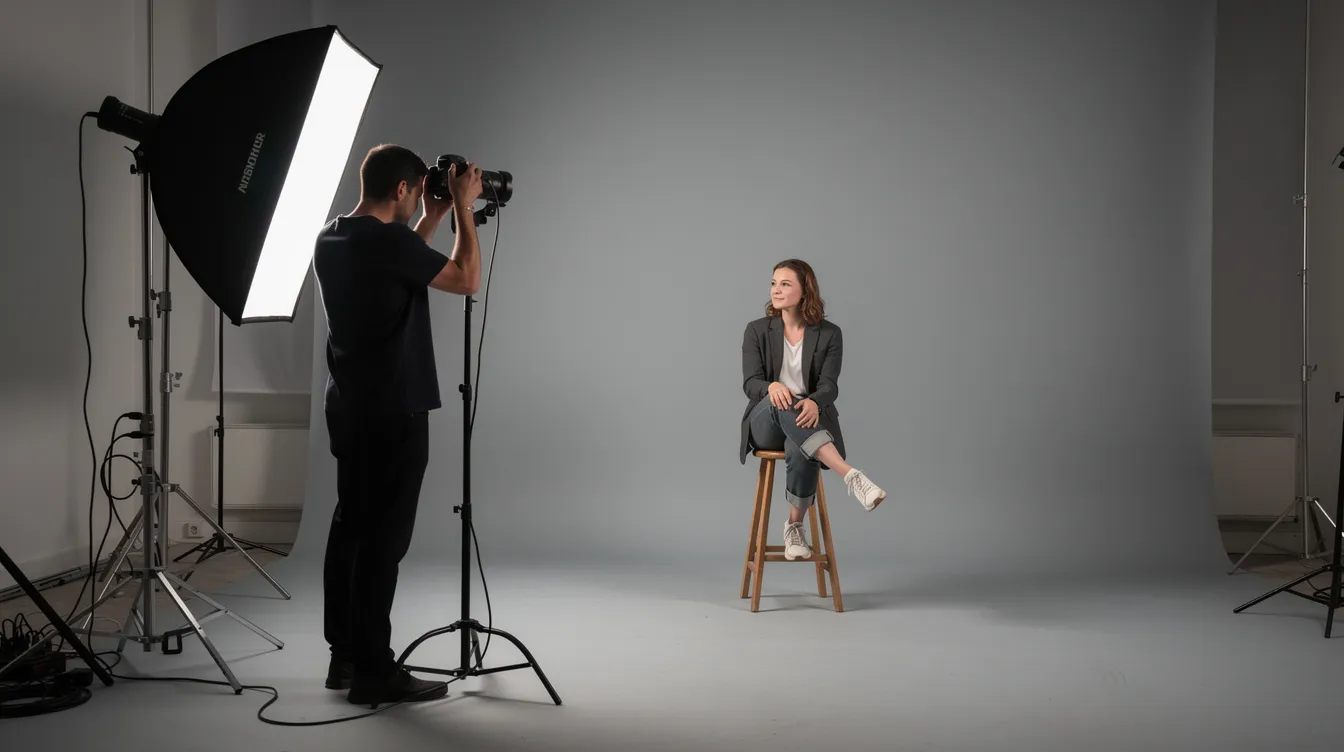
A typical session begins with a wardrobe review where the photographer and you finalize which tops or layers to shoot first. Then come test shots, where the photographer adjusts lighting, checks how your skin and clothes read on camera, and starts establishing rapport. A good headshot photographer will guide you through poses with simple, repeatable adjustments like chin down, eyes to lens, and a soft inhale rather than asking you to perform complex scenes in every frame. Natural light gives a film-like look while studio lighting looks more polished, and the photographer will choose based on the feel you are going for.
For drama school headshots, the emotional range during the shoot is subtle. You want to capture expressions that feel present, curious, open, and grounded. A few frames might lean more intense or playful depending on your type, but the core remains honest. Engaging expressions should be captured in headshot photography, and that usually means the photographer keeps conversation flowing to draw out real energy rather than manufactured poses.
Headshots by Gareth typically talks through type, current resume, and target programs early in the session to shape the direction of each look. If you feel nervous at the start, that is completely normal. The first 10 to 15 minutes of shooting often function as a warm-up before the strongest images appear. Most photographers expect this ramp-up period. If parents or guardians are present, giving the photographer and student space during the shoot helps the actor relax and connect directly with the camera.
How Many Looks and Images Do You Really Need?
Drama school applications rarely require more than one primary headshot, but additional images can serve you across other casting contexts. You should have at least two looks for a headshot session: one central drama school headshot and one alternate that leans slightly more commercial or more serious for summer programs, youth theatre submissions, or student film casting.
Overloading a drama school application with four or five very different actor headshots can look unfocused or brand-obsessed at the training stage. Admissions panels want to see clarity, not a portfolio of characters. From a single well-run session, it is realistic to expect a small set of strong final images, perhaps a handful of favorites, rather than dozens of equally usable shots. Most actors find that three to five strong selects cover their needs.
Headshots by Gareth typically helps clients narrow down to a concise selection that covers drama school submissions, online casting profiles, and early professional opportunities. Think in terms of “coverage”: do you have a clear drama school image, a general acting headshot, and perhaps a lighter shot for commercials or comedy? That framework is more useful than chasing sheer quantity of photos.
Retouching and File Formats for Drama School Applications
Subtle retouching preserves trust with drama school faculty and future casting directors. The moment a headshot looks digitally altered, it raises a question: what are you hiding? Casting directors prefer minimally retouched headshots for authenticity, and drama school panels apply the same standard.
Acceptable retouching includes evening out skin tone, smoothing stray hairs, removing temporary blemishes, and gently brightening eyes without altering their color or shape. Actors should lightly retouch their headshots for authenticity. Overly retouched photos can make casting directors distrustful, especially when the person who walks into the audition room looks noticeably different from the image. Retouching should not alter your appearance significantly from reality. Avoid blurred skin texture, changed face shape, unnaturally whitened eyes, or dramatically altered teeth.
For 2025–2026 applications, typical file needs include:
- High-resolution JPEG for printing (300 DPI, 8×10 compatible)
- Web-optimized JPEG for online portals (platforms like Spotlight in the UK require specific resolutions and file sizes)
- A black and white headshots conversion if a specific program requests it
Headshots by Gareth delivers files in audition-ready formats and can advise on cropping. Most casting directors strongly prefer headshots vertically oriented in portrait layout; a New York casting director survey found that 58% prefer vertical and 0% prefer landscape. Use professional naming conventions for digital files, such as Firstname_Lastname_Headshot_2026.jpg, for clean uploads and email submissions.
Using Your Headshots in Drama School Auditions and Beyond
Once you have your new headshots, integrate them across your entire audition package. Most programs ask applicants to upload a headshot with their digital application, and many still appreciate or require an 8×10 printed acting headshot attached to a resume at live audition days. Actors should print between 20 to 100 headshots at a time so they are prepared for a full audition season. Bring 20 to 100 headshot prints for auditions depending on how many schools and callbacks you anticipate.
For printing, use semi-gloss or luster paper. Avoid overly glossy stock that creates glare under audition room lighting, and avoid home-printed copies that can look unprofessional. Include your full name in a clean typeface beneath the image. This is a direct reflection of how seriously you take the process.
Update your online casting profiles, youth theatre listings, and early professional platforms with the same drama school headshot to maintain consistency. Headshots by Gareth often photographs young actors with an eye toward multi-year use, so the images can serve as marketing materials that evolve from drama school applications into early career submissions. Each summer, do a quick annual review: does the current headshot still match your look and training level, or is it time to book new headshots?
Common Mistakes in Drama School Headshots (and How to Avoid Them)
Many drama school applicants make similar avoidable errors with their acting headshots. Here are the mistakes that happen most often:
- Using outdated school portraits, selfies, or pictures from a family photo shoot instead of a professional headshot taken for acting purposes.
- Wearing heavy stage makeup that looks nothing like how you present in real life.
- Choosing busy patterned clothes, oversized jewelry, or branded logos that pull focus from the face.
- Extreme crops that cut off the top of the head, or landscape orientation when vertical is standard.
- Distracting backgrounds that compete with your expression instead of supporting it.
Emotional mistakes are just as common. Trying to “play a role” in every frame, such as a permanent intense villain face or exaggerated smiling, reads as artificial. Drama school faculty want to see a grounded, neutral version of you. Sending different-looking photos to each program with different hair color, style, or levels of retouching can confuse faculty as they compare applicants across lists.
Choosing a photographer who does not specialize in actor headshots often leads to images that feel like corporate portraits or lifestyle shots, not performing arts materials. Most people miss this distinction until it is too late. A great photographer who understands the industry will know how to capture the inside scoop of what panels actually look for. Headshots by Gareth focuses on avoiding these pitfalls through pre-session consultation and clear, actor-friendly direction in the studio.
When to Update Your Drama School and Acting Headshots
Headshots are a living part of an actor’s toolkit, especially during the teen and early-twenties years when appearance changes quickly. Actors should update their headshots every one to two years. Update headshots whenever you change your look significantly, whether that means a major haircut, a hair color shift, or a substantial physical transformation. Children should update headshots every six months, given how rapidly young faces change.
If audition panels or directors seem surprised by your in-person look compared with your photo, that is a clear sign you need new headshots. After the first year of drama school, many students choose to refresh their actor headshots to reflect new confidence, training, and type clarity. Your own headshot should always feel like a current, accurate version of you.
Headshots by Gareth often works with clients repeatedly as they move from college applications to drama school and into early professional credits, keeping visual materials aligned with growth. Schedule new headshots strategically in relation to audition seasons rather than scrambling at the last minute before major submissions. Having a great time during the session is easier when you are not under deadline pressure.
Working with Headshots by Gareth for Drama School Applications
Headshots by Gareth is a New York–based professional headshot photographer focused on actors, performers, and drama school applicants. A typical drama school session begins with a pre-session consultation where Gareth discusses your target schools, current training, and how teachers and peers describe your type. Wardrobe planning and on-camera coaching are tailored to your specific acting goals.
The approach is collaborative. Gareth listens to how you see yourself and what programs you are targeting, then shapes lighting and expression to stand behind your strengths. The studio style prioritizes clean, modern actor headshots with natural color, sharp eyes, and minimal but effective retouching suited to drama school panels and casting directors alike. The photography is designed so that images can play across digital portals and print with equal impact, whether faculty see them in a thumbnail grid or hold them at arm’s length during a callback.
If you are preparing for 2026–2027 drama school auditions, reach out to Headshots by Gareth to talk through timing, session structure, and how new headshots can support your application strategy. Even if you are not ready to book yet, you can contact Headshots by Gareth with questions about preparation and how to align your headshots with planned training and career paths. Getting started early gives you room to focus on scenes, monologues, and the fun parts of audition prep.
FAQ
Do drama schools require professional headshots, or can I use a good smartphone photo?
While some smaller programs may technically accept any clear photo, most reputable drama schools strongly prefer professional actor headshots because they reflect commitment and make it easier to evaluate applicants consistently. A carefully lit, professionally shot image from a good headshot photographer like Headshots by Gareth will print better, read better in thumbnail grids, and age better than even the best smartphone selfie. If budget is tight, students can discuss shorter or streamlined sessions with a professional rather than defaulting to DIY images. A great headshot communicates seriousness about the craft, and that impression matters when faculty are comparing hundreds of applicants.
Should my drama school headshot be in color or black and white?
In 2025–2026, most drama schools and casting directors prefer color headshots because they show skin tone, eye color, and overall presence more accurately. Only use black and white headshots if a specific program or instructor requests them, and even then usually as a secondary option. Headshots by Gareth shoots in color by default but can provide tasteful black-and-white conversions if needed for particular applications or portfolios.
Can I use the same headshot for drama school applications and professional auditions?
Many applicants successfully use one main acting headshot across drama school submissions, student films, and early professional self-submissions. As long as the image is current, professional, and representative of your type, it can function in both contexts, perhaps with different crops or backgrounds on various platforms. As training progresses and professional credits grow, actors may want a slightly more branded set of new headshots while still keeping an honest, drama school–friendly option on file.
What size should printed headshots be for auditions?
The standard industry size in the US remains 8×10 inches for printed actor headshots attached to resumes. Confirm whether each drama school prefers printed materials on audition day or relies entirely on digital uploads, as policies differ between programs. Print on semi-gloss or luster paper and avoid overly glossy or home-printed options that look unprofessional under audition room lighting. Your name should appear clearly on the front of every print.
How far in advance of my audition season should I schedule a headshot session?
Book your headshot session six to eight weeks before your earliest drama school deadlines to allow time for proofs, selection, retouching, and printing. Fall can be a particularly busy time for headshot photographers in New York and other major theatre cities, so booking earlier in the year, during late spring or summer, provides more flexibility and less stress. Headshots by Gareth can help applicants plan sessions around school schedules, rehearsal calendars, and standardized test dates to reduce pressure during peak audition preparation.