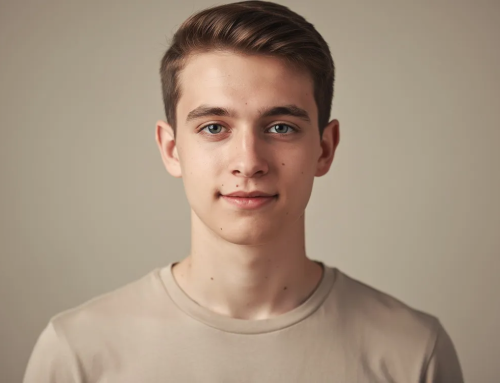
Key Takeaways
- Retouching actor headshots is about polish and clarity, not changing your face or casting type. Keep edits minimal and focus on authentic representations.
- Subtle photo retouching helps casting directors see you clearly and trust that your headshot matches the person who walks into the room.
- Typical adjustments cover skin, stray hairs, under-eye shadows, color, and backgrounds, while natural lines, features, and expressions should stay.
- Headshots should look polished, not overly perfect or artificial, and retouching should enhance realism rather than create unrealistic images.
- Discuss retouching preferences with your photographer beforehand so the final photographs reflect both your look and industry expectations.
Why Retouching Matters for Actor Headshots
Casting in New York now runs almost entirely through digital submissions. Casting directors reviewing a commercial breakdown might scroll through 400 to 1,200 headshots in a single sitting, spending two to three seconds per image. Your headshot needs to read clearly at thumbnail size, which means you need to adjust contrast to make facial features pop when creating digital thumbnails.
Modern cameras capture every pore, crease, and speck of lint. The camera freezes subtle things that nobody would notice in person: a bit of shine across the forehead, a scratch from yesterday, redness from a cold morning. Headshot retouching for actors should support truthful casting. Casting directors expect actors to look identical to their headshot during auditions, so the photo must still look like the person who walks into a Midtown audition on a Tuesday morning.
Headshots by Gareth builds retouching into the overall headshot session workflow, treating it as an important part of the process rather than an afterthought.
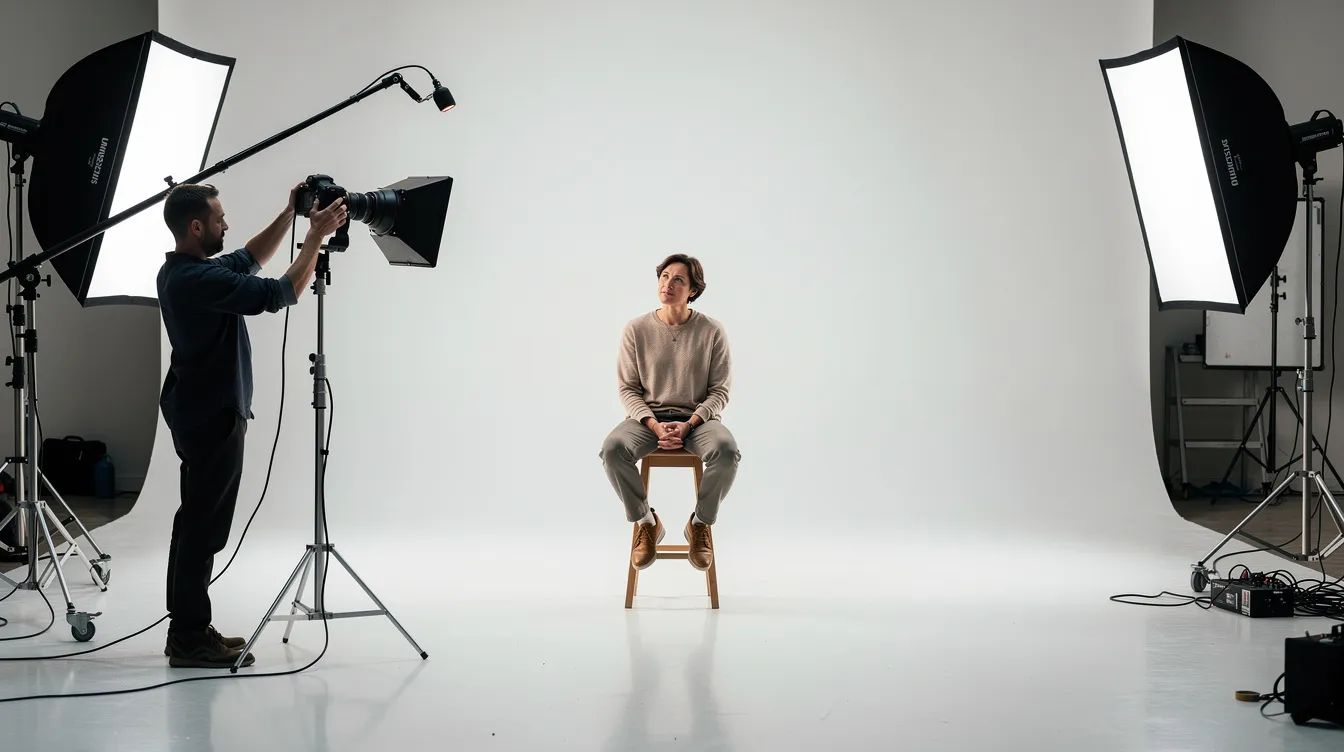
How Much Retouching Is Too Much for Actors?
Every actor feels the tension between wanting to look their best and staying honest to their type. The reality is that over-retouching can backfire. Bad retouching results in overly smooth skin and unrealistic eyes, and it is especially evident in printed headshots. When agents or casting directors compare a heavily edited image to the real person, trust erodes.
Concrete examples of photo retouching gone wrong include unnaturally white teeth, completely blurred skin texture, reshaped jawlines or noses, and flawless skin that no living person actually has. Excessive retouching can lead to unrealistic, blurred skin appearances that make you look like a model in a beauty ad rather than a working actor. Avoid excessive airbrushing that removes character features like freckles or laugh lines.
What does “just enough” look like? Reducing temporary blemishes, softening but not erasing under-eye shadows, and calming shine on the forehead and nose. Headshots by Gareth reviews proofs with actors and agrees on a realistic level of polish before the retouching process begins.
What We Typically Retouch in Actor Headshots
Each edit removes distractions so casting can focus on your eyes and expressions. Basic retouching removes distracting elements only. Here is what typically gets attention:
- Light blemish cleanup: spots, scratches, and temporary flaws. Keeping some blemishes can enhance the believability of headshots, so we do not erase everything.
- Stray hairs: tidying flyaways around the hairline and removal of single distracting strands across the face, without rebuilding a completely new hairstyle.
- Under-eye work: retouching includes removing deep blemishes and brightening under-eye circles, lifting harsh shadows from a long shoot day without erasing natural lines.
- Brightening eyes and whitening teeth subtly to avoid artificial effects, using local adjustment masks to enhance eye brightness and contrast.
- Reducing shine on the forehead and cheeks, cleaning lint or dust from clothing and background.
Permanent features like moles, freckles, and scars are only softened or removed if the actor specifically asks, because they are part of how you are cast.
The Retouching Process Step by Step
Headshots by Gareth follows a consistent, transparent workflow so actors know exactly what happens to their images.
After the headshot session, actors choose favorites via an online gallery. Gareth gives guidance based on expression, casting type, and the setting of each shot. Base corrections come first: exposure, contrast, and color balance adjustments ensure skin tone looks accurate whether the session was outdoors in Brooklyn or in a Manhattan studio. Ensure that lighting adjustments enhance the focus on the actor’s face during this stage.
The detailed headshot retouching pass includes localized skin cleanup, under-eye adjustments, stray hair removal, subtle eye and teeth brightening, and clothing smoothing. Minor optical distortions in images can be corrected using the liquify tool where needed. Quality retouching takes thirty minutes to one hour per photo, depending on detail and complexity.
Final image polish involves gentle contrast tweaks, minor background cleanup, and preparing high-resolution files at least 300 DPI in JPEG or PNG formats, sized correctly for casting sites and printing. Actors can request small tweaks after seeing proofs.
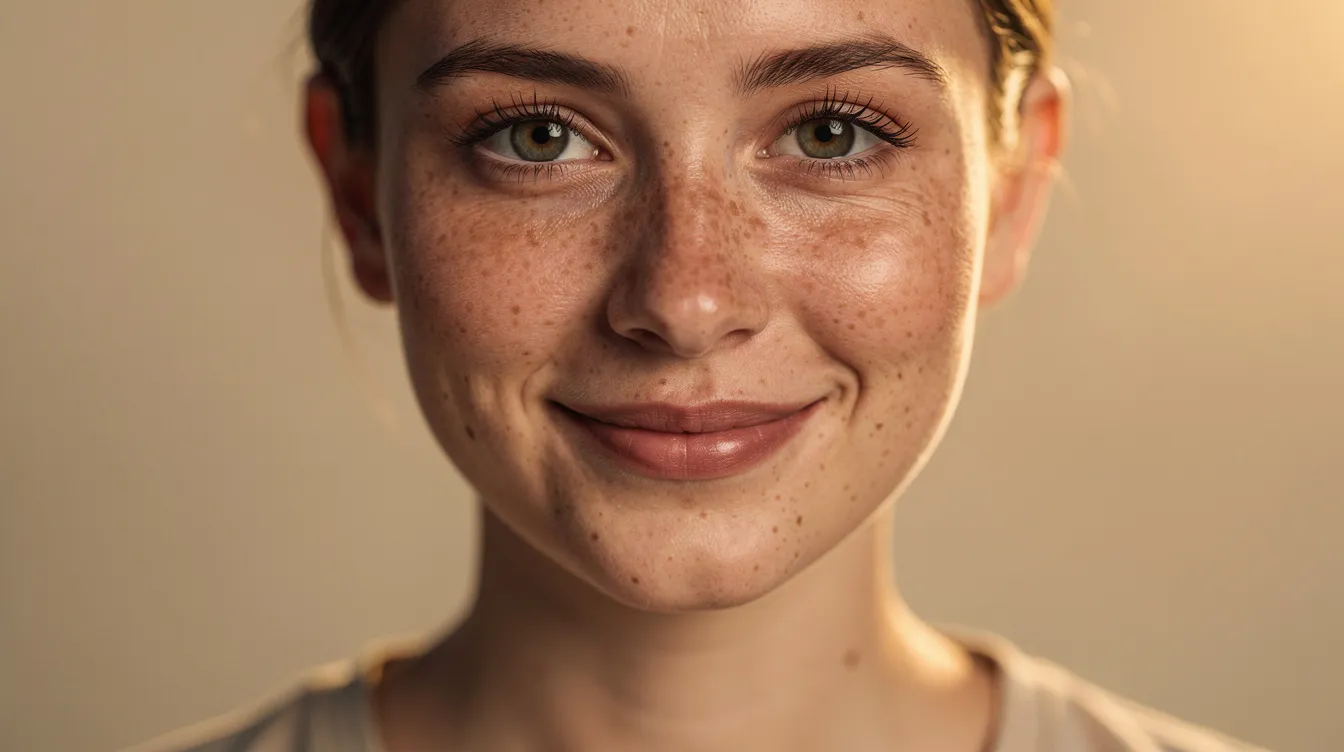
Balancing Natural Skin Texture and a Clean Finish
Realistic texture is crucial in actor headshots. Professional retouchers maintain natural skin texture and details so the photo still looks like a real human, not an airbrushed ad. Subtle skin smoothing should use frequency separation to retain natural texture, separating tone from detail so pores and fine lines remain visible.
Working at 100% zoom, using targeted healing and cloning instead of heavy blur, avoids the “plastic look” that immediately signals bad editing. Age lines and character details are preserved. Headshots by Gareth adapts the retouching style depending on whether the actor leans more theatrical or commercial, while always staying grounded in authenticity and a realistic finish.
Different Levels of Retouching: Light vs Detailed
Not every image from a headshot session needs the same level of work. Enhanced images focus on global adjustments, not fine details: color and exposure tweaks, gentle contrast, and small cleanup suitable for social media or a personal site.
Advanced retouching aims for perfection in your primary headshot, with image-by-image work that can take thirty minutes to one hour per photo. This includes precise skin work, hair cleanup, and expression emphasis. For example, an actor might spend time on a fully retouched theatrical headshot and a few lighter-edited lifestyle shots for Instagram.
Headshots by Gareth works with actors to decide which selects get more images with intensive editing based on current goals: a new agent search, pilot season submissions, or a grad showcase package.
Retouching for Different Acting Markets and Types
The style of retouching shifts depending on whether you work in theatre, film and TV, or commercials. Theatrical portraits benefit from slightly moodier contrast and restrained editing so emotion stays front and center. Commercial headshots call for a brighter, cleaner finish with more work on brightness and color balance for a friendly, energetic feel. Corporate headshots require a professional and reliable appearance.
Character specificity in headshot retouching should align with the type portrayed. Preserving ruggedness for character actors, keeping laugh lines for comedic performers, and retaining unique features in each category of performer all make an interesting difference in how you are perceived.
What Actors Should Decide Before Retouching Starts
Be intentional before sending final selects for editing. Clarify how you are most often cast-“young dad next door,” “edgy New York creative,” “sharp corporate lawyer”-so retouching supports that. Think about your non-negotiables: which scars or freckles should stay, how many wrinkles feel natural, what level of makeup you generally wear.
Gather feedback from your agent about what polish is expected in your particular market. I would guess that most actors recently overlook this step. Headshots by Gareth invites specific notes when clients submit their favorites so retouching reflects both preferences and industry expectations.
How to Talk to Your Photographer About Retouching
Many actors feel unsure how to ask for what they want without sounding demanding. No doubt about it: honest communication makes the difference between photographs you love and photos that feel wrong. Here are simple question prompts:
- How natural is your retouching style?
- What do you typically remove or leave?
- How many images receive detailed work per package?
- Can I review proofs before final export?
Share how you actually look on a normal day-your hair, pose habits, facial hair, skin-so editing does not drift from your everyday appearance. If you have sensitive areas you want handled with care, say so. Contact Headshots by Gareth with reference images or specific concerns to plan a retouching approach before you book your headshot session.

Frequently Asked Questions About Retouching Actor Headshots
Do casting directors mind retouched actor headshots?
Most casting directors in major markets expect a reasonable amount of retouching. Problems arise only when the image is heavily altered with reshaped features, extreme smoothing, or glamour that does not match your real-world look. Subtle headshot retouching focused on distractions is considered standard and professional. Retouching should maintain a realistic and believable appearance.
Should I retouch out every blemish and wrinkle?
Temporary blemishes like pimples and shaving nicks are usually removed because they will not be there for long. Wrinkles and expression lines are part of how casting directors understand your age and type, so they are generally softened only when they appear harsher in the photograph than in person. Headshots by Gareth encourages actors to specify anything they want to keep or reduce before the retouching process starts.
What if I change my look after my headshots are retouched?
Modest changes like a slightly different hairstyle or trimmed beard are usually fine. Major changes-going from long hair to a buzz cut, shaving a full beard, or a dramatic color shift-often mean it is worth planning a new session. If you know a big change is coming, perhaps in July or before a new season, schedule your shoot to coincide with the look you plan to keep.
Can you fix wardrobe issues in retouching?
Small problems like lint, creases, or a twisted collar can usually be corrected in post using Photoshop without the image looking fake. Large issues like ill-fitting jackets or very busy patterns cannot truly be fixed and are better solved during the shoot. Bring a few wardrobe options to your session so Headshots by Gareth can help you accomplish a clean, polished look with minimal digital adjustment.
How far in advance of auditions should I plan retouched headshots?
Allow enough time to book a session, shoot, select images, and complete thoughtful retouching. Do not wait until the last hour before an audition deadline. Share any firm showcase or submission dates when first contacting the photographer so the schedule works. Full retouching takes thirty minutes to one hour per photo, and you want to create space to review proofs without rushing. If you have last-minute needs, reach out to Headshots by Gareth to discuss whether a realistic turnaround is possible. It can transform your confidence walking into that audition knowing your materials are ready, and the benefits of planning ahead are worth every bit of effort you spend.