Your acting headshot does more heavy lifting than almost any other part of your marketing materials. It’s the thing casting directors see first, and for many roles it’s the only thing they see before deciding whether to bring you in. Yet actors often make common mistakes with headshots that quietly cost them auditions, sometimes for years without realizing it. This guide covers the biggest mistakes actors make with their headshots and, more importantly, how to fix each one.
Key Takeaways
- Your acting headshot is a casting director’s first filter. Small errors in how you choose, present, and use your photos can silently cost you auditions, and most of these mistakes are fixable without re-shooting.
- Common actor headshot mistakes range from bad file names and poor crop choices to outdated looks and over-editing. Many have nothing to do with camera quality and everything to do with decisions you make before and after the headshot session.
- Industry standards for New York actor headshots matter: 8×10 format for print, a current and accurate look, realistic retouching, and images shot by a professional headshot photographer who understands casting. Ignoring these reads as amateur.
- A good headshot works as your calling card. It must look like you today, match your casting type, and instantly communicate personality through your eyes and expression.
- Working with a specialist like Headshots by Gareth in New York can help you avoid these pitfalls and walk away with casting-ready images that actually get you in the room.
Why Actor Headshot Mistakes Matter More Than You Think
Picture a New York actor submitting for a co-star role on a streaming series in 2026. Their headshot shows smooth, poreless skin, a hairstyle they haven’t worn in two years, and a vaguely intense expression that doesn’t match the light comedy the show is casting. The casting director spends maybe a second on the thumbnail, registers something that feels off, and moves on to the next of 800 submissions in the pile. That actor never knows why they weren’t called in.
This is how missed opportunities work in the acting industry. Your acting headshots are your calling card-the image that represents you before anyone watches your reel, reads your résumé, or meets you. At thumbnail size on platforms like Actors Access and Backstage, only the quickest visual hooks survive: eyes, face shape, expression, lighting. Any red flag gets you skipped instantly, and most casting directors won’t circle back.
What makes this worse is that many damaging mistakes are not about camera quality at all. They’re about choices you make before and after the headshot session: how you select your photographer, what you wear, how images are edited, how files are named, and how you present them online. Every one of these is within your control.
Headshots by Gareth is a New York headshot specialist focused on helping actors avoid these subtle but costly errors, from planning the shoot through final delivery.
Choosing the Wrong Photographer (Or the Wrong Style For You)
One of the biggest mistakes actors make is hiring a general portrait or wedding photographer, or handing the job to a friend with a nice camera. A professional headshot photographer who specializes in actor headshots does something fundamentally different from someone who shoots engagement sessions or LinkedIn portraits. They understand what casting directors respond to, they know current industry standards, and they can direct your expression in ways that feel grounded rather than posed.
Choose a photographer who specializes in actor headshots. A professional photographer understands casting expectations and lighting in ways a generalist simply doesn’t. Before you book, read reviews and testimonials from other actors. Look at the photographer’s portfolio and check for red flags: heavy beauty retouching, fashion poses, Dutch angles, busy props, or lighting that screams glamour editorial rather than a grounded acting headshot.
What you want to see in a good headshot photographer’s portfolio is eyes in sharp focus, natural skin texture, true-to-life color, and a range of types-commercial, theatrical, character-that feel believable for real casting. A good photographer provides specific direction during the shoot, guiding micro-expressions and subtle shifts rather than just clicking the shutter.
Headshots by Gareth focuses specifically on New York actor headshots, directing expression and micro-movements during the session to capture authentic, casting-ready looks that skilled photographers build their reputations on.
Expression Issues: Blank, Forced, or Off-Brand Faces
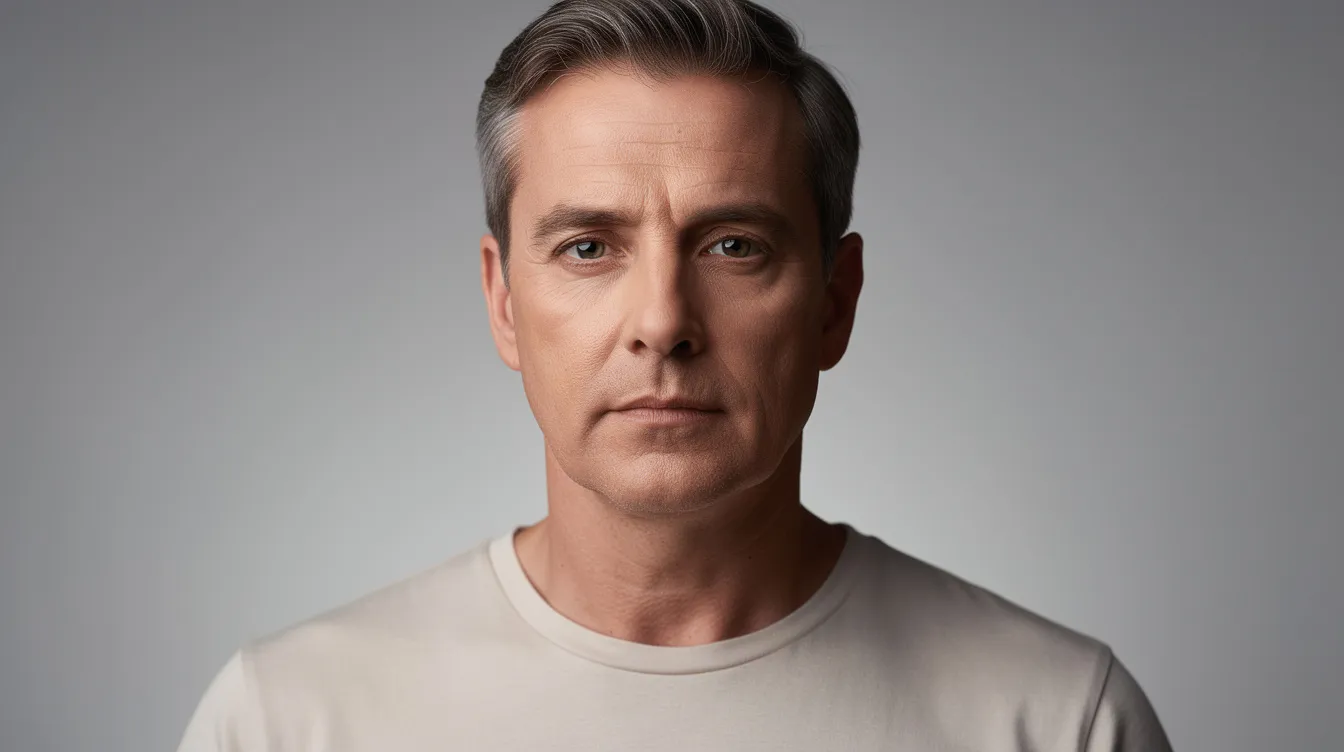
Expression is the number one actor-driven mistake, and it’s the one area where no amount of technical skill from your photographer can fully compensate if you aren’t engaged. Dead eyes, plastered smiles, or expressions that don’t match your usual casting type are common problems that many actors bring to their sessions without realizing it.
Casting directors prefer natural expressions over forced smiles. A relaxed expression conveys confidence to casting directors in a way that a stiff grin or overly sultry look simply cannot. Here are a few problem expressions to watch for:
- The “passport photo” blank stare with no inner life
- The social-media grin that’s all teeth and no thought
- Overly model-y or sultry expressions that belong in a different industry
- Heavy “character faces” that feel cartoony rather than grounded
Eyes should convey emotion to engage casting directors effectively. Instead of “posing,” think in specific circumstances. Imagine you’ve just booked a recurring role on a comedy. Let that thought live behind your eyes. This keeps the expression alive and connected, which is the thing casting directors respond to most.
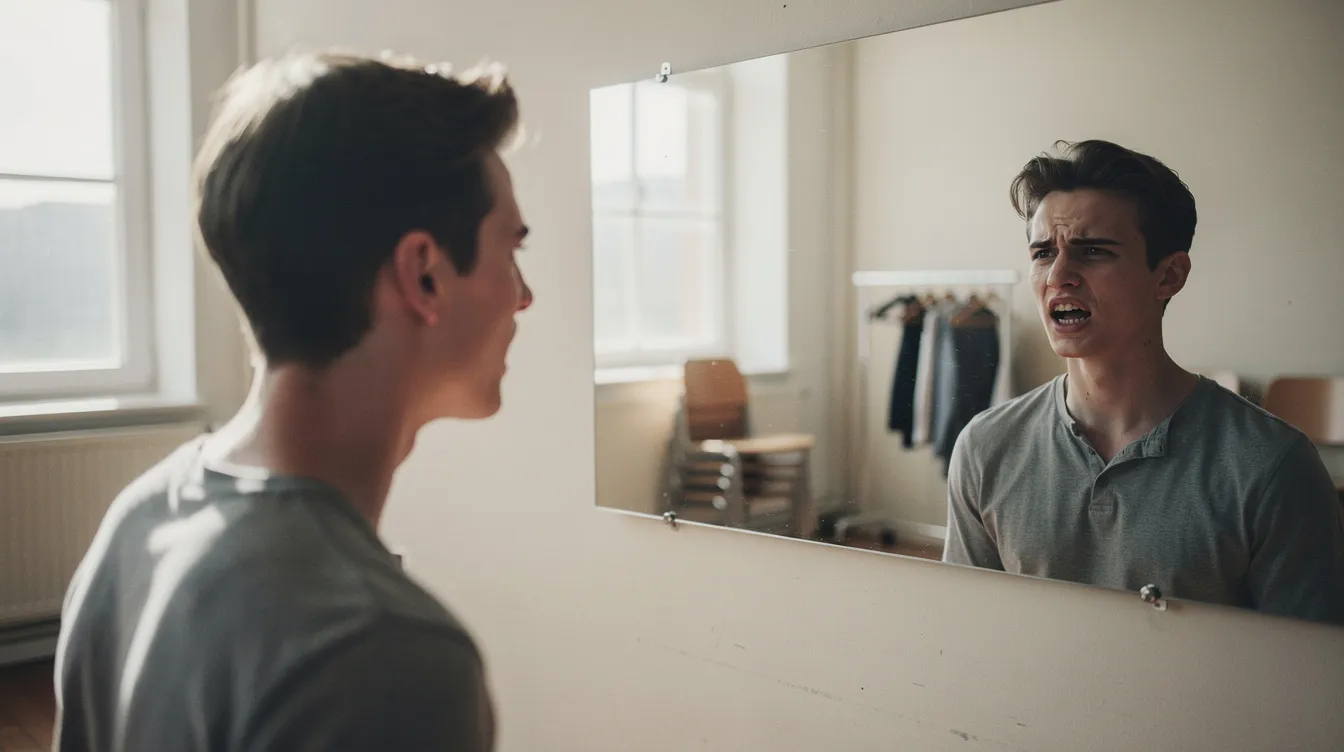
Natural expressions are crucial for an effective headshot. Your core headshot should reflect how you most often get called in-whether that’s a warm smile for commercial work or a grounded, thoughtful look for dramatic roles. Practicing expressions in front of a mirror can improve headshot quality significantly, and experimenting on self-tape in the week before your photo session helps you find those micro-expressions quickly. Stiff posture can make headshots feel disconnected and uninviting, so keep your body relaxed and your shoulders soft.
Photographers like Headshots by Gareth will coach you through this during the shoot, helping you find the real you rather than a version you think the camera wants.
Wardrobe and Styling Mistakes That Distract From You
Your clothes, hair, and makeup should support your casting type and face, not fight for attention. In a tight crop, even small wardrobe choices can draw attention away from your expression and eyes.
Classic wardrobe mistakes that casting teams notice immediately:
- Wearing busy patterns that distract from your facial expressions
- Neon colors or big logos that overpower your face
- Deep black turtlenecks that swallow your neck and jawline
- Off-the-shoulder tops that look like you’re nude in a tight crop
- Using pure white clothing, which can wash out the actor’s face in photos
- Clothing that doesn’t match the roles you actually audition for
Hair and makeup errors are equally damaging. Full glam with heavy contouring, trend-driven looks like extreme brows that will date the photo, or hair styled in a way you never wear to auditions-these all create a disconnect between your headshot and real life. A good makeup artist keeps things natural and camera-ready, not editorial.
Wardrobe should consist of solid colors that complement your skin tone and eyes. Bring 2–4 options that suggest type-teacher, young lawyer, Brooklyn creative-without screaming costume. Avoid ultra-trendy pieces that will look dated fast. In a Headshots by Gareth session, actors are encouraged to bring several options, and the photographer can help quickly choose what reads best on camera for their acting career goals.

Technical and Cropping Mistakes That Scream “Amateur”
Even with a strong performance and wardrobe, technical issues can undermine your acting headshot and turn off casting directors who see polished, professional images all day. Using low-quality photos can damage your professionalism as an actor faster than almost any other mistake.
Poor lighting is one of the most common technical problems. Lighting should be soft and even to enhance features. Harsh shadows, uneven exposure, or the absence of catchlights-those small reflections in the eyes-drain life from the image. A subtle catchlight in the eyes adds warmth to headshots and keeps the viewer’s gaze where it belongs. Whether you’re shooting with studio lighting or natural light, the goal is a well lit image that flatters without distorting.
Bad crops are another frequent issue. Too much body reduces the impact of your face at thumbnail size. Cutting off the chin awkwardly, leaving tons of empty headroom, or not considering how casting platforms auto-crop your composition all work against you. Headshots should be cropped tightly at eye level, with your eyes above the center line and enough negative space for platform crops. The ideal framing for modern actor headshots is head and shoulders or to mid-chest.
Lens choice matters too. Wide-angle lenses used too close can distort facial proportions, fattening the nose or warping the jawline. Most photographers working in the headshot space shoot with portrait-range lenses (85mm–135mm) for natural, flattering perspective. A professional headshot photographer will shoot with correct orientation, resolution, and aspect ratio to meet industry standards and avoid pixelation on casting sites.
Backgrounds That Compete With Your Face
Your background is part of the storytelling, but distracting backgrounds can shift focus away from your face-and that’s a no no in any headshot. The biggest mistake is choosing settings that steal attention from your eyes and expression.
Backgrounds should be simple and not distracting. Common background problems include:
- Overly textured brick or graffiti walls with competing visual detail
- Bright, saturated colors directly behind your head
- Crowded street scenes with recognizable signage
- Trendy filters or color washes that will look dated in two years
A simple background works because it gives context or tone-a New York feel, a corporate vibe, a creative edge-while keeping the viewer locked on you. Subtle outdoor headshots with soft bokeh or a clean white backdrop in the studio both accomplish this in different ways. Outdoor headshots can look gorgeous, but only when the environment doesn’t compete.
Avoid harsh contrast between wardrobe and background. A dark shirt on black seamless or a neon top against a neon wall makes your face the least calm area in the frame, which is exactly backward. Headshots by Gareth chooses backgrounds and lighting combinations that complement your casting type and wardrobe, not just what looks cool in isolation.

Over-Retouching and Unrealistic Skin
Over-retouching is one of the most damaging common mistakes in the acting world, because over-retouching can make you look unrecognizable to casting directors. When a casting director sees your digital headshot on screen and then you walk into the room looking noticeably different, trust drops immediately. That’s a first impression you can’t undo.
What “too much” retouching looks like:
- Plastic skin with no pores, lines, or texture
- Blurred under-eyes that erase natural dimension
- Reshaped jawlines or noses using liquify tools
- Color grading that changes your true skin tone
- Over-brightened or over-sharpened irises that look artificial
A good headshot should be minimally retouched. The goal is to clean up temporary blemishes-a breakout, stray hairs, lint on clothing-while preserving everything permanent: freckles, laugh lines, birthmarks, the features that make you look like you. Ask photographers about their retouching style before hiring. If their portfolio looks like every actor walked out of a skincare commercial, that’s a red flag.
Reputable headshot photographers like Headshots by Gareth deliver professionally retouched images that still look like you on your best, well-rested day. The retouching preserves your true essence rather than creating a different person. Before your session, it’s worth comparing your headshot against recent phone photos to make sure the two are in the same way recognizable.
File Naming, Sizes, and Printing: Small Details, Big Impact
In the digital-first casting world, sloppy file handling can make you hard to find, mis-labeled, or simply less professional than the competition. These are small details that make a huge difference.
File naming is the easiest fix. Rename files from generic camera codes like DSC_0472.jpg to something like FirstName-LastName-Headshot-2026.jpg. When a casting director sees all those photos in a folder, yours should be instantly identifiable.
For file size and format, keep high-resolution originals (300 dpi for 8×10 print standard) and separate web-optimized copies for submissions. Tiny compressed files that pixelate when enlarged signal amateur. When hard copies are needed, printed headshots should be on semi-gloss photo paper at the 8×10 size with your name in the border-not on regular 8.5×11 office paper. Headshots vertically oriented in the standard portrait format remain the norm.
Many New York headshot photographers, including Headshots by Gareth, can recommend reliable print labs and provide correctly sized files for online platforms and print runs, so you don’t have to guess at the specs.
Using Outdated or Misleading Headshots
Outdated actor headshots are a major trust-breaker. Common mistakes include using outdated photos or excessive editing, and both signal the same thing to casting: this actor isn’t showing me who they really are. Outdated headshots can mislead casting directors about your appearance, and once that trust breaks, it’s hard to rebuild.
Actors should update their headshots every 1–2 years, especially in their 20s and 30s when appearance can shift more quickly. Later in your career, every 2–3 years may be sufficient unless there’s a significant change. New headshots are needed after significant appearance changes-a major haircut, growing or shaving a beard, notable weight shifts. A headshot should reflect your current look and brand at all times.
Regular updates show professionalism and investment in your craft. Your headshot should match how you actually walk into the room in 2026: the same hairstyle family, the same vibe, the same general age range and energy. Using old college showcase images or heavily stylized shots from a very different phase of your acting career is a recipe for confusion, even if you still like how you look in them.
If you consistently hear “you look different from your photo,” schedule new headshots immediately. Headshots by Gareth helps actors update their look without losing their recognizable brand.
Mis-Matching Your Headshot to Your Casting Type and Materials
Your actor headshots, résumé, and demo reel should all tell the same story about your casting type and where you fit in the market. When they don’t align, casting teams get confused, and confusion usually means they move on to someone clearer.
A common mistake: using a moody, intense theatrical headshot as your main image while your reel and credits are mostly comedy, or the other way around. This mismatch is one of the same mistakes actors repeat across submissions without realizing the damage. Your right headshot should clearly play in the lane you’re targeting.
Identify 2–3 core types-grounded nurse, tech professional, smart but vulnerable lead-and make sure each main headshot serves one of those categories. Use different headshots strategically: a warm smile as your primary for commercial and co-star submissions, with more serious alternatives for drama or crime procedurals. Your best photo for one type of role is rarely your best photo for another.
During a Headshots by Gareth session, you can plan distinct looks and moods to cover the main roles you’re targeting in the New York market, from the acting scene in theater to on-camera work, and then deploy them consistently across platforms.
Skipping Preparation Before Your Headshot Session
Showing up to a headshot session tired, stressed, or under-prepared is a preventable mistake that shows up clearly in your eyes and posture. Most actors underestimate how much prep impacts the final result.
Simple headshot tips for the days before your session:
- Aim for 7–8 hours of sleep the night before
- Hydrate well for a couple of days leading up to the shoot
- Avoid alcohol and very salty foods that cause puffiness on camera
- Plan wardrobe at least a week ahead: try on outfits, take test phone photos in natural light, and narrow down to a focused set
- Rehearse expressions and eyelines on self-tape, experimenting with small shifts-curious, confident, amused, determined-so you can call them up quickly during the shoot
If you feel awkward in front of the camera, that preparation makes a big difference. Knowing your angles and expressions ahead of time means you spend less session time warming up and more time capturing your best shots.
Seasoned photographers like Headshots by Gareth will guide pose and expression, but your personal preparation is what makes the session efficient and produces more usable shots per look. Many photos from a session are technically fine but emotionally flat-preparation is what separates a good headshot from a great headshot.
Ignoring Feedback From Industry Eyes
Another frequent mistake is choosing your own headshots purely based on emotion-“I look great in this one”-instead of considering what casting directors and reps actually respond to. Your own headshots may look flattering to you while missing what the industry needs to see.
Feedback from peers or acting coaches can help select effective headshots that actually get you called in. If you have an agent or manager, their input is vitally important. If you don’t have representation yet, lean on an acting coach or a small circle of working actors who understand current New York casting trends.
Crowdsourcing decisions on social media is generally a bad idea. Friends and family will prioritize flattering or stylized shots that may not read as strong casting material. The best photo to your mom is rarely the best photo to a casting director.
Narrow down to 10–15 contenders from your headshot session before seeking notes, so feedback stays focused and manageable. Some photographers, including Headshots by Gareth, can offer guidance on which images align with current industry standards and how most casting directors tend to respond.
Putting It All Together: How to Get a Casting-Ready Headshot
The main mistake categories come down to a short list: wrong photographer, weak or off-brand expression, distracting wardrobe and backgrounds, bad cropping, over-editing, outdated images, and sloppy file and printing choices. None of this is about being “photogenic.” It’s about clarity, authenticity, and professionalism that make casting directors feel confident bringing you in. Poor lighting, careless retouching, or an image that doesn’t match your real life appearance can each quietly close doors you never knew were open.
Treat your next headshot session like a key step in your acting career. Plan your looks and types in advance. Respect industry standards for presentation. Remember that most photographers deliver around 8–10 strong retouched files across looks, so your job is to make every frame count through preparation and engagement.
Whether you have an audition coming up or you’re building toward a stronger 2026 submission season, the perfect acting headshot starts with avoiding the mistakes outlined here. If you’re based in or visiting New York, reach out to Headshots by Gareth to discuss your goals, looks, and timelines for new headshots. One strong, accurate acting headshot can quietly open doors throughout 2026 and beyond when it’s used smartly and kept up to date.
FAQs
How often should I update my actor headshots in New York?
Most working actors in New York update headshots every 1–2 years in their 20s and 30s and every 2–3 years afterward. If you’ve had a major change-new hair, different facial hair, noticeable weight shift-update immediately regardless of timeline. The clearest sign you’re overdue is when casting teams or reps comment that you look different from your photo. That feedback means your current image is actively working against you, and it’s time for a new headshot session.
How many different headshots do I really need?
Most actors need 2–4 core looks: a friendly commercial shot with a warm smile, a grounded theatrical shot, and possibly one or two more targeted types like a corporate professional or edgy indie creative. Having too many nearly identical shots confuses rather than helps. A small, clearly differentiated set that you use strategically for different submissions will serve your acting career far better than many photos that all look vaguely the same.
Can I use the same headshot for theater and on-camera roles?
You can often start with the same base image, but theater sometimes tolerates a slightly wider crop and a bigger, more expressive energy, while on-camera casting leans toward tighter framing that highlights the eyes. At minimum, keep one more neutral, grounded shot for TV and film alongside any slightly more expressive headshot you use for stage submissions. The difference doesn’t have to be dramatic-small shifts in expression and framing can cover both.
Is black-and-white still acceptable for acting headshots?
In 2026, color is the standard for actor headshots on major casting platforms. Black and white headshots can feel dated or more suited to editorial and fine-art contexts. Save black-and-white versions for personal branding or social media if you like the aesthetic, but stick with color for all casting submissions unless a rep specifically requests otherwise.
What’s the best way to start planning a session with Headshots by Gareth?
Make a short list of your target casting types and recent credits. Gather a few reference headshots you admire from other actors in similar categories. Then contact Headshots by Gareth to discuss your options. A brief consultation helps align wardrobe choices, backgrounds, and expressions with your goals so the session avoids the common mistakes outlined in this article and delivers images that work from the first submission.