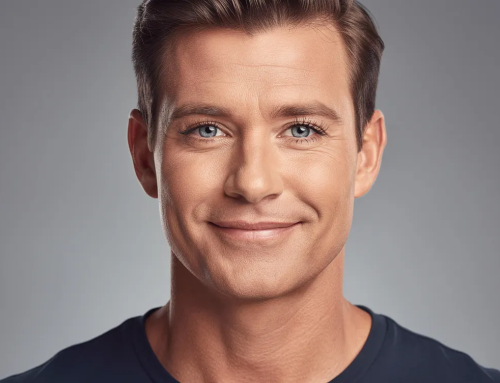
Your dance headshots are the first thing casting directors, agents, and program panels see when your application lands in their inbox. In a city like New York, where hundreds of submissions arrive for a single audition, the quality and authenticity of that image can determine whether you get called in or passed over. This guide covers everything dancers need to know about planning, shooting, and using headshots that actually work.
Key Takeaways
- Dance headshots are your first impression in any audition or submission process. A polished headshot can influence casting decisions significantly, so treat it as seriously as your technique.
- Headshots by Gareth in New York focuses specifically on dancer headshots and audition photos that balance personality and professionalism across ballet, contemporary, commercial, and musical theatre lanes.
- Preparation matters as much as the shoot itself. Wardrobe selection, hair, makeup, and posing practice all shape the final result.
- Dancers should have different headshots showing various looks-classical, theatrical, commercial-so each submission matches the project you are pursuing.
- Contact Headshots by Gareth to plan a session tailored to your specific dance and audition goals before your next deadline hits.
What Makes a Great Dance Headshot (And Why It Matters)
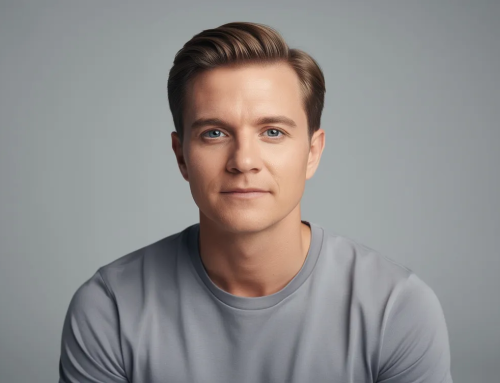
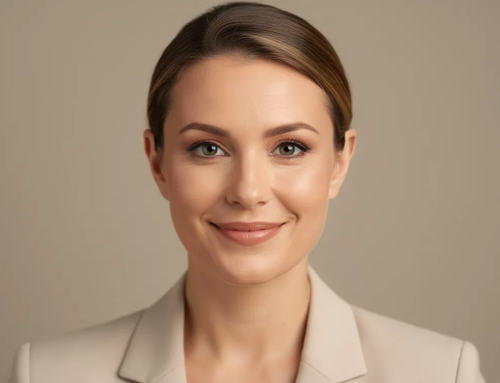
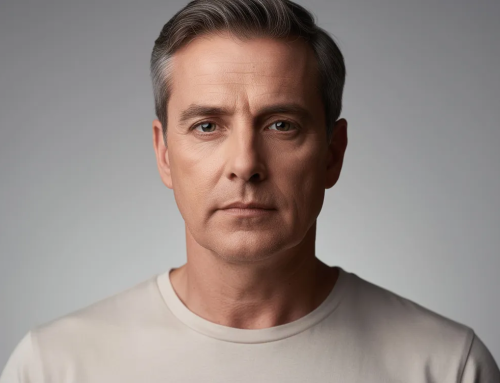
In the current audition landscape, most casting decisions for intensives, companies, and commercial gigs begin with a thumbnail image: your dance headshot. Casting directors may spend as little as eight seconds per photo during initial reviews, quickly assessing details like age, ethnicity, and whether your look fits their production. A good headshot should be a close-up of your face-not a full performance shot, not a glamour portrait-that captures your unique artistic essence and storytelling ability through the eyes.
The difference between a standard corporate professional headshot and a dancer headshot comes down to presence. Dance photos used for auditions carry more expression, more story, but remain clean and honest. Your dance headshot distinguishes you from action shots by showcasing personality, while a full body shot separately demonstrates your physical capability. Directors prefer headshots that accurately represent the dancer’s appearance, so what you submit must look like what walks into the room. A high-quality image establishes professionalism and recognition in auditions, and natural expressions paired with confidence are what make the photo effective.
Headshots by Gareth builds each session around the dancer’s real personality-whether your lane is musical theatre, concert contemporary, commercial, or ballet-so images feel authentic rather than generic.

Choosing the Right Photographer for Dancer Headshots
Not every photographer understands the subtleties of dance photography. Dancers benefit from working with someone who reads posture, neck lines, turnout, and how tension can creep into the jaw and shoulders during still frames. Choose a photographer with a dance background or demonstrated experience shooting performers. Look for photographers who understand dance technique and can direct micro-adjustments that a generalist would miss.
When you search in New York, review multiple photographers’ work before making a decision. Look at portfolios of Broadway and off-Broadway performers, ask choreographers or studio directors for a recommendation, and pay attention to varied expressions, consistent lighting, and skin tones that look natural across different subjects. Before booking, ask about session length, number of looks, how many edited images are included, turnaround times, and whether digital files are optimized for online submissions as well as high quality paper print formats.
Headshots by Gareth regularly works with dancers, actors-who-dance, and triple-threat performers and can guide you toward looks that match agents’ and casting directors’ current expectations.
Prepping for Your Dance Headshot Session
The week before your audition photo shoot is when you shape the result. Get a good night’s rest before the shoot-fatigue shows in your eyes and posture immediately. Avoid drastic haircuts or color changes within five to seven days so you are comfortable styling your own hair on shoot day.
Gather reference images using Pinterest and Instagram. Save dance headshots and audition photos you admire, noting expressions, crops, and energy you want to emulate. Write down what you are auditioning for in the next six to twelve months-summer intensives, contract auditions, cruise lines, Broadway replacements-so you and the photographer can plan specific looks together. Headshots by Gareth encourages clients to email a small mood board before the session so lighting, background, and styling align with your career goals.
Wardrobe for Dancer Headshots and Audition Photos
Bring three to five options for tops: solid colors, clean necklines, and fabrics that do not create distracting wrinkles or reflections under studio lighting. Solid-colored clothing that complements your skin tone is advisable, and patterns are a no-go for audition photos-they pull focus from your face and can date the image quickly.
How wardrobe choices break down by goal:
- Classical ballet dancers might choose simple leotard lines and soft colors, paired with pointe shoes for any full-body dance photos where directors need to see your turnout and feet clearly.
- Contemporary and commercial dancers might lean toward fitted streetwear that lets your personality come through.
- Musical theatre dancers may bring one more polished, casting-office look alongside something warmer and more casual.
Avoid busy patterns, large logos, and overly trendy pieces that could feel stale by late 2026. Headshots by Gareth will help you choose final outfits on the day based on how each color works with your skin tone, eyes, and the chosen background.
Hair, Makeup, and Grooming for Dancers
The best dancer headshots look like you on your most rested rehearsal day, not a costumed stage performance. Casting directors prefer moderate, street-style makeup for dance headshots-light foundation, subtle contour, defined eyes without heavy lashes, and lip color close to your natural tone so expression stays the focus. Use moderate makeup for headshots, avoiding heavy styles that obscure your features.
For men and masc-presenting dancers: light grooming of brows and facial hair, matte products to reduce shine, and minimal concealer for under-eye circles if needed. For hair, photograph both a down-and-natural look and a clean low bun or ponytail in a single session so you have options across disciplines. Headshots by Gareth can advise on small, on-the-day tweaks-taming flyaways, adjusting a parting-while keeping styling simple enough for you to recreate before any audition.
Posing, Expression, and Working the Camera
Even though dance photography often aims to capture jumps and lines, dance headshots stay mostly from shoulders up. Micro-poses and expression matter more than extensions here. Practice small movements in front of a mirror: tiny chin shifts, soft engagement through the neck, relaxed mouth, and eyes that feel alive rather than forced.
Different paths call for different energy. Concert dance might need grounded, thoughtful images. Commercial and pop work often rewards brighter, more playful personality. Theatre dancers may want one serious and one warm, approachable look. Between frames, exhale, roll shoulders down and back, and think of lengthening through the spine the way you would in class. Great dancer headshots capture your storytelling ability through the eyes, and a photographer like Headshots by Gareth uses movement-based prompts so the pose feels natural instead of stiff.

Studio vs. Location: Where to Shoot Your Dance Headshots
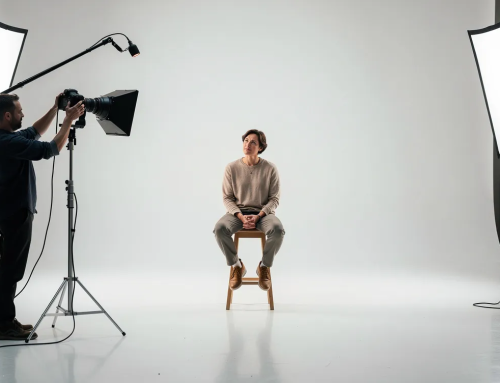
New York dancers can choose between clean studio backdrops and location-based portraits. A clean and neutral background in headshots keeps the focus on the dancer, making studio shoots the safer choice for agency submissions and company applications. Studio sessions also allow faster outfit and hair changes.
Location options-subtle brick in Chelsea, soft greenery in Central Park, modern glass near Lincoln Center-work well for social media branding or a more cinematic feel. Consider where your images will live: agency portals, Playbill listings, or your own website. Headshots by Gareth can shoot in studio or on location and help decide the best environment based on your brand and the season.
How Many Looks and Images You Really Need
Most dancers do best with more than one look. Multiple headshot styles can enhance marketability for diverse projects, and a good headshot can help casting directors identify a dancer’s versatility. A simple structure works:
- One clean, neutral professional headshot for agency or company submissions.
- One more characterful or theatrical shot that lets you showcase range.
- Optionally, one commercial or cinematic look.
Full-body dance photos-an arabesque shot, a jump, or a contemporary line-can often be captured at the end of a headshot session if the photographer plans for it. Quality over quantity matters: a small, well-edited set of images that all feel like you is more useful than dozens of similar frames collecting dust. Headshots by Gareth helps dancers narrow down selections so they end up with a concise set of audition-ready images.
Using Your Dance Headshots Effectively
Even the best dancer headshot won’t help if it only lives on your phone. Upload to agency and company portals, attach to audition emails, and optimize crops and file sizes for casting platforms that serve New York and touring productions. When submitting, make sure your photo meets the format specifications each platform requires-you should not have to guess about dimensions.
For print needs, some auditions and programs still request physical audition photos on high quality paper, which is why high-resolution files from your photographer matter. Consistent imagery across your website, Instagram, and resume materials builds a recognizable personal brand for choreographers, potential employers, and casting teams. Headshots by Gareth provides versions of files suitable for both web and print so every base is covered.
Common Mistakes Dancers Make With Headshots (and How to Avoid Them)
A few pitfalls come up repeatedly:
- Outdated images that no longer reflect current hair, body type, or style. Refresh headshots every twelve to twenty-four months or after major appearance changes. Recent professional headshots that accurately reflect your appearance are essential for every audition.
- Over-retouching where skin texture disappears, eyes look unnaturally bright, or features are altered so directors feel misled when they meet you in person. The photo should enhance your look, not fabricate it.
- Wardrobe and styling errors like busy prints, overly dramatic stage makeup, or hairstyles you would never wear to a casting room. Keep everything aligned with how you actually show up in life.
Working with a photographer like Headshots by Gareth, who understands these industry expectations, helps dancers dodge these issues from the start.
Booking a Dance Headshot Session with Headshots by Gareth
When you feel ready to update your audition photos, plan the session early-before application deadlines stack up. A typical booking conversation covers upcoming auditions or programs, desired number of looks, studio versus location preferences, and any specific dance photos needed such as a clean tendu line, a jump, or a character shot.
Headshots by Gareth is based in New York and regularly works with dancers from local studios, conservatories, and touring companies passing through the city. Reach out via the contact form or email to compare available dates and discuss how to tailor the session to ballet, contemporary, jazz, tap, or musical theatre goals. Once a session is confirmed, you will receive preparation guidance so you arrive confident and ready to create fresh, strong images that serve your dance career for the season ahead.
FAQ
How far in advance of audition season should I schedule dance headshots?
Dancers in New York should try to book their audition session four to eight weeks before major audition periods-summer intensives, fall company auditions, or spring musical theatre casting. That window gives you time for shooting, selecting final images, and retouching. Headshots by Gareth can sometimes accommodate tighter timelines, but early booking offers more flexibility with dates and locations.
Do I really need professional headshots if I’m still a student?
Serious pre-professional dancers applying to competitive intensives, college dance programs, or youth companies benefit from clean, professional dancer headshots by their mid-teens. A professional headshot at this stage signals commitment to potential employers and program directors. Younger students can start with simpler sessions focused on one or two looks. Headshots by Gareth regularly works with both students and working professionals.
Can I combine headshots and full-body dance photos in one session?
Yes. Many dancers book a session that began with close-up dancer headshots and ends with full-body dance images-arabesques, jumps, or contemporary lines. Discuss this in advance so the right photographer can plan lighting, flooring, and wardrobe changes that work for both styles of dance photography. Having everything in one shoot saves time and keeps your images visually consistent.
How often should I update my dancer headshots?
Most working dancers refresh headshots every twelve to twenty-four months, or sooner after a significant change in hair length, color, or overall look. The image on your resume should match how you appear when you walk into a casting room. If you look at your current picture and think “that was me last year,” it is time to book a new session.
What if I’m nervous or uncomfortable in front of the camera?
Many dancers feel confident on stage but find still photography awkward-this is completely normal. A photographer experienced with dancers will guide you through poses, use movement-based prompts, and allow warm-up shots so your personality gradually comes through on camera. Think of it less as standing for a photo and more as a fun, collaborative artist session where the goal is simply to capture who you are at your best.