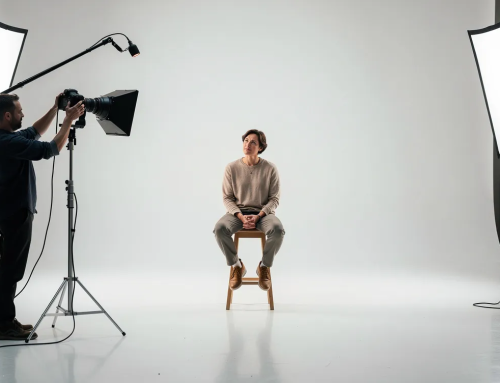
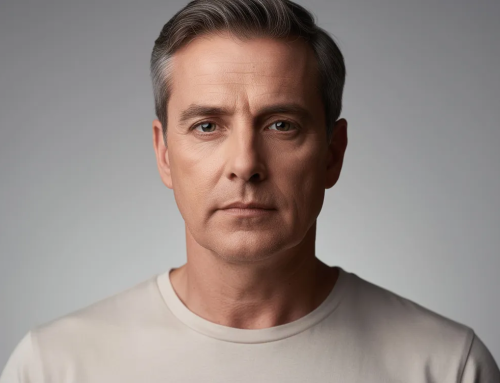
If you’re submitting for work in New York, your headshots are doing your first audition for you. The difference between commercial headshots vs theatrical headshots is not cosmetic. It is strategic. Understanding what each type communicates to casting directors, agents, and producers is what separates actors who get called in from actors who get scrolled past.
Key Takeaways
- Actors often use a mix of commercial and theatrical headshots because each type serves a different segment of the entertainment industry. Commercial headshots sell your approachable, bookable side for advertising and lifestyle work, while theatrical headshots sell your depth and range for film, TV, and stage work.
- Casting directors in New York expect separate looks for commercial and theatrical submissions on platforms like Actors Access, Casting Networks, and Backstage.
- The main visual differences between commercial and theatrical headshots come down to facial expression, lighting, color choices, and clothing.
- One well-planned session with a photographer like Headshots by Gareth can capture multiple acting headshots covering commercial, theatrical, and even comedic variations, saving time and money.
- Using the wrong headshot for a submission can lead to miscasting in auditions and fewer callbacks.
What’s the Difference Between Commercial and Theatrical Headshots?
Commercial headshots exist to get you into the room for ads, print campaigns, brand spots, and lifestyle work. Theatrical headshots, sometimes called legit headshots, exist to get you seen for narrative projects: TV series, streaming dramas, Broadway and Off-Broadway plays, and indie films. They are different marketing tools, not just different crops of the same image.
Think of it this way: a bright, smiling commercial headshot could help you book a national spot for a coffee brand or a healthcare campaign. A moodier theatrical headshot with more depth and a grounded expression is what might land you a callback for a Law & Order procedural or a Succession-style drama. These images tell casting directors different things about who you are and what you can do.
They are not interchangeable. A brooding theatrical headshot will feel wrong when submitted for a cheerful family-brand commercial. An overly sunny commercial headshot will read as out of place for a gritty HBO drama. Many New York headshot photographers, including Headshots by Gareth, routinely plan both commercial and theatrical headshots in a single session so actors can cover all major casting needs without booking separate shoots.

What Is a Commercial Headshot?
A commercial headshot is a warm, relatable image used for TV commercials, web spots, print campaigns, and lifestyle ads. It should feel like someone a viewer could instantly trust or befriend. Commercial headshots are designed to appeal to the advertising industry and aim to sell products to specific demographics, so they need to project high-energy positivity.
The desired facial expression is a genuine smile, often with teeth, paired with bright eyes and approachable body language. A bright smile matters, but authenticity matters more. Genuine smiles read better on camera than forced ones. Natural, minimal styling is preferred because the focus should stay on your face and your energy, not your wardrobe.
Commercial headshots utilize bright, even lighting with minimal shadows. Backgrounds are typically clean and light-toned, often shot with soft natural light or studio softboxes that flatter skin tones and eye color. Commercial headshots are used for lifestyle and product promotions, so think campaigns for brands like Target, Apple, insurance companies, or pharmaceutical ads that cast everyday “New York neighbor” or “young professional” types. Commercial shots usually lean into a bookable type: friendly millennial coworker, cool grandparent, young dad, best friend. Headshots by Gareth can help actors identify which of those types to aim for in their commercial images.
What Is a Theatrical Headshot?
A theatrical headshot is designed for character-driven, story-based work like Broadway shows, Off-Broadway, regional theater, streaming dramas, network procedurals, and indie films. Theatrical headshots target scripted work like film and theater roles, and they are used for auditioning for dramatic roles that demand range.
Theatrical headshots showcase emotional depth and character range. They show more emotional depth than commercial headshots, often with neutral or subtle expressions instead of a big smile. Where commercial shots are about selling warmth, theatrical shots sell believability as a character. Theatrical headshots should convey a strong and captivating presence that draws the viewer into the actor’s eyes, suggesting internal life and complexity.
Common visual choices include slightly moodier lighting with directional shadow and contrast, richer or more muted colors, and compositions that focus tightly on the face. Theatrical headshots are used for plays, TV shows, and films. A serious but open expression might suit roles on New York-based productions like Chicago Med, The Marvelous Mrs. Maisel, or stage work at Lincoln Center and the Public Theater. A good headshot in the theatrical category is still sharp, flattering, and current, but it is less about selling a product and more about showing the range of characters you can believably inhabit.

Smiling or Serious? Facial Expression in Commercial vs Theatrical Headshots
Facial expression is the fastest way casting directors separate commercial, theatrical, and comedic headshots when scrolling through hundreds of thumbnails on a casting platform. The expression you choose determines which audition room your photos get you into.
For commercial headshots, smiling is generally recommended. You want a clear, engaging smile, light in the eyes, and a sense of warmth and energy. Commercial headshots typically feature bright colors and smiles because they need to connect instantly with a viewer. A softer, closed-mouth smile can also work for certain professional types like a doctor, lawyer, or financial advisor.
For theatrical headshots, expressions range from calm and confident to vulnerable or intense. Theatrical headshots often use muted colors and serious expressions, and they often require serious or semi-serious expressions. The goal is not to look angry or closed off but to show enough humanity that casting directors see your range. Theatrical headshots show more emotional depth than commercial ones, which is exactly what directors want when casting narrative work.
Subtle micro-expressions communicate different character types without turning the shot into a caricature. A hint of a smirk, a touch of concern, or quiet confidence can each suggest a different role. A good photographer like Headshots by Gareth will direct conversation and prompts during the session to pull out a range of authentic expressions instead of stiff posing.
What to Wear: Wardrobe Tips for Commercial and Theatrical Looks
Wardrobe should support the story each headshot tells, not distract from the face. Solid colors and simple necklines are a reliable base rule for all acting headshots.
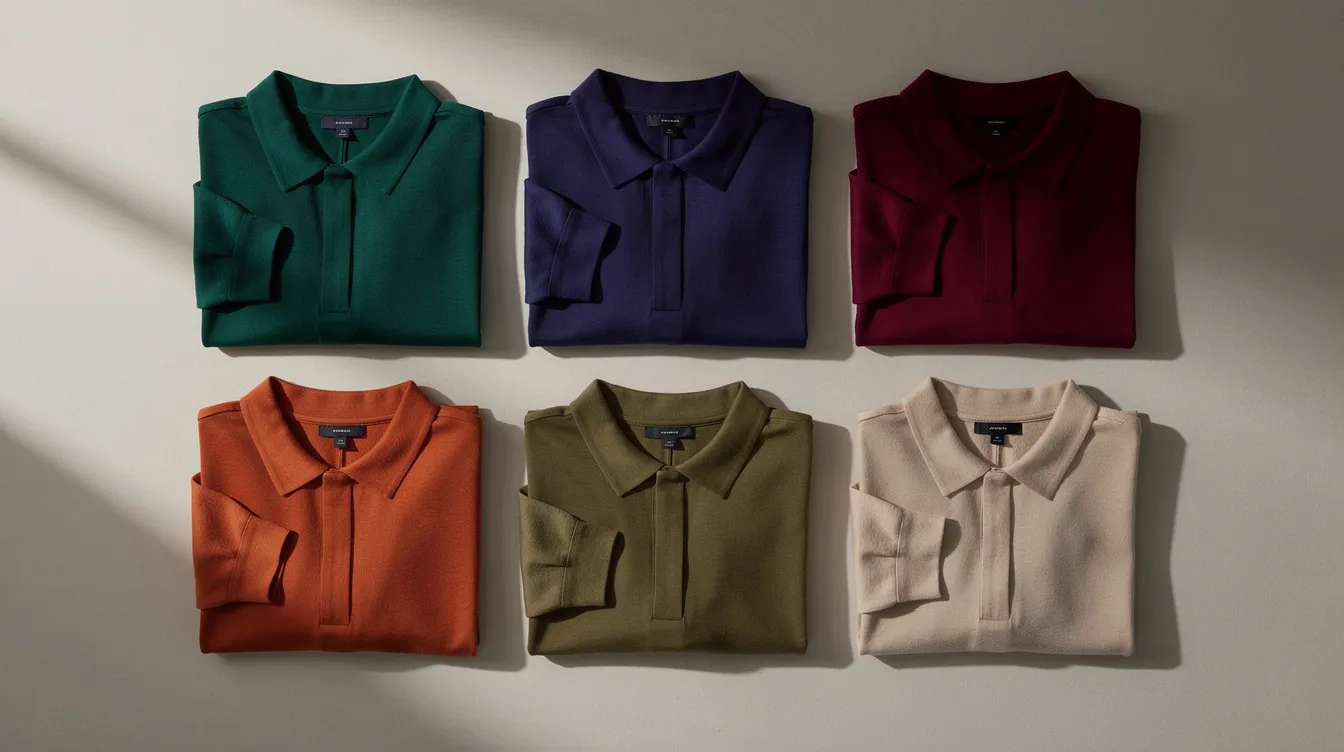
For commercial headshots, wardrobe should avoid busy patterns and instead lean into brighter or mid-tone colors. Commercial headshots should feature bright, saturated colors. Colors that pop, like jewel tones, are ideal: warm blues, greens, soft reds, and pastel colors that feel modern and upbeat. Avoid bold logos that pull the eye away.
For theatrical headshots, wardrobe should include earthy tones and deeper shades that evoke drama. Muted colors like navy and burgundy are recommended for theatrical headshots. Earth tones, charcoal, forest green, and dark neutrals work well without swallowing the face. These color choices give theatrical ones a grounded, serious quality that supports the actor’s personality on screen or on stage.
Practical examples of character-adjacent outfits include a simple button-down for a young attorney, a soft sweater for a “best friend” type, or a leather or denim layer for edgier roles. Headshots by Gareth encourages clients to bring 3–5 tops so looks can be adjusted on set depending on how colors interact with the background and good lighting in the studio.
Comedic Headshots: Where Commercial and Theatrical Meet
Comedic headshots sit between theatrical and commercial, ideal for sitcoms, sketch, improv, late-night, romantic comedies, and comedy pilots that need a playful, character-driven feel. They capture the fun side of an actor’s personality while still reading as professional.
The tone is light, colorful, and inviting like commercial shots, but with more character and specificity in the facial expression and pose. Avoid over-the-top clowning. Instead, go for subtle quirks: a raised eyebrow, a knowing smirk, a slightly offbeat tilt that hints at your comic sensibility, whether dry, sarcastic, or quirky.
In New York, comedic headshots are especially useful for submissions to Upright Citizens Brigade, The Pit, SNL-adjacent projects, or comedy pilots shooting in the city. A photographer can usually capture a comedic variation while shooting your commercial and theatrical headshots, making it efficient to leave the session with three distinct but cohesive looks.
Do You Really Need Both Commercial and Theatrical Headshots?
Budget and time constraints are real, but actors need both commercial and theatrical headshots to compete in a professional market. New York often has separate commercial and legit representation, and each side expects head shots that match the work they submit you for.
If you are a new actor focusing on commercials, you might start with a strong commercial headshot. Theater-trained actors may initially prioritize a theatrical headshot. But both types will eventually be necessary. Many casting platforms allow multiple photos per profile, and smart use of separate commercial and theatrical images can significantly increase call-in rates for the right roles.
Treat a headshot session with Headshots by Gareth as an opportunity to efficiently build a small, strategic library of images rather than settling for one photo meant to do everything. That range is what moves an acting career forward.
How to Prepare for a Commercial and Theatrical Headshot Session
Preparation affects the quality and versatility of your final actor headshots as much as the camera or lighting setup. Start by defining your target types in advance. Are you going out for the young professional? The blue-collar worker? The quirky best friend? The lead detective? Share those with your photographer so expression, wardrobe, and backgrounds can be planned accordingly.
Practical prep tips that enhance your real life appearance on camera:
- Get solid sleep and hydration the day before.
- Avoid major skin treatments right before the shoot.
- Schedule hair trims at least a week in advance so they settle naturally.
- If you wear glasses regularly in auditions, bring them to the session.
- Keep makeup minimal and close to how you look in everyday life.
Gather reference images from shows and commercials you want to be cast in, then bring them to the session as shorthand for tone. Saying “I am aiming for something that feels like an NBC workplace comedy” or “FX drama vibe” gives the photographer concrete direction. Headshots by Gareth offers guidance before and during the shoot on clothing, expression coaching, and shot selection so clients leave with both commercial and theatrical options they can start using immediately.
Working With a Headshot Photographer in New York
New York has no shortage of headshot photographers, but experience with actor headshots specifically matters when navigating commercial vs theatrical needs. Not every portrait photographer understands what casting directors are looking for or how thumbnails read on casting platforms.
When reviewing a photographer’s portfolio, look for clear distinction between bright commercial headshots and moodier theatrical images, consistent technical quality, and facial expressions that feel alive rather than posed. Ask how many looks they can realistically cover in one session, how they handle expression coaching, and whether they understand current casting expectations in the entertainment industry.
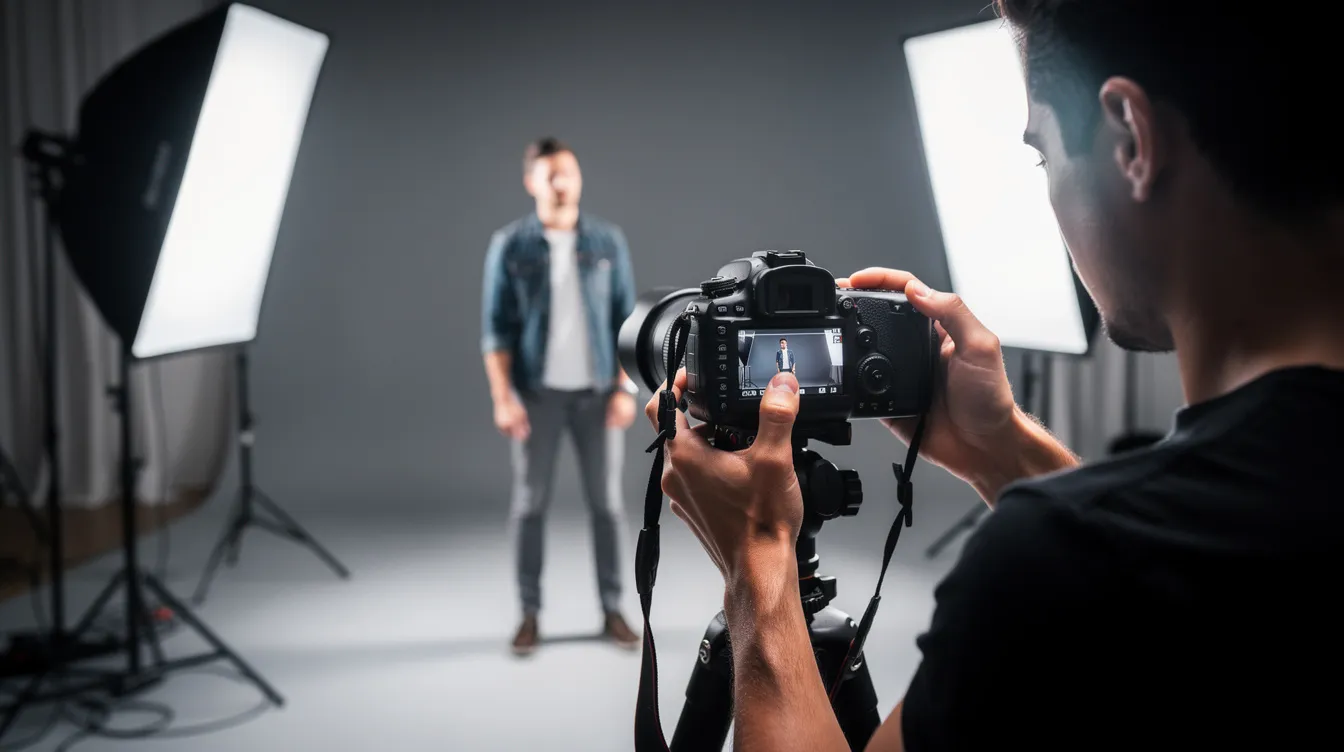
At Headshots by Gareth, the process involves reviewing goals at the start of the shoot, planning commercial and theatrical setups, checking images on screen together, and adjusting expressions or wardrobe in real time. That collaborative approach helps capture your unique qualities and ensures the final photos match the work you are actually pursuing. Reach out to Headshots by Gareth to discuss which combination of commercial, theatrical, and comedic headshots makes sense for your current stage of career.
FAQ
These FAQs cover common questions about commercial vs theatrical headshots that go beyond the main article, with answers grounded in New York casting realities.
How often should I update my commercial and theatrical headshots?
Most working actors in major markets should update acting headshots every 12–18 months, or sooner if there is a significant change in hair, facial hair, weight, or overall style. Commercial headshots may need more frequent updates if your age range or lifestyle look shifts quickly, while theatrical headshots can sometimes last longer if your essence stays the same. If casting directors comment that you look different from your submissions in the audition room, schedule a new session.
Can I use one headshot for both commercial and theatrical submissions?
While it is technically possible to use a single neutral headshot at the very beginning of a career, it is not ideal once you start submitting regularly. A bright, smiling commercial headshot rarely communicates the intensity needed for serious dramatic work, and a very moody theatrical headshot can feel off for lighthearted commercial casting. Aim for at least two distinct images as soon as budget allows. A single session with Headshots by Gareth can cover both styles efficiently.
Do I need printed 8x10s or are digital head shots enough now?
In New York, most submissions are done digitally through casting platforms, so high-resolution digital commercial and theatrical headshots are essential. Some theater auditions, workshops, and in-person agent meetings may still request physical 8×10 prints, so having a few on hand remains useful. Choose one or two of your strongest images, typically one commercial and one theatrical, for prints, and keep a wider selection available digitally.
I’m just starting out. Which headshot should I prioritize first?
Beginners should look at the work they are currently most likely to book. If you are submitting mainly to commercials and student projects, a strong commercial headshot is often the best first investment. Actors with recent conservatory or theater training aiming at plays and streaming dramas might lean toward a theatrical headshot first, then add commercial once they start meeting agents and directors. New actors in New York can contact Headshots by Gareth to talk through their goals so the first session captures at least one solid commercial and one theatrical look.
How many final images should I keep from a headshot session?
A practical range for most actors is 3–6 final retouched images: at least one commercial headshot, one theatrical headshot, and possibly one comedic or alternative variation. Too many similar images can dilute your branding on casting sites, while a small, well-curated set makes it clear what you offer and helps sell your expertise as a performer. Work with the photographer after the session to choose the strongest shots based on clarity, expression, and alignment with your target casting types.