Your wardrobe can be the difference between a headshot that gets clicked and one that gets scrolled past. Knowing what to wear for actor headshots is not about fashion or trends. It is about clarity, type, and making sure casting directors see you, not your shirt. This guide covers everything from colours and fit to layering strategies and session prep so your next headshot session produces images that actually work.
Key Takeaways
- Stick to solid colours in jewel tones and mid-tones that complement your skin tone and eye colour rather than dominate the frame.
- Clothes fit matters more than brand or price. Fitted clothing that sits cleanly on your body photographs far better than anything too tight or too loose.
- Bring 3–5 distinct looks to your headshot session, mixing commercial and theatrical options with 2–3 light layers like a simple jacket, cardigan, or denim jacket to create different looks quickly.
- Avoid busy patterns, logos, neon colours, and heavy accessories that pull focus away from your eyes and expression.
- Working with a specialist headshot photographer like Headshots by Gareth in New York helps you refine wardrobe choices on set so that clothing, lighting, and expression all work together.
Why Your Wardrobe Matters for Actor Headshots
Actor headshots are your primary marketing tool. Agents submit them. Casting directors scan them on platforms like Casting Networks and Backstage, often in thumbnail size, deciding in seconds whether to click or move on. Your headshots must communicate your essence and suggest the character types you can play, and your wardrobe is a major part of that signal.
Clothing subtly tells a story about your casting type. A fitted blazer hints at “corporate lawyer.” A soft knit sweater suggests “therapist” or “best friend next door.” A leather jacket reads “edgy” or “detective.” None of these are costumes, but they give casting directors an instant sense of what roles you fit. The difference between commercial headshots, which feel friendlier and brighter, and a theatrical headshot, which leans moodier and more character-driven, often starts with what you wear.
In New York’s casting environment, where competition is intense and submissions pile up fast, strong acting headshots can determine whether your thumbnail gets a second glance. Headshots by Gareth works with actors across the city to make sure wardrobe, light, and expression all align, so that the image feels cohesive and casting-ready.
Think Like a Casting Director: Dress for the Roles You Want
Casting directors prefer headshots that communicate your type clearly. Casting types include gender, age range, and physicality, and knowing your casting type improves your audition chances significantly. When a casting director scrolls through hundreds of actor headshots, they are looking for instantly readable types: “young professional,” “Brooklyn creative,” “gritty detective,” “quirky best friend,” “corporate executive.”
Actors should dress to reflect the roles they aspire to play. Before your shoot, list three to five roles you most often get called in for or want to target, and build your wardrobe choices around those characters. Research recent shows shot in New York, such as Law & Order, Succession, or The Marvelous Mrs. Maisel, and study how similar characters dress. Your outfits should suggest a character rather than looking like a full costume. A tailored button up shirt for “lawyer” works. Showing up in a judge’s robe does not.
Actors can also play against type to expand their range. If you typically read as “corporate,” including one softer, more casual look can open doors to roles you might not otherwise be submitted for. Consider different character brackets when planning your wardrobe so you walk away from the session with images that cover multiple casting lanes.

Choosing Colours That Complement Your Skin Tone and Eye Colour
Colour is one of the fastest ways to make acting headshots pop in a casting director’s thumbnails. The goal is to choose colours that complement your skin tone and enhance your natural features rather than fight them.
Start by identifying whether your undertone is warm, cool, or neutral. A simple method is the vein test: if the veins on your wrist appear greenish, you likely have warm undertones; if they look blue or purple, you lean cool; if it is hard to tell, you are probably neutral. Warm skin tones tend to look great in earthy and rich colours like rust, mustard, and olive. Cool skin tones often shine in blues, emeralds, and jewel tones. Neutral undertones can handle both families comfortably.
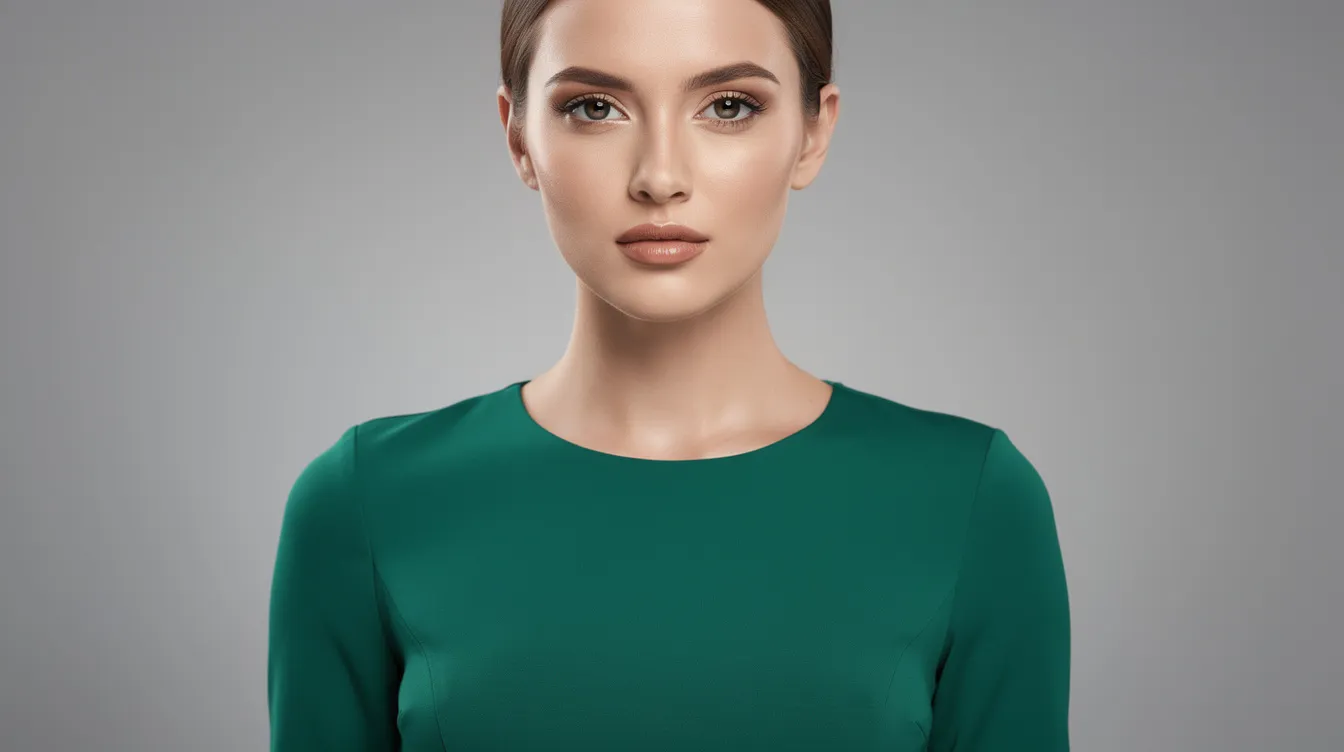
Flattering colours for most actors include mid-tones and rich jewel tones like emerald, deep blue, teal, burgundy, burnt orange, and rich plum. These read well on camera and create enough contrast to separate you from most backgrounds. Darker colours generally complement skin tones better than very light shades, though the key is balance.
To choose colours that enhance your eye colour, consider these pairings: blues and teals tend to make blue eyes stand out; greens and warm olives bring out green or hazel eyes; warm browns and deep jewel tones flatter brown eyes beautifully.
Avoid colours too close to your skin tone, such as beige, pale peach, or light yellow, because they can wash you out or create a “shirtless” effect on camera. Avoid whites and yellows if you have lighter skin, and avoid very dark colours if you have darker skin, as they can reduce the contrast that helps your face stand out. Avoid neons and pale pastels that wash out your complexion. Use bright colors thoughtfully for commercial shots, such as a saturated coral or cobalt, but steer clear of anything neon or fluorescent, which can clip on camera and cast unwanted colour onto your skin.
Fit, Necklines, and Silhouettes That Work on Camera
How your clothes fit has a huge impact on how professional and castable you look. Well-fitted clothing enhances the overall headshot appearance, while poorly fitting garments, whether too tight or too baggy, project an unpolished image that distracts from your face.
Clothing should fit well but not be too tight. There should be no pulling at buttons, no gaping armholes, and no stretched-out collars. Before your shoot, try everything on and move around: sit, twist, raise your arms. If something bunches or rides up, leave it at home.
V-necks and crew necks are excellent for framing the face, keeping attention near your eyes and jawline. Modest scoop necks and a clean button up shirt also work well. Deep V-necks or very low-cut tops can show too much skin and pull the viewer’s eye downward, which limits how the image can be used. For the same reason, avoid spaghetti straps or strapless styles. Sleeves, whether short, three-quarter, or long, photograph better because bare shoulders can compete with the face for attention.
Structured but not bulky pieces tend to look best on camera. A slim blazer, a light denim jacket, or a fine-knit sweater all photograph well. Turtle necks can work for certain types but may feel restrictive or cover too much of the neck. Heavy hoodies and chunky knits tend to lose shape and look sloppy in tight headshot crops. Tailored button-downs and structured jackets are suitable for professional roles and help your headshots stand out in submission stacks.
Solid Colours, Texture, and When to Use Layers
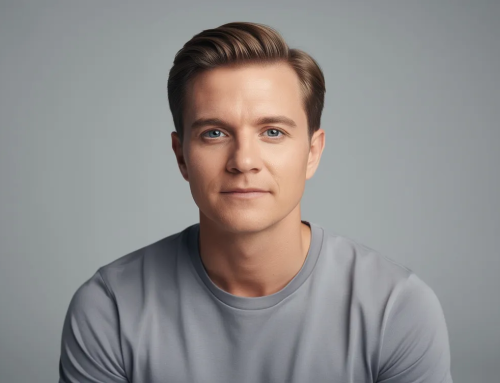
Simple tops plus smart layering give you different looks without needing a full wardrobe change between setups. The foundation of most great headshot wardrobes is straightforward: solid colours are recommended for headshots because they keep the focus on your face. A clean t shirt in deep teal, a fitted crew neck in burgundy, or a simple henley in olive will almost always outperform a busy print.
Solid colors like deep blues and rich greens are excellent alternatives to black and white, which can cause contrast issues on camera. Solid colors help keep focus on your face while still looking interesting and intentional.
Very subtle patterns, a gentle texture or small check, can work when they do not buzz on camera or steal attention. But when in doubt, stick with solids and let your photographer advise on set. Patterns can distract from your expression in headshots, so caution is always warranted.
Texture is where things get interesting. Ribbed knits, denim, linen, and soft leather all add depth to an image, particularly in tight theatrical crops where the fabric fills more of the frame. Use textured layers to add visual interest to your headshots without introducing distracting elements.
Layering can add texture and sophistication to your look. Bring layers like jackets or cardigans for depth, and two layers are recommended for most headshot outfits. A simple jacket over a solid tee, a cardigan over a fitted top, or an open button-down over a crew neck all create separation and dimension. Layering can create different looks quickly during a session, which means more usable images in less time. Consider bringing two to three jackets or overshirts in different moods: a casual denim jacket, a soft cardigan, and a sharp blazer will cover a wide range of casting types.
Commercial vs. Theatrical Headshots: Dressing for Different Looks
Commercial headshots present you as approachable, friendly, and brand-safe, the kind of person you would see in a commercial for a bank, a cereal brand, or a streaming service. A theatrical headshot is more dramatic and character-driven, designed for film, television drama, and stage. Most working actors in New York need both, and they are often created in one session by rotating wardrobe, expression, and backgrounds.
For commercial headshots, lean toward brighter, cleaner colours that feel optimistic: blue, teal, coral, soft green. Bright, saturated jewel tones convey friendliness and approachability. Outfit ideas here include a simple tee, a casual shirt, or a light knit in a warm jewel tone. The goal is a neutral look that reads “person next door.”
For theatrical work, shift to more muted, moody tones: charcoal, deep olive, navy, maroon, slate. Deeper colors convey authority and seriousness. Wardrobe here can include slightly more structured pieces, a leather jacket, a dark henley, a fitted blazer. A third look that blends both moods can help cover even more casting ground.
Your headshot clothing should not overshadow your acting range. At Headshots by Gareth, lighting, background, and framing are adjusted to match each outfit’s mood, so the wardrobe and overall feel stay aligned with your casting goals.
Gender-Specific Tips: Female, Male, and Non-Binary Actors
The core rules for acting headshots apply to everyone, but certain details shift based on how you present and want to be cast.
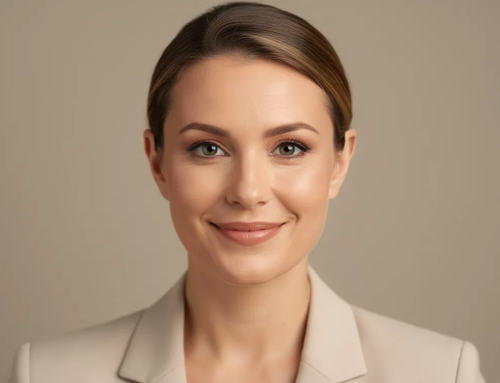
For female actors, fitted tops in jewel tones with simple necklines tend to photograph best. Optional soft layers, a cardigan or a blazer, can add polish. Avoid very trendy pieces that will date your headshot within a year. Women should be cautious of tops that shift or gap during movement, as this creates continuity issues across frames.
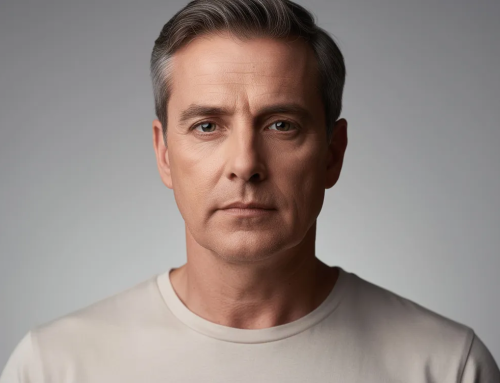
For male-presenting actors, clean t shirts, henleys, and button-downs in solid colours form a reliable base. Bring one casual option and one more polished look, perhaps a blazer over a tee, for a professional or leading-man type. If you have facial hair, make sure it is neatly groomed and reflects how you typically present at auditions.
For non-binary and gender-nonconforming actors, choose wardrobe that aligns with the casting lanes you want to pursue: corporate, creative, indie, edgy. Guides from leading headshot experts stress authenticity over gendered conventions. Your personality should come through. Your acting headshot session should capture how you look on a good, real-world day, not a heavily styled version you never actually show up as.
Accessories, Jewellery, and Glasses: How Much Is Too Much?
Accessories should never compete with your face. Keep jewellery minimal and classic: small studs, simple hoops, a delicate necklace. Large statement pieces, giant watches, and jangly bracelets catch light and pull attention from your eyes.
Avoid logos, big brand marks, and slogan shirts. They distract and can cause clearance issues for commercial clients. If you wear glasses daily, shoot some frames with them and some without to give casting directors both options. Clean your lenses popped thoroughly before the session, and avoid transition lenses that might darken under studio lights. If reflections are an issue, consider empty frames or contacts for certain setups.
Small accessories work when they help hint at a type. A subtle scarf for “professor,” an understated earring for “creative director.” But the moment an accessory becomes the first thing you notice in the image, it has gone too far.
What to Avoid Wearing in Acting Headshots
Some clothing that looks great in daily life simply does not work on camera for actor headshots. Here is what to leave at home:
- Loud patterns and busy patterns: florals, large plaids, thin stripes, and graphic prints create visual noise and can produce moiré effects in digital submissions. Do not wear patterns that compete with your expression.
- Neon colours and metallic or super shiny fabrics that reflect studio light oddly.
- Big logos, sports team shirts, and heavy graphics.
- Very loose, oversized pieces that hide your shape, and overly tight clothing that pulls or creates visible lines. Your body type should be visible but not exaggerated.
- Sheer fabrics, overly revealing tops, or anything that might shift out of place during movement.
- Stained, faded, pilled, or wrinkled garments. These details show in high-resolution images and signal a lack of professionalism.
Avoid distractions by steering clear of busy patterns and excessive accessories. As photographer Marc Cartwright puts it, “The right color should help your expression come forward; not overpower it.”
While costumes like scrubs or police uniforms can be useful for very specific marketing images, they should not make up your core headshot set. Most actors are better served by versatile, everyday clothing that suggests characters without locking them in.

How Many Outfits to Bring and How to Prepare Them
Having options gives you flexibility, but too many random pieces can waste time during your acting headshot session. Bring 3–5 outfit options reflecting different character types, along with five to eight tops and two to three light layers. Each look should support a different casting lane: commercial friendly, corporate professional, gritty drama, creative artist, best friend.
Try on clothes a week in advance to ensure proper fit. Sit down, twist, raise your arms. Take test photos by a window in natural light to see how colours and necklines read on camera. Test photos help see how the colors look on camera and save you from surprises on shoot day. Bring options you feel good in rather than brand-new pieces you have never worn.
Bring a variety of clothing options for each outfit change, and transport everything on hangers in a garment bag. Make sure to wash, iron, or steam every piece, and pack a lint roller for darker items. Bring tops in a range of tones so your photographer can match wardrobe to background and lighting conditions.
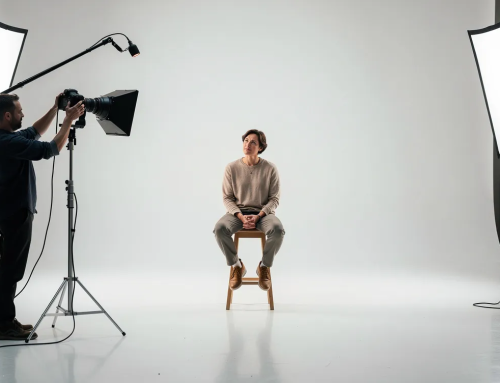
At Headshots by Gareth, Gareth will help you edit down your options at the start of the photo session so you spend more time in front of the camera and less time second-guessing wardrobe.
Seasonal and Location Considerations for New York Actors
Many actor headshots in New York are shot outdoors or in natural light, where seasonal context matters. For winter and fall sessions, bring layers that nod to the season, a dark coat, a knit sweater, a simple scarf, but keep the face clear and uncluttered. For spring and summer, choose breathable fabrics and colours that feel seasonally appropriate without veering too casual or beachy unless that fits your type.
Outdoor locations like brownstone streets, parks, and urban backdrops can influence colour choices. Neutral tops pair well with busier environments, while a bright, saturated top can pop beautifully against a simple wall or doorway. Headshots by Gareth can advise on pairing your wardrobe with specific NYC backgrounds so you look like you belong in the shows casting in this city. Drink plenty of water before outdoor sessions, especially in warmer months, to keep your skin looking fresh.
Last-Minute Prep: Grooming and On-Set Adjustments
Even perfect clothing choices can be undermined by last-minute details. Handle grooming before you arrive: trimmed facial hair, neat brows, moisturised skin, no flaky lips, simple nails that do not grab attention. Your hair should be styled the way you typically wear it to auditions.
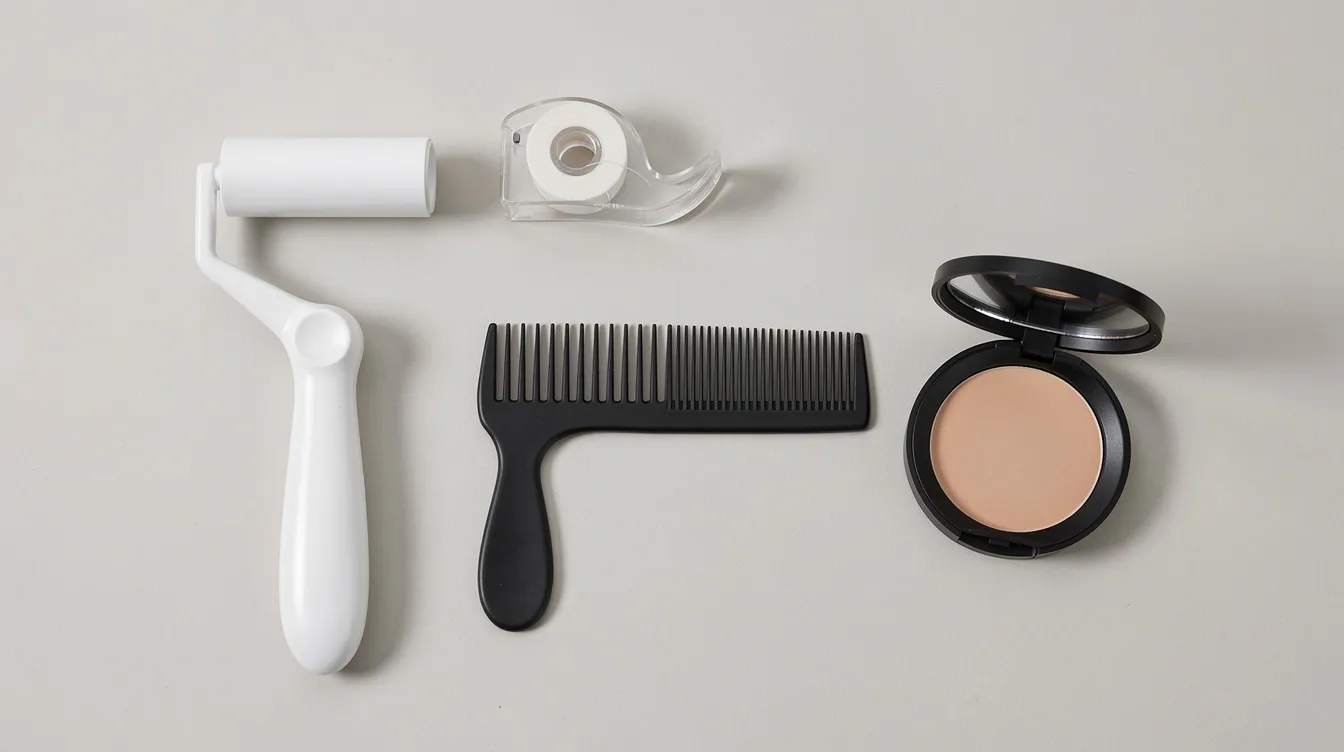
Arrive in a loose, front-opening top so you avoid messing up hair and makeup when changing into your first look. Bring a small kit with a lint roller, fashion tape, hair ties, brush or comb, matte powder for shine, and backup tops in case something does not photograph as expected.
During a session with Headshots by Gareth, minor tweaks like rolling sleeves, tucking or untucking, and swapping layers are used to create different looks efficiently. Choosing outfits in advance and prepping them well means more time for the work that actually matters: getting a great headshot that books you auditions. For more posts and updates on session prep, keep an eye on the Headshots by Gareth blog.
FAQ
How many different looks should I plan for in one actor headshot session?
Most actors benefit from three to five distinct looks: at least one commercial, one neutral theatrical, and one more specific to their main casting lane, whether that is professional, edgy, or comedic. Within each look, small variations like changing layers, adjusting your hair, or shifting expression can produce multiple usable images. At Headshots by Gareth, looks are prioritised based on your current agent or manager feedback so the session stays focused.
Can I wear black in my acting headshots?
Black can work very well for theatrical headshots and certain types like villain, lawyer, detective, or fashion-forward roles, as long as it is lit correctly. Pair black with some contrast, whether through your skin tone, a lighter background, or a visible layer underneath, so you do not disappear into a dark backdrop. Avoid wearing all black for every look so you still show range to casting directors.
Should I buy a whole new wardrobe just for my headshot session?
It is usually not necessary. Many actors already own suitable pieces in solid colours and simple cuts. Fill specific gaps if your wardrobe lacks options: perhaps one sharp blazer, a jewel-tone top that flatters your eyes, or a clean fitted tee. Prioritise fit and colour over brand or price, and bring a mix of existing favourites and one or two new pieces to your session with Headshots by Gareth.
Do I need different outfits for New York vs. other markets like LA or London?
Basic wardrobe rules for actor headshots stay the same across cities, but style nuances can shift. New York often leans more urban, layered, and grounded, while LA may favour slightly lighter, more casual looks. London can skew more classic. If you work across markets, you can capture a mix of looks in one session and use different images for different casting platforms.
What if I’m not sure whether a colour or top will work on camera?
Take quick phone photos in natural window light before the shoot to see if the colour flatters your skin tone and eye colour. Bring borderline options to the session. It is always better to have them and not use them than wish you had more variety. During a Headshots by Gareth session, Gareth will review your options at the start and test a few on camera before committing to a look, so you never have to guess.