If you’re new to the acting industry, your headshot is probably the single most important piece of marketing material you’ll invest in before you ever step into an audition room. It’s the image that speaks for you when you can’t speak for yourself. This blog post breaks down everything you need to know about getting beginner actor headshots that actually work, from choosing a photographer to picking what to wear, posing in front of the camera, and knowing when it’s time to refresh your photos.
Key Takeaways
- Beginner actor headshots are your calling card and first impression for casting directors, even before they see your reel or resume. Headshots are critical for casting directors’ first impressions, and a good headshot can significantly increase your audition opportunities.
- A good headshot must look like you today, follow basic industry standards, and clearly suggest your type, whether that’s friendly neighbor, sharp lawyer, or quirky best friend.
- Beginners should prioritize working with a professional headshot photographer over DIY or selfies, but you don’t need the most expensive option in New York to get strong, industry-ready results.
- Planning your wardrobe, expression, and looks in advance makes your headshot session smoother and your final images more useful across casting platforms.
- If you’re a beginner in NYC and have questions about getting started, reach out to Headshots by Gareth to talk through your first headshot session and what to expect.
What Is an Acting Headshot (and Why It Matters So Much)?
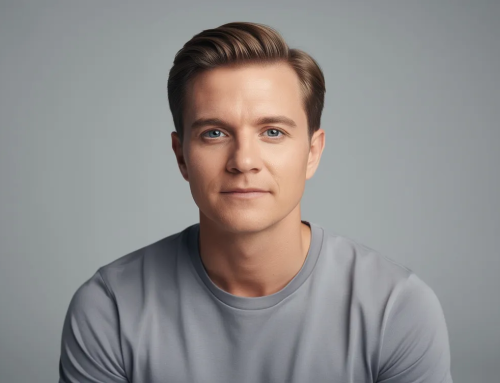
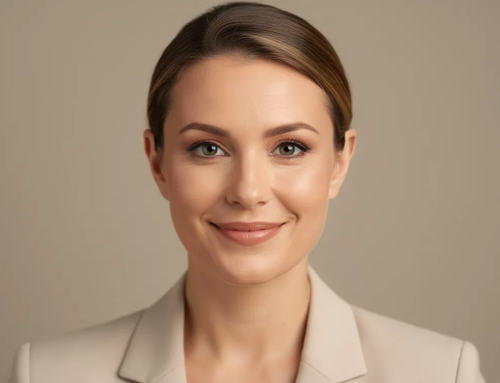
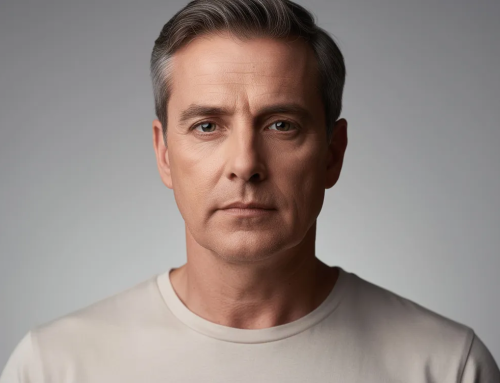
An acting headshot is a close-up, usually vertical photo framed roughly from mid-chest or shoulders up. Think of it as your professional calling card in the acting industry. It’s not a full-body shot, not a lifestyle portrait, and not a fashion photo. Its job is simple: represent you clearly and accurately so that the right person notices you in a sea of submissions.
Casting directors typically see your actor headshots first when scanning through digital submissions for a role. On platforms like Actors Access, Backstage, and Casting Networks, your headshot appears as a small thumbnail in a grid alongside hundreds of other actors. If yours doesn’t catch the eye at that size, everything else on your profile, your training, your reel, your cover note, may never get seen. Casting directors commonly review 2,000 to 3,000 headshots per role, so the competition for attention is fierce.
A good headshot shows your face clearly, with natural color, a simple or colorful backdrop, and an expression that feels like a real moment rather than a forced grin. It should look like you, not a heavily edited version of you. It should be contemporary. If you’ve changed your hair, lost or gained weight, or aged noticeably since your last photo shoot, the headshot is no longer doing its job.
Beginner actor headshots are used everywhere: online submissions, casting platforms, email pitches to agents, theater programs, press kits, personal websites, and sometimes printed 8×10 copies for in-person auditions. They also serve as marketing materials when you’re building a personal brand early in your career. Your acting headshot should be consistent with how you appear when you walk into an audition in 2026, not how you looked years ago.
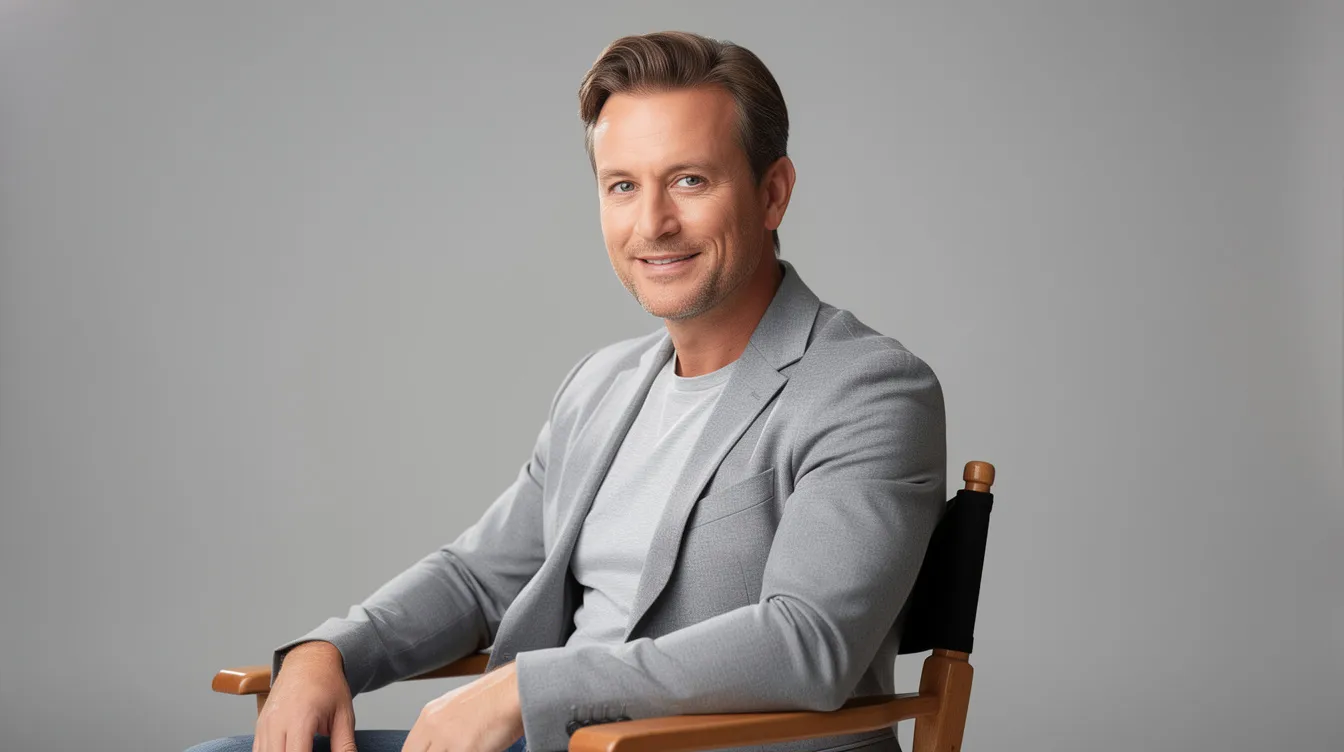
What Makes a Good Headshot for Beginner Actors?
A good headshot means something slightly different in the acting world than in corporate or social media portrait work. In a corporate setting, the goal is to look polished and approachable. For actors, headshots must go further. They need to suggest character, emotional range, and type. They need to hint at the roles you can believably play.
Here are the elements that matter most:
- Clear, alive eyes that carry intention and connect with the viewer, not a blank stare
- Flattering but honest lighting, whether natural light or studio lighting, that reveals the dimension of your face without flattening or over-smoothing
- Accurate skin tone and natural styling, so what the casting director sees in your photo matches what they see in real life
- Clean composition with a simple background that doesn’t compete with your face
- Headshots framed vertically, in high resolution, with no heavy filters
Natural expressions are vitally important. A great headshot feels like you in a real moment: relaxed posture, engaged eyes, and an expression that suggests a grounded character rather than a stiff school-photo smile. Headshots should reflect authenticity and versatility, showing who you are rather than who you think casting wants you to be.
Industry standards call for a color image (black and white headshots are generally not used for submissions anymore), high-resolution files, and minimal retouching so you still look like yourself in person. Casting directors prefer minimally retouched headshots because over-editing creates a disconnect when you walk into the room.
Beginners should aim for at least two looks to cover most auditions. One strong theatrical headshot, showing more serious expressions and emotional depth, and one commercial headshot, warmer and friendlier. A theatrical shot shows emotional depth and intensity, while a commercial shot features a warm and friendly smile. Headshots should include both commercial and theatrical styles so you have images ready regardless of the casting breakdown.
How Casting Directors Use Beginner Actor Headshots
Understanding how a casting director sees your headshot changes the way you think about the whole process. Their workflow is fast. A casting director scrolling through submissions makes split-second decisions, often spending just a few seconds per thumbnail. When a casting director sees your image in a grid of hundreds, they’re running a rapid mental checklist.
At first glance, casting directors check three things:
- Does this person fit the basic look of the role (type)?
- Does the image seem professional (lighting, clarity, framing)?
- Does the actor look authentic and believable (eyes, expression)?
If your actor headshots grab attention on all three counts, the casting director clicks through to your resume, reel, and cover note. If not, you’re passed over instantly. A good headshot can be the difference between getting seen and getting lost. Low-quality headshots consistently lead to missed casting opportunities, regardless of your talent.
Commercial headshots, with approachable expressions and well lit, warm tones, are typically used for ads, sitcoms, and branded content. More dramatic acting headshots, with weight and texture in the expression, are preferred for films, TV dramas, and theater. Casting directors prefer headshots that show character types clearly. Ambiguity, trying to look like you can play everyone, often means you get cast as no one.
Beginners should avoid over-stylized, heavily retouched photos. Casting teams in New York can quickly spot images that won’t match how you appear in the room. If your headshot looks like a fashion editorial and you walk in looking like a regular person, the trust breaks immediately. Your headshot should look like you, not a glamour shot.
Choosing a Headshot Photographer as a Beginner
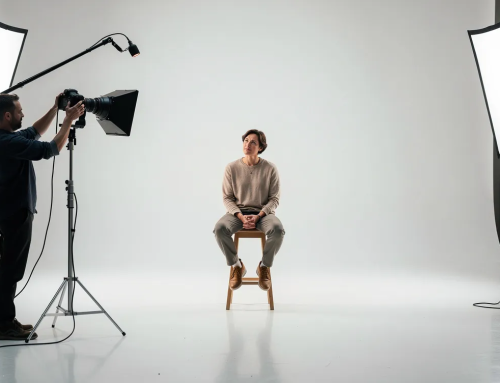
This is one of the most important decisions a beginner actor makes, and it’s worth getting right. A dedicated professional headshot photographer brings controlled lighting, experience in directing actors rather than just posing models, and expertise in framing and color calibration for the casting industry. Using selfies for headshots can actually decrease your audition chances because they rarely meet the technical or expressive standard that directors expect.
When reviewing headshot photographers’ portfolios, look for these qualities:
- Natural, accurate skin tones across a range of actors
- Sharp, engaged eyes in every image
- Simple, non-distracting backgrounds
- Consistent quality across actors of different ages, ethnicities, and body types
- Both commercial and theatrical styles represented
Professional photographers should specialize in acting headshots, not just general portrait work. Ask for referrals from actor friends or classmates who have headshots you admire. When you find a few candidates, reach out for a consultation. Practical questions to ask include how they direct beginners who’ve never done a photo session before, how long sessions typically run, how many final images are included, how retouching is handled, and whether you can review shots during the session. Choose a photographer who provides specific direction during shoots rather than leaving you to figure it out alone.
On the topic of headshots cost, most professional headshot sessions fall between $400 and $1,500 depending on the photographer’s experience, session length, number of final images, and retouching included. Beginners don’t need to chase the most famous name in Manhattan. What matters is that the photographer understands the casting industry, delivers images that meet industry standards, and makes you feel comfortable enough to produce natural expressions in front of the camera. You’re investing in your calling card, not paying for a brand name on your receipt.
Beginners in NYC can contact Headshots by Gareth to walk through sample galleries, discuss goals for commercial vs theatrical looks, and decide whether a studio or outdoor setting suits them best.
Planning Your First Headshot Session
Beginner actors who plan before their headshot session consistently get better, more usable results than those who improvise on the day. Even a small amount of preparation dramatically improves how efficiently the shoot goes and how many strong final pictures you walk away with.
Start by identifying a few likely types you can believably play. Think honestly about what a casting director might see when they look at you. Are you the supportive best friend? The intense grad student? The warm parent? The offbeat artist? Build your looks around those types rather than trying to be everything to everyone. Most actors benefit from narrowing their focus rather than broadening it.
Next, decide between studio and outdoor actor headshots. Studio lighting offers clean, controlled, industry-standard images with consistent backgrounds and predictable results. Outdoor sessions use natural light for a more lifestyle, environmental feel, which can work well as a complement but requires good weather and careful location scouting. For a first session, studio is often the safer bet.
Collect 5 to 10 reference images from casting sites or photographer portfolios that show the mood, crop, and vibe you’re aiming for. Sharing these with your photographer ahead of time aligns expectations and avoids surprises. If you’re considering working with a makeup artist, discuss that in advance as well. Makeup should enhance your natural looks without heavy airbrushing, keeping you looking like the same person who’ll show up at the audition.
Headshots by Gareth can review your reference photos ahead of time and help map out a simple shot list so you know exactly what you’re trying to capture before you arrive.
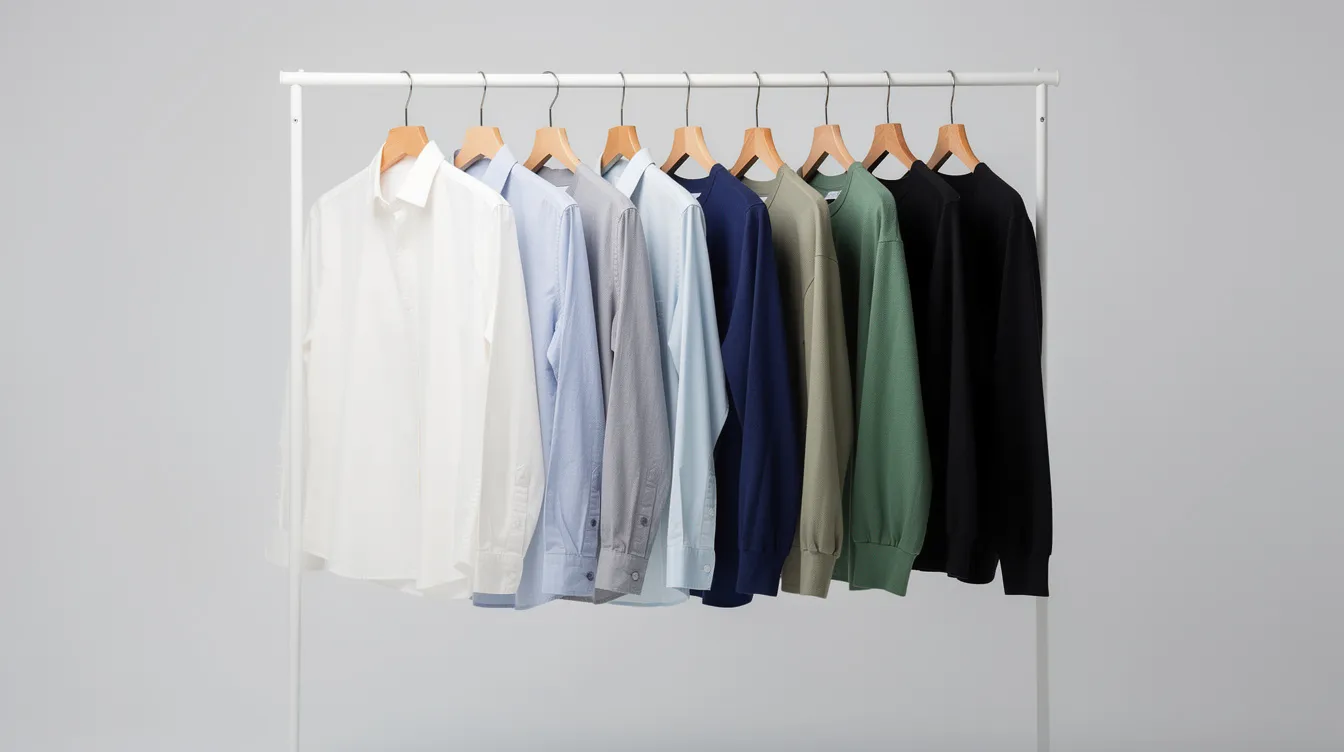
Wardrobe Basics for Beginner Acting Headshots
Wardrobe should quietly support your face and type rather than steal the show. The goal is for the viewer’s eye to go straight to your expression and stay there. Clothing should fit well but avoid distractions, meaning no oversized logos, busy prints, tiny stripes, or neon patterns that photograph poorly or create visual noise.
Here are the essentials:
- Stick to solid colors or gently textured fabrics
- Solid primary colors and bright jewel tones work best for most skin tones
- Avoid white and black clothing, as white can wash you out under studio lighting and black can absorb too much light
- Distracting props, bold accessories, and loud jewelry are a no no because they divert attention from your face
- For female theatrical headshots, earthy tones like olive green photograph with depth and character
- For male commercial headshots, bright colors like blues and yellows read as warm and approachable on camera
Your wardrobe should match your true essence and casting type. If you’re going for everyday roles, casual layers and simple tops make sense. If your type leans more polished, a clean button-down or structured top works. Avoid anything that looks like a costume or feels like you’re playing dress-up. Actors should wear simple, non-distracting clothing that feels natural for who they are.
Bring at least two looks to your headshot session, ideally three, so you and your photographer can experiment. Commercial headshots usually benefit from slightly brighter, friendlier colors, while theatrical headshots often call for more muted, earthy, or neutral tones. You can email quick phone snapshots of your wardrobe options to Headshots by Gareth beforehand for feedback on what will register best for your type.
Posing and Expression Tips for Beginners
Feeling awkward in front of a camera is completely normal, especially if you’ve never done a professional photo shoot before. A good headshot photographer will guide your body position and expression throughout the session, so you don’t need to arrive knowing exactly what to do. That said, understanding a few basics helps.
For body positioning, a slight lean toward the camera reads as engaged and present. Keep your shoulders relaxed rather than tensed up. Gentle angles, where your body is turned slightly rather than squared directly at the lens, create more visual interest and avoid a stiff, passport-photo feel. Most photographers will coach you through different poses in real time.
The eyes are where everything happens. Good headshots connect with viewers through the eyes, and casting directors notice instantly when an actor’s gaze is flat or unfocused. Dead eyes, where there’s no thought or intention behind the look, are one of the fastest ways to get passed over. Stay engaged with the lens. Think a specific thought, recall a memory, or imagine a character you’ve been working on. Even a small internal shift shows up on camera.
Small variations in chin position and tiny head tilts can change the mood of an image dramatically. A chin tilted slightly down can add intensity. A slight upward angle can open the face and feel more inviting. Use different expressions to show versatility: try a range from warm and smiling to more serious expressions and everything in between. Natural expressions are crucial for effective headshots, so don’t force anything that doesn’t feel authentic.
At Headshots by Gareth sessions, actors can review images as they go, which is especially helpful for beginners. Seeing what’s working in the same way a director would see it lets you adjust your expression, pose, and energy before the session ends.

After the Shoot: Picking Your Best Photo and Using It
Sorting through all those photos from a full gallery can feel overwhelming, especially for beginners who may have hundreds of images to consider. A simple, structured process makes it manageable.
Start by downloading or flagging only the images that immediately stand out. Don’t overthink it on the first pass. From there, narrow to a small set of favorites, maybe five to eight, that feel most like you. Then shrink each to thumbnail size on your screen. If any image loses its clarity or impact at that small scale, cut it. That’s the size a casting director sees first.
Getting a second opinion helps. Ask a teacher, coach, or trusted actor friend to weigh in. The focus of their feedback should be on expression and believability rather than just which angle is most flattering. The right headshot is the one where someone looks at it and immediately gets a sense of who you are and what you might play.
For retouching, keep it minimal. Clean up temporary blemishes, reduce shine, gently brighten the eyes. But avoid anything that changes your features, bone structure, or apparent age. Over-retouching can make you unrecognizable, and casting directors prefer headshots that match the person who walks into the room. A perfect acting headshot should look like you, not a digitally sculpted version of you.
Once you have your final images, here’s where to use them:
- Upload to casting platforms like Actors Access and Backstage
- Send to your agent or manager for their files
- Post on your personal website and social media profiles
- Print a modest stack of 8×10 copies for in-person auditions
Make sure your headshot is consistent across platforms. If you have many photos from the session, select a primary headshot and one or two alternates rather than flooding every profile with different images.
How Often Should Beginners Update Their Actor Headshots?
Beginners’ looks and types can shift quickly, especially in the early years of training and working. A haircut, a new fitness routine, a few years of aging, or even a shift in the roles you’re targeting can all make your current images outdated.
The general guideline is to update your actor headshots every one to two years. Actors should update headshots every 1 to 2 years, or sooner after major changes like a significant weight change, a dramatically different hairstyle, or aging into a new casting bracket. Children should update headshots every six months because their appearance changes so rapidly. Industry guidance consistently supports this cadence.
Updating commercial headshots is also useful when the roles you’re targeting shift. If you’ve moved from college student type to young professional type, for example, your wardrobe, expression, and overall presentation should reflect that change. Headshots should reflect current trends in the industry as well. Lighting styles, background preferences, and retouching norms all evolve, and photos that looked cutting-edge three years ago may now read as dated.
The simplest test: if a casting director who brings you in from your headshot does a double-take when you walk into the waiting room, your photos are overdue. Casting directors prefer recent headshots over outdated ones because accuracy builds trust and keeps the casting process running smoothly.
If you’re unsure whether your current images still work, you can send recent photos to Headshots by Gareth for an honest opinion on whether it’s time to schedule new headshots.

FAQ
Do I really need professional actor headshots if I’m just starting out?
While absolute beginners sometimes start with basic photos or snapshots, professional headshots quickly become essential once you’re submitting for real film, TV, or theater projects. Skilled photographers who specialize in acting headshots understand the technical and expressive requirements that casting platforms and directors expect. An amateur or phone photo may technically show your face, but it rarely communicates your ability, type, or emotional range in the way that gets you called in. Think of professional headshots as the entry fee for being taken seriously.
How many different looks should I plan for my first headshot session?
Most beginners should focus on two to three looks. A strong starting point is one commercial look (warm, approachable, smiling) and one theatrical look (more intense, character-driven, with more serious expressions). If time and budget allow, a third variation, perhaps a softer or edgier version, gives you additional flexibility. Actors should have at least two distinct looks for headshots to cover a wider range of casting breakdowns without trying to be everything in a single frame.
Can I wear glasses in my acting headshots?
If you regularly wear glasses in real life and during auditions, it’s absolutely fine to include them in some shots. Just make sure to capture at least one version without glasses to give casting directors options. Reflections and lens glare can be distracting, so if you do include glasses, opt for anti-reflective lenses and ensure your eyes are clearly visible. The point is that your headshot should look like the person who shows up.
What should I do the day before my headshot session?
Keep it simple: get good sleep, stay hydrated, and avoid major skin or hair experiments. Lay out your wardrobe the night before and confirm session details like start time and location with your headshot photographer. Avoid trying a brand-new skincare product or getting a dramatic haircut right before the shoot. The goal is to show up looking and feeling like yourself, well rested and ready.
Is there a best season or time of year in New York for beginner actor headshots?
Indoor studio acting headshots can be done year-round since lighting is fully controlled regardless of weather. For outdoor sessions, spring and fall in NYC tend to work best. Temperatures are comfortable, natural light is softer and more flattering, and you avoid the harsh overhead sun of summer and the gray flatness of winter. If you want both studio and outdoor looks in one session, scheduling during those shoulder seasons gives you the most flexibility. Reach out to Headshots by Gareth to discuss timing and find a session that works for your schedule and goals.