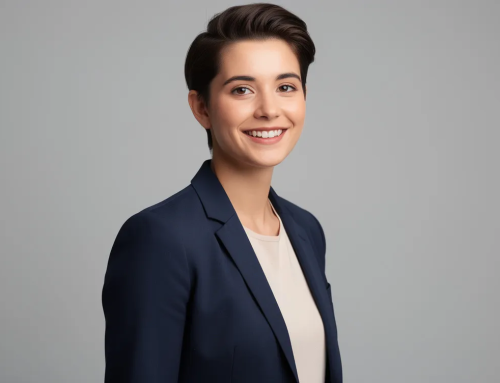
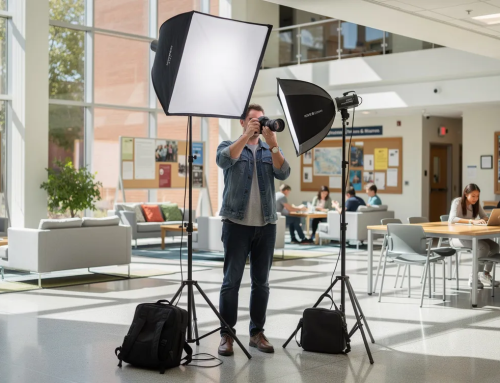
Whether you lead a student council, a pre-law society, a Greek chapter, or a cultural organization on a New York campus, the photos representing your leadership team say more than you might think. Student organization headshots set the tone for how administrators, recruiters, and incoming students perceive your group long before anyone walks into a meeting or attends an event. This guide covers everything you need to know to plan, style, and execute a headshot session that feels like a campus event rather than an awkward photo line, with practical advice tailored for fall 2024 through spring 2025.
Key Takeaways
- This article is written for student clubs, councils, Greek life chapters, and student affairs teams in New York who are preparing for fun but professional headshot sessions that reflect their organization’s personality.
- Headshots by Gareth specializes in relaxed, authentic portraits that still look polished enough for LinkedIn profiles, campus websites, and recruiting materials, so students actually want to share them.
- Planning essentials are covered in detail: choosing a date and location on or near campus, deciding who gets photographed, coordinating logistics with student affairs, and understanding how images are delivered and used.
- The guide walks through how to turn headshot day into a mini campus event with music, friends, and low-pressure direction, rather than a stiff photo line that nobody enjoys.
- A short FAQ at the end answers common questions about retakes, what to wear, privacy preferences, and using your headshots after graduation.
Why Student Organization Headshots Matter
Picture this: it is early September 2024, and a student council at a major New York university is about to kick off fall recruitment. Their leadership page on the campus website still shows last year’s officers, half of whom have graduated. A few current board members uploaded phone selfies as placeholders. The page looks fragmented, and prospective members scrolling through it during orientation week get no clear sense of who runs the organization or what it stands for. Then the council books a single afternoon headshot session, updates every portrait on the page, and within two weeks their Instagram engagement on leadership posts jumps noticeably. That kind of transformation is why student organization headshots matter far more than most campus leaders realize.
Headshots help student leaders look credible to the people who control funding, partnerships, and opportunities. When an administrator reviews a budget proposal and clicks through to your organization’s website, polished portraits signal that your group takes itself seriously. When a recruiter from a consulting firm browses your pre-professional society’s roster, consistent and professional photos suggest that the students involved understand personal branding. And when an incoming first-year scrolls your club’s Instagram during orientation week, clean headshots make the organization feel welcoming, organized, and worth a click to learn more. Photography captures the essence of your organization’s culture in a way that event snapshots and selfies simply cannot.
Student organization headshots also support branding across every touchpoint your group uses: websites, printed flyers, orientation handbooks, conference programs, and social media bios. Headshot styles can range from corporate to energetic depending on the identity of the club, which means a finance society and a sketch comedy troupe can both benefit from the same session structure while looking entirely different. The key is to define the desired shooting style to match the organization’s image before anyone steps in front of the camera. When you plan photo shoots to reflect your organization’s culture, the results feel intentional rather than generic.
Headshots by Gareth focuses on capturing personality, not producing “ID card” photos that end up forgotten in a Google Drive folder. When portraits have energy and authenticity, leaders actually want to tag them on social media, add them to LinkedIn, and use them in applications. According to data shared by MCPHS University’s career center, LinkedIn profiles with professional headshots receive roughly 21 times more profile views than those without. For students building early careers, that visibility matters.
Real campus uses go well beyond a website. Leadership boards displayed in student centers, speaker bios for multi-university conferences, and printed recruitment brochures all rely on headshots. A cultural organization at a New York campus updated its e-board portraits before fall recruitment in 2023 and found that consistent, high-quality images made their leadership gallery feel cohesive and inviting, contributing to a roughly 30 percent increase in engagement on leadership-related posts. That is the kind of return that makes a two-hour photo session well worth the effort.

Planning Your Campus Headshot Day
Organizing a student headshot session involves pre-event planning and logistics that are straightforward once you know the steps. Think of this section as a chronological checklist, starting weeks before the shoot and ending on the day itself.
The first decision is timing. Early fall, specifically mid-September through mid-October, is ideal for capturing new leadership before recruitment materials need to go out. If your organization has a mid-year transition, January or early February 2025 works well for spring leadership cohorts. Avoid scheduling during midterms, finals, or major campus events when attendance will suffer. You should book a photographer at least two weeks in advance for headshot sessions, and earlier is better during the busy fall window when campus calendars fill fast. Create a clear budget and schedule early so your treasurer and faculty advisor can approve costs without last-minute scrambling.
Next, coordinate with student affairs, residence life, or your campus communications office to secure a space. Most universities require reserving a room through event services, and popular spaces like student union lounges and auditoriums get booked quickly. If you are considering an outdoor location, check whether you need a permit or grounds usage approval. Inform your communications or marketing office, too, since they may want to align the new headshots with the university’s website or newsletter templates.
Deciding who gets photographed is another early conversation. Some organizations photograph only the executive board, which keeps the session compact. Others include committee leads, new member classes, or the entire roster. For large groups, prioritize leadership for the highest-quality individual sessions and offer remaining members optional time slots. The number of people directly determines how long the session will take, so nail this down before scheduling.
Headshots by Gareth collaborates with a designated student liaison to create sign-up sheets or time-slot systems that prevent bottlenecks. Use a sign-up system to keep headshot photo sessions organized: a shared Google Sheet, a QR-code-based booking link, or even a simple Eventbrite page with staggered fifteen-minute windows. Using scheduling tools to prevent long lines at headshot photo sessions keeps energy high and avoids the dreaded hour-long wait that makes people leave. Stagger arrival times around class schedules, and consider offering evening or weekend slots for members who cannot make it during the day. Small groups of five to ten people at a time maintain a social atmosphere without crowding the space.
Finally, build in a contingency plan. New York weather in October or November can shift quickly, so if you are planning outdoor headshots, always have an indoor backup ready, whether that is a windowed hallway, a large lobby, or a lounge with good natural light. Communicate the backup plan to members ahead of time so nobody is caught off guard. The goal is a smooth, well-run day that feels more like a campus event than a chore.
Picking Locations That Feel Like Your Campus
The location of your headshots should reflect the identity of your organization. A student government executive board and an improv troupe have very different energies, and the background behind each portrait can reinforce that difference without anyone saying a word. Choose locations that suit your organization’s style, and you will end up with images that feel authentic rather than borrowed from a stock photo library.
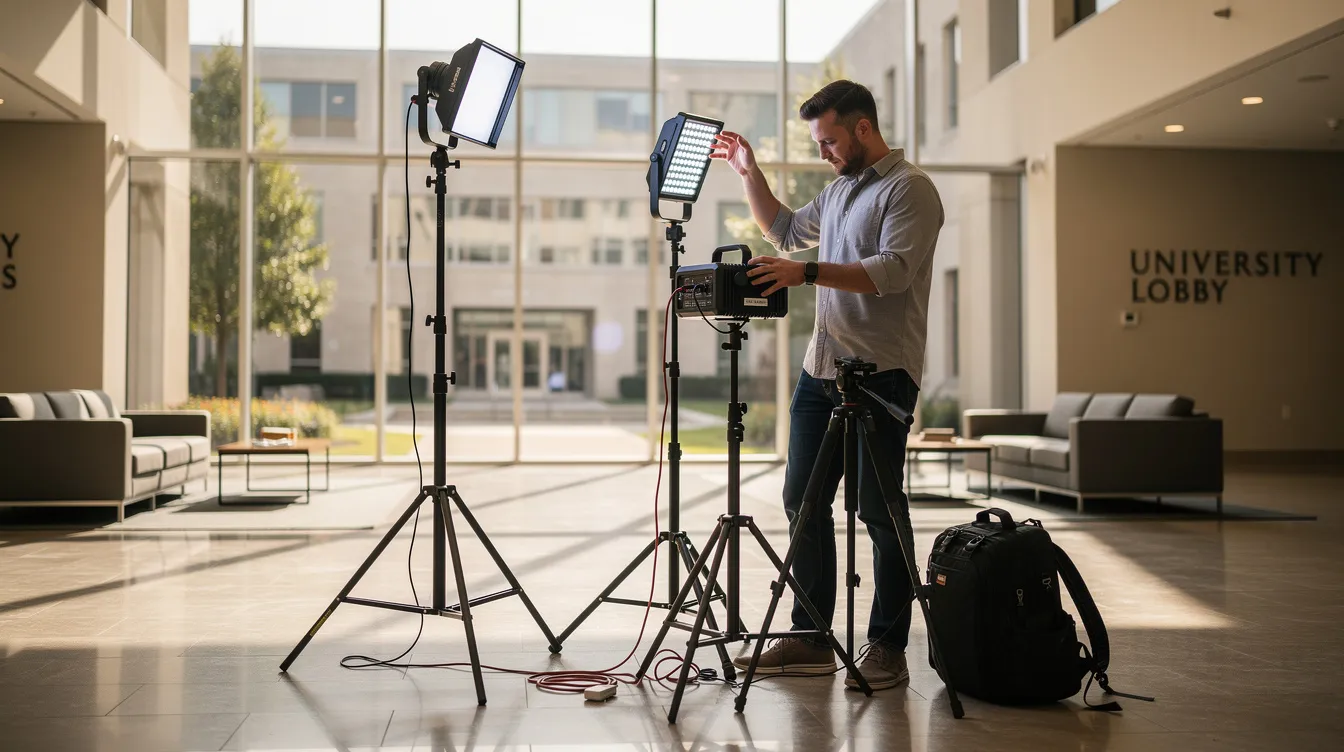
For indoor shoots, student union lounges with large windows are among the best options on most campuses. The combination of soft natural light and a modern interior creates clean, flattering portraits without heavy equipment. Honors college study rooms, career center offices, and even a wide hallway with minimal clutter can work beautifully when paired with portable lighting. Use a clean background like a solid wall to enhance headshot quality, and position the subject a few feet away from the background for depth so that the wall blurs slightly and the person stands out. Headshots can be taken in various locations, including offices and parks, so do not feel limited to a single room.
Outdoor spots on New York campuses offer visual variety that is hard to replicate indoors. Quads with fall foliage, city streets just off campus, rooftop terraces, and campus gates with recognizable architecture all give portraits a sense of place. However, avoid harsh direct sunlight to prevent unflattering shadows in photos. Early morning or late afternoon light is far more forgiving, and overcast days are actually ideal. Use soft natural light to avoid harsh shadows in headshots, and if direct sun is unavoidable, a reflector or diffuser can soften things considerably. Photograph teams in various settings like outdoor courtyards or shaded walkways to give your leadership page visual interest.
Neutral studio-style backgrounds, such as solid white, light gray, or charcoal, deliver a universally professional look that works for pre-professional societies, student governments, and any group that wants a clean, consistent aesthetic. Environmental portraits, on the other hand, show bookshelves, murals, campus landmarks, or rehearsal spaces, adding personality and context. The trade-off is that environmental backgrounds can reduce visual uniformity if lighting or settings vary widely between shots.
Headshots by Gareth can bring portable lighting and backdrops directly to campus locations across Manhattan, Brooklyn, Queens, and nearby boroughs, so students do not need to travel off campus. Location flexibility enhances the cultural representation in photos and allows each organization to select a setting that genuinely reflects its character. Consider creating a slightly different look for each type of group: formal settings with neutral tones for student government, vibrant murals or rehearsal spaces for performing arts groups, and airy outdoor shots for environmental or community service clubs. As long as lighting and framing stay cohesive within each session, variety between organizations makes every group feel distinct on a shared campus page.
Making the Session Relaxed, Confident, and Fun
Most students are not living in front of a camera every day. The idea of standing alone under a light while someone photographs their face can feel awkward, even intimidating. That is exactly why the goal of any headshot session should be to make the experience social, low-pressure, and genuinely enjoyable. Comfortable subjects produce better headshot results, and photographers prioritize making subjects feel comfortable during shoots for precisely that reason.
Gareth’s approach starts with simple, clear posing direction that removes the guesswork. Instead of vague instructions like “look natural,” each student gets specific prompts: straighten your posture but keep your shoulders relaxed, angle your body about thirty to forty-five degrees rather than facing square-on, bring your chin slightly forward and down. The camera is positioned at eye level for a flattering angle in photos, and Gareth demonstrates each adjustment before asking the student to try it. No one is expected to “know how to model.” The direction happens in real time, with immediate feedback and encouragement, so even people who hate photos walk away surprised by how easy it felt.
Engage participants by making photo shoots fun, not clinical. A shared playlist playing quietly in the background changes the atmosphere from a DMV line to a casual hangout. Letting friends or fellow board members stay nearby to hype each other up adds energy, and a few candid shots taken between formal poses often capture the most authentic expressions. Fun photo shoots improve team comfort and engagement across the board, and those candid moments sometimes become the images students like the most.
Inclusivity is built into every session. Gareth offers seated options for students who use wheelchairs or prefer not to stand, provides gender-affirming direction on posing, hairstyle, and makeup without assumptions, and respects preferred pronouns throughout. Students can opt out of certain types of photos or specify how their images may be used. Capturing culture requires living it during the photo shoot, which means the environment, the language, and the direction all need to reflect the diversity of the people in front of the camera. When everyone feels seen and respected, the portraits reflect that energy.
Imagine a club president who dreads photos walking into the session with crossed arms and a nervous laugh. Within two minutes, Gareth has cracked a joke, adjusted the lighting, and shown the student a quick preview on the back of the camera. The student uncrosses their arms, relaxes their shoulders, and by the third frame is giving a genuine, confident expression that they will happily share on LinkedIn the next day. That is the difference between a session that simply takes pictures and one that makes people feel good about how they look.

What to Wear for Student Organization Headshots
This section is a practical style guide written with New York campus life and fall-through-spring weather in mind. What you wear in your headshot should feel like something you would confidently put on for a campus presentation or a career fair, not a costume and not pajamas.
For pre-professional organizations like consulting clubs, pre-law societies, or STEM leadership groups, dress in business-casual or business-formal attire for professional headshots. A well-fitted blazer over a button-down shirt, a structured jacket with a clean neckline, or a tailored dress in a solid color all photograph beautifully. Student government officers and council members can lean smart-casual: think a crewneck sweater over a collared shirt, or a polished blouse that looks approachable but put-together. Creative, media, and performing arts organizations have more room to play. Textured fabrics, bold colors, or pieces that reflect the group’s aesthetic, like a vintage jacket for a film society or a graphic tee layered under a structured overshirt for a music collective, add personality without looking sloppy.
Colors and patterns matter more on camera than most people expect. Solid tones and subtle textures work best. Jewel tones like navy, emerald, burgundy, and charcoal photograph particularly well and flatter a wide range of skin tones. Avoid neon colors, busy prints, and large logos unless they are intentionally brand-specific. Whites can blow out under bright studio lighting or natural sun, so opt for off-white or cream if you want a lighter palette. Aim for consistency in team attire with a shared color palette, especially if the headshots will appear side-by-side on a leadership page. Coordinating with school colors is a nice touch when it works naturally, but it should never feel forced. Send a simple “what to wear” message or PDF to members about a week before the session so everyone arrives prepared.
Keep jewelry and accessories simple to keep the focus on the face. A small necklace, stud earrings, or a classic watch are fine. Keep the focus on the face by avoiding large distractive accessories like oversized statement necklaces or dangling earrings that compete with your expression. Clean your glasses if you wear them, and consider bringing a second pair or contacts if glare is a concern.
For hair, makeup, and grooming, the guiding principle is authenticity. Prep skin in advance and use natural shades for makeup in headshots. A light foundation or powder to reduce shine under lights is helpful, but heavy contouring or dramatic looks tend to age poorly in professional portraits. Style your hair the way you normally wear it to work or class, trimmed and neat. Facial hair should be clean and defined.
New York weather adds a practical layer to wardrobe planning. For November shoots, layering is your friend, but avoid heavy coats that swallow your neckline and hide your outfit. Bring a lint roller, especially if you are wearing dark fabrics. Scarves and hats are great for warmth on the way to the session but should come off for the photo unless they are part of your identity or cultural expression. Encourage members to bring two to three outfit options so they can choose what feels right once they see the lighting and background in person.

How Headshots by Gareth Works with Student Organizations
Headshots by Gareth is a New York–based headshot and portrait photography service experienced with student groups across the city’s campuses. Whether you are a small club with eight officers or a large student affairs office coordinating portraits for a 2025 leadership cohort of fifty people, the process is designed to be simple and adaptable.
It typically starts with an initial inquiry from a club officer or a student affairs staff member. From there, Gareth conducts a brief consultation to understand the organization’s type, the desired aesthetic, the number of students being photographed, and any space constraints. This conversation is where you define the shooting style: do you want clean, neutral-background portraits that read as corporate, or environmental shots that reflect your campus’s character? Do you want one consistent look for all members in public-facing photos, or slight variation between committees? These decisions shape everything from lighting setups to background choices.
Location planning comes next. Gareth helps identify and secure indoor or outdoor spaces, and can advise on backup locations in case of weather changes. A tripod or stable camera support is always used to ensure proper framing across every portrait, so that the crop, angle, and composition stay consistent whether you are photographing the first person or the fortieth.
On the day of the shoot, setup begins before students arrive. Lighting is checked and calibrated, backgrounds are positioned, and a sign-in station is ready, sometimes using QR codes for quick check-in. A typical individual headshot takes about three to seven minutes per student, which includes light expression coaching, a few outfit variations if time allows, and quick review of a preview shot. For an organization of twenty people, plan for roughly two hours including built-in buffer time for late arrivals or outfit changes. Gareth helps estimate how much time is needed based on the number of students, so organizations can build realistic schedules that fit between classes.
One detail that makes a real difference over time is visual continuity. Gareth can create a consistent “look” across multiple years, documenting the lighting setup, backdrop, and crop so that when officers transition and new leadership is photographed the following semester, the portraits still feel cohesive on your website or leadership board. That kind of continuity is something most student organizations never think about until their page looks like a patchwork of different photo styles and crops.
After the Shoot: Delivery, Editing, and Sharing
Once the session wraps, students naturally want to know when they will see their photos. Headshots by Gareth typically delivers edited images within a set number of business days after the shoot, with the exact window depending on the size of the group and the complexity of the editing. Larger sessions may take closer to two weeks; smaller executive board sessions often come back faster.
The editing approach is intentionally restrained. Gareth adjusts exposure, color balance, and lighting consistency across the full set, and softens temporary blemishes like a scratch or a breakout. Avoid heavy airbrushing or filters to maintain a natural appearance in headshots is a core principle: skin texture is preserved, and no student will look at their portrait and wonder who that overly smoothed person is. The goal is clean, professional images that still look unmistakably like the person in them.
Files are edited and provided in multiple sizes and formats suitable for different platforms. Organizations receive web-optimized versions for fast-loading campus websites, higher-resolution files for print materials like posters and brochures, and square-cropped versions ready for Instagram or LinkedIn profile pictures. Images are delivered via a cloud folder with clear naming conventions, such as “Name_Org_Role_2025.jpg,” so anyone managing the website or social accounts can find what they need without digging.
Many organizations share their image folder with the campus communications office so the same portraits appear consistently across newsletters, orientation banners, and department websites. This is a simple step that dramatically improves brand cohesion. For example, a pre-professional society that updated its headshots in January 2025 used the new portraits across its Instagram bio, its recruitment flyer, and a feature in the university’s spring newsletter, all pulling from the same shared folder. The consistency made the organization look established and intentional, even though the entire session took less than two hours.
Students should also know that these headshots have a long shelf life beyond campus. Graduates regularly continue to use their portraits for early-career job applications, internship profiles, and LinkedIn pages. As a general rule, update your headshot every two to three years or after a significant change in appearance. Until then, a well-executed portrait from your student organization session can carry you through your first professional chapter with confidence.

FAQ
The following questions cover common concerns from students and organization officers that were not fully addressed in the sections above. Each answer is written to be direct and practical.
How long does a typical student headshot take per person?
Individual students usually need only three to seven minutes each in front of the camera. That window includes quick posing adjustments, a few different expressions, and a brief preview of one or two shots so the student feels confident before stepping away. For larger groups, Gareth builds buffer time into the schedule for late arrivals, outfit changes, and the inevitable friend who wants “just one more.” Even a group of twenty-five can be photographed comfortably in a single afternoon, and the structured time-slot system keeps things moving without anyone feeling rushed.
Can we combine individual headshots with group photos of our club or council?
Absolutely. Headshots by Gareth can plan time for group portraits of the executive board, full organization, or specific committees before or after the individual headshots. Group shots require a bit more coordination since everyone needs to be present, attire should be somewhat coordinated, and lighting may need to be adjusted for a wider frame. The key is to schedule group photos in advance so they are built into the day’s timeline rather than squeezed in as an afterthought. Many organizations place the group photo at the very beginning or the very end of the session to avoid pulling people away from individual slots.
What if someone misses the scheduled headshot day?
Life on campus is unpredictable, and missed sessions happen. Options include adding a short make-up window on a different day, having the student join another organization’s session if timing and availability align, or booking an individual session in New York at a later date. These arrangements are handled on a case-by-case basis. The important thing is to communicate early if you know you will miss the day, so alternatives can be found before the images go live on your leadership page.
Do we need special permission from the university to host a headshot session on campus?
Most campuses require reserving a room or outdoor space through student affairs or event services, and some may ask for proof of insurance or a vendor agreement from the photographer. Gareth is happy to provide any necessary documentation when asked and has experience navigating campus booking processes across New York institutions. Read your university’s event policy or check with your student activities office early in the planning process to avoid surprises, and make sure to include the reservation step in your pre-event timeline.
Can international students and camera-shy members opt out of public use of their photos?
Headshots by Gareth respects every student’s privacy preferences. Organizations can decide which images appear on public platforms and which remain private. Students who prefer not to have their portraits displayed on websites or social media can still receive their headshots for personal or career use only, such as LinkedIn or job applications. This way, no one is pressured into public visibility they are not comfortable with, and every member can still benefit from a professional portrait session.