A career fair headshot might seem like a small detail in the rush of preparing resumes, practicing elevator pitches, and researching companies. But in a world where recruiters search your name within minutes of meeting you, that single photo can shape whether they remember you or scroll past. This guide covers everything students and campus organizers need to know about getting career fair headshots right.
Key Takeaways
- Headshots are essential for making strong first impressions with recruiters on LinkedIn, Handshake, and employer portals, and profiles with professional headshots receive up to 21× more views on LinkedIn.
- A polished headshot can significantly improve job prospects by helping you stand out in a competitive job market.
- Campus career centers, student organizations, and employers can partner to provide free professional headshots to students at minimal cost to each party.
- Preparation in attire, grooming, and timing matters more than expensive camera equipment for strong career fair headshots.
- Students should seek out on-campus resources like self-service photo booths or scheduled headshot sessions well before each recruiting season begins.
What Are Career Fair Headshots and Why They Matter
Career fair headshots are quick professional portraits taken at or near campus career fairs, designed for use on LinkedIn, Handshake, university job portals, and employer application systems. They typically take under five minutes and produce a clean, well-lit image that replaces whatever casual photo a student might currently have on their profiles.
Think of a professional headshot as a digital handshake. When recruiters look up students after spring 2026 events, that photo is the first thing they see. Headshots can serve as a visual cue for recruiters to remember conversations from crowded fair floors. A well-composed headshot with eye contact projects self-assurance, and the right expression communicates competence, authenticity, and approachability, three traits that employers consistently value.
The difference between a casual smartphone selfie and an intentional professional photo comes down to lighting, background, and framing. A selfie taken in a dorm room with overhead fluorescent light and a cluttered background sends a very different signal than a portrait with even lighting, a neutral backdrop, and proper chest-up composition. A headshot should convey professionalism and credibility regardless of your field or year in school.
Concrete use cases include LinkedIn profile photos for 2026 graduates, email avatars when corresponding with recruiters after an internship fair, and profile images in university career services systems. Professional headshots are also important for networking at career fairs, since employers often scan digital profiles before deciding on follow-up interviews.
First- and second-year students benefit just as much as graduating seniors. Building a polished online presence early means your LinkedIn profile is working on your behalf through every summer recruiting cycle, not just the final one.
How Career Fair Headshot Programs Typically Work on Campus
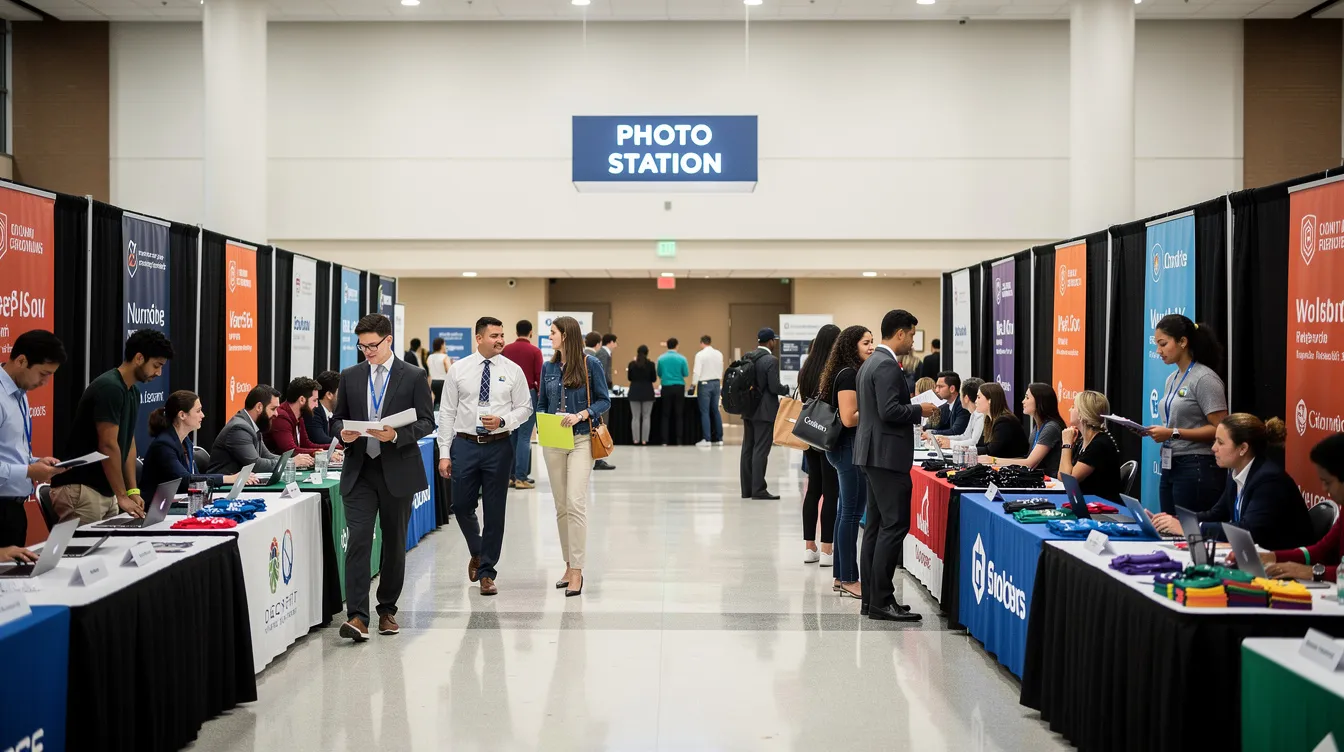
Most universities offer headshot services through one of three models. The first is a dedicated photo booth installed in the career services office, available during regular operating hours. The second is a pop-up headshot station set up at fall and spring career fairs, sometimes staffed by a professional photographer. The third is a scheduled photo day organized by student organizations or the career center itself, often tied to a specific program or college within the university.
Many career centers offer professional headshot booths at events using self-service systems. The iris photo booth, for example, is a self-service headshot option that has become widely adopted. At Georgia State University, an Iris booth became the top engagement tool in the career center, generating over 5,000 headshots in a single academic year. The University of Cincinnati’s Bearcat Promise Career Studio provided more than 10,000 professional quality student headshots via its self-service booth since October 2020.
The photo booth is typically located in the career services office or a nearby student hub. Logistics are straightforward: students check in at a desk or touch screen, wait briefly, sit for a two-to-three-minute session, and receive their photos via email the same day. Career services offers professional headshots for students and alumni at many of these locations, and the service is usually free.
Headshot services are free for students at multiple universities, funded through student technology fees, employer sponsorships, career center budgets, or a combination. Some schools arrange for local photographers to visit campus on behalf of the career center, while others rely entirely on automated booth technology.
Scheduling and Access: Reservations, Drop-Ins, and Wait Times
The two dominant models are reserved time slots and walk-up lines. Reserved systems ask students to book a 10–15 minute appointment through Handshake or an internal portal, receive confirmation, and arrive on time. Drop in models post operating hours, often monday friday during regular business hours, and serve students on a first come, first served basis.
No appointment is necessary for headshot services at many locations that use self-service booths. Students simply walk up, enter their email, and sit for the session. Operating hours for headshot services vary by location, so checking your university’s career fair information page a week in advance is worth the effort.
Peak times tend to cluster between class blocks and just before or during major all-majors fairs. At some schools, the line can build quickly after noon. Arriving early in the event window, ideally within the first hour, helps reduce your wait. If your campus has a booth located on the second floor of the career center, note that mid-morning and early afternoon visits on a monday or tuesday tend to be less congested.
How You Receive and Use Your Career Fair Headshot
Most systems deliver images via email within minutes of the session. When you check in, double-check the email address you enter. If the headshot email does not arrive within a few hours, check your junk or spam folders before contacting the career center office.
A note worth remembering: most campus career services offices do not permanently store personal headshots. Download your files and back them up in a cloud drive. Some booth systems limit access to photos for about 365 days, so do not assume your images will be available indefinitely.
To upload your new image to LinkedIn, Handshake, or university job portals, use a square or 4:5 crop format. LinkedIn recommends a minimum of 400×400 pixels, and larger files (1000×1000 or above) display more crisply after compression. Name your file something clear like firstname-lastname-headshot-2026.jpg to keep multiple versions organized over several recruiting cycles.
What to Wear: Professional Attire for Career Fair Headshots
The appearance of a headshot should be tailored to the specific industry you are targeting. Professional attire should match industry standards for headshot photos, but that does not mean every student needs an identical outfit. The priority is clean, well-fitted clothing that reflects where you want to work.
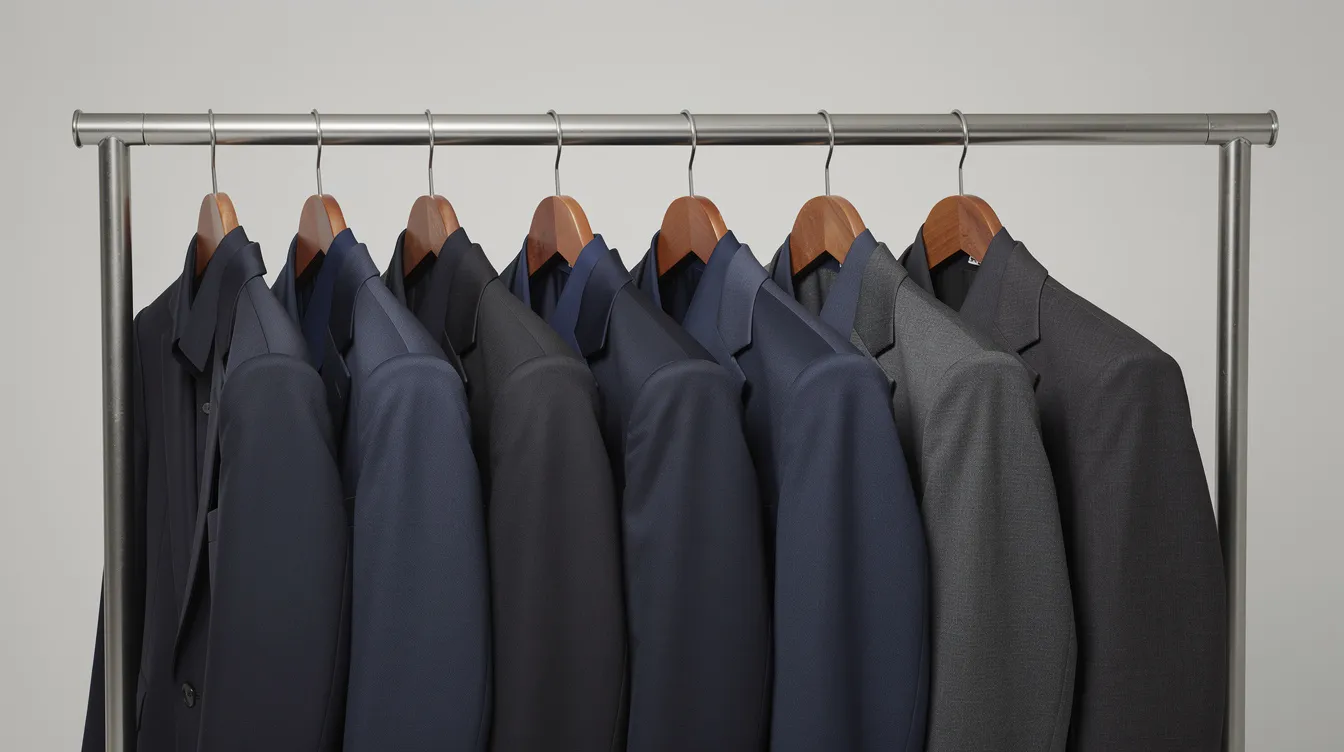
Solid colors are recommended for attire in headshots. Dark colors like black, navy, or grey photograph reliably across skin tones and backgrounds. Busy patterns and bright neon tones pull attention away from your face.
Specific outfit ideas that work well:
- Wear a collared or button-down shirt for professionalism, with or without a tie.
- A blouse with a modest neckline or a blazer over a plain top adds structure.
- Optional items include a tie, jacket, or blazer for polish, depending on your target field.
- A simple dress in a dark neutral works for many industries.
Avoid large logos and distracting accessories. Understated jewelry and minimal visible branding keep the focus on you. Dress in what makes you feel comfortable and confident, because that ease shows up in the final image.
Many campuses offer professional clothing closets or lending programs. If cost is a concern, visit these resources before the fair to access free professional outfits. Some student organizations arrange clothing drives specifically ahead of career fair season.
Grooming, Makeup, and Accessories that Photograph Well
The goal is to look like a polished version of yourself, not an unrecognizable version. Authenticity matters to employers, and a headshot that looks dramatically different from the person who shows up to an interview creates confusion rather than confidence.
Prepare hair and makeup to feel confident in your photo. Smooth flyaways, keep hair off the eyes, and bring a comb or brush for quick touch-ups before stepping in front of the camera. For those who wear makeup, aim for an even complexion and matte or lightly de-shined skin. Avoid overly reflective or glitter products that catch studio lighting in unflattering ways.
If you wear glasses, clean lenses thoroughly before the session. A small amount of reflection is acceptable and far better than removing prescription lenses and straining to see the camera.
Simplify accessories: one pair of earrings, one necklace, or one watch is usually enough. Large headphones, lanyards, and name tags should be removed for the photo.
Posing and Expression Tips for Confident Headshots
Most career fair headshots are taken quickly, so having a few simple poses in mind helps. Turn your shoulders slightly rather than facing the camera straight on, sit or stand with your back straight, and bring your chin gently forward and down. Headshots should project confidence in skills and personal brand without looking stiff.
An authentic smile in a headshot communicates warmth and approachability. Practice smiling in the mirror or with a phone camera the day before, aiming for a relaxed, engaged expression. A useful breathing technique: one deep breath in, exhale, then smile at the end of the exhale to reduce tension around the mouth.
Photographers or booth instructions often guide positioning, asking you to align your eyes with the lens, center your head, and leave space above the hairline. Follow those prompts. Keep hands out of the frame for tight head-and-shoulders shots to simplify posing and avoid awkward hand placement.
Backgrounds, Lighting, and Technical Details to Expect
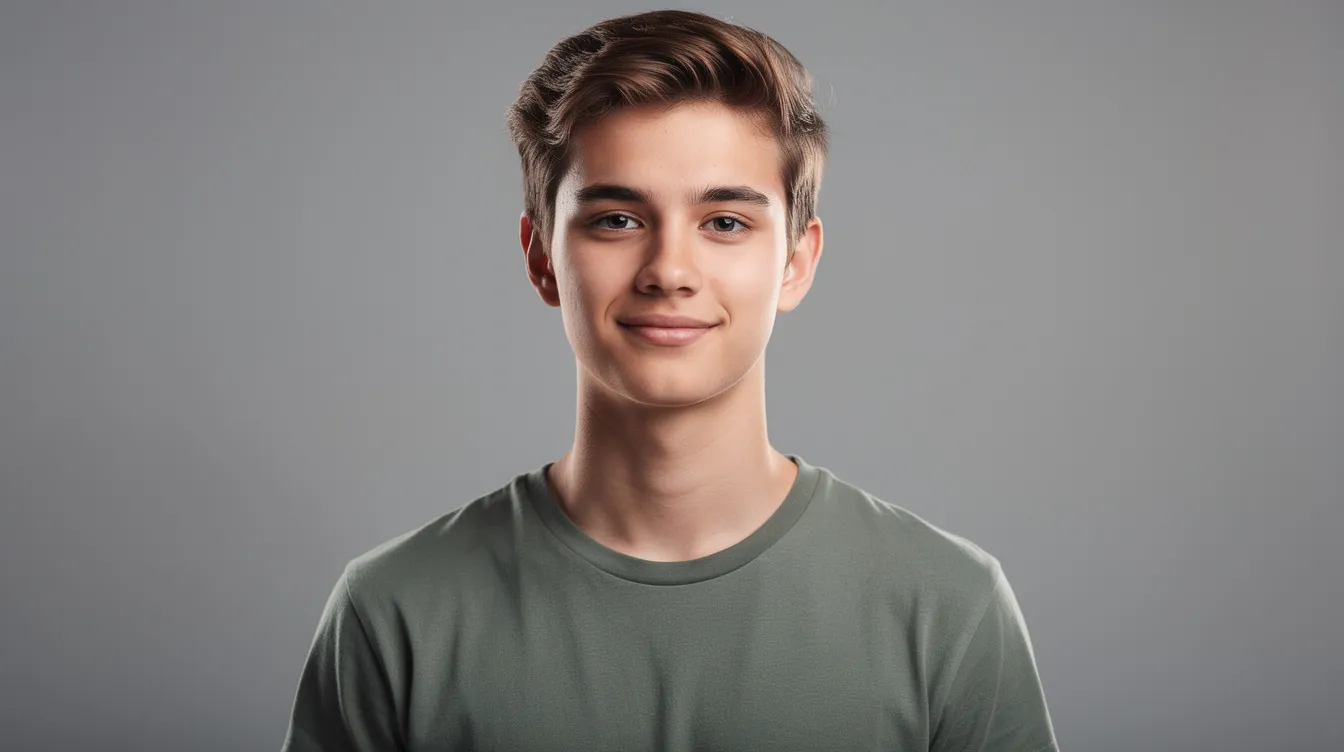
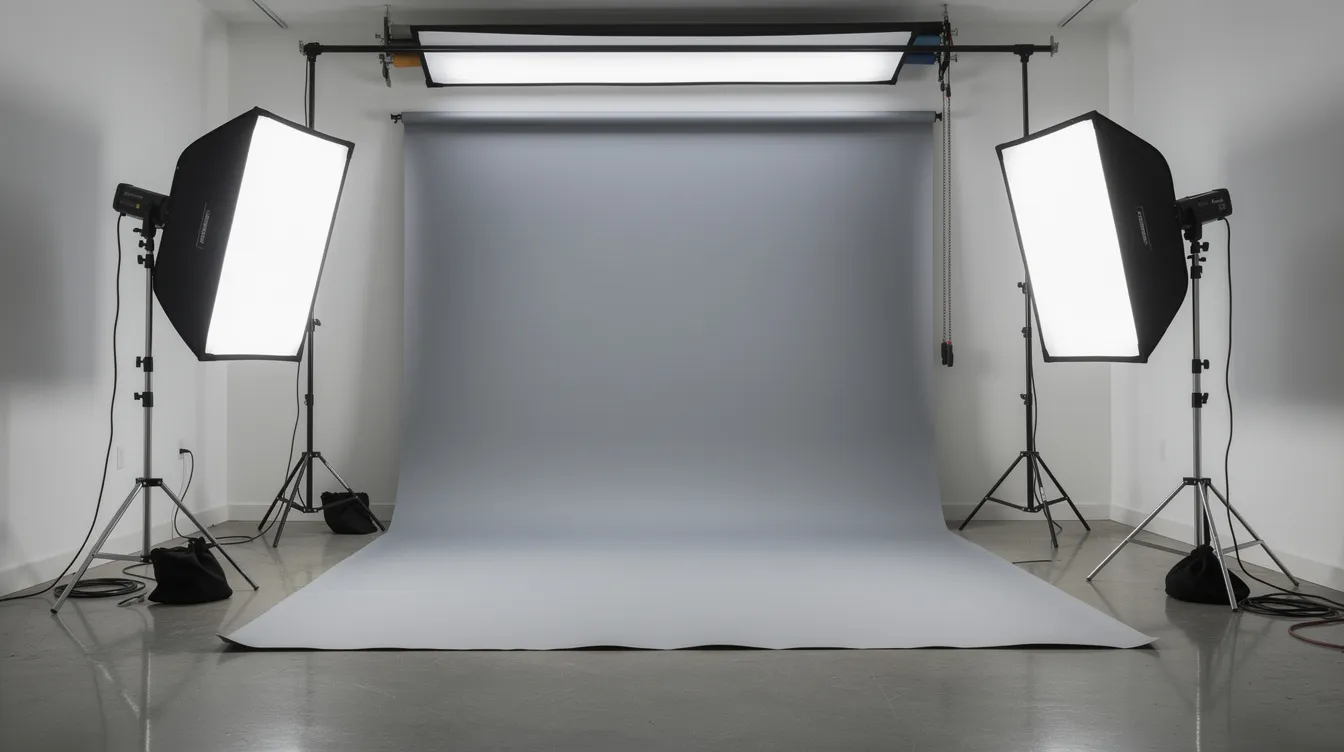
The most common setup at campus headshot stations is a neutral background, typically light gray, white, or a soft gradient, paired with soft, even high quality lighting that flatters a wide range of skin tones. Use a neutral background for a professional headshot whenever possible, as it keeps attention on your face.
Self-service photo booths on campus typically have pre-set lighting and exposure controls. Staffed photographer stations may adjust camera equipment and settings for each subject, producing slightly more customized results. Clarity and proper lighting are crucial in headshot photography, and both automated and staffed setups are designed with this in mind.
Students are usually framed from mid-chest or shoulders up, leaving enough space to crop square or vertical for different platforms. Natural light is ideal for taking effective headshots, and some outdoor headshot stations may appear at spring career fairs when weather allows, providing campus scenery as a backdrop.
If you want results that go beyond what a standard booth can deliver, working with a dedicated headshot photographer like Headshots by Gareth gives you full control over lighting, posing, and retouching for a portrait that works across every platform and application.
Accessibility and Special Accommodations at Headshot Stations
Every student should be able to participate in headshot opportunities regardless of mobility, sensory, or other accessibility needs. If you require accommodations, contact career services by phone or email a week or more in advance to allow adequate planning.
Examples of accommodations include adjustable seating, quieter times of day for students sensitive to crowds, and alternative locations for those unable to access upper floor venues. Some booth models, like the Iris Air, are designed with accessibility in mind, but physical layout varies by campus.
Organizers should include accessibility notes on event promotion pages: elevator access, step-free routes to the photo area, and contact information for questions. Student organizations hosting their own headshot days should coordinate with disability resource centers to assist with campus accessibility standards.
Role of Career Services, Employers, and Student Organizations
University career services teams typically lead planning for headshot offerings as part of broader career fair programs and year-round career readiness initiatives. They provide the space, secure funding, review the logistics, and promote the service through newsletters and websites.
Employers sometimes sponsor free professional photo stations at flagship events in exchange for signage and visibility. This employer support helps reduce cost for the career center while giving companies direct branding exposure during the fair.
Student organizations, from business fraternities to engineering clubs and multicultural associations, often host additional headshot days for their members. This collaboration works best when career centers provide equipment and space, student groups promote sessions to peers, and employers contribute funding or volunteer support. The shared effort helps more students access professional headshots, including those who might not otherwise prioritize or afford them, and extends the reach to faculty and alumni as well.
Making the Most of Your Headshot After the Career Fair
Update your LinkedIn profile within 24–48 hours of receiving your new image. Professional headshots enhance personal branding on LinkedIn, especially when paired with a refreshed headline and “About” section reflecting current career goals. According to LinkedIn’s own data and institutional career guides, profiles with a strong professional photo receive dramatically more views than those without.
Use the same headshot across multiple platforms to build consistent personal branding: university email avatar, Handshake account, e-portfolio, and any conference bios. Consistency helps recruiters and companies recognize you across the digital world.
Revisit your headshot annually or whenever there is a major change in appearance, role, or academic status. Before junior-year internship recruiting or the final semester before graduation are natural refresh points. A current image helps employers recognize you when you visit their offices or meet them on campus.
Pair your headshot with professional behavior at in-person events: punctuality, prepared questions for employers, and polished follow-up emails after the fair. Headshots can also be used on personal websites, graduate school applications that allow photos, and speaker profiles for student-led conferences. Posting a consistent, current image everywhere you have a digital presence signals professionalism that extends well beyond the career fair floor.
If you are preparing for a critical recruiting season and want a headshot with more creative control than a campus booth provides, consider booking a session with Headshots by Gareth. A dedicated session gives you time to review multiple looks, arrange wardrobe changes, and walk away with images guaranteed to work across every platform you need.
Planning and Promoting Career Fair Headshot Stations (For Organizers)
Clear communication and strong promotion significantly increase utilization of headshot services on campus. Set up headshot stations in high-traffic but not congested areas of the fair venue, with visible signage and directions from main entrances. If your booth is located on a different floor than the main fair, post courtesy signs at elevators and stairways.
Publish detailed information at least three weeks before the event: dates, times, location, whether photos are free, and any reserve or reservation requirements. Use multiple communication channels including career services newsletters, social media, classroom announcements, and collaborations with key student organizations.
After the event, send follow-up surveys to gather student feedback on wait times, image quality, and access. This data helps organizers review what worked, secure continued funding, and make improvements for the next semester’s organized fairs. Tracking session counts, as Georgia State and Cincinnati have done, also helps demonstrate ROI to university administrators and potential employer sponsors.
FAQ
How early should I arrive for a career fair headshot?
Arrive within the first hour of the posted headshot schedule to avoid mid-day and late-afternoon rushes. If you have a reserved time slot, arriving 10–15 minutes early keeps appointment-based sessions on schedule and shows courtesy to others in line. For very large university-wide fairs, lines can build quickly after major class blocks end, so plan around your course schedule.
Can I retake my headshot if I don’t like the first one?
Most self-service photo booths allow multiple attempts within a short window. Users can typically choose their preferred image on the touch screen before finalizing. Staffed photographer stations may allow one or two quick retakes depending on the length of the line. Speak up politely during the session if something feels off, like a crooked collar or hair out of place, so it can be fixed before the final shot.
Do I have to wear a suit jacket or tie for my headshot?
A full suit and tie is optional, not mandatory. The priority is clean, well-fitting professional attire appropriate to your field. Tech and creative roles may lean business casual, while finance, consulting, and some engineering employers often expect more formal clothing. If you are unsure about expectations, review LinkedIn profiles of professionals in your target roles for real-world wardrobe cues.
What if I miss the headshot station during the career fair?
Check your campus career services calendar for recurring headshot days outside of fair dates. Some universities operate year-round self-service photo booths during regular office hours, often monday through friday, that do not require an appointment. You can also contact student organizations in relevant majors, as many host their own professional photo days each semester. For a higher-end option in New York, you can always request a session with Headshots by Gareth for studio-quality results on your own schedule.
How often should I update my career headshot while I’m in college?
Update your headshot every 12–18 months, or sooner if there is a noticeable change in appearance such as a new haircut, facial hair, or glasses. Keeping the image current helps recruiters recognize you when meeting in person. Refresh headshots at key transition points: before junior-year internship recruiting, at the start of senior year, or during the summer before graduation to make sure your digital presence matches who employers will actually meet.