School picture day comes around every year, and every year it seems to catch families off guard. Whether your child is sitting for their very first school photo or dreading another round of “say cheese,” a little preparation goes a long way toward images everyone actually likes. This guide walks through everything from outfit planning to natural smiles, so the whole time from wake-up to shutter click feels easy.
Key Takeaways
- Explain to kids what will happen on school picture day so it feels familiar, fun, and stress free.
- Choose simple, comfortable outfits in solid or subtle patterns that flatter, and avoid neon, busy logos, or all-black tops.
- Keep grooming realistic: clean face, brushed hair, tidy nails, and glasses wiped before the photo shoot.
- Plan the day-of schedule so no one is rushed, hungry, or overtired when it’s time for school photos.
- Encourage natural smiles and relaxed poses instead of “say cheese,” and let the photographer guide the photo session.

Why Picture Day Matters (and How to Talk About It)
School picture day is more than a line item on the fall calendar. Those photos become a visual timeline that parents and kids revisit for years, showing up on holiday cards, framed on living room walls, and tucked into yearbooks that get pulled out at graduation parties. Each year’s school picture captures something real: a missing tooth, a new haircut, a growth spurt, braces, a shift in style. The pictures tell stories that family members hope to hang onto for decades.
That said, the goal is not perfection. The goal is a stress free, enjoyable experience where your child looks and feels like themselves. When parents keep expectations realistic and the morning routine calm, the best images tend to follow naturally. Talking to your child the night before helps set the right tone. You might describe the setup in simple terms: “There will be bright lights, a background screen, and a photographer who will ask you to sit on a stool and smile. It takes about thirty seconds, and then you walk right back to class.”
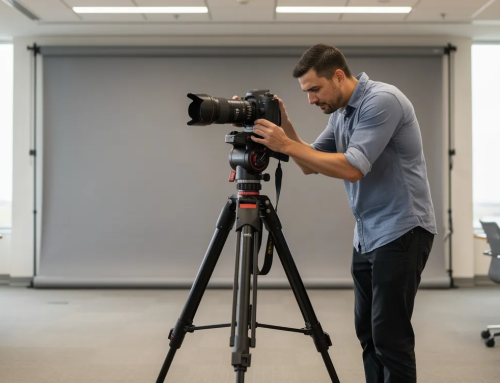
Many of the same principles that create great school photos, like wearing clothes that fit well, feeling rested, and relaxing in front of the camera, also apply when families later book a professional portrait photo shoot with a studio like Headshots by Gareth.
Explaining Picture Day to Your Child
Kids feel more comfortable when they know what to expect. A quick walk-through the evening before can make the whole morning easier. Tell them what time they will wake up, what they will wear, and how the photo session works: they will line up, sit down, look at the camera, and head back to their teachers. Keep the explanation matter-of-fact rather than dramatic.
For preschoolers, keep language simple and concrete. You might say, “A nice adult with a big camera will take your picture. You just sit still for a second and smile.” For elementary-age kids, showing a sample school picture or a short video from the photography company helps demystify the lights, the stool, and the backdrop so nothing feels intimidating. Middle-schoolers may worry more about how they look. Normalize braces, acne, and awkward growth phases as part of the page they are on right now.
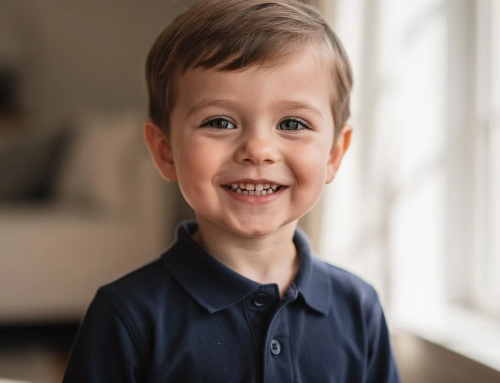
Let children know they can chat with the photographer. A silly photographer can help children feel at ease during photos, and most school photographers have heard every joke and seen every funny face. Natural smiles generally look better than excessive practicing of smiles, so encourage your child to think of something that genuinely makes them happy rather than rehearsing a stiff grin.
Choosing the Right Outfit for School Picture Day
Plan outfits in advance for school picture day, ideally two to three days ahead. This gives you time to check for stains, missing buttons, or scratchy tags without the stress of a morning scramble. Lay out the outfit a day prior and, if possible, test the look under similar lighting to what the school uses.
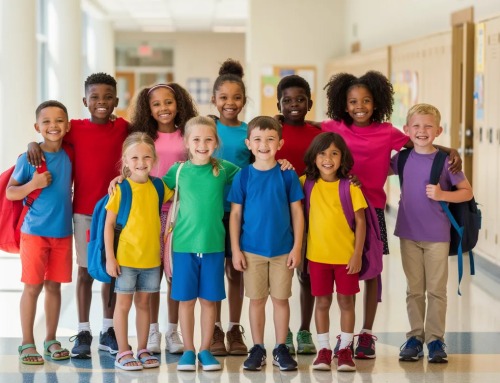
When you choose colors, lean toward rich earth tones or jewel tones like emerald, sapphire, cranberry, or rust. Solid colors or subtle patterns photograph beautifully for school photos and won’t compete with your child’s smiling face. Avoid bright or neon colors because they can create unwanted skin color casts under flash lighting. Also avoid grey tops, as they tend to blend with the backdrop that many schools use, making your child’s head and shoulders disappear into the background.
Black tops on a black backdrop make your child look like a floating head, while all-white shirts can blow out under flash. Mid-tone alternatives like navy, olive, or warm burgundy are safer bets. Avoid large logos or graphics to prevent distractions in photos, and skip clothing with cartoon characters or text that will pull attention away from their expression.
Because school photos are framed tight around the shoulders and chest, necklines matter. Crew necks, collared shirts, and simple layers create clean lines. For younger kids, try having them wear the outfit for an hour at home to spot anything that causes fidgeting, from slipping straps to an itchy collar.

Age-Specific Outfit Tips
What works for a five-year-old is different from what works for a fifteen-year-old. Here is a quick breakdown by age:
- Preschool and Kindergarten: Stick with soft, flexible fabrics like cotton knit. Skip accessories that can be pulled off, chewed, or dropped. Pack a backup shirt in the backpack in case of a breakfast spill.
- Elementary School: Let kids choose between two or three parent-approved options so they feel ownership of their look. This is a good age for simple layers, a cardigan or vest over a solid tee.
- Middle School: Plan around braces, new glasses, or a recent haircut. Encourage a clean, simple style that feels like “them” rather than a costume. Avoid trying a completely new hairstyle or dress code the morning of.
- High School: These school pictures often end up in yearbooks and graduation slideshows. A slightly more polished version of their everyday style works well. Think well-fitted shirt, neat collar, subtle accessories. The idea is cute and put-together without looking overly staged.
Hair, Grooming, and Accessories
Grooming does not need to be elaborate. A few simple steps the week before and the morning of the photo shoot keep everything looking fresh without adding pressure.
- Schedule haircuts one to two weeks prior to picture day. Cutting hair the day before can leave it looking too sharp or unfamiliar. Five to seven days gives hair time to rest and settle into its natural shape.
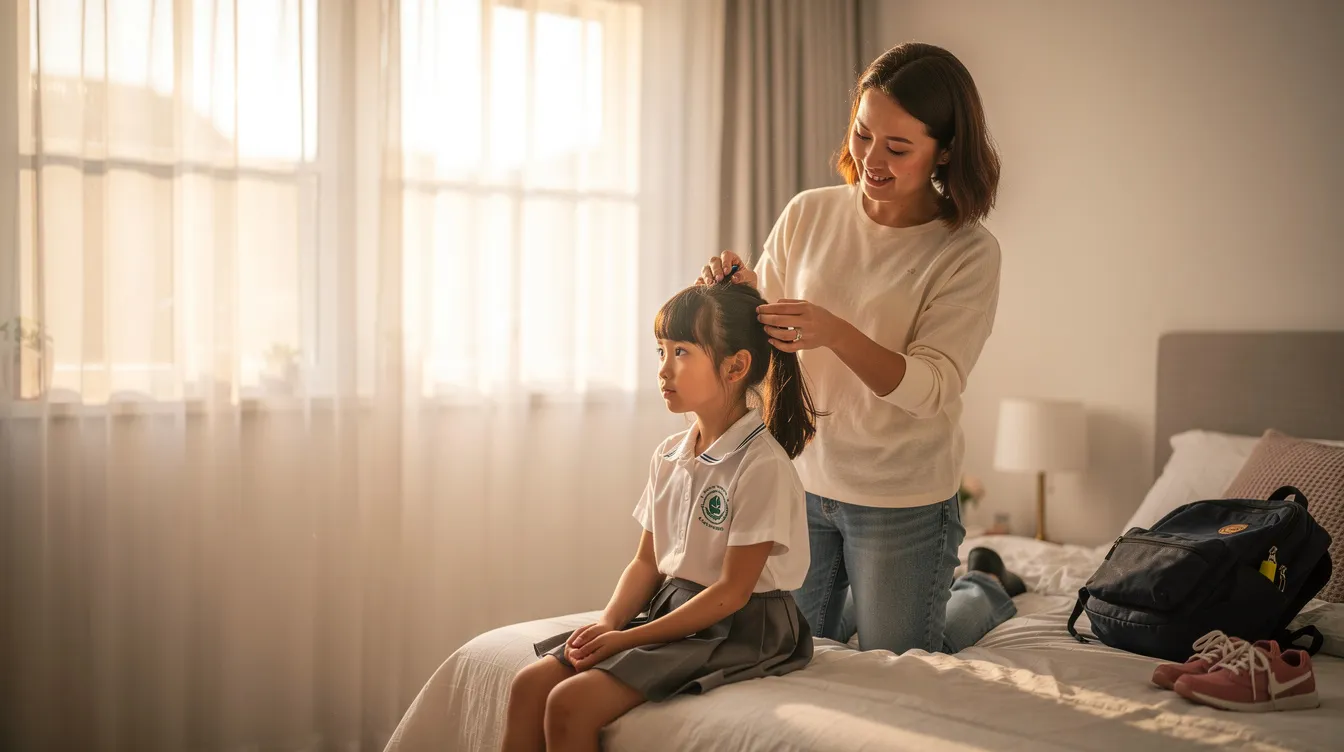
- Choose a simple, durable hairstyle. A clean part, a ponytail, braids, or natural curls tamed with minimal product all hold up well. Elaborate updos often fall apart before the photo session, creating stray hairs that show in every frame.
- Do a quick face check at breakfast: wipe hands, nose, mouth corners, and teeth. Dried toothpaste and cereal crumbs are more common than you might expect.
- Ensure nails are clean, trimmed, and free of chipped polish. Hands may not always show in the frame, but they sometimes do.
- If your child wears glasses, clean the lenses carefully before school. Avoid transition lenses if possible, since they may not fully clear indoors and can look unevenly tinted. Remind kids to keep glasses straight on their nose so the photographer does not have to adjust them.
- For older students who wear makeup, stick to familiar products. Avoid heavy shimmer or brand-new foundations on picture day that could cause irritation. Keep the look close to their everyday beauty routine, just slightly polished.
- Accessories should be small and meaningful. Simple studs, a favorite necklace, or a clean headband all work. Giant bows, noisy bracelets, or hats will overshadow the school photo.
Making the Day Itself Go Smoothly
A calm morning is half the job of getting a good school picture. The night before, set out clothes, hair supplies, and any accessories so there are zero decisions left for the morning. Plan complete outfits including accessories to reduce morning stress.
Aim for seven to eight hours of sleep the night before to prevent dark undereye circles. Drink plenty of water the night before to keep skin hydrated, and have kids eat a full breakfast so they are not hungry or irritable when it is time to stand in line. Recommend planning an earlier wake-up time on picture day, even just fifteen minutes, so nobody has to walk out the door in a rush.
Avoid major schedule changes that day. Keep naps, snacks, and medications on their usual timelines. A child who missed a nap or skipped a meal will look tired and feel cranky the whole time they are waiting for their turn. Check for clean faces and brushed hair before leaving for school, and tuck a small comb and tissues into their backpack pocket for a quick touch-up if teachers allow it.
Keep the tone light and matter-of-fact. Overhyping the day can make anxious kids worry more. A simple “you look great, have fun today” is enough.
Helping Kids Relax in Front of the Camera
Natural expressions come from kids feeling relaxed and themselves, not from drilling a smile in the mirror. That said, a little casual practice a few days in advance can help. Try sitting together and smiling gently with eyes relaxed, shoulders dropped, and chin level. The goal is familiarity with the feeling, not a rehearsed pose.
Practice smiling at home by thinking of something genuinely funny, a pet’s weird habit, a favorite joke, a moment from a show. Letting kids choose their poses increases their comfort level and reduces stiffness. Encourage them to angle their body slightly away from the camera for a more natural, slimmer profile rather than squaring up stiffly.
Before the shutter clicks, try the “one deep breath” trick: inhale, exhale slowly, then smile. This loosens a tight jaw and tense shoulders. Remind kids to listen to the photographer’s instructions regarding posing and angles, since they do this all day and know what works. Encouraging kids to smile naturally improves photo quality far more than any forced smiles or rehearsed expressions.
Professional photographers, including Headshots by Gareth in New York, rely on conversation, prompts, and gentle direction to bring out real expressions. School photographers use similar techniques on picture day, so your child is in good hands.
Special Considerations: Siblings, Retakes, and Future Professional Photos
Not every picture day follows the standard script. Some schools schedule sibling sessions, and coordinating colors without matching outfits exactly lets each child’s personality show. Share a color palette, maybe navy and cranberry, but let each kid wear a different style.
Retakes exist for a reason. Mark retake dates on the calendar as soon as they are announced. If the first school picture went wrong because of a bad hair day, an illness, or a mood that just was not there, treat the retake as a relaxed second chance. For kids who genuinely dislike being photographed, allow a favorite small object in a pocket for comfort, and remind older students that the photo session is quick and they are in control of their expression.
Learning to relax and look natural on school picture day makes later senior portraits, college application headshots, or professional photo sessions with a studio like Headshots by Gareth much easier. The confidence carries forward.

When You’re Ready for a More Polished Photo Shoot
School photography is fast-paced by design. Each student gets roughly thirty seconds, a single background, and limited direction. A planned photo session is a different experience entirely: more time for outfit changes, refined lighting, and personalized posing guidance tailored to the individual.
The same basics still apply. Simple clothing, natural expressions, and good rest create the foundation for any great portrait. But in a dedicated session, you have room to experiment, to try a few looks, to relax into the process without a line of classmates waiting behind you.
Headshots by Gareth, based in New York, helps students, parents, and professionals prepare step-by-step with wardrobe suggestions and on-set coaching so they are not left guessing how to stand or what to do with their hands. If you are looking for updated portraits that go beyond the yearbook, whether for a senior, a working professional, or a family milestone, reach out to Headshots by Gareth when you are ready.
FAQ
What should my child bring to school on picture day?
Send your child in their picture day outfit with a light layer like a zip-up hoodie they can remove before the photo. A small comb or brush tucked into a backpack pocket is useful for last-minute touch-ups if teachers allow it. Avoid sending toys, messy snacks, or markers right before photos to prevent stains and distractions. Keep it simple so they can focus on having fun.
How far in advance should we start preparing for school photos?
Start about a week in advance by choosing the outfit and scheduling any needed haircuts. One to two days before, do final checks: make sure the clothes are clean, buttons are intact, and accessories are ready. The evening before, have a short chat with your child to walk through what will happen so they feel prepared without being overwhelmed.
What if my child has braces or is missing teeth?
Braces and gap-toothed grins are part of their real school years and often become the most loved pictures later. Encourage your child to smile naturally rather than pressing their lips together to hide teeth. Closed-mouth smiles often look more strained than a genuine, open grin. For a more polished look down the road, a dedicated photo shoot is always an option.
Can my child wear makeup for picture day?
Older students who typically wear makeup should stick to their usual everyday style on picture day. If wearing makeup, keep it slightly heavier than everyday looks due to the camera and flash, which tend to flatten features. Avoid trying new products that morning, skip heavy shimmer, and aim for a matte finish. The sign of great picture day makeup is that it looks like a polished version of the student’s normal appearance.
When does it make sense to book a professional portrait instead of relying on school photos?
Key milestones like senior year, performing arts auditions, college applications, internships, or updating a LinkedIn profile are all strong reasons to invest in a dedicated headshot or portrait session. A studio like Headshots by Gareth offers more control over lighting, posing, and expression than a quick school photo, giving students and parents images they can use well beyond the yearbook page.