Getting ready for drama school applications, dance program auditions, or conservatory admissions can feel like a whirlwind. One element that often surprises families is just how much weight a single headshot carries in the process. This guide walks you through everything you need to know about performing arts school headshots, from preparation and session day to selecting final images and keeping them current.
Key Takeaways
- Strong performing arts school headshots are essential for applications to drama schools, youth theater, dance programs, and conservatories across New York and beyond.
- Headshots by Gareth is a dedicated headshot photographer in New York who regularly works with young actors and dancers and is genuinely super excited to help them stand out in competitive admissions cycles.
- Successful headshots for the performing arts focus on authenticity, age-appropriate personality, and clear, simple styling rather than heavy makeup or costumes.
- Parents and students should plan looks, hair, and scheduling carefully, collaborating with the photographer and, where relevant, drama teachers or coaches.
- This article covers preparing for the session, what happens on the day, how to choose final images, and how often to update headshots.
Why Performing Arts School Headshots Matter
A headshot functions as a visual audition. Admissions teams, casting panels, and choreographers often see the photo long before they read a resume or watch a video submission. Casting directors form first impressions in seconds based on headshots, which means yours needs to register quickly and honestly.
Professional headshots are essential for auditions and representation. They demonstrate professionalism to casting directors and can prevent a young performer from being eliminated before they even get a chance to perform. High-quality images convey castability and show that a student takes their craft seriously. A good headshot can significantly impact casting decisions at places like LaGuardia High School, NYU Tisch summer programs, or regional conservatory auditions.
Unlike standard corporate portraits, performing arts school headshots for young people must show range, youthfulness, and genuine character suitable for stage and screen training. These photos are used in unified auditions, school websites, playbills, program applications, youth company rosters, and submission platforms like Acceptd. In New York City, where competition for spots is intense, a strong and truthful headshot is a critical part of the overall application package.
What Makes a Strong Performing Arts School Headshot?
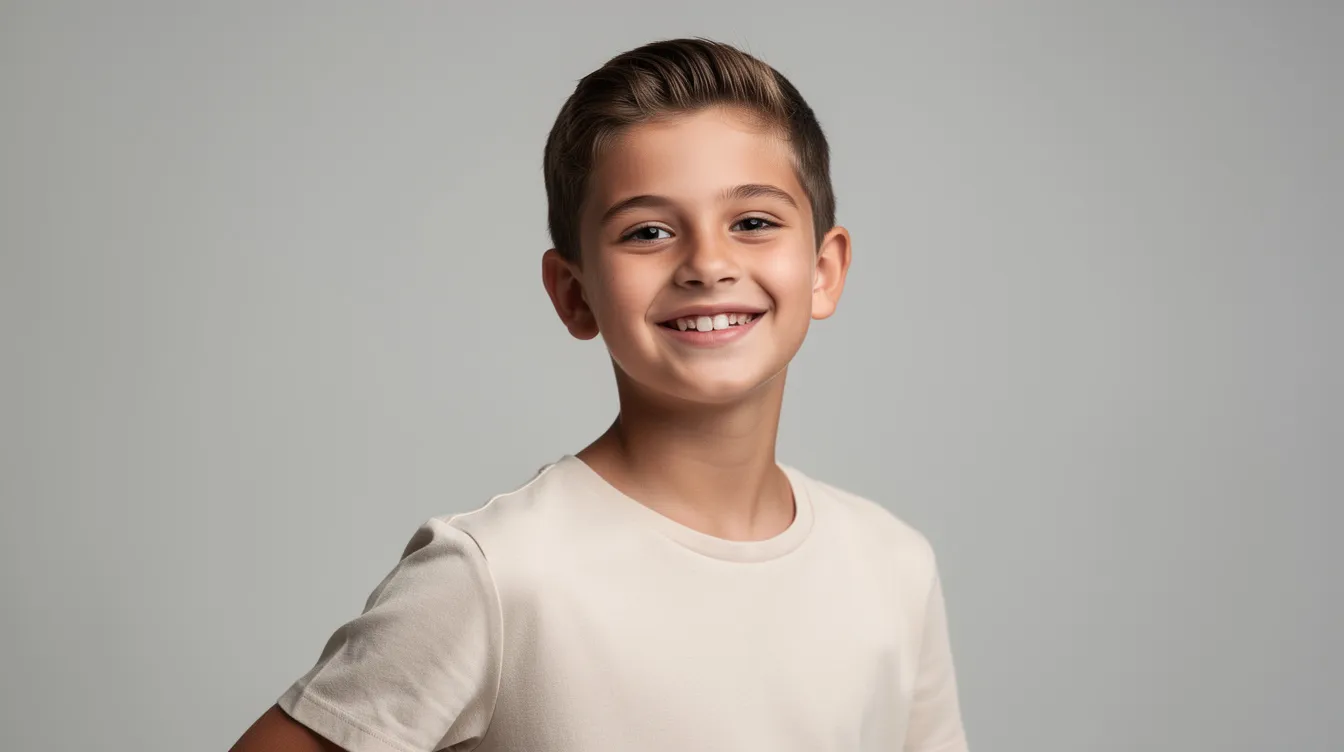
A performing arts headshot is a clean, close portrait that clearly shows the student’s face, energy, and casting type without distracting styling. Composition typically crops from mid-chest to just above the head.
Key visual elements include:
- Sharp focus on the eyes with visible catchlights
- Natural-looking skin tones and accurate color balance
- Soft, even lighting that avoids harsh shadows
- Simple, uncluttered backgrounds
- Natural light, which gives a softer quality to headshots when shooting outdoors
The headshot should feel alive and present, showing whether the student naturally reads as comedic, dramatic, classical, or contemporary. Theatrical headshots can be more serious compared to commercial shots, and actors typically need at least two distinct headshots for auditions so they can demonstrate range. A headshot session should include at least two distinct looks to capture that variety.
Age-appropriate presentation matters enormously for children and teens. Avoid heavy retouching, overly adult makeup, or intense glamour styling. Admissions staff and casting directors want to see the same person in the photo as in the audition room. Honesty and recognizability are more valuable than perfection.
Choosing the Right Headshot Photographer in New York
Parents and students can feel overwhelmed by choices, especially in New York where headshot photographers are everywhere. Not all of them specialize in youth performing arts work.
When selecting a photographer, look for:
- A strong portfolio of youth and performing arts headshots across different ages and skin tones
- Experience working with drama schools and dance programs
- Understanding of current headshot expectations for 2025–2026 admissions cycles
- Consistency across full galleries, not just a few standout images
Ask for referrals from actor friends who have gone through the process. Many headshot photographers offer free consultations before booking, which helps you gauge their style and personality. A typical headshot session costs between $400 and $1,500, and most photographers charge a flat fee for the session itself. Expect to pay a deposit in advance for headshot sessions, and confirm whether headshot prices include photo editing and light retouching.
At Headshots by Gareth, the focus is on collaborative sessions where students are guided gently through posing and expression, with space for both serious theatrical looks and warm, approachable commercial styles.
Preparing Young Actors and Dancers for Their Session
Preparation helps students relax and allows their natural personality to shine through. Starting several weeks out makes a real difference.
Wardrobe guidance:
- Choose solid colors with minimal logos and no busy patterns or heavy jewelry
- Solid primary colors and jewel tones enhance headshot effectiveness
- Actors should wear simple, non-distracting clothing
- Bring 2–3 outfit types: a grounded dramatic look like a fitted dark tee, a brighter friendly look in a warm color, and for dancers a clean dance-friendly option like a leotard or fitted tank
Grooming tips:
- Schedule a fresh haircut at least a week before the shoot so it has time to settle
- Keep makeup natural and age-appropriate if used at all
- Clean nails, simple hair styling that mirrors how they would present at an audition
Mindset preparation:
Encourage practice beforehand with light expression exercises in the mirror. Exploring subtle changes in smile, seriousness, and focus helps students feel excited rather than anxious when the camera comes out. Bring a list of roles, characters, or plays they love. This gives the photographer concrete direction for capturing their essence.

On the Day: What a Performing Arts Headshot Session Feels Like
A typical session with Headshots by Gareth flows from arrival to warm-up to final shot in a calm, encouraging atmosphere. Sessions usually run between 60 and 120 minutes, depending on the number of looks and whether the student is pursuing acting, dance, or both. Adding another hour to a headshot session increases the price, so planning your time wisely helps families meet their goal without unnecessary cost.
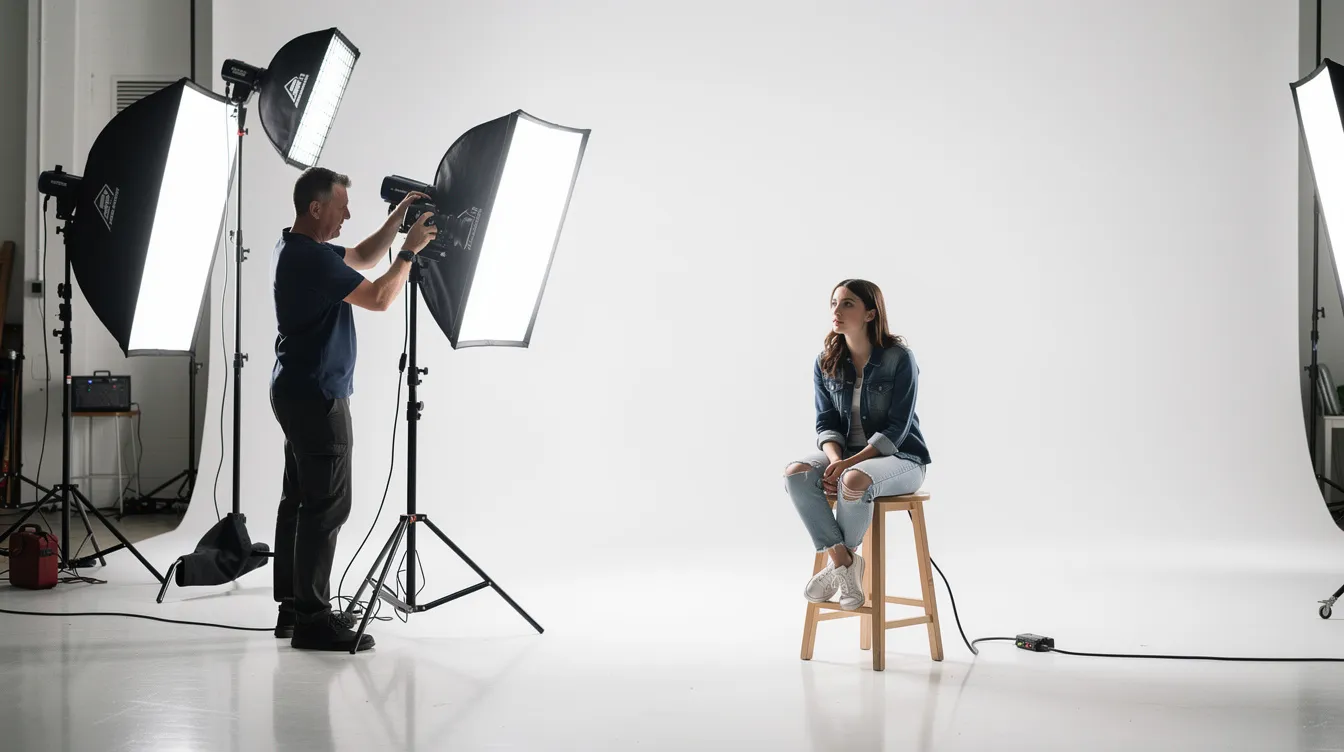
The photographer will set up lighting and backgrounds tailored to the student’s features and intended programs. Softer, natural-feeling light works well for musical theater, while slightly moodier, more sculpted lighting suits classical drama. Direction is given in accessible terms for children and teens: thinking about characters, imaginary scenes, or specific feelings rather than overly technical posing instructions. This kind of action helps even nervous students find their moment.
Parents or guardians can be present for support, but the photographer may occasionally work one-on-one with the student so they feel free to experiment. Sometimes the best pictures come when a young performer forgets the camera is there.
Headshots for Different Performing Arts Paths
While all performing arts school headshots share common principles, different disciplines benefit from slightly different emphasis.
Young actors and drama school applicants need layered expression, thoughtful eyes, and versatile looks that could fit both contemporary plays and classical pieces. The images should read as casting-ready for film and theater alike.
Musical theatre students benefit from slightly more open, expressive energy. A welcoming smile option, wardrobe that hints at warmth and playfulness, and a sense of approachability all matter here. These are the people who might one day be cast in roles that demand both mercy and humor on stage.
Dancers applying to pre-professional dance programs or a conservatory should show strong, poised posture and an elongated neck line. At least one look should subtly reference their dance background while keeping the frame primarily on the face.
A single well-planned session with Headshots by Gareth can yield a small set of images appropriate for multiple program types, helping families maximize value and flexibility for the future.
Selecting and Using Your Final Headshots
Careful selection is as important as the session itself, since these images will be attached to applications and audition materials for a year or more. After proofs are delivered, create a shortlist of favorites and compare them to the student’s current look in everyday light. What you see indoors under the sun streaming through a window should match what the photo shows.
Seek feedback from drama teachers, dance instructors, or private coaches who understand what specific programs look for. People who work in admissions can often read a headshot and know immediately whether it fits.
Choose different images for different purposes:
- A more serious, theatrical image for drama applications
- A warmer, approachable image for musical theatre or commercial youth work
- A confident, poised image for dance schools
For practical use, keep high-resolution files for printing playbills and posters, correctly sized digital versions for online submissions, and label files simply with the student’s name and year.
Retouching, Updates, and Staying Current
Retouching should support clarity and professionalism while preserving natural texture and age-appropriate appearance. Light retouching for youth means cleaning temporary blemishes, controlling shine, and minor color balance adjustments. It does not mean reshaping features, erasing freckles, or altering body shape. The brand of authenticity matters more than airbrushed perfection.
Young people change fast. According to industry guidance from Capturely, children should update headshots every six months, while actors should update headshots every one to two years. Headshots should always reflect the actor’s current look and age. New headshots are needed when changing your look significantly, whether that means a new hairstyle, braces, or a growth spurt.
Trends in headshots change over time, so stay current with casting preferences. Black-and-white headshots are now considered outdated, for example. Keep your images updated so they follow what admissions teams and casting directors expect to see in 2025 and 2026.
Headshots by Gareth can advise families on when a simple refresh will do and when it is time for a full new session, based on the student’s age and application calendar. Follow the studio on instagram for examples and seasonal reminders.
FAQ
When should we schedule headshots before performing arts school applications?
Families should aim to book sessions two to three months before major application deadlines so there is time to review proofs, choose images, and handle retouching or printing. For fall 2026 conservatory and drama school applications, many New York families plan headshots in late spring or early fall 2025, leaving summer for training and audition prep. Remember that prominent photographers may be booked well in advance, so planning ahead is the care your family needs to take.
How long does a typical youth performing arts headshot session take?
A focused session with Headshots by Gareth usually runs between 60 and 120 minutes, depending on the number of looks and whether the student is an actor, dancer, or both. This timeframe allows for warm-up, outfit changes, and breaks so the student never feels rushed. It is a great investment of time for making images that will serve them across a long application season.
Do we need an agent or manager before getting professional headshots?
Representation is not required. Many families commission performing arts school headshots specifically to support applications that may eventually lead to youth representation. Strong, professional photos help students feel more confident when pursuing opportunities with youth agencies, talent managers, and casting calls after they are admitted to programs. Headshots serve as essential tools for showcasing an actor’s professionalism to anyone they meet in the industry.
Can one set of headshots work for both school auditions and local theatre or community work?
Well-planned sessions can produce a versatile collection. One or two images may be ideal for training programs, while a few options also fit community theater, youth companies, or student film casting needs. Discuss your goals with Headshots by Gareth beforehand so the session can capture elements suited to both educational and early career opportunities. Friends and family often notice how much more confident a young performer becomes once they have professional photos that truly represent who they are.
What if my child feels nervous in front of the camera?
Nervousness is common, especially for first-time headshot clients. The photographer will take time to chat, warm up, and build trust before the focused part of the shoot begins. Headshots by Gareth uses simple exercises, conversation about roles, shows, and events they love, and gentle direction to help young performers relax. The hard work of getting comfortable pays off when the final images capture genuine expression. Most students walk out feeling proud of what they accomplished that day.