If your school’s website still relies on outdated yearbook-style pictures to tell its story, you are likely missing families before they ever set foot on campus. School admissions photography is now a strategic priority for institutions across New York, and the way you present your community visually can determine whether a prospective family decides to explore further or moves on.
Key Takeaways
- School admissions photography, school marketing photos, and student life portraits are strategic tools designed to attract the right families, and they differ sharply from standard yearbook portraits in purpose, technique, and creative direction.
- New York schools now rely on professional images across websites, admissions brochures, social media, and virtual tour platforms to communicate their values, culture, and daily student experience.
- Admissions portraits and student life photography require editorial-style planning, storytelling, and art direction rather than one-size-fits-all posed shots with a single backdrop.
- Emerging technologies such as 4K video, virtual tour interfaces, and AI-assisted curation are reshaping how admissions teams showcase campus life for the 2025–2026 cycle and beyond.
- Headshots by Gareth partners with admissions and marketing offices at NYC schools to plan, shoot, and deliver cohesive, on-brand visual campaigns that serve enrollment goals for 12–18 months.
What Is School Admissions Photography (and Why It Matters Now)
School admissions photography is a specialized branch of educational photography focused entirely on recruiting and enrollment. It is not documentation for the sake of record-keeping. Every image is crafted to present the school’s identity, values, and daily life in a way that persuades families to take the next steps toward applying. In a city where independent K–12 schools on the Upper West Side, charter middle schools in Brooklyn, performing arts high schools in Manhattan, and small liberal arts colleges throughout the metro area all compete for the same pool of motivated families, the power of a first visual impression cannot be overstated.
Think about how families in the 2025–2026 admissions cycle actually encounter your school. They search Google, scroll Instagram, open a digital viewbook PDF that arrives by email after an inquiry event, or click through a virtual tour page on a friday evening after the kids are in bed. In each of those moments, the photography either draws them in or pushes them away. School admissions photography should showcase authenticity and technical capability while also making the viewer feel that this place is where their child could succeed. Research from the E-Expectations 2025 study found that 65 percent of students said a virtual tour made them more likely to apply. That numbers game applies to K–12 families just as much as it does to university-bound seniors.
The difference between standard school portraits and admissions photography is significant. Standard portraits are fast, high-volume, and uniform: one backdrop, one pose, one expression. Admissions photography is slower paced and story-driven, tailored to each campus. It is designed to capture effective admissions images through a mix of candid moments and campus highlights, and it should highlight student engagement and community at every turn.
How Admissions Photography Differs from Standard School Portraits
Yearbook photos exist for record-keeping and parent keepsakes. Admissions imagery exists for persuasion, positioning, and brand storytelling. Those are fundamentally different goals, and they demand a fundamentally different approach to every aspect of the shoot, from creative direction and time per student to the use of campus locations, wardrobe guidance, and post-production style.
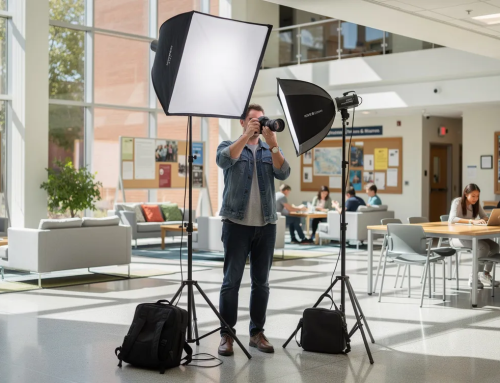
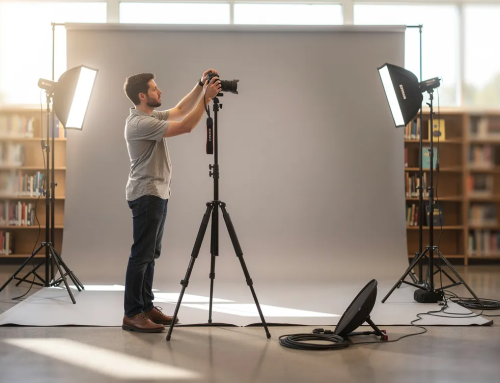
Where a yearbook photographer might spend thirty seconds per student, admissions portrait sessions typically run ten to twenty minutes per person, allowing the photographer to work in multiple locations and capture genuine student interactions instead of staged poses. Authenticity in photographs involves capturing natural postures and expressions, and that takes time and conversation. Proper lighting at a 45-degree angle can create dimension in photographs, and leveraging natural lighting helps create a warm and welcoming aesthetic that feels real rather than clinical. Photographers should always clean the camera lens for clear, high-quality images, avoid technical flaws such as blown-out highlights or dark shadows, and choose clean backgrounds to avoid distractions that pull the viewer’s eye away from the subject.
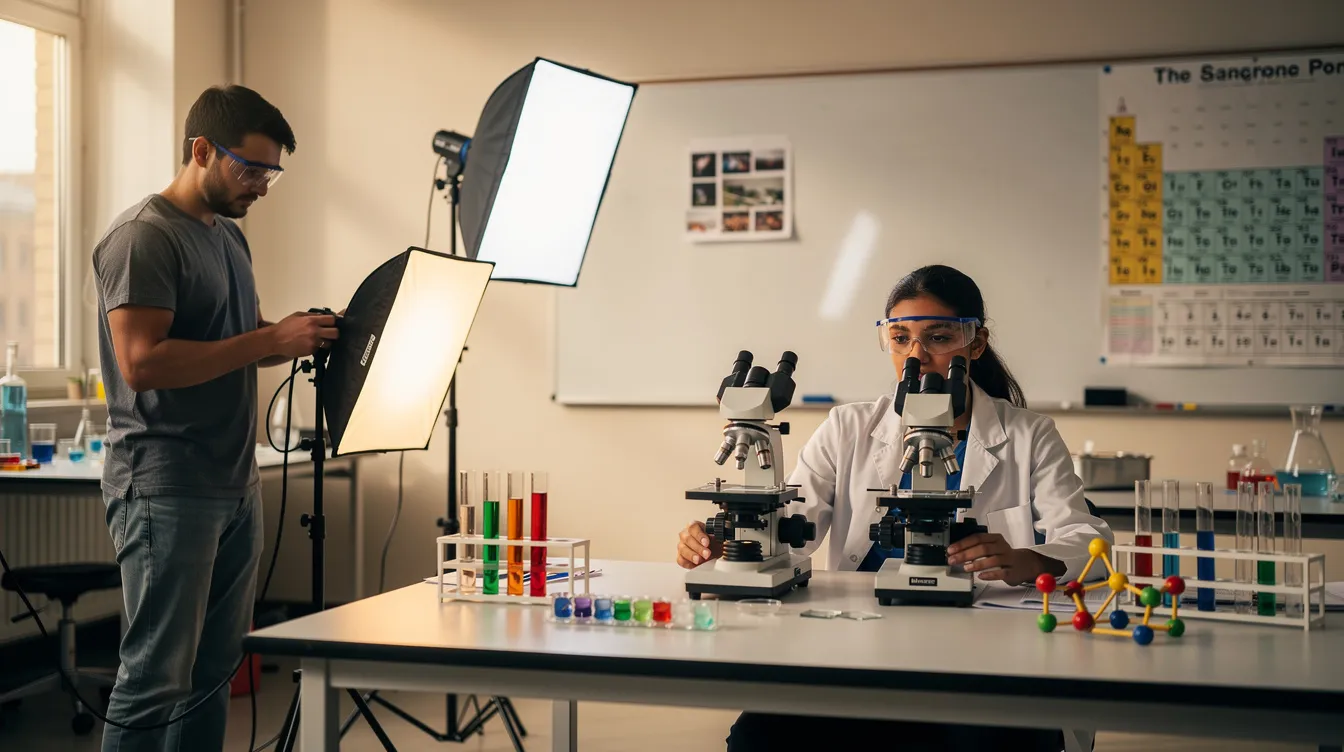
Consider how the visual approach shifts between two schools. A STEM-focused charter school in Brooklyn might want imagery of robotics labs and coding classes, with close-ups of students working hands-on and wide shots showing collaborative energy in a vibrant maker space. Lighting might lean dramatic to highlight focus and concentration. Meanwhile, a performing arts high school in Manhattan will focus on rehearsal, stage lighting, and expressive movement. Portraits might show students mid-performance with motion blur and ambient light, capturing the beauty of creative work in action. At Headshots by Gareth, shot lists are planned collaboratively with admissions and marketing staff, aligning each portrait and student life scene with specific messaging pillars like community, rigor, inclusion, and innovation.
School Marketing Photos: Telling the Story of Your Campus
School marketing photos are the broader library of images a school uses to tell its story across every external channel: homepage hero banners, “Visit” pages, admissions portal screens, digital viewbooks, print mailers, social media feeds, and email campaigns. The thought behind these images should be strategic. Each one is an act of communication.
Major story categories to cover include classroom learning, arts and athletics, campus facilities, community traditions, and neighborhood context. Proximity to Central Park, the Brooklyn waterfront, or Queens museums gives New York schools a unique design advantage in setting. A case study from SUNY Oneonta demonstrated that a viewbook redesigned with full-page, captioned photography tied to themes like hands-on learning and internship opportunities led to gains in both the range and quality of applicants.
Curate a cohesive portfolio with a consistent style or theme across all these images. Demonstrate versatility by including a mix of indoor and outdoor shots. Use wide angles for campus shots to create a welcoming perspective. And remember that quality over quantity in a photography portfolio is important. Consistent color grading, angles, and composition across marketing photos build a recognizable visual brand. Headshots by Gareth often builds reusable image banks of hundreds of curated photos that schools can draw from for 12–18 months of campaigns, and photography can showcase diverse student activities and events throughout each semester.
Admissions Portraits: Faces of Your Future Class
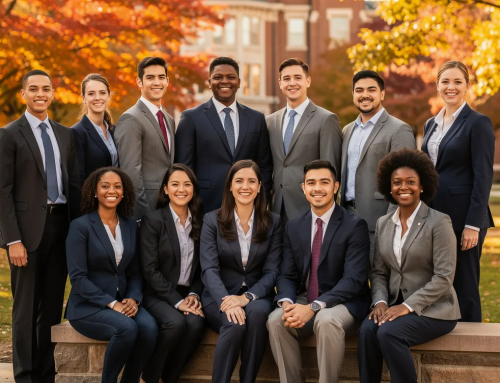
Thoughtfully crafted admissions portraits help prospective families see themselves in a school’s community. When a parent or guardian opens a viewbook and sees a student who reflects their child’s background, interests, or aspirations, something shifts. That image becomes a dialogue between the school and the family.
Selecting student portrait subjects is itself a creative and strategic exercise. Include diverse ages, backgrounds, interests, and roles: student government leaders, robotics club members, choir singers, varsity athletes, first-generation college-bound students, alumni volunteers returning to share their journey. Wardrobe guidance should encourage solid colors or subtle patterns, accommodate cultural dress, and feature school branding where appropriate, such as blazers, scarves, or pins, while avoiding distracting graphics. Admissions officers look for a balance of technical skill and personal narrative in the images they use in publications, so each portrait must feel both polished and genuine.
Sessions should be scheduled to respect instructional time, usually in blocks that fit within a school day without disruption. Always shoot vertical for submissions, as most application portals prefer this format. Follow specific application guidelines for photo size and resolution, and double-check specific application guidelines regarding photo dimensions before final delivery. Headshots by Gareth coaches students to relax in front of the camera by talking about their classes, clubs, and life in NYC. Finished portraits are delivered in multiple crops, horizontal, vertical, and square, optimized for website hero areas, bio pages, brochures, and social posts.
Student Life Photography: Authentic Moments That Build Trust
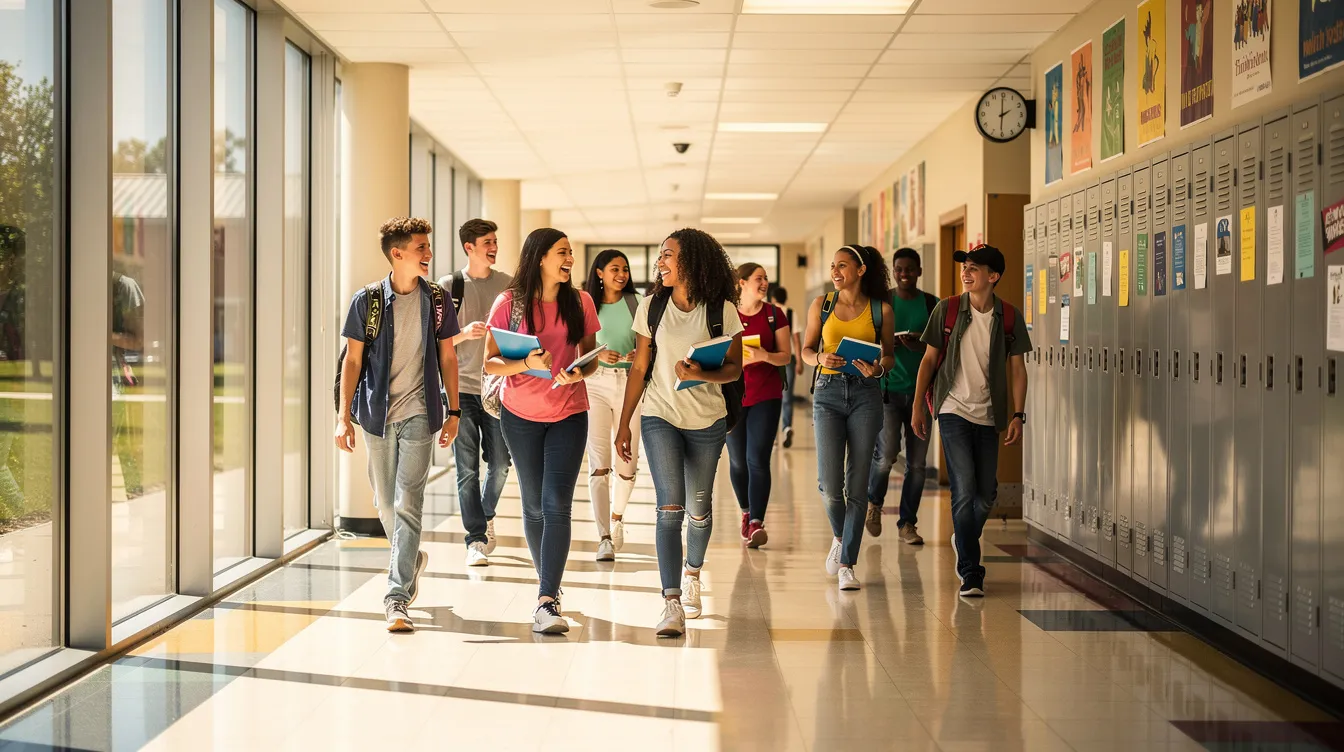
Unscripted but well-directed student life photography reassures families that what a school promises in words actually shows up in daily life. These images carry the heart of your enrollment message. Research shows that 495 people searched for student life photography ideas in recent months, while 9,715 hipster college student stock photos sit available online, most of them generic and unconvincing. Families can tell the difference.
Capture specific scenes: an early-morning advisory meeting in September 2025, a May 2026 spring concert rehearsal, debate practice, after-school robotics in the lab, lunch in the courtyard, study groups in the library. Capturing students working together enhances storytelling in photography and shows the collaborative spirit families want to see. Students often pose on grass for casual sessions during golden hour, and shooting during the golden hour helps avoid harsh shadows in images.
Balance authenticity and privacy by obtaining photo releases, avoiding identifying information on screens, and exercising care when photographing younger students. New York Civil Rights Law Sections 50 and 51 require consent for use of a portrait, picture, or name for advertising or trade. Headshots by Gareth mixes candid documentary moments with lightly posed group shots of students walking across campus, interacting with a teacher, or collaborating in makerspaces. Visual diversity, including different grades, learning styles, mobility aids, and cultural backgrounds, ensures families view an inclusive community rather than a narrowly curated image.

Planning a School Admissions Photo Shoot in New York
The typical planning timeline starts two to three months before a priority admissions deadline. For schools assembling materials for fall open houses or January and February 2026 decision dates, planning in late summer 2025 is ideal. Earlier planning allows time for shot list development, permissions, and rescheduling in case of weather or unexpected school events.
The main planning stages flow from a discovery meeting through a creative brief, shot list, schedule, logistics coordination, and follow-up review. A sample one-day shooting schedule for a Manhattan or Brooklyn campus might look like this: morning academic classes in action from 8 to 11 AM, mid-day outdoor portraits and student life shots from 11 AM to 1 PM, lunch break, afternoon arts or performance scenes, and late-afternoon golden-hour environmental portraits on a rooftop or courtyard.
Aligning photography dates with real school events, such as open houses, STEM fairs, performances, and sports games, maximizes authentic content. Operational details specific to NYC schools include building security check-ins, elevator and rooftop access, and coordination with custodial and IT staff. Headshots by Gareth provides location scouting, model release templates, and coordination with communications teams to minimize disruption to teaching.
Building a Strategic Shot List
A detailed shot list keeps the day efficient and ensures coverage of all priority messages. Categorize shots under headings like Academics, Community, Facilities, Neighborhood, and Student Leadership. Concrete example entries might include “Grade 9 science lab experiment in October 2025, focus on hands-on learning” or “Senior seminar around Harkness table in November 2025, showcasing discussion-based pedagogy.”
Tag each shot on the list with distribution goals so compositions are tailored to those formats. A hero image for the homepage needs a horizontal frame with negative space for text overlay. A social media reel thumbnail needs a tight vertical crop. A virtual tour still needs a wide, clean frame of a hallway or commons. Emerging technologies like cloud-based shot-tracking tools and shared mood boards help admissions staff and the photographer collaborate and stay aligned in real time. Leave space for spontaneous moments while keeping mission-critical images prioritized.
Coordinating Students, Faculty, and Spaces
Logistics can make or break a shoot day. Secure permissions early, build a roster of student and faculty participants, and reserve classrooms, labs, and common areas well before the date. Work with deans, division heads, and counseling staff to identify student ambassadors who represent the school well on camera. Brief each teacher in advance so they understand when a photographer will enter their room and how to keep lessons running smoothly.
NYC-specific constraints include limited outdoor space at some campuses, shared athletic facilities, and proximity to busy streets. Careful timing and lens choice address these challenges. Headshots by Gareth builds in short buffer periods between locations to handle elevator waits, crowded hallways, or weather shifts on busy city days. When the process is well run, photo days are low-stress for students, staff, and the people who coordinate them.
Using School Admissions Photography Across Your Marketing Channels
A single, well-planned photo day can fuel an entire year of admissions and advancement content. Select and crop key hero images for the admissions homepage and Visit page, making sure they load quickly and display well on mobile devices used by busy NYC parents. Admissions photos also support digital viewbooks and print brochures mailed ahead of decision deadlines in early 2026.
On social media, mix posed portraits, student life candids, and occasional behind-the-scenes glimpses of rehearsals or robotics competitions. This keeps the feed vibrant and authentic, encouraging families to share, read, and engage. Photography also plays a critical role in virtual tour experiences, with stills integrated into 360-degree campus walks or narrated slideshows for out-of-state or international families, including those from as far as Egypt and Taiwan. Headshots by Gareth delivers organized image libraries with clear file naming, alt-text suggestions, and usage notes to simplify ongoing marketing use across every channel.
Integrating Emerging Technologies and Virtual Tours
The pandemic-era rise of remote visits made virtual tours and rich online galleries standard for New York schools. That expectation has not faded. Today, schools use still photography alongside 360-degree panoramas, short vertical videos, and interactive campus maps to give families a multi-layered sense of place. Film and video content complement stills to create an evolving digital experience.
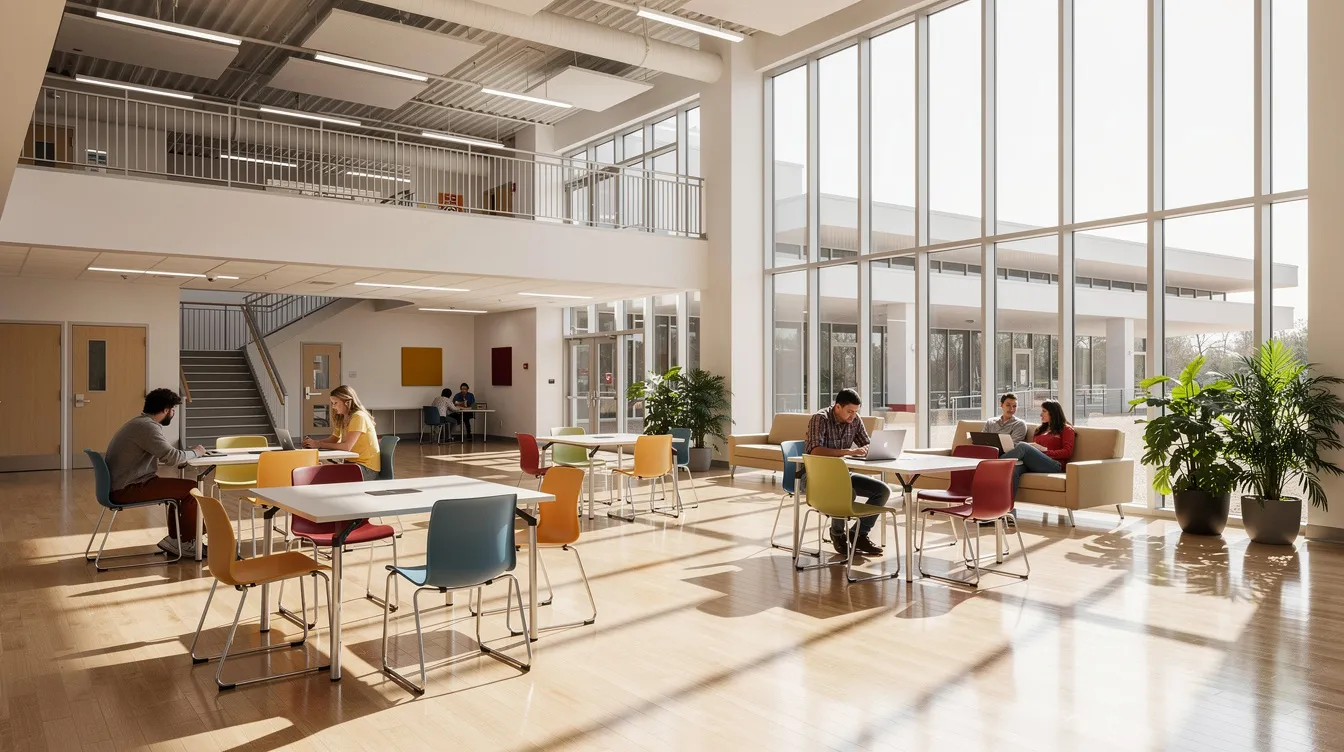
AI-assisted image curation can help admissions teams quickly pull photos that match themes like STEM, arts, athletics, or wellness for specific campaigns. Accessibility matters too: captions, alt text, and inclusive imagery make virtual tours usable and welcoming to all families. Online photography programs provide flexible learning from anywhere in the world for aspiring photographers, and the technology that drives these programs is the same technology reshaping how admissions teams learn to manage and deploy visual assets. Headshots by Gareth captures compositions intentionally suited for virtual tour interfaces, including wide, clean frames of hallways, libraries, and commons that guide digital navigation throughout the 2025–2026 admissions cycle.
Working with Headshots by Gareth: Our Approach for New York Schools
Headshots by Gareth is a New York–based specialist in headshots, portraits, and school marketing imagery. Our process starts with an initial consultation and on-campus walk-through where we explore the campus together, identify the best light and locations, and learn what makes your school’s culture distinct. From there, we develop creative direction, execute the shoot day, and conduct a post-shoot review with your admissions and communications teams.
Our stylistic hallmarks include natural-looking but refined lighting, true-to-life color, subtle retouching, and a focus on connection between students and teachers. We bring a fashion-influenced eye to admissions work, drawing on skills from portrait, editorial, and environmental photography to inspire confidence in every frame. We have experience with a range of institutions: independent K–12 schools in Manhattan and Brooklyn, specialized public high schools, and local college programs.
Every engagement is tailored to your calendar, campus layout, and enrollment goals. There are no one-size-fits-all packages. If your school is preparing for the 2026–2027 admissions cycle, now is the time to create a visual presence that reflects who you truly are. We are excited to help you bring your school’s story to life, and we encourage you to contact us to start the conversation. Send us an email or visit our site to learn about the way we work with schools across the city.
Frequently Asked Questions about School Admissions Photography
These questions address practical concerns that admissions and communications staff in New York schools frequently raise when planning a photography project.
How far in advance should we schedule admissions photography for our school?
Contact a photographer two to three months before key deadlines, especially for fall open houses and January or February 2026 decision dates. Spring 2025 and early fall 2025 are ideal windows to capture both indoor and outdoor activities for the 2026–2027 cycle. Earlier planning allows time for shot list development, permissions, and rescheduling if weather or school events shift. Don’t miss the chance to align your shoot with the rhythm of the academic year.
What should students and faculty wear for admissions portraits and student life photos?
Stick to the school’s dress code or uniform guidelines, with neat, clean, and comfortable clothing that reflects everyday reality. Suggest solid or subtly patterned pieces, avoiding large logos other than school branding, neon colors, or busy graphics that distract from expressions. Headshots by Gareth typically provides a short wardrobe guide PDF ahead of the shoot so families and staff can join the process with clarity and confidence.
How often should we update our school marketing and admissions photos?
A major refresh every two to three years keeps your visual identity current, with smaller annual updates to incorporate new programs, renovated spaces, and graduating classes of student ambassadors. Schools undergoing rapid change benefit from more frequent sessions. Current imagery signals vitality and relevance to families comparing multiple New York schools online. According to industry data, the school photography market is growing at roughly 4.1 percent annually, and parent expectations for fresh, authentic images are evolving just as fast.
Can we use the same photos for both admissions and general school communications?
Yes. Well-planned admissions photography is intentionally versatile and can serve websites, newsletters, annual reports, fundraising campaigns, and social media. Maintain a central, organized image library with clear usage rights and captions so communications teams can draw from the same high-quality visual resources. Headshots by Gareth delivers images with metadata and simple categorization to support cross-department use, making it easy for any team to access the right image at the right time.
What about consent and privacy when photographing students in New York?
Schools should ensure up-to-date media release forms for students and staff, in line with local regulations and institutional policies. Coordinate with legal or compliance teams to confirm guidelines, especially for younger students or special education contexts. Professional photographers work closely with administrators to respect privacy flags and avoid photographing individuals without appropriate permissions. The artist behind the camera must be as attentive to consent as they are to composition.
For those interested in developing their own photography skills, institutions like the Academy of Art offer specialized topics in advanced digital imaging where students can learn about fashion and beauty photography. The Academy’s photography building is five stories tall and features three natural light studios. The Academy of Art also offers online photography programs, and students graduate with a portfolio reflecting fluency and originality. Meanwhile, the University of Louisville shows how photography supports admissions at scale: with over 200 degree programs and a total enrollment of 25,005 students, 34.3 percent of UofL’s undergraduates are first-generation students, and the university’s visual storytelling helps those peers see themselves on campus before they ever arrive. These examples inspire ideas for how photography, whether in an academic course of study or as a tool for enrollment marketing, shapes the way schools across the world present themselves. They also show that the questions admissions teams ask about photography are part of a larger, evolving dialogue about how institutions of any size can use images to invite new people into their community.