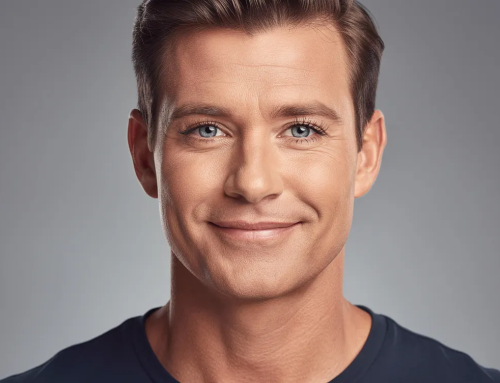
A comedian’s headshot is their trademark image, and it does more heavy lifting than most comics realize. This guide covers just what makes comedian headshots work, how to plan a photo shoot that reflects your unique personality, and why the right photographer makes all the difference.
Key Takeaways
- The best comedian headshots feel truthful, with a clear story behind the eyes instead of forced mugging or a random prop.
- Planning the session around your comedic type, brand, and target work (clubs, festivals, TV, podcasts) is the thing that separates usable images from wasted money.
- Working with a photographer who understands comedy, such as Headshots by Gareth in New York, helps capture authentic photos that actually get you in the room.
- Wardrobe, expression, and background choices should all support your stage persona without overwhelming it.
- A focused selection of 2–4 final headshots gives you enough range for casting profiles, social media, and print materials.
What Are Comedian Headshots (and Why They Matter in 2026)?
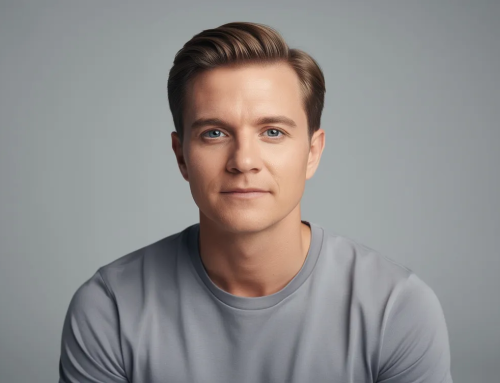
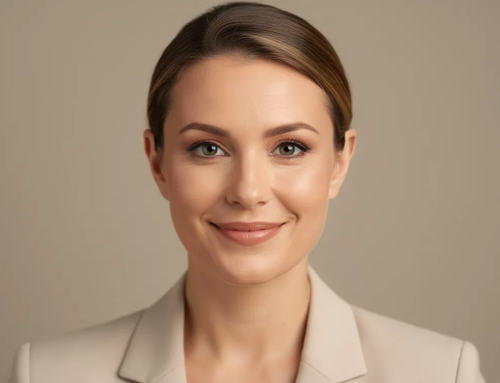
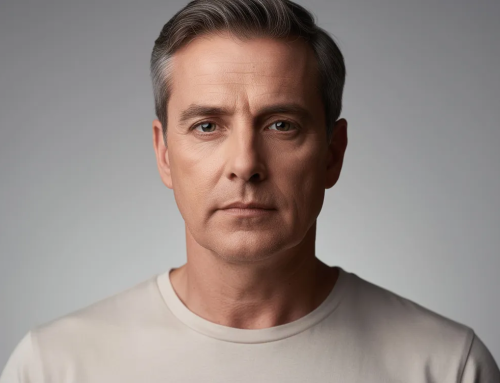
A professional headshot is the core marketing image for stand-up comics, improv performers, and comedy actors. These photos appear on club lineups, festival submissions, agent websites, podcast banners, and casting profiles. Unlike a generic business portrait, comedian headshots carry more personality and a clearer comedic angle while staying grounded and believable.
Bookers and casting directors in New York and other major markets may see 20–30 thumbnail headshots per page, spending roughly two to three seconds on each before moving on. Professional headshots are essential for comedians seeking bookings because that tiny window is often your only shot at making someone pause. A well-executed photograph can keep working for years, showing up on posters, tour artwork, and streaming thumbnails, so color photos are preferred for professional marketing across nearly every platform today.
Trying Too Hard vs. Just Right: Avoiding the Over-the-Top Trap
There was an era when comedy promo photos meant zany faces, rubber chickens, and heightened expressions that belonged on a novelty birthday card. That sort of image has fallen out of favor. Casting teams and club bookers find that overly goofy shots date quickly, feel gimmicky, and make it harder to picture you in real roles. Avoid overly posed or exaggerated expressions in headshots.
The goal is just right: a relaxed expression, a hint of mischief or irony, and a natural pose that suggests your sense of humor without shouting it. Classic headshots should be used for booking or casting. At Headshots by Gareth, comics are steered away from forced mugging while the session stays playful and fun enough to keep energy alive.
Defining Your Comedy Brand Before the Photo Shoot
Before you begin planning wardrobe or scouting locations, spend time defining your comedic lane. Are you dry and deadpan? A high-energy storyteller? An edgy alt comic or sharp political satirist? Headshots should match your brand and the type of comedy you perform, because a person who does dark satire needs a completely different visual feel than someone who performs clean observational bits for family rooms.
List the actual shows and platforms you are targeting in 2026: late-night sets, the Comedy Cellar, New York Comedy Festival, web series, or podcast art. Shoot toward those. Headshots by Gareth often discusses comedy references and favorite comics in a quick pre-session chat to align on tone and style.
Your Essence on Camera: Expressions, Eyes, and Energy
The most effective comedian headshots communicate an essence that feels like you talking, not you performing. Casting directors look for authenticity in headshots, and that authenticity lives primarily in the eye. A subtle twinkle or hint of curiosity suggests there is a joke just under the surface, which is far more interesting than a frozen grin.
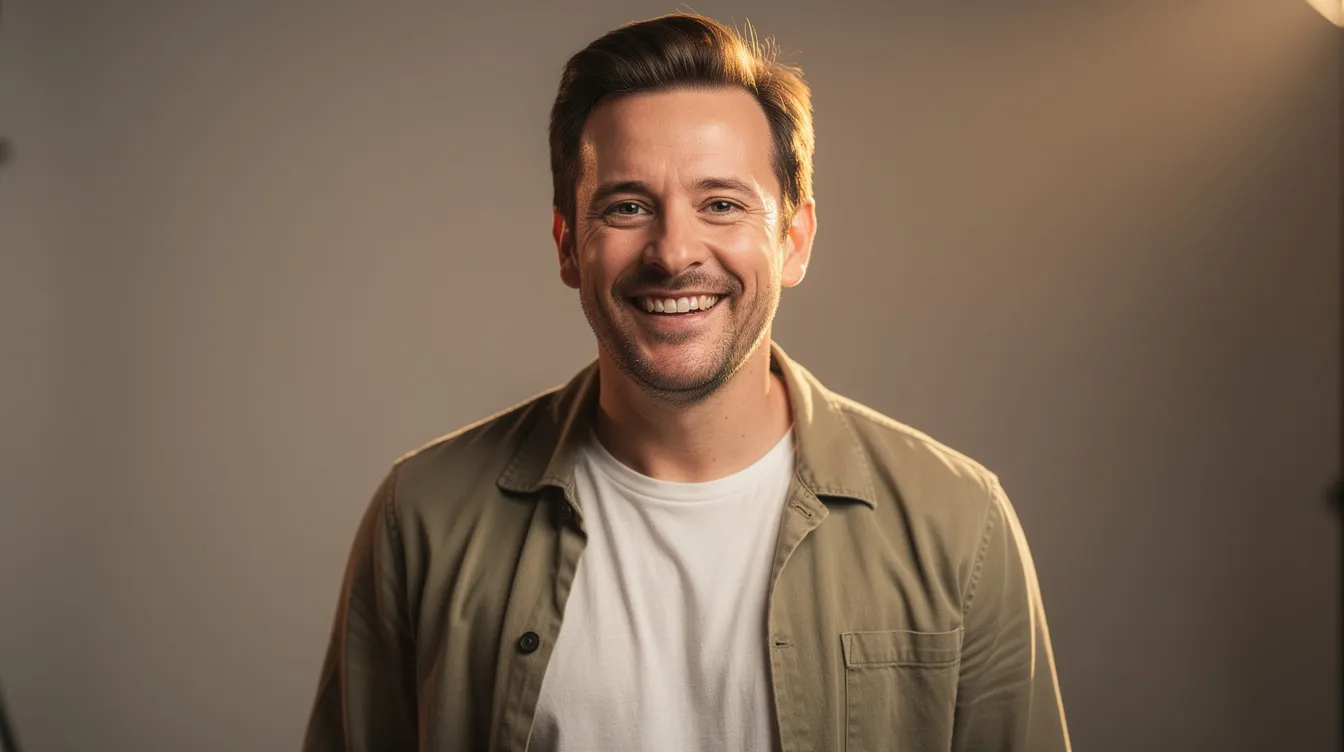
A strong headshot conveys confidence and engagement through the eyes, so the photographer should focus on capturing your eyes and personality above all else. During the session, your photographer should talk with you, prompting genuine reactions as you riff about real topics. At Headshots by Gareth, sessions are paced with breaks so comics can reset their energy and avoid stiff, overworked faces.
Wardrobe and Styling: Looking Like the Funniest Version of Yourself
Your headshot should reflect your true self and energy, and wardrobe is a big part of that. Wear what you would actually perform in, but refined. Think well-fitting dark tees, casual button-downs, simple dresses, and minimal logos.
- Bring 3–4 outfits showing slightly different versions of you: more casual, slightly elevated, a touch edgy.
- Keep makeup at polished everyday level. Avoid drastic changes from your usual stage look to save yourself confusion at auditions.
- For women and non-binary comics, confidence and individuality should guide styling more than traditional glamour standards.
Comedian headshots should reflect unique personality and style. If your thing onstage is a loud Hawaiian shirt, bring it. If it is a plain black hoodie, bring that.
Choosing Backgrounds and Locations for Comedian Headshots
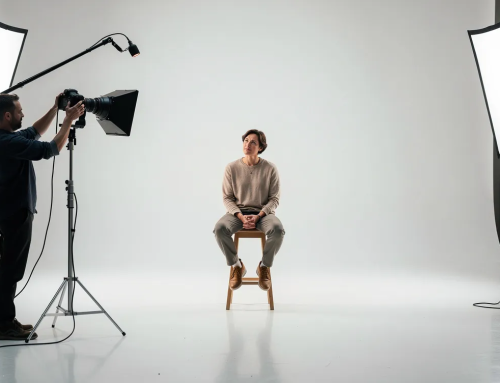
Clean backgrounds are necessary to avoid distractions, especially in small thumbnails on club websites and ticketing platforms. A studio setup with light gray or off-white keeps the foreground focus on your face. Environmental options common in New York, such as brick walls and side streets, add texture and community context without clutter. Natural lighting helps avoid harsh shadows in photos when shooting outdoors. Headshots by Gareth can combine studio and location photos in one shoot to give comics a small library of usable images.
Planning the Photo Shoot: From Concepts to Final Photos
A successful shoot starts with a clear plan, not just showing up and hoping for one good frame. Create a simple shot list:
- Tight close-up (head to upper chest, standard crop for casting)
- Waist-up for a slightly wider feel
- A few relaxed portraits for posters, social media, or print
Bring snippets of your set or a few favorite bits to talk through during the session. This teaches your face to respond naturally rather than performing for the camera. Headshots by Gareth usually shoots a higher volume of images, then helps comics narrow down to a focused selection for final retouching.
Working With Your Photographer (and Why Chemistry Matters)
Choosing a photographer is a bit like choosing a director: chemistry and trust are crucial for success. Meet your photographer before the session to build rapport. Review portfolios to confirm real experience with comedians and performers, not just corporate headshots. A friend can hold a camera, but a photographer who understands comedy will hear what makes your talent special and translate that into a photograph.
During the session, the photographer should guide you gently on posture, chin position, and expression without pushing you into clichés. Headshots by Gareth focuses on conversation-driven sessions, using humor and easy direction to help comics relax into the camera.
Preparing Before You Step in Front of the Camera
Most of the work for great comedian headshots happens in the days leading up to the shoot. A few practical steps:
- Stay hydrated and get decent sleep the week before the session.
- Avoid brand-new hairstyles or drastic grooming changes right before.
- Practice expressions in a mirror or with smartphone selfies to see what looks natural.
- Organize outfits in advance, steamed and ready, with backups for weather.
- Remember that proper posture can project confidence in headshots, so stand tall.
A short checklist email from your photographer, such as those sent by Headshots by Gareth, can help you arrive ready and relaxed.
Selecting and Using Your Final Headshots
Selection is as important as the session itself. Choose a core set of 2–4 images: one primary close-up, one slightly wider shot, and one or two alternatives with different moods. Your main headshot should appear consistently across club bios, casting profiles, and your website to build recognition. Photos must look exactly like the comedian currently, so never submit an image from three hairstyles ago.
Promotional photos can be more creative and candid than headshots, so reserve the quirkier or more playful shots for social media banners, podcast art, or show posters. Amateur photos often signal inexperience to bookers, which is the last comment you want attached to your name. Headshots by Gareth can help you narrow choices based on how images read at thumbnail size on phones and ticketing sites.
When to Update Your Comedian Headshots
Choosing current headshots is crucial for comedians. As a general point, update every two to three years, or sooner if you have significantly changed hairstyle, facial hair, weight, or overall style. A big shift in your material, say moving from open mic energy to polished theater shows, can justify a refreshed shoot. Bookers need to recognize comedians upon arrival; outdated photos create a jarring disconnect that undermines trust. Black and white photos are considered outdated for marketing in most cases, though they can still serve as beautiful artistic choices for album covers. Returning clients at Headshots by Gareth often schedule quick update sessions timed with new specials, albums, or festival runs.
Frequently Asked Questions About Comedian Headshots
How many final headshots does a comedian really need?
Most comics only need 2–4 core images. A clean close-up covers casting and club bios, a slightly wider shot works for posters, and one or two alternates with different moods give you flexibility for social media campaigns and new show artwork. Too many options can dilute brand recognition, so prioritize quality over quantity. Stars and newcomers alike benefit from keeping the selection tight.
Can I use the same headshot for stand-up, acting, and voiceover work?
One strong, grounded headshot can often cover stand-up and comedic acting if it feels truthful. If you also audition for dramatic or commercial roles, have at least one more neutral shot. Lead with the comedic headshot on club and festival sites, and use the calmer image on casting platforms where actors need range.
Do I really need a professional photographer, or can a friend take my photos?
While modern phones are powerful, a professional understands lighting, lenses, and directing expressions specifically for headshots. Bookers can usually tell the difference between a casual snapshot and a properly lit, professional image. Working with a photographer experienced with comics, such as Headshots by Gareth, also helps you avoid common posing and styling mistakes that cost you the job.
Should my comedian headshots be in color or black and white?
Color is the current standard for comedy clubs, festivals, and online platforms. Black and white can be a strong artistic choice for posters or album covers, but it is rarely used as a primary casting or club image anymore. You can request a few black-and-white conversions of your favorite color shots for creative uses.
How far in advance should I book a headshot session?
Book at least two to four weeks ahead, especially during busy periods like late summer and early fall when comics prepare for festivals. Factor in extra time for image selection and retouching before submission deadlines. Contacting Headshots by Gareth early allows more flexibility in scheduling ideal times, like weekday mornings with softer natural light. Hey, the earlier you reach out, the more joy you will feel walking into the session with everything handled. If you have passion for your comedy career, invest in the images that create opportunities and let your headshots do the talking before you ever step on stage.