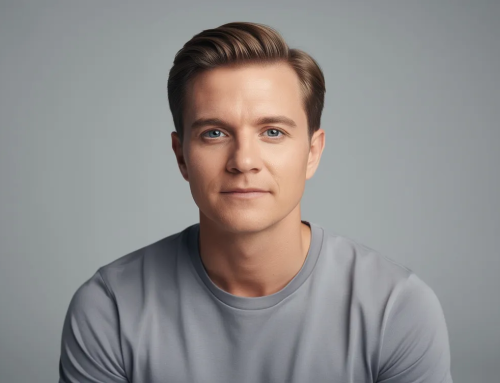
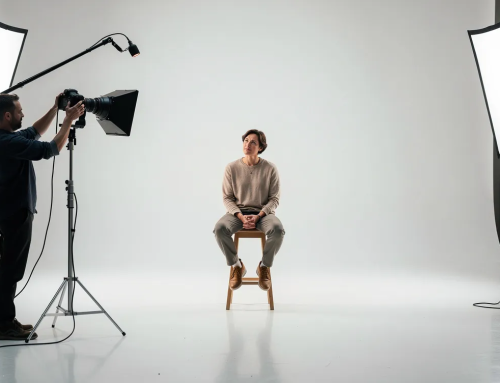
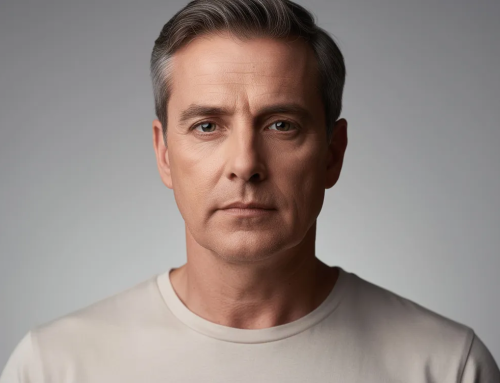
Your actor headshots are doing work for you long before you walk into a room. They land in casting inboxes, populate your profiles, and sit next to hundreds of other faces competing for the same role. In a market as competitive as New York, knowing when to refresh those images can be the difference between getting called in and getting scrolled past. This guide breaks down exactly how often to update actor headshots, what triggers the need for new shots, and how to time your sessions so your materials always match the person you are today.
Key Takeaways
- Most working adult actors in New York should update their actor headshots about every 1–2 years, and sooner if their look changes noticeably.
- The moment an acting headshot no longer looks like the person walking into the audition room, it is time to book a new headshot session.
- Significant changes in hair, weight, age range, or casting type are the main triggers for new headshots.
- Children and teens usually need new headshots every 6–12 months because they change so quickly.
- Working with a dedicated headshot photographer like Headshots by Gareth helps actors plan a smart update cadence instead of guessing.
Why Keeping Your Actor Headshots Current Matters
Your headshot is the first thing a casting director sees when reviewing submissions. It is your calling card, your brand in a single frame, and often the only thing standing between you and an audition slot. In New York, where casting offices receive thousands of digital submissions for every project, that first impression has to be immediate, accurate, and compelling. Professional headshots can significantly increase audition opportunities simply because they communicate that you take your acting career seriously and that you are the real deal.
“Current” does not just mean the photo was taken sometime in the last couple of years. It means the image is a true representation of how you actually look today. Headshots should reflect current looks to avoid casting confusion. If you have changed your hair, gained or lost weight, or shifted into a different age bracket, that disconnect becomes obvious the moment you walk into a room. Casting directors need to see the exact version of the actor at auditions, and when they do not, trust erodes fast.
Consider the actor who recently switched to a close-cropped haircut and started wearing glasses full time but is still submitting with long-hair, no-glasses headshots from two years ago. When that person shows up to read, the casting team has to recalibrate in real time, and that hesitation rarely works in the actor’s favor. Outdated or misleading acting headshots can damage trust with casting directors and agents, leading to fewer callbacks and wasted audition slots. At Headshots by Gareth, every session is built around capturing how the actor genuinely looks now, while still flattering them with great lighting, angles, and expression.

General Rule: How Often to Update Acting Headshots as an Adult
Most actors should expect to update their acting headshots every 1–2 years. That range covers the majority of working adults whose appearance stays relatively stable but whose physical look still shifts subtly over time. Actors should update headshots every 2–3 years as a broader guideline, but in practice, the competitive pace of New York casting makes the tighter window more realistic for most performers.
Actors in their 20s and early 30s tend to change faster. Style evolves, fitness fluctuates, hair experiments happen. For this group, the sweet spot is closer to every 12–18 months. Actors in their late 30s, 40s, and beyond might comfortably stretch to 2–3 years if their appearance and casting type remain stable. Aging actors need to update headshots less frequently when there is no visible shift, but the moment laugh lines deepen enough to move you into a different age range, new shots become essential.
New York casting directors do not care about the exact date on the file. They care that the person who walks in looks like the photo on their screen. A practical habit is to review your portfolio every pilot season, roughly February through April, and again during the fall casting surge from September through November. Those natural checkpoints help you decide if it is time to book new actor headshots before the busiest audition waves.
When Your Actor Headshot No Longer Looks Like You
The most important test is simple: would a stranger instantly recognize you from this headshot today? If the answer is anything other than an immediate yes, it is time for new shots.
Specific appearance changes that usually trigger an update include:
- Cutting off several inches of hair or making a drastic color change, like going from brunette to blonde
- Shaving a beard you have had for years or growing one for the first time
- Weight changes of 20 pounds or more, enough to alter face shape and overall silhouette
- Starting to wear glasses all the time, or switching to contacts after years in frames
- Visible aging into a new casting bracket, such as moving from “young professional” to “established parent”
Actors should update headshots after significant appearance changes without waiting for the calendar to tell them it is time. A good rule of thumb is to update headshots if you look different than a year ago, even if the changes feel minor individually. Subtle shifts like a small trim, a few pounds, or a minor makeup preference change generally do not require an immediate reshoot. But if the headshot is already 18–24 months old, those small differences accumulate and start to misrepresent your current look. Significant physical changes require immediate updates to headshots regardless of when the last session took place.
Over-retouched or heavily filtered older images can be just as misleading as an old haircut. Casting directors in NYC prefer honest, lightly retouched headshots that show real skin tone, natural texture, and genuine expression. At Headshots by Gareth, retouching is kept natural so the headshot still feels like the actor on their best, best-rested day, never an unrecognizable version of them. Outdated headshots can lead to misrepresentation in auditions, and heavy post-processing only accelerates that problem.
Headshots and Your Casting Type: Updating as Your Career Evolves
Your acting headshot should match the type casting directors consistently call you in for. Whether you read as the lead man in a legal drama, the quirky next door neighbor in a sitcom, the modern mom in a commercial, or the bad guy in a streaming thriller, your images need to communicate that type within seconds. Headshots should evolve with an actor’s professional trajectory, not stay frozen at the moment you first printed them.
As actors gain credits, age, or shift their brand, their headshots need to follow. Moving from college student roles to associate attorney or doctor roles is a common transition that demands different wardrobe, expression, and energy in the frame. A major shift in target roles, like pivoting from primarily commercial headshots to more grounded film and TV theatrical headshots, is a clear reason to plan a new session.
Many actors need at least two looks in their portfolio: a friendly, approachable commercial headshot and a more dramatic, neutral expression shot for serious narrative work. Headshots by Gareth can plan a session to capture multiple looks in one shoot, such as a bright commercial shot and a moodier theatrical image, so actors can refresh their whole portfolio in a single update without doubling their cost.
Signs Your Headshots Feel Dated (Even If Your Look Hasn’t Changed Much)
Headshots can age out stylistically before they age out physically. In trend-sensitive markets like New York, the way a photo looks, not just who is in it, sends signals about how current and aware an actor is.
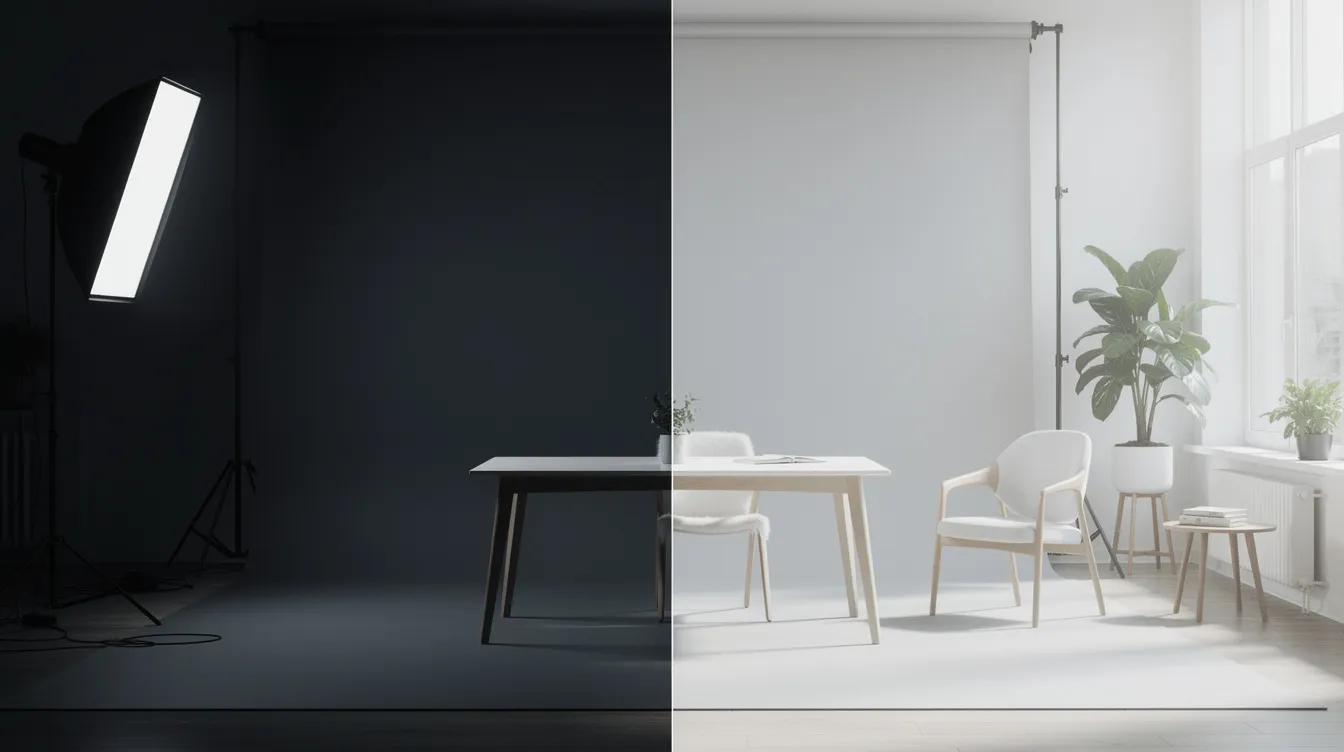
Outdated signals that most photographers and casting professionals flag include overly dramatic dark studio backdrops popular in the early 2010s, heavy glamour retouching that smooths away all texture, clothing styles that were trendy several years ago but now look disconnected, and wide body shot compositions where a clean, modern close-up would serve better. Even black and white headshots, while still used selectively, can feel dated if the lighting and posing belong to a previous era.
Current industry standards favor clean, simple backgrounds, sharp yet flattering studio lighting or natural light, solid colors in wardrobe, and genuine micro-expressions over stiff poses. The goal is a well lit, honest image that feels alive rather than manufactured. Actors should get feedback from an agent, manager, or trusted coach once a year on whether their images still feel right for current casting breakdowns. Headshots by Gareth stays tuned to contemporary New York and national casting preferences, helping actors avoid investing in headshots that already look a decade old in style.
Special Cases: Children, Teens, and Actors in Transition
Children and teens change fast, and casting directors generally expect their headshots to be very current. Children should update headshots every 6–12 months because even a few months of growth can make a photo unrecognizable. Kids under 10 often need new acting headshots roughly every six to nine months, especially if they grow quickly, lose teeth, or change hairstyles frequently.
Teens between 13 and 18 usually update every 8–12 months as they move through pre-teen, teen, and young adult casting brackets. Growth spurts, orthodontic changes, the arrival of facial hair, and shifts in personal style all accelerate the need. Parents and guardians should watch for these milestones as built-in reminders to schedule a fresh actor headshot session.
Transition periods apply to adults too. Post-drama-school grads entering the industry for the first time, actors returning to acting work after a long break, and performers who have had major lifestyle or health changes that alter their energy on camera all fall into this category. If the person in the photo no longer matches the person in real life, the update is overdue.
Commercial vs. Theatrical: Do You Need to Update Each Separately?
Commercial headshots are typically brighter, more inviting, and smile-forward. They sell warmth, relatability, and approachability. Theatrical headshots, sometimes called film or TV headshots, are more neutral, grounded, and carry more weight and drama. Most actors need both, and each ages differently depending on where the career is heading.
If an actor’s target work shifts, say from mostly commercials and branded content to more serious streaming, indie film, or network TV, they will likely need to refresh their theatrical headshots first. Sometimes a commercial shot can stay current while a more dramatic acting headshot feels off-brand, or vice versa. The key is to look at your current audition mix each year. If 70 percent of your submissions are for narrative work but your strongest image is a beaming commercial headshot, that imbalance is costing you callbacks.
When booking with a headshot photographer like Headshots by Gareth, actors can plan distinct wardrobe and expression choices within one session to keep both commercial and theatrical images aligned with current goals. Shooting at least two looks in a single session is far more efficient than returning twice.
How Casting Directors Perceive Old or Inaccurate Headshots
Casting directors in New York might review 2,000 to 3,000 headshots per role, often spending just a few seconds on each thumbnail before deciding who makes the shortlist. At that speed, they develop a sharp eye for images that feel dated, over-edited, or generic. When a casting director sees your first image and it does not match the person who appears on the self tape or walks into the room, the disconnect creates friction that rarely resolves in the actor’s favor. Headshots must accurately reflect current appearance for auditions.
A mismatch, whether it is the wrong age range, different hair color, missing facial hair, or a physical look that has clearly shifted, frustrates a casting team that operates on tight schedules. Aging noticeably compared to headshots requires an update, because the gap between image and reality only grows. On the other hand, consistent and accurate headshots help casting directors associate an actor’s face with a specific character type and remember them for future projects, even if they were not right for this particular one.
Strong, up-to-date actor headshots also make it easier for an agent or manager to pitch a client confidently. They know the visual marketing materials will not disappoint when the actor walks in. Headshots by Gareth aims to create images that casting directors recognize instantly and trust, rather than pretty pictures that do not translate to real-world casting.
Planning Your Update: Practical Timing Strategies
Set a recurring reminder once a year to evaluate whether your current headshots still match your face, style, and casting goals. Most actors benefit from scheduling new actor headshots a few weeks before busy casting waves, such as late summer for fall TV season or early in the calendar year for pilot and theater seasons. That lead time matters because you need room after the session for selecting images, retouching, and updating casting profiles like Actors Access and Backstage before peak audition periods begin.
Tie headshot updates to natural milestones in your career. Signing with a new agent, graduating from a training program, relocating to New York, or completing a major physical transformation are all moments when a refresh makes strategic sense. A high-quality headshot reflects professionalism and commitment, and investing at the right moment amplifies the return. If you start noticing that your callbacks have declined despite strong auditions, your headshots should be one of the first things you review.
Headshots by Gareth can help actors map out which looks to prioritize in their next session based on where they want their acting career to go over the next 12–24 months. That kind of planning turns a headshot update from a chore into a strategic move.

Working With a Professional Headshot Photographer on Repeat
There is real value in building an ongoing relationship with a dedicated professional headshot photographer instead of hopping between random shooters every time you need an update. A photographer who has seen an actor over several years understands their best angles, the subtleties of their expressions, and how their casting type is shifting with time. That familiarity translates to a more efficient, more comfortable shoot.
This ongoing collaboration makes it easier to do shorter, focused update sessions when only one or two looks need refreshing, rather than reinventing everything from scratch. Many New York actors return regularly to Headshots by Gareth for exactly that reason: familiarity, consistent style, and a relaxed atmosphere that brings out authentic performances on camera. A good headshot photographer helps you find the perfect shot faster because they already know what works for your face.
A practical tip: keep a small shot list or notes throughout the year. Jot down roles you booked, looks that worked well on set, or feedback from directors. Share these with your photographer before the next update so the session is targeted and productive.
How Often to Update Actor Headshots: Quick Reference by Category
For a fast reference, here is how update frequency generally breaks down. Adults with a stable appearance should plan for new headshots every 1–2 years. Kids under 10 typically need a session every 6–9 months. Teens between 13 and 18 should update every 8–12 months. Any major appearance change, regardless of age, calls for an immediate update. And a major brand or type pivot should be paired with new images timed to the next big career step.
These are guidelines, not rigid rules. Real-world factors like budget, booking frequency, and representation feedback will influence actual timing. A good actor checks in with their agent, manager, or acting coach before committing to a new session, asking whether the current images still support their casting goals.
The safest rule remains this: if you walk into an audition and the casting director hesitates to recognize you from your headshot, you waited too long. If your photos are lagging behind the roles you are now up for in New York, that is a strong sign to schedule new actor headshots with a professional photographer like Headshots by Gareth.
FAQ: Updating Your Acting Headshots
These questions come up regularly when actors are deciding whether it is really time for new headshots. Each answer is specific to headshots for actors in a New York casting context.
Do I need new headshots before I get an agent, or can I wait?
Having at least one strong, current acting headshot is important even before signing with an agent. It is essential for self-submissions, showcases, and any situation where your face needs to represent your work. If your current photo is clearly outdated or not taken by a professional photographer, prioritize an update rather than waiting for hypothetical future agent feedback. An agent may later refine what additional looks they want, but a solid, accurate actor headshot can help attract representation in the first place. Think of it as the first thing any industry person will judge you on.
Should I update my headshots right after a big role or credit?
A new credit alone does not require new images. But a big role can change how you are perceived. If it represents a new level or a new type you now want to lean into, it can be a smart time to refresh headshots that visually support that shift. When actors in New York book a breakout role, they often take that moment to refine their overall branding, including updated actor headshots. The goal is to make sure the momentum from that job carries forward into more auditions, not stalls because your materials still reflect who you were before the role happened.
How many looks should I shoot when I am just updating, not starting from scratch?
For a simple update, many working actors focus on two to three looks: one commercial headshot, one theatrical headshot, and possibly a targeted type such as upscale professional or edgy creative. Consider which of your current images are still working and only replace what truly feels outdated or off-brand. A good headshot photographer like Headshots by Gareth can review your existing shots and help decide which specific looks to prioritize, keeping the session focused and the budget reasonable.
Can I keep using older shots on social media, even if I update my main headshot?
Social media can be more flexible, but professional platforms including casting profiles, your website, and agency submissions should always feature the most current, accurate actor headshot. Older images work fine for throwback posts or behind-the-scenes content, clearly framed as past looks. Anywhere a casting director might be evaluating you for a role should reflect how you look today. A common mistake is leaving an outdated headshot on a profile you forgot about while your primary casting site is current. Check all your platforms when you update.
What if I cannot afford to update my headshots as often as recommended?
Frequent shoots can be a financial stretch, especially early in an acting career. Prioritize updates when there is a clear, undeniable change in appearance or casting type, rather than sticking rigidly to the calendar. Planning ahead helps: set aside a small amount each month and communicate your budget and priorities with your headshot photographer so the session focuses on the most essential new looks. A single great headshot that accurately represents you will always pay for itself more than a shelf full of outdated ones that never get you in the room.