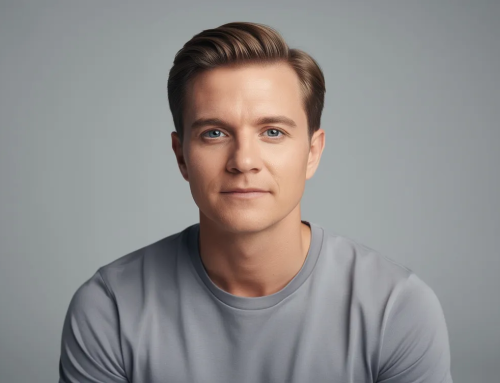
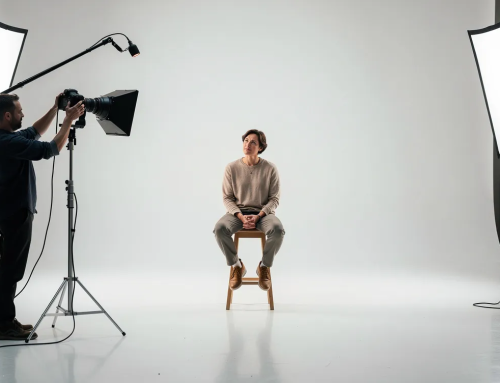
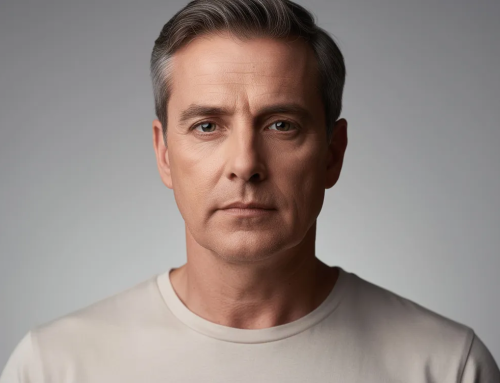
Your headshot is your calling card, and the expression on your face is what makes it work. This guide breaks down exactly how to prepare, practice, and deliver facial expressions that help you land auditions, whether you’re shooting commercial spots or dramatic series. Everything here is geared toward helping you walk into your next headshot session with a real plan.
Key Takeaways
- Facial expressions are the single biggest factor that separates a good headshot from one that actually books work. Casting directors filter thousands of submissions by expression alone.
- A great headshot expression is specific, relaxed, and matched to your type, whether you need warm commercial headshots or grounded theatrical headshots.
- Every actor should rehearse a small toolkit of four to six expressions before the shoot, tied to real internal moments rather than generic poses.
- Rehearsal before the headshot session and real-time coaching from the photographer are the fastest ways to improve expressions on camera.
- Headshots by Gareth in New York specializes in coaching expressions throughout the shoot. If you want help building a casting-ready headshot library, get in touch.
Why Facial Expressions Make or Break an Actor Headshot
Casting directors in New York, Atlanta, and Los Angeles routinely see 2,000 to 3,000 headshots per role submission. Most of those are viewed as tiny thumbnails on a screen, which means your expression is the first and often only filter. A technically sharp, well-lit photo that carries a blank or generic face gets scrolled past in under a second.
The difference between a good headshot and a great headshot comes down to emotional specificity. A good headshot has clean lighting, correct focus, and flattering framing. Actor headshots are typically shot in a vertical orientation, cropped from the chest up, with the face filling most of the image. That’s the baseline. What actually makes casting directors stop scrolling is a facial expression that communicates type and presence instantly, one that tells them who you might play before they ever open your resume or demo reel.
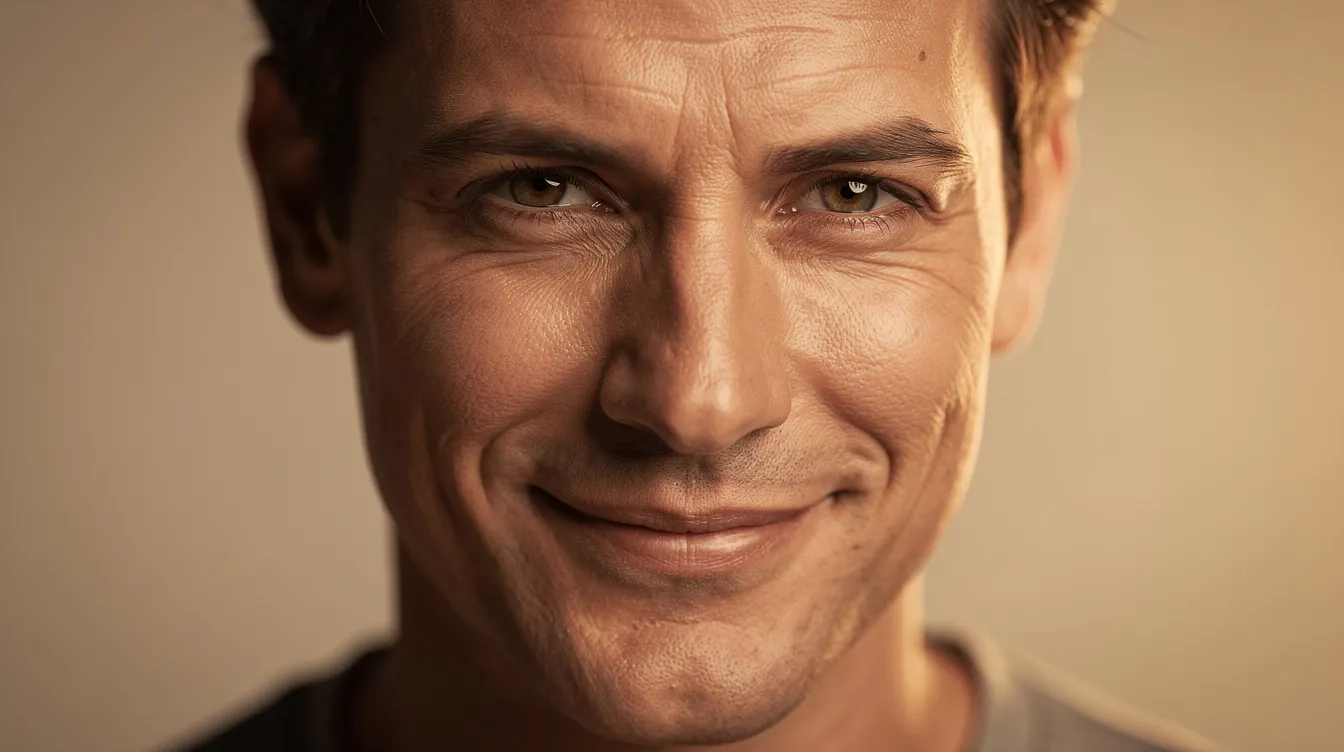
Eyes act as the primary focus to convey emotion and character persona, and natural expressions in headshots indicate confidence to casting directors. When your headshot reflects your true appearance and personality, it becomes a narrative shortcut. Directors can imagine you in a scene. They can picture you delivering dialogue. That’s the job your expression has to do, and at Headshots by Gareth, a large part of every session is devoted to coaching those nuanced expressions rather than simply clicking the shutter.
Commercial vs Theatrical Headshots: Matching Expression to Type
Not every actor headshot serves the same purpose. Commercial headshots and theatrical headshots require entirely different expression strategies, and understanding that distinction will save you time and audition frustration.
A commercial shot is built on warmth and approachability. The facial expression should read as open, friendly, and energetic. Think of a mid-laugh or a big smile that reaches the eyes. These are the expressions that book “best friend,” “young parent,” and “co-worker” roles across lifestyle ads, sitcoms, and product campaigns. The genuine smile projects warmth, approachability, and comedy. Warm smiles convey accessibility and charm, and that’s exactly what commercial casting calls for. Lighting in a commercial headshot tends to be even and bright, often with a clean or simple background.
Theatrical headshots, on the other hand, ask for something more grounded. Dramatic headshots require more intensity and subtle emotion. The expression might be a half-smile, a focused gaze, or a look that carries internal tension without tipping into a scowl. The sincere look evokes empathy and emotional depth, while the intense stare communicates danger, focus, or authority. These are the looks that land procedural TV, streaming drama, and indie film callbacks.
Here’s a concrete way to think about it. A “warm sitcom neighbor” needs an expression with a relaxed jaw, open eyes, maybe a slight head tilt toward the camera, and real smiles that feel effortless. A “driven assistant district attorney” needs intent eyes, a set mouth, steady eyebrows, and controlled tension around the jaw. The differences are small, often just shifts around the eyes and mouth, but they’re what casting reads.
A more neutral image can also be beneficial for auditions. A neutral look signals versatility and acts as a blank canvas, allowing directors to project different character types onto your face. A strong neutral look serves as a clean and versatile shot that works across categories. Most actors need multiple expressions across different looks, which is why a well-planned headshot session in New York should cover this range deliberately.
It’s also worth knowing how acting headshots differ from other styles. Corporate headshots often feature a pure white background and a polished business expression. Beauty headshots are used for modeling and makeup artists. Editorial headshots can focus on the subject without traditional framing, and Vogue headshots use unique backgrounds and props for artistic effect. Your actor headshot sits in its own lane: it’s about casting potential, not glamour or corporate polish.
Core Expression Set Every Actor Should Rehearse
Walking into a shoot without a plan for your expressions is like showing up to an audition without reading the sides. You need a small expression toolkit, a set of four to six looks you can reliably hit on command during an acting headshot session.
Here are six expressions worth building into your practice:
- Grounded neutral: calm, mouth relaxed, eyes attentive but not dull. This is your blank canvas.
- Genuine big smile: teeth showing, a mid-laugh energy with warmth coming from the eyes as much as the mouth.
- Three-quarter smile: less than full, slightly asymmetric, softer. Good for commercial work that needs subtlety.
- Listening or reactive face: a slight furrow in the brow or eyebrows raised slightly, lips parted, eyes alert. It gives the impression of engagement.
- Quiet intensity: focused eyes, slightly parted lips, a hint of tension in the lower lids. Moodier, suited to theatrical work.
- Playful or mischievous: one eyebrow lifted, a small grin, maybe a tilt of the head that suggests humor or irreverence.
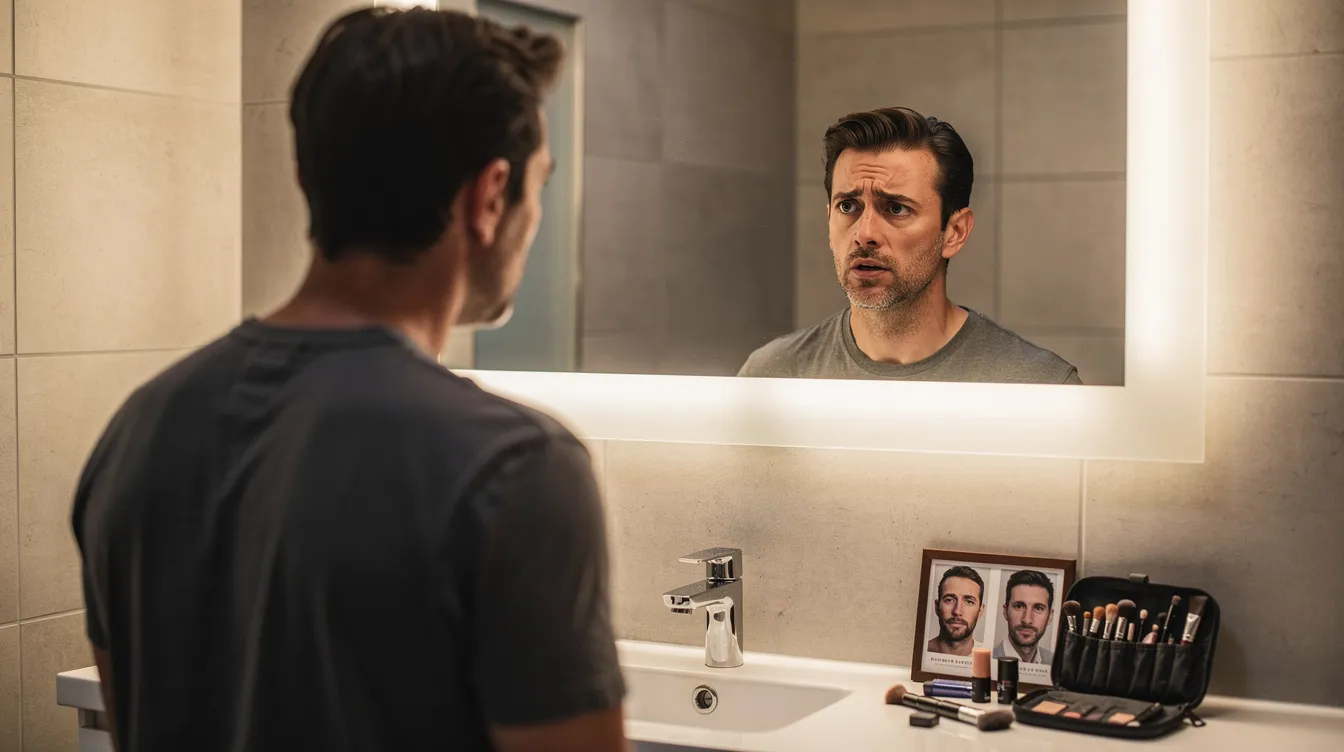
Each of these should be tied to a clear internal moment. Think of talking to your best friend for the warm smile. Imagine your annoying roommate for something more skeptical. Picture your little brother doing something funny for the playful look. The goal is to avoid the generic “photo smile” and instead hit story-driven, repeatable facial expressions that still look like real life. Diversity in expressions is crucial for landing varied auditions, and actors need to practice facial expressions before the shoot to deliver them with confidence. Practice expressions in the mirror before your shoot so the muscles learn the positions.
Headshots by Gareth can help you translate your audition energy into clear, camera-ready expressions during the session, building on whatever groundwork you bring in.
Using Your Eyes: The Real Engine of a Great Headshot
In actor headshots, the eyes carry more emotional information than any other part of the face. You can have a perfect smile or a precisely set jaw, but if your eyes are flat or unfocused, the image falls apart. Casting directors look for clear, defined emotions in headshots, and those emotions register first in the eyes.
The difference between “dead eyes” and “engaged eyes” often comes down to subtle tension in the lower lids and where your focus sits. Dead eyes look through the camera. Engaged eyes look into it with intention.
Try these mini-exercises during your next shoot or practice session:
- Focus on a point just off-camera and think a specific line of dialogue. “I trust you” creates softness. “I don’t believe you” creates skepticism.
- Imagine a person you care about standing just behind the lens. Let the feeling of that relationship fill your gaze.
- Silently label the viewer: friend, stranger, someone who just lied to you.
Avoid over-squinting or straining. Take short breaks between frames to blink fully, drop jaw tension, and reset. An experienced photographer will talk to you between shots to keep your eyes alive, adjusting direction and prompting reactions. That kind of real-time expression coaching is a core part of the experience with Headshots by Gareth.
Body Language, Posture, and How They Shape Facial Expression
Even though headshots are cropped tight, the body and face are inseparable. Tense shoulders, a locked jaw, or stiff hands will telegraph into your expression and make the whole image feel rigid. Actors should avoid stiff poses to prevent flat headshots.
Simple posture cues make a measurable difference:
- Lengthen the spine without arching the lower back.
- Drop and relax the shoulders away from the ears.
- Angle the body slightly rather than sitting square to the camera. This adds dimension.
- Lean the forehead very slightly toward the lens to create engagement without distortion.
Chin awareness matters too. Too high and you flatten the face or reveal nostrils. Too low and you create a double chin. A small forward push of the chin, almost imperceptible, elongates the neck and projects confidence in the expression without looking strained.
Some headshot poses can add character even in a tight crop. A hands on hips pose shows confidence and is flattering when the frame includes enough of the body. Crossing arms can convey strength and composure in headshots for certain character types. But in most acting headshots, the focus stays on the face and shoulders, so these come into play mainly during three-quarter or wider shots.
Do a light stretch or brief walk before the headshot session to keep the body loose. When the body is relaxed, the face follows.
Pre-Shoot Practice: Training Your Face Like a Muscle
Arriving at the studio already warmed up and confident with your facial expressions changes the entire energy of the session. Think of pre-shoot practice as rehearsal for a performance, because that’s exactly what it is.
Recommended practice methods:
- Mirror sessions where you cycle from neutral to amused to skeptical to intense, watching what your face actually does versus what it feels like it’s doing.
- Front-facing phone camera videos that let you review frames. Pause on moments that feel strong and note what your eyes, mouth, and jaw were doing.
- Self-tape-style sessions where you move through eight to ten different expressions, mimicking the rhythm of a real headshot shoot.
Rehearse transitions between expressions, not just static holds. In a real session, you’ll shift from one emotional beat to another quickly, and the photographer will capture during those transitions. Note which expressions feel genuine versus forced, and bring those insights to the photographer on shoot day.
Preparation extends beyond expressions. Wear three to six different outfits for headshot sessions, and bring outfits on hangers and nicely ironed so you aren’t scrambling. Natural makeup is preferred for headshots because it keeps skin tones even and lets your face read clearly on camera without masking your features. If you’re working with a makeup artist, communicate that you want a polished but natural look that matches your real life appearance. Bright colors can work in wardrobe but keep them solid and avoid distracting patterns.
Headshots by Gareth often builds on the expressions actors have already explored in practice, refining them under professional lighting and framing.
Directing Yourself on Set: Staying Present During the Headshot Session
Even with a great photographer, you benefit from your own mini game plan for facial expressions on the day. Before the shoot, think about which character types matter most for your casting right now. Are you going out for teacher, tech startup founder, romantic lead, or villain? For each, know which expression supports it.
Bring a short mental or written list of types and emotions to cycle through during the session. This doesn’t mean rigidly performing each one. It means having reference points so you can shift gears when the photographer asks for something different.
Techniques for staying present:
- Breathe between bursts. A deep exhale drops tension from the face.
- Shake out your hands, roll your shoulders, and reset between clothing or lighting changes.
- Use internal monologue. Think to yourself “I’m amused by this person” or “I’m skeptical of what you just said.” Each thought shifts the expression slightly and keeps it alive.
It’s completely normal to feel awkward at the start of a headshot session. Most actors do. The best expressions often come once you relax and start to play, treating the camera as a scene partner rather than an observer. Natural expressions are preferred by casting directors in headshots, and casting directors prefer un-retouched headshots for authenticity, so don’t aim for perfection. Aim for truth.
Reach out to Headshots by Gareth beforehand to discuss your types and expression goals so the session can be structured around those beats from the first frame.

Avoiding the Most Common Expression Mistakes in Actor Headshots
Most “bad headshots” fail because of expression issues, not because the person in front of the camera isn’t photogenic. Here are the mistakes that come up again and again, and how to fix them.
- Frozen smile: the mouth smiles but the eyes stay flat. It reads as forced and inauthentic. Fix it by thinking of a funny memory or a friend who always makes you laugh. Let the smile start in the eyes.
- Over-posed “Instagram face”: exaggerated lips, overly arched brows, fashion-forward tilts that belong in an editorial headshot, not a casting submission. Dial it back. Casting wants to see you, not a manufactured persona.
- Expression mismatch: smiling brightly when you’re submitting for dark drama, or looking brooding when the role calls for warmth. Match the expression to the role you’re auditioning for.
- Over-the-top mugging: too much expression in the mouth or brows tips into cartoonish territory. Subtlety reads better. Let intensity come through the eyes.
- Zero variation: submitting a portfolio where every photo has the same half-smile. It signals limited range, even if the technical quality is strong.
Headshots should reflect the actor’s true appearance, not overly retouched skin or reshaped features. Heavy retouching around the eyes and skin can flatten expressions and make casting directors suspicious that you won’t match your pictures in the audition room. Keep retouching minimal: blemishes, flyaways, and minor skin tones correction only.
Review a few images mid-session with the photographer to catch and correct expression issues before the shoot wraps. This process of checking contact sheets in real time is one of the most effective ways to improve your results.
Building an Expression-Driven Headshot Library
A headshot library is not twenty versions of the same look. It’s a curated set where each image has a clear casting purpose, driven primarily by the expression on your face.
Actors should aim for three to six different looks in headshots. A practical breakdown:
Headshot Type
Expression
Purpose
Primary commercial
Big smile, open eyes, warmth
Lifestyle, sitcom, friendly roles
Primary theatrical
Grounded, subtle, internal tension
Drama, procedural, streaming
Character-specific
Playful, mischievous, quirky
Comedy, supporting, scene-stealer
Neutral versatile
Calm, attentive, blank canvas
Wide casting range
Intense or edgy
Focused eyes, controlled tension
Villain, authority, thriller
Variation should come from different expressions and emotional tone, not just changes in outfits and background. Actors should have a range of headshots to showcase different emotions, and that range is what gives agents and managers options when submitting you.
When choosing final images, consult with your reps or a trusted coach. Ask which expressions match the roles you’re actually being submitted for. Casting trends shift, and the look that worked in 2023 may need updating for 2026 television and film casting. Headshots by Gareth can help narrow down images after the session, looking closely at expression, eye engagement, and overall casting potential.
Working With a Photographer Who Can Coach Expression
Not every headshot photographer specializes in performance and expression. Some are technically skilled but don’t know how to direct actors. For a good actor, this matters enormously, because the photographer’s ability to draw out great expressions under pressure is what separates a decent session from one that produces career-changing pictures.
Questions to ask before booking:
- How do you direct expressions during the shoot?
- How much time do you spend per look?
- Do you understand current commercial and theatrical casting trends?
- Can I see examples of expression variety across your portfolio of clients?
Look for photographers whose portfolios show real emotional range across faces, not just beautiful lighting and sharp focus. The inspiration you’re looking for is authenticity and depth in the eyes, evidence that the photographer knows how to create an environment where actors can act.
Light humor, casual conversation, and fun during the session keep expressions natural, especially for newer actors who may not yet have the muscle memory for camera work. When you work with someone who understands the casting process, the whole session becomes more productive and more enjoyable.
Headshots by Gareth in New York focuses on expression coaching throughout every headshot session and welcomes actors to reach out with their goals and questions before booking.
FAQ: Actor Headshot Expressions
This FAQ covers practical questions about expressions that come up frequently in our business but weren’t fully addressed above.
How much range should I show in one actor headshot?
Each individual headshot should communicate one clear vibe or type rather than trying to showcase every emotion at once. Range comes from having a small set of different headshots in your library, each with a distinct facial expression and tone. Choose one primary commercial headshot and one primary theatrical headshot that feel focused and specific, then add secondary options for character types you actively audition for.
What if I get nervous and my expression looks stiff on camera?
Nerves are completely normal at the start of a headshot session and usually fade after a few minutes of shooting. Use deep breaths between takes, crack a joke with the photographer, or imagine a scene instead of staring into the lens. A photographer who regularly works with actors, like Headshots by Gareth, will expect nerves and build in time and direction to help you relax into natural expressions.
Can I wear glasses in my acting headshots without hurting my expression?
Glasses are fine if you routinely wear them, since casting directors need to recognize you as you actually appear in real life. Reflections on lenses can hide the eyes, so photographers may adjust angles and lighting or ask for a few frames with and without glasses. The priority is always clear, expressive eyes, whether or not glasses are part of the look.
Do braces or dental concerns mean I should avoid smiling?
Actors with braces or dental insecurity can still book work and should not automatically avoid all smiling expressions. Capture a range: some closed-mouth or half-smile options, plus at least a few genuine teeth-showing smiles if you feel comfortable. An experienced photographer will help find angles and expressions that feel confident and honest while remaining casting-appropriate.
How often should I update my headshots for expression alone?
Beyond changes in hairstyle or age, you might update headshots when your casting type or on-camera energy shifts. Moving from teen roles to young professional roles, for example, changes the expressions that serve you best. Reassess every two to three years or after major training or life changes that noticeably deepen your emotional range. Check with your reps to see whether your current expressions still match the roles you’re being submitted for. Actors in New York can contact Headshots by Gareth to talk through their specific expression and type questions before booking their next session.