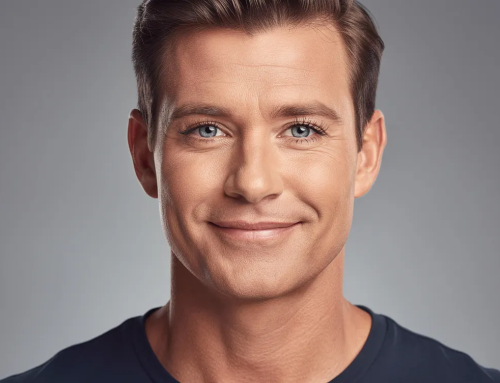
You spend your career shaping characters, selling products, and telling stories with nothing but your voice. So it can feel strange when someone tells you that a photograph of your face might be just as important as your demo reel. But in the current landscape of online casting, agent rosters, and social media branding, a strong headshot is one of the most practical investments a voice actor can make. This guide covers everything from choosing the right photographer to styling your session, using your images strategically, and knowing when it is time to update.
Key Takeaways
- Even though voice actors are hired for how they sound, a professional headshot is now essential for online casting, agent submissions, and social media branding.
- A good headshot for voice acting must feel authentic, clearly show the face, and subtly hint at the kinds of roles or brands the voice actor fits.
- Choosing an experienced actor headshot photographer, like Headshots by Gareth in New York, is the single biggest factor in getting strong results.
- Planning your looks, wardrobe, and expressions in advance will make the headshot session faster, less stressful, and more effective.
- Voice actors should update headshots whenever their look changes noticeably, or every two to three years, to stay accurate for casting directors.
Why Voice Actors Need Headshots in 2026
Modern casting for voiceover work happens overwhelmingly through online platforms. Agent portals, casting sites, and marketplace profiles all display a thumbnail headshot right next to your demo clips and credits. Before anyone clicks play on your reel, they see your face. Casting directors routinely see two thousand to three thousand headshots per role, and they often make a keep-or-pass decision in under three seconds. If your image does not read clearly at thumbnail size on a browser or phone, you may never get heard.
Voice actors need headshots for online casting and agent sites in the same way that a resume needs clean formatting. It is not the substance, but it is the packaging that determines whether anyone engages with the substance. Casting directors, producers, and agents now expect a professional headshot for most voice talent, even for purely studio-based projects. A good headshot helps communicate personality, professionalism, and reliability within a split second, supporting the impression created by your demo reel. Headshots are crucial for building a brand as a voice actor, and skipping them signals a lack of seriousness to the people doing the hiring.
Your headshot appears in more places than you might guess: agency rosters, LinkedIn profiles, personal websites, email signatures, podcast artwork, and social media profiles. Anywhere your audience or clients encounter your name, an image usually appears alongside it. Headshots by Gareth regularly works with New York actors and voiceover artists who need images that function for both voice acting and on-camera opportunities, covering all of those touchpoints in a single session.

What Makes a Good Voice Actor Headshot?
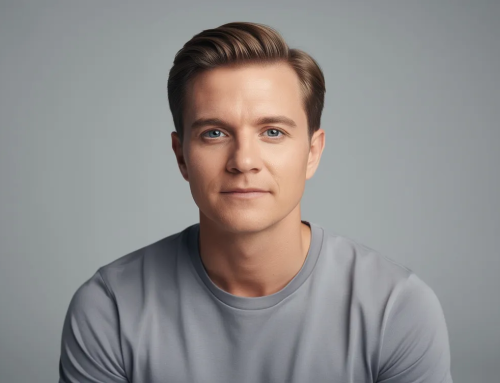
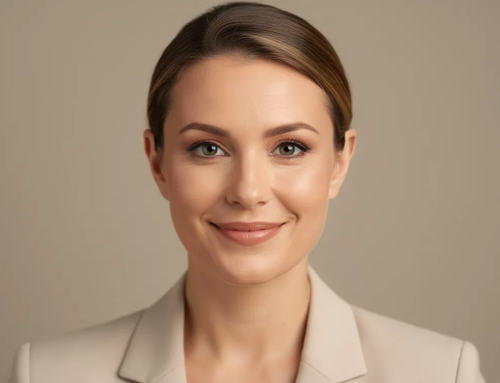
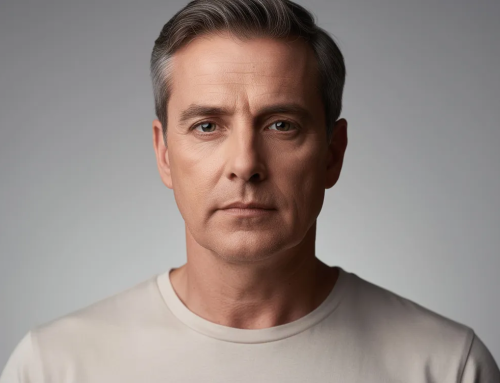
A good headshot for a voice actor has sharp focus on the eyes, flattering but natural lighting, a clean background, and an expression that fits your typical voice brand. Whether you book friendly commercials, grounded narration, or quirky characters, the image should give viewers a sense of the person behind the microphone. Good lighting can evoke specific emotions in headshots, so the setup matters: soft, even light for warm commercial reads, or more directional lighting for theatrical or character-driven work.
Authenticity matters more than glamour. A professional headshot should be minimally retouched to look natural. Visible skin texture, real hair, and honest expressions are what casting directors want. The goal is not a pretty picture for a mantelpiece. It is a marketing tool that accurately represents who walks into the studio or shows up on a video call. A strong headshot should clearly show your face and expression, and headshots should avoid distractions and focus entirely on the actor’s face.
Voice actors often lean toward actor-style headshots rather than ultra-corporate portraits, especially if they also do animation, games, audiobooks, or on-camera work. Composition usually follows a head-and-shoulders framing, with eyes close to the top third of the frame and enough negative space for future cropping on casting sites or social media banners. A strong headshot can showcase versatility in looks and a good headshot conveys a professional image, even at the small thumbnail sizes where most first impressions happen on phones and casting platforms. Contrast, clarity, and eye contact are what make a photo pop at that scale.
Choosing a Headshot Photographer as a Voice Actor
Voice actors should prioritize headshot photographers who specialize in actor headshots and understand casting needs rather than generic portrait studios. Investing in professional photography is important for high-quality images, and the difference between a generalist and a specialist can be dramatic. A photographer who works regularly with performers knows how to coach expression, adjust lighting for type, and deliver images that function across multiple platforms.
Key criteria to evaluate:
- Portfolio examples of actors and voiceover artists, not just corporate clients or families
- Consistent natural expressions across subjects, showing the photographer can draw personality out of anyone
- Clean, intentional lighting that suits the actor’s market
- Recent work from 2024 to 2026, since headshot styles evolve
Choosing a photographer with a great personality is crucial. You will spend the session face to face with this person, and your comfort level directly affects the quality of the shots. Read reviews from other performers, and verify whether the photographer is comfortable directing people who hate being on camera. A good photographer will discuss your headshot needs beforehand, covering your brand, voice types such as warm corporate or youthful animation, and where the images will be used.
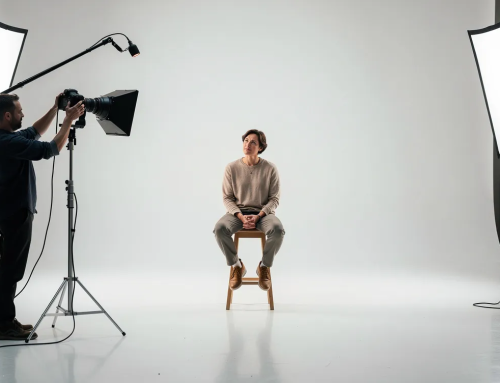
Headshots by Gareth approaches sessions in New York City collaboratively, with real-time direction on angles and micro-expressions tailored to voice actors who may not pose often. Before booking a headshot session, reaching out to discuss your goals helps the photographer plan lighting setups, background options, and the number of looks you will need.
Planning Your Headshot Session: Brand, Type, and Objectives
Start by defining a clear objective for the shoot. Are you pursuing more auditions in commercial voiceover? Do you need a stronger agency submission? Are you refreshing your website and social media profiles after a rebrand? Planning for a headshot can take two or more months when you factor in finding the right photographer, scheduling, wardrobe shopping, and grooming.
Define your type. In the voiceover industry, type is shorthand for the casting lane you naturally occupy: friendly neighbor, authoritative expert, offbeat best friend, luxury brand narrator, edgy gaming guy. Your headshots should align with the roles you typically book, and your photo should reflect the type of voice roles you book. Before the photo shoot, create a short brand board: three to five adjectives that describe your voice and persona, sample roles or brands you actually get hired for, and a few reference images for tone. You are not asking the photographer to copy these, just to understand the direction.
This pre-planning conversation with a photographer like Headshots by Gareth can help decide whether to focus on one strong look or several distinct character-leaning looks. Include a mix of headshot styles to represent your range and professionalism. Having multiple headshots increases casting opportunities, and using character-specific headshots instead of one general photo gives casting directors more to work with. Preparation for a headshot shoot typically requires two or more weeks of focused work on wardrobe, grooming, and references. Headshot sessions typically involve one hundred to three hundred shots taken, so the more clarity you bring, the more usable images you walk away with.
Wardrobe and Styling for Voice Actor Headshots
Bring three to five outfit options that align with your brand: solid colors, minimal logos, and textures that read well on camera without stealing attention from the face. Clothing choice impacts the professional message of a headshot, so think of each outfit as a casting tool rather than a fashion statement.
General color guidance that works for most people:
- Mid-tone blues, greens, and earthy neutrals photograph well under studio lighting
- Bright white or near-black can be trickier but may work with the right lighting and background
- Avoid loud patterns, large graphics, or anything that competes with your expression
Your wardrobe should hint at casting types without becoming a literal costume. A clean button-down suggests corporate narration reads. A casual knit sweater works for warm conversational commercials. A leather jacket leans into edgier gaming or character roles. None of these are rigid rules, but they provide a starting point.
Hair and makeup should reflect the character you want to portray. Natural makeup is recommended for headshots to avoid looking overly made-up. If you want professional application, a makeup artist can help achieve a polished but realistic look. Otherwise, visiting a makeup counter for basic tips before the shoot works well enough. Keep hair styled in the same way you would if walking into a real studio session. Voice actors can discuss specific grooming questions with the photographer before the shoot, and Headshots by Gareth can offer practical, non-fluffy guidance based on experience with New York performers.

Expressions and Posing for Non-Camera People
Many voice actors feel camera-shy and think something along the lines of “I’m a voice, not a face.” That is completely normal. Good headshot photographers are used to guiding people who rarely pose. The rest of the world does not spend their days in front of a camera, and your photographer knows that.
Subtle shifts in expression can convey very different character energies. A micro-smile reads as approachable. A softer gaze feels warm and trustworthy. A more grounded jaw with a level chin reads as authoritative or mysterious. Natural expressions are preferred in actor headshots, and the difference between a terrible forced grin and a genuine half-smile is immediately obvious to anyone scrolling through casting submissions. Show personality in headshots to help connect with potential clients.
Posing for voice actor headshots is usually minimal: simple body angles, relaxed shoulders, and variations in chin position to flatter bone structure while keeping expressions honest. Think of the session like a performance. Imagine speaking to a specific person, a client, a director, a friend, a child, and let that mental image generate expressions that feel alive on camera. During a session with Headshots by Gareth, the photographer will direct small adjustments and provide feedback so you never have to know how to pose beforehand. The fun part is that you are essentially performing, just with your face instead of your voice.
Voice Actor vs. On-Camera Actor Headshots
On-camera actor headshots are sometimes more dramatic, with very specific lighting and wardrobe choices tailored to theatrical or commercial casting. Voice actors tend to need a slightly broader range because voiceover work spans commercials, audiobooks, animation, video games, podcasts, and corporate narration, all of which suggest different visual energies.
Voiceover artists often benefit from one anchor headshot that works for agencies and corporate clients, plus one or two more character-driven looks for animation, games, or podcasts. Wardrobe and expression can be adjusted to serve both voice acting and on-camera opportunities if the actor also does commercial or indie film work. While both groups need professional headshots, voice actors can sometimes play with secondary images that appear on podcast covers, show artwork, or Patreon pages in ways that on-camera actors typically would not.
If you have on-camera ambitions, mention them to the photographer so the session can efficiently produce images that serve both sides of your career. This is one area where a photographer experienced with actors and performers truly earns their money.
Using Your Headshots to Get More Voice Acting Work
Once you have new headshots, put them to work immediately. Update casting profiles, agent submissions, personal websites, email newsletters, and banners on platforms like LinkedIn, Instagram, and X. Integrate headshots into branding materials for consistency so that clients and casting directors recognize you across every site and page where your name appears.
Pairing headshots with specific demos on your website is a smart marketing tactic. Place a friendly, open image above your commercial reels and a moodier shot near gaming or drama reels. Professional headshots help casting directors visualize the voice behind the mic, and this visual-audio pairing strengthens the connection. Headshots can significantly impact audition opportunities, so treat them as seriously as you treat your demo production.
Voice actors interested in testing which images perform best can rotate photos on profile sites over a few months and track whether audition or inquiry volume shifts. If you still attend in-person auditions, bring twenty-five to fifty printed copies of your headshot. And once your headshot gallery is delivered, you can ask Headshots by Gareth for input on which images might work best for different platforms. That kind of post-session guidance is part of what separates a headshot photographer from someone who just takes a picture.
Retouching, File Formats, and Delivery
Tasteful retouching in 2026 means removing temporary blemishes, reducing under-eye shadows, taming flyaway hairs, and balancing color without changing facial structure or age. Casting directors favor minimally retouched headshots for authenticity. Avoid heavy airbrushing to ensure authenticity in headshots. If your photos look like they were run through a beauty filter, you have gone too far. The person in the image needs to match the person who shows up on a video call or walks into a studio.
Typical digital deliverables include:
- High-resolution JPEGs for printing or large-format display
- Web-optimized versions with smaller file sizes for online use
- Square or vertical crops for social media avatars and banners
Creating a simple naming system for files helps keep everything organized. Something like “Firstname_Lastname_Commercial_01.jpg” makes it easy to know which headshot is being used where. A photographer like Headshots by Gareth can guide clients on which versions to use for submissions versus social feeds, and on safe ways to crop without weakening composition.
How Often Should Voice Actors Get New Headshots?
Most actors should update their headshots every two to three years. If your appearance is very stable and your roles remain consistent, you might stretch that to every five to seven years, though that is more common for older actors who need to update headshots less frequently. Younger performers or anyone actively changing their brand should lean toward the shorter end of that range.
Situations that should trigger new headshots sooner:
- Major hairstyle or color change
- Significant weight change
- A clear shift in brand, such as moving into more corporate narration from character work
- A jump into on-camera acting work
Headshots should reflect your current look for auditions. Casting directors expect the person they see in person or on a video call to match the headshot on file. Review your profiles and marketing materials periodically and ask honestly whether older images still represent who you are now. When a voice actor is planning a big rebrand, it is an ideal time to schedule a new headshot session with Headshots by Gareth to refresh all visuals at once.
Working with Headshots by Gareth in New York
Headshots by Gareth is a New York-based headshot and portrait photographer with experience working with actors and voiceover artists. The overall session flow starts with a pre-shoot consultation to discuss type and goals, moves into collaborative shooting with real-time direction, and ends with a clear selection and retouching process.
The focus is on expressions that feel like you on your best day rather than stiff, formal shots. This matters especially for voice actors who are not used to being in front of a camera. Gareth helps clients choose backgrounds, lighting styles, and wardrobe combinations to suit specific goals, whether that is agency submissions, audiobook work, or commercial campaigns.
If you are based in or visiting New York, get in touch with Headshots by Gareth to talk through your voice acting goals and plan a tailored headshot session. A short conversation before booking can save time, reduce stress, and give you a sense of exactly what to expect on shoot day.
FAQ
Do voice actors really need professional headshots if clients only hear my voice?
In practice, most modern casting and representation platforms display a headshot by default, and agents expect a professional image alongside demo reels. A polished, on-brand headshot signals professionalism and reliability before anyone hits play on a demo, which can influence whether a casting director bothers to listen. DIY or casual photos can work temporarily, but upgrading to a professional headshot usually pays off in better first impressions and stronger branding across the voiceover industry.
Can I use the same headshot for both voice acting and on-camera work?
One strong, versatile actor headshot can often serve both, especially for commercials and corporate work. Performers who do a lot of animation or dramatic film may benefit from an additional, more specific look that leans into each niche. Discuss both sides of your career with the photographer so they can plan a session that covers the necessary range efficiently without doubling your time or money.
What should I avoid in a voice actor headshot?
Common pitfalls include heavy, unrealistic retouching, busy or distracting backgrounds, clothing with loud patterns or logos, and expressions that feel forced or unlike how you usually present yourself. Avoid using drastically outdated photos that no longer resemble you, as this creates confusion or worse, mistrust in casting. Subtle, timeless styling holds up far better than trendy looks that date quickly on agency sites.
How many different headshot looks does a voice actor need?
At minimum, one primary, all-purpose professional headshot for agents, casting sites, and LinkedIn. One or two additional looks help if you work across very different markets, such as straight corporate narration and playful kids’ animation. A photographer like Headshots by Gareth can help prioritize which looks will be most useful based on your current bookings and goals, so you capture exactly what you need without overcomplicating the session.
What if I am extremely uncomfortable in front of a camera?
Many voice actors and voice talents feel this way, and a good headshot photographer expects to guide people who are not models or on-camera professionals. Practical steps that help include a brief call with the photographer beforehand, choosing outfits that feel genuinely comfortable, and treating the session like a relaxed performance exercise. Working with a patient, expression-focused photographer like Headshots by Gareth can make the process feel collaborative rather than intimidating, and most clients are surprised at how quickly they settle in once the direction starts flowing.