Every school year in New York City begins with ambition and ends with a yearbook. Between those two points, thousands of portraits need to be captured, organized, and delivered so that the final product actually does justice to the community it represents. This guide is built for NYC K–12 administrators, yearbook advisers, and parent coordinators who want to run a smooth, professional school picture day and get the most out of their yearbook photos. Whether you manage a 200-student elementary school in the Bronx or a 3,000-student high school in Brooklyn, the advice here will help you plan with confidence and work effectively with Headshots by Gareth.
Key Takeaways
- This article is written for New York City K–12 schools planning yearbook photos and school picture day with Headshots by Gareth, a professional portrait and headshot photography service based in New York.
- Careful scheduling, clear parent communication, and efficient workflow are the core of a smooth school picture day that minimizes disruption to instructional time.
- Professional school photography creates consistent, flattering portraits that strengthen the school community and elevate yearbook quality across every grade level.
- The guide covers planning timelines, logistics for NYC school buildings, tips for students and staff, privacy and security compliance, and ways to maximize yearbook use of images.
- Headshots by Gareth focuses on organized on-site setups, fast turnaround, and a calm, friendly experience for students of all ages, from preschool through graduating seniors.
Why Yearbook Photos Matter for NYC Schools
New York City schools are unlike anywhere else. A single building can hold students who speak dozens of languages, represent cultures from every continent, and navigate a fast-paced academic year that runs from early September through late June. Yearbook photos capture that diversity and energy in a way that nothing else can. School pictures are essential for yearbooks and graduation ceremonies, and they serve as a visual record of every person who walked those hallways during a given year. Yearbooks serve as a snapshot of the school year, and for many families, the portraits inside are the only professional photos their children will sit for.
School picture days foster a sense of belonging among students. When every student is photographed with the same care, the same lighting, and the same attention, the message is clear: everyone here matters. School pictures capture moments in a student’s academic journey, and annual school pictures document students’ growth over the years. Parents cherish school pictures to see their child’s progress, and graduating students value yearbooks to remember classmates long after the final bell rings. School pictures become cherished memories for families and friends, displayed on mantels and refrigerators and shared across group chats for years to come.
Beyond the emotional weight, consistent and well-lit portraits support practical needs across the school. ID cards, internal directories, safety systems, and family keepsakes all depend on a reliable set of current photos. In a city where crowded hallways, tight schedules, and limited space are the norm, having a professional, organized school photography partner is essential. Headshots by Gareth is a New York–based portrait and headshot specialist experienced with on-location sessions across Manhattan, Brooklyn, Queens, the Bronx, and Staten Island. We understand that yearbooks are distributed at the end of the academic year, but the work to create them starts months earlier, and the photography is the foundation everything else is built on.
Planning School Picture Day: Timeline and Checklist
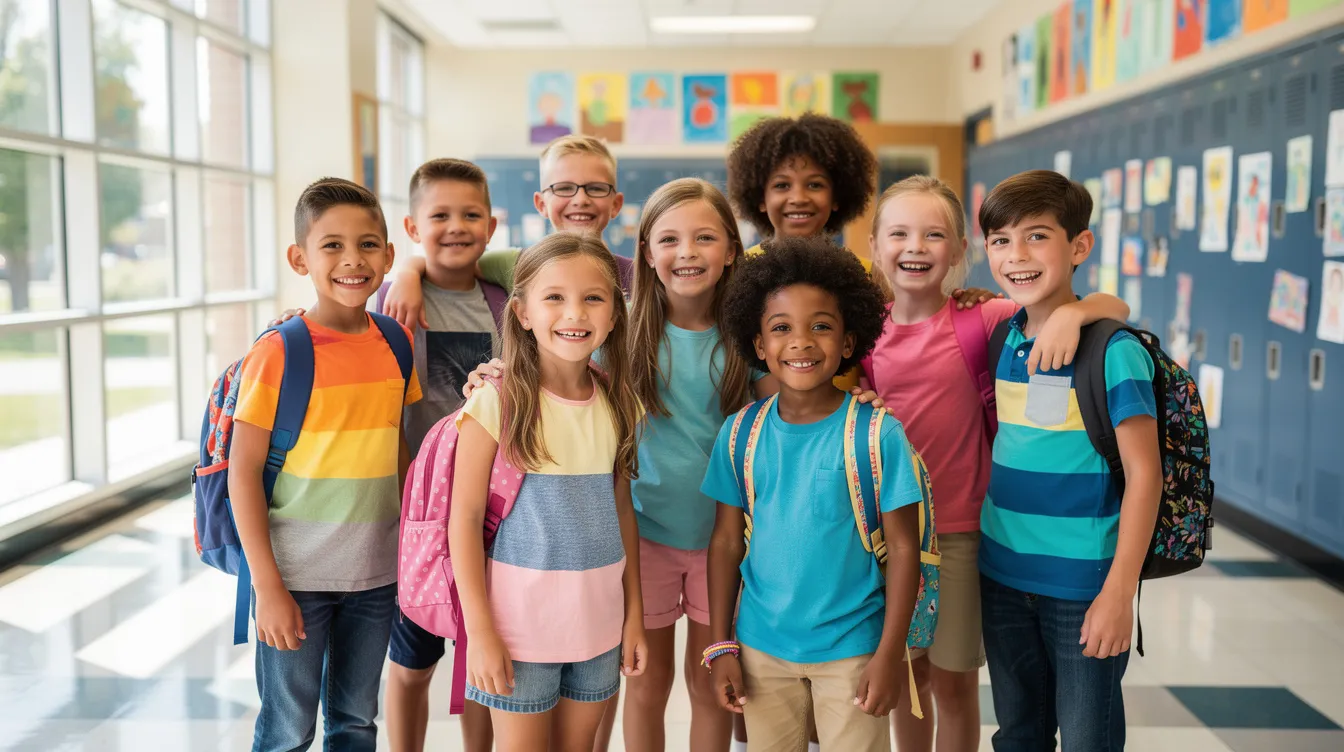
NYC schools should begin planning picture day at least eight to twelve weeks in advance, especially for fall yearbook sessions or senior portrait sections. That window gives administrators enough time to coordinate vendor availability, reserve the photography space, distribute permission slips, and handle the inevitable scheduling conflicts that come with urban school life.
Here is a practical planning structure tied to the typical NYC school calendar running September through June.
Eight to twelve weeks before picture day, the yearbook adviser or designated point person should confirm the desired date range with school leadership, contact Headshots by Gareth to check availability, and identify the room or space that will serve as the photography location. This is also the time to pull updated class rosters, including preferred names, pronouns, and grade levels, so the photographer team can prepare data entry templates.
Six weeks out, the picture day committee should be assembled. A strong committee includes an administrator, the yearbook adviser, a PTA representative, and an office staff member who handles day-of logistics. This team coordinates everything from parent communication to hallway traffic flow. Schools operating within the NYC DOE system should cross-reference the testing calendar to confirm that the selected date does not fall during Regents exam periods, Grades 3–8 state testing windows in April and May, or citywide professional development days.
Four weeks out, parent communications should go out across every channel the school uses. Permission slips should be collected, translated notices should be prepared, and dress code guidance should be included. The committee should also confirm any required approvals with DOE leadership or charter network administration, and verify that the photography vendor meets all school and city safety requirements.
Two weeks before, the school should finalize the class-by-class schedule, assign student runners or helpers, and confirm the room setup plan with Headshots by Gareth. Teachers should receive their instructions, including when their class is scheduled and where to bring students.
The week of picture day, the committee should do a final walkthrough of the photography space, confirm electrical outlet access, verify that the PA system can avoid announcements during key blocks, and prepare a backup plan for late arrivals or absences. Schools with very large enrollment should also confirm whether a make-up day has been scheduled.
Headshots by Gareth can help schools build a custom checklist for picture day that covers equipment needs, student flow maps, teacher instructions, and contingency plans. We send this checklist as part of our planning process so nothing falls through the cracks.
Coordinating With Headshots by Gareth for Yearbook Photos
Before reaching out to schedule yearbook photos, schools should gather a few key details: estimated student count, number of staff members who need portraits, grade levels served, a basic building layout, and any accessibility considerations for students or staff with mobility needs. Having this information ready makes the initial planning conversation faster and more productive.
A typical coordination call covers selecting the picture day dates and confirming a make-up day, agreeing on start and finish times that align with NYC bus arrival and dismissal schedules, and reviewing the school’s bell schedule so we can build a realistic class rotation. We also discuss how many photographers to assign based on enrollment, since adding team members keeps lines short and reduces the time each class spends away from the classroom.
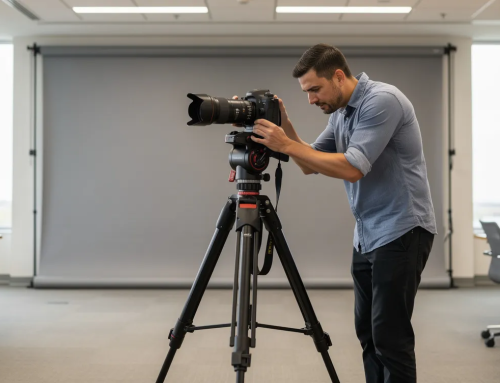
We bring a full mobile studio setup to every session. That includes professional lighting with softboxes and fill lights, neutral backdrops suitable for yearbook layouts, and tethered capture connected to a laptop for quick quality control. Every image is reviewed on screen within seconds of being taken, so we catch closed eyes, awkward expressions, or framing issues before the student walks away. This kind of professionalism is what separates a well-run picture day from one that produces inconsistent results.
We work within each school’s security protocols without exception. That means performing security verification at the front desk, signing in through the visitor logbook, displaying visitor badges, and complying with any DOE background check requirements for vendors. Security service procedures vary by school, and we adapt to each one. Our team verifies all sign-in requirements in advance so there are no delays on the morning of the shoot.
Providing class rosters ahead of time is one of the most important things a school can do to prevent errors. Accurate spelling, preferred names, pronouns, and grade assignments allow us to pre-fill data templates, which dramatically reduces the chance of caption mistakes when the yearbook team starts placing photos into portrait grids. We also help schools decide on backdrop colors and framing styles that align with previous yearbooks or reflect new branding without being distracting.
Designing the Picture Day Schedule
Balancing instructional time with efficient photography is a real challenge in NYC schools, where class periods can be as short as forty to forty-five minutes and every minute of learning time matters. A well-designed schedule keeps the day moving forward without pulling students away from core instruction for too long.
For elementary schools, the most effective approach is scheduling class by class, starting with the youngest grades. Preschool and kindergarten students tend to do best earlier in the day when their energy and patience are highest. Middle and high schools generally organize by homeroom or advisory group, which simplifies logistics and aligns with how students are already grouped in the building. Building in buffer time for special education classes or multilingual programs is honestly one of the most overlooked steps, and it makes a meaningful difference in portrait quality for those students.
In optimal conditions, one photographer can handle roughly forty-five to sixty students per hour. That rate holds when the flow is steady, the check-in process is smooth, and students arrive ready. For large enrollment schools with a thousand or more students, we can add more photographers to run parallel stations and keep waiting times short. This is where having a sample schedule template, which Headshots by Gareth provides and schools can adapt to their bell schedule, becomes essential for keeping the entire day organized.
Reducing hallway congestion requires a bit of strategy. Staging areas near the gym or auditorium give classes a place to line up without blocking main corridors. Clear signage helps students and staff find the photography space quickly. Using student helpers or runners to escort classes from their rooms to the staging area and back again keeps traffic moving in one direction and avoids the kind of bottleneck that eats into instructional time. Avoiding core exam blocks and scheduling around lunch periods also helps maintain a steady, predictable flow throughout the day.
Picture Day Communication With Families and Staff
Clear communication is the single most underrated factor in a successful school picture day. When families know what to expect, students show up prepared, and when staff understand the logistics, the whole day runs more smoothly.
NYC schools typically have multiple communication channels at their disposal: backpack flyers for younger kids, school-wide emails and robocalls for parents, parent portal announcements, and PTA social media pages. Using all of these channels, not just one, ensures the message reaches every family. In a city where school communities speak dozens of languages, translated notices in Spanish, Chinese, Bengali, Russian, and other languages spoken by the school’s population are not optional. They are necessary. Headshots by Gareth is happy to support schools in preparing multi-language notices so that every family receives the same information.
Parent messages should include the picture day date, the approximate time window for each grade, dress guidelines (solid colors tend to photograph best, while busy patterns and large logos can be distracting), the background style being used, make-up or retake day information, and any online viewing or ordering steps. Standardized outfits during picture day promote unity in schools, but schools that do not require uniforms should still offer simple suggestions so students feel confident and comfortable. Parents who understand what to expect are more likely to engage with the ordering process after pictures are delivered.
Teachers and staff need a different kind of briefing. They should know where to take their classes, how to line students up efficiently, how to handle children who are camera-shy, and what to do if a student does not have a signed permission slip. We can provide sample email copy and one-page teacher instructions tailored to the school’s grade levels, making it easy for educators to stay informed without adding to their workload.
Setting Up the Photography Space in a NYC School
Typical New York City school environments present a unique set of challenges. Multipurpose rooms serve double duty as cafeterias and assembly halls. Shared gyms are scheduled back to back with physical education classes. Smaller parochial school auditoriums may not have much floor space to spare. The key is finding a room that works for the photographer and the students, even if it is not a dedicated studio.
The ideal photography location has reliable access to power outlets, enough ceiling height for lighting stands, nearby restrooms, ADA accessibility for students and staff who use wheelchairs or mobility aids, and safe routes for young children to walk from their classrooms. If the school has a gymnasium or large multipurpose room, that is usually the best option because it offers the most space for setup and student flow.
Headshots by Gareth arrives early on picture day to build out the space. We place backdrop stands against a wall or in a corner where foot traffic will not disturb them, position key and fill lights with softbox modifiers to produce even, flattering illumination, and set up a posing stool for seniors and standing marks on the floor for younger students. A check-in station near the entrance with a laptop or tablet allows us to match each student to the roster and flag any special instructions before they step in front of the camera. Lighting can create unique shadows in photography when not controlled properly, which is why we use diffused sources that minimize harsh lines under the eyes and across the face.
Noise and traffic control matter more than most schools expect. Stanchions or tape define the line so students know exactly where to wait. A designated waiting area, ideally separated from the photography zone by a few feet, keeps the energy calm. We also recommend that the PA system avoid announcements during key photography blocks so that the photographer can communicate clearly with each student.
Safety is non-negotiable. All cables are secured with gaffer tape to prevent trip hazards. Tripods and light stands are positioned out of main traffic paths. We comply with school fire code and egress rules, ensuring that emergency exits remain clear and accessible at all times.

What Makes a Great Yearbook Portrait
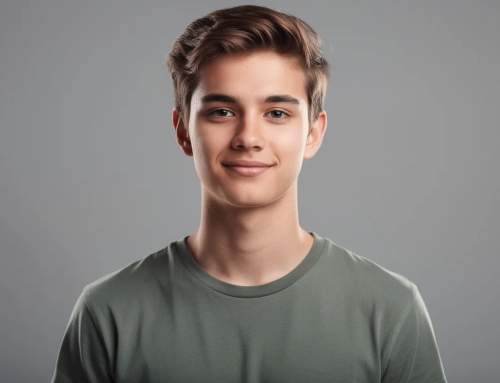
A great yearbook portrait shares more DNA with a professional headshot than most people realize. Both should look natural, confident, and true to the person sitting in front of the camera, not stiff or over-posed. Individual pictures highlight each student’s unique personality, and the photographer’s job is to bring that out in a matter of seconds.
Technically, several elements need to align. Even lighting across the face eliminates unflattering shadows. Clean backgrounds keep the focus on the student. Correct exposure preserves natural skin tones without blowing out highlights or losing detail in darker areas. Sharp focus on the eyes is critical because that is where viewers look first. Depth of field is influenced by the aperture setting, and we select settings that keep the subject crisp while gently softening the background. Scheduling shoots during golden hour provides optimal natural light for outdoor portraits, but for indoor yearbook sessions, controlled studio lighting gives us consistency that sunlight cannot match. Shooting at sunrise helps avoid crowds and harsh shadows when outdoor group photos are part of the plan.
Posing guidance varies by age group. For preschool and kindergarten kids, we keep it simple: straight-on shots, gentle posture reminders, and checking for glasses glare. Middle schoolers respond well to slightly angled shoulders and relaxed hands. High school seniors and staff receive more professional-style coaching, similar to a business headshot session, with subtle direction on head angle, expression, and posture. We use the rule of thirds for better composition, ensuring that the student’s eyes fall along the upper horizontal line for a balanced, visually pleasing frame. We also experiment with different angles to convey emotions, though yearbook portraits lean toward a classic, universally flattering look.
Taking multiple shots increases chances of capturing the best moment, which is why we never settle for a single click. Each student gets several frames, and we review them instantly on the tethered screen to confirm we have at least one strong image before they leave. Headshots by Gareth works quickly while still giving each student a moment to relax, adjust their clothing, and receive a quick note on expression. The difference between a real smile and a forced one is obvious in print, and a few seconds of friendly conversation is all it takes to get the genuine version.
Consistency matters as much as individual quality. Every portrait in the yearbook should have roughly the same head size, the same cropping margins, and the same lighting feel. When that consistency is maintained across hundreds or thousands of photos, the portrait pages look cohesive and polished, which reflects well on the school and the yearbook team.
Involving the School Community in Yearbook Photography
Yearbook photos extend well beyond the portrait line. The best yearbooks tell a story about the entire year, from September orientation to June graduation, through candid coverage of events, clubs, sports, field trips, and classroom life. That kind of comprehensive coverage requires contributions from across the school community.
Yearbook advisers can coordinate with Headshots by Gareth to align the formal portrait style with candid and group photos so the final yearbook design feels cohesive. When the portrait backgrounds, lighting tone, and color palette complement the candid pages, the whole book reads like a unified narrative rather than a patchwork of unrelated images.
Schools should also encourage teachers, parents, and student leaders to contribute candid images from their own cameras and phones. Coaches at borough-wide competitions, chaperones on field trips to Central Park or the Brooklyn Bridge, and classroom teachers documenting a science fair can all capture moments that the yearbook photographer was not present for. Central Park provides a mix of greenery and architecture for photography that works beautifully in candid yearbook spreads. DUMBO offers iconic bridge views for trendy urban photos, while Greenwich Village features cobblestone streets and a relaxed vibe that photographs well during class outings. Locations like Brooklyn Bridge and Central Park are popular for photos, and including them in the yearbook gives the book a distinctly New York feel. Even a quick snapshot near the Oculus, known for its futuristic architecture, can add visual variety to a spread.
Lighting is crucial for street photography in busy neighborhoods, so teachers snapping candids should try to position subjects facing the light source whenever possible. Choosing unique urban textures, like brick walls, iron fences, or colorful murals, enhances the aesthetic of photos and adds character to yearbook pages. When parents or staff use their phones for candid shots, they should hold cell phones steady with both hands to reduce blur and take several frames of the same moment to increase the odds of a sharp, well-timed image. Iconic NYC backdrops can reflect the photographer’s personality, and allowing student photographers to contribute their own perspectives adds another layer of authenticity.
Schools can create shared, access-controlled online folders where teachers and coaches upload photos from events throughout the year in a way that respects privacy policies. A strong photo collection captures the diversity and personality of the school community, not just posed images, while maintaining consistent quality standards that the yearbook team can rely on.

Special Considerations for NYC Schools (Security, Privacy, Accessibility)
New York City schools operate under strict rules for visitors, photography, and student privacy. Federal regulations like FERPA, DOE policies, diocesan guidelines, and independent school standards all establish requirements that photographers must follow. Public places may require permits for commercial photography in NYC, and school buildings have their own layers of access control on top of that.
Headshots by Gareth collaborates with every school to follow their specific sign-in procedures. Our team arrives with valid photo IDs, signs in through the visitor logbook or electronic entry system, and wears visitor badges throughout the session. If the school requires vendor clearances, fingerprinting, or chaperone-level background checks, we handle those well in advance so there are no surprises on picture day. We understand that performing security verification is part of protecting students, and we treat it as a standard part of every engagement.
The NYC DOE Media Consent Form is a critical document. Schools must collect these forms and maintain clear records of which students have opted in and which have opted out. Students whose guardians decline consent should be flagged on the roster so our team knows not to photograph them or, in some cases, to photograph them only for internal records that will not appear in public-facing yearbooks or on the school website. Our team cross-checks rosters during picture day to respect these restrictions and coordinates with staff immediately if any questions arise. When verification is successful and the roster is clean, the shoot proceeds without interruption.
Accessibility is a priority, not an afterthought. The photography space must accommodate students and staff who use wheelchairs, mobility aids, or need extra time and support. Posing options should include seated and standing variations so that every person is photographed with the same dignity and attention. We schedule extra time for students who may need it, including those in special education programs or multilingual groups, so they never feel rushed.
Digital file security matters just as much as physical safety. We use organized, password-protected systems for image storage and transfer. Files are backed up on-site during the shoot, and all data handling follows strict practices aligned with school policies. We do not share images beyond the agreed uses without explicit school approval. In a world where malicious bots and data breaches make headlines regularly, schools need to know their vendor takes digital security as seriously as physical security. Our approach to security ensures that a respond ray id or any access attempt is handled through legitimate, protected channels, and we protect student data at every stage.
After Picture Day: File Delivery, Retakes, and Yearbook Workflow
The work does not stop when the last student walks away from the backdrop. On picture day itself, we perform a full backup of every image on-site before packing up equipment. From there, the images go through careful file organization by grade and homeroom, followed by an initial quality review where we check focus, exposure, expression, and framing for every single portrait.
Image delivery is structured to make the yearbook team’s job as easy as possible. Schools receive neatly labeled digital galleries or folders that align with their yearbook layout needs. Files follow a consistent naming convention, typically structured as Last_First_Grade.jpg or StudentID_Last_First.jpg, so yearbook staff can quickly place photos into portrait grids and staff sections without hunting for the right file. All images are delivered as high-resolution JPEGs at a minimum of 300 DPI in sRGB color space, which is the standard for both print yearbooks and digital platforms.
We work with the yearbook adviser to align student names, grades, and IDs so that proofs are accurate and caption errors are minimized. This data alignment step is one of the most important parts of the post-production workflow, because a misspelled name in a yearbook is the kind of mistake that gets noticed by every person on that page.
A make-up or retake day should be scheduled two to four weeks after the original picture day. This session covers absent students, new enrollments who arrived after picture day, and anyone who wants an updated photo. Retake images go through the same quality review and are delivered in the same format, integrated into the existing gallery structure so the yearbook team does not have to reorganize anything.
Turnaround expectations vary, but schools should generally expect proofs within one to three weeks after picture day. We encourage every school to share their yearbook production deadlines early in the planning process so we can align our delivery accordingly. When the ordering process is handled through online galleries, families can view and purchase prints on their own schedule, which simplifies the logistics for school office staff.
Tips for Helping Students Feel Comfortable on School Picture Day
Many children and teens feel nervous about being photographed, especially in a busy school environment where they are walking into a room full of equipment, bright lights, and a person they have never met. That anxiety can show up in stiff postures, forced expressions, and the kind of smile that looks more like a grimace than genuine happiness.
Teachers play a huge role in setting the tone before students even reach the photography room. A quick pep talk in the classroom, a few minutes for kids to check their hair and straighten their collars, and a positive framing of the experience, something like “this is your moment to look great for the yearbook,” goes a long way. Normalizing the experience and treating it as a fun part of the school day, rather than something to be anxious about, helps students arrive in a relaxed state of mind.
When students reach the photography space, our team greets them with a friendly hello, explains quickly what will happen, and uses light, age-appropriate conversation to put them at ease. For younger kids, that might mean asking about their favorite subject or complimenting their outfit. For older students, it is more about a calm, respectful interaction that treats them like the young adults they are. The goal is to capture a natural expression that the student and their family will actually like, not a stiff pose that ends up buried in a drawer.
Students with sensory sensitivities deserve extra care. Dimming nonessential lights in the waiting area, keeping noise levels low, and offering alternate posing options or additional time can make the difference between a stressful experience and a positive one. We practice patience with every student, because a great portrait is worth an extra thirty seconds of kindness.
Staff portraits should be just as relaxed and well-planned. These images often serve multiple roles beyond the yearbook, including the school website, newsletters, staff directories, and personal professional use. Educators deserve the same attention to lighting, posing, and expression coaching that students receive. When staff feel good about their photos, it sets a positive example for the entire school community.

FAQ
These common questions come from NYC school administrators, yearbook advisers, and parent coordinators planning yearbook photos with Headshots by Gareth.
How far in advance should our NYC school book yearbook photos with Headshots by Gareth?
We recommend booking at least eight to twelve weeks ahead of your desired picture day, especially for September through November dates when many schools across the city schedule their portraits. Fall is our busiest season, and schools that start the conversation early get more flexibility in choosing dates and times that align with their calendar.
Spring sessions and make-up days can sometimes be scheduled on a shorter timeline, but availability becomes more limited for last-minute requests, particularly in April and May when state testing windows narrow the options. Schools with very large enrollments or multiple campuses should reach out even earlier so we can design an appropriate multi-day plan that covers every student without rushing.
Can you handle multi-day picture schedules for large New York City schools?
Yes. Headshots by Gareth can plan and staff multi-day sessions for large public schools, specialized high schools, and independent schools with enrollments ranging from several hundred to several thousand students. We work with the school to decide whether to split days by grade level, by building wing, or by homeroom clusters depending on the timetable and available space.
Multi-day planning also allows more flexibility for make-up sessions and helps avoid conflicts with testing or citywide events. For schools that share buildings with other programs, splitting across multiple days reduces competition for shared spaces like gyms and auditoriums.
How do you manage students who cannot be photographed or have privacy restrictions?
The school provides a clearly marked list of any students who should not be photographed, or whose images must not appear in public-facing materials like the yearbook or school website. We cross-check this list against class rosters during picture day and coordinate with staff immediately if there are any questions or ambiguities.
No images are shared beyond the agreed uses without explicit school approval. Our team follows the school’s privacy rules as a non-negotiable standard, and we handle all student data with the same care required under FERPA and NYS Education Law §2-d.
Can you adapt yearbook photos for both print yearbooks and digital platforms?
We provide high-resolution files suitable for print yearbooks, typically at 300 DPI in JPEG format with sRGB color space. We also prepare appropriately sized versions that work on school websites, internal portals, or digital slideshow presentations if the school requests them.
We maintain consistent cropping and framing across all exports so that portraits look uniform whether they appear on a printed page or a screen. Schools should share how they plan to use the images so we can export files in the most helpful formats and aspect ratios for their yearbook layout tools.
Do you offer guidance for yearbook staff on using the images effectively?
While we do not design the yearbook itself, we do provide practical advice on organizing portrait pages, choosing consistent background colors that complement the school’s palette, and pairing candid images with formal portraits for a balanced spread. We can speak briefly with the yearbook adviser or student editors about basic best practices for layout, image selection, and maintaining visual consistency across sections.
Our goal is to make the photography portion of the yearbook process as smooth and flexible as possible for both staff and students. When the images are delivered in a clean, well-organized format with accurate metadata, the yearbook team can focus on the creative work of telling their school’s story rather than wrestling with file management.