Corporate Headshots
Why Five-Minute Headshots Often Do Not Give People Enough Time
Fast headshot stations have their place, especially at large events or when an organization needs a simple, consistent image for many people. The problem is when speed becomes the main goal instead of a constraint to plan around.
People need a moment to arrive
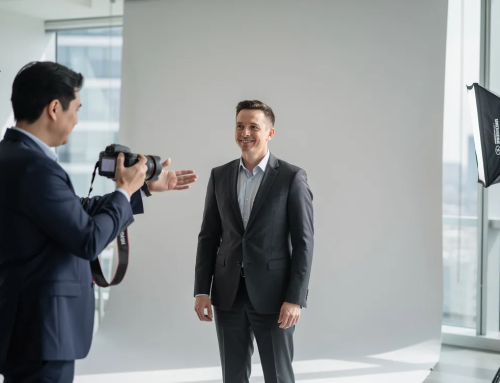
Most people do not step in front of a camera already relaxed. They are thinking about work, hair, glasses, posture, expression, and whether they will look awkward. A few extra minutes can change the tone of the session because it gives the photographer time to direct instead of simply fire frames.
Direction is what makes the difference
Good headshots are rarely about one perfect pose. They come from small adjustments: chin, shoulders, expression, weight, hands, jacket, glasses, and how much energy the image needs. Those details are difficult to handle well if the person feels processed instead of directed.
Efficiency still matters
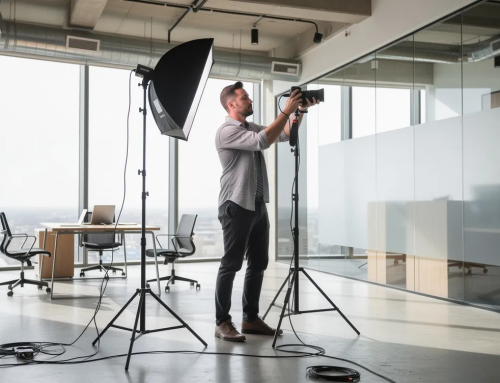
A human process does not mean a slow one. A well-planned team day can use a single background, prepared lighting, a clear schedule, and practical direction so people move through the setup confidently. The goal is enough time, not unlimited time.
When very short sessions work
Short sessions can work for badges, directory photos, or simple event portraits where consistency matters more than nuance. For executive portraits, public-facing bios, or teams with camera-shy people, more time usually produces better results.
Plan the next step
Tell Gareth what you need photographed, how many people are involved, and where the images will be used. He can recommend a structure that fits the project.