Every semester, thousands of students, faculty members, and staff across New York City need a polished, up-to-date headshot. Whether it is for a LinkedIn profile, a departmental website, or a graduate school application, the demand is constant. The problem is that most people never get around to booking one. Headshots by Gareth solves this by bringing a full professional studio setup directly to campus, running organized headshot days that serve entire departments, graduating classes, and career events in a single visit.
This guide covers everything NYC universities need to know about planning and participating in campus headshot days, from logistics and wardrobe tips to image delivery and how to get started.
Key Takeaways
- Headshots by Gareth organizes on-campus university headshot days in New York City for students, faculty, staff, and alumni, bringing a portable studio with professional lighting, backdrops, and a tethered camera directly to campus buildings.
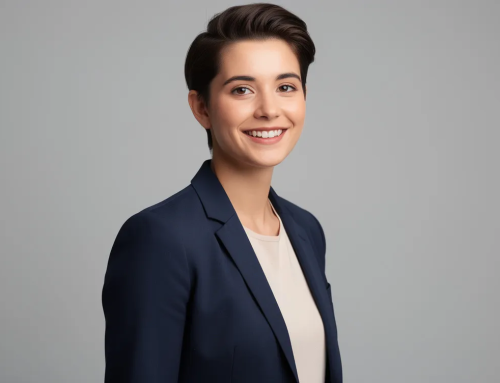
- These events focus on creating a polished professional headshot suitable for LinkedIn, Handshake, faculty directory pages, and graduate school applications, with live posing guidance and immediate image review.
- Campus headshot days can be tailored for specific departments, career fairs, orientation, and graduation season, with flexible scheduling that handles large groups efficiently.
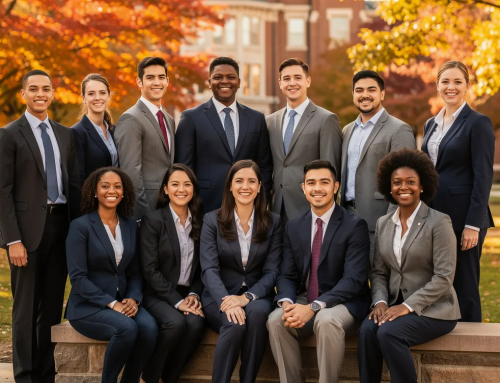
- Gareth uses consistent lighting, backgrounds, and framing to create cohesive professional headshots across an entire department or class year, ensuring institutional branding stays unified.
- The article provides practical tips on what to wear, how sessions run, how images are delivered, and how universities in NYC can book a headshot day by reaching out directly.
What Are University Headshot Days in NYC?
University headshot days are dedicated dates when Headshots by Gareth sets up a temporary portrait studio on a college or university campus in New York City. The goal is simple: give every person on campus access to a high-quality professional photo without requiring them to travel off site, research photographers, or spend hours coordinating their own session.
These events serve a broad range of campus users. Students preparing for their job search need a strong LinkedIn picture. Faculty need updated portraits for departmental pages and publications. Staff members need consistent directory photos. Alumni returning for networking events or reunions can walk in and get a fresh photograph that matches their current look. By bringing the service to campus, the barrier to getting a great image drops to nearly zero.
What sets a Headshots by Gareth campus day apart from a self-service iris air booth or a quick photo station is the human element. Gareth provides a live photographer experience with real-time direction on posing, expression coaching, and instant review of each shot on a tethered laptop. The subject gets feedback on posture, eye contact, and overall composition during the session itself, not after the fact. This approach ensures every person walks away with a portrait that feels intentional and polished.
Campuses across Manhattan, Brooklyn, Queens, and the Bronx regularly host career fairs, networking nights, and professional development events where headshots are in high demand. Whether it is a large research university, a specialized graduate program, or a community college with a strong career center, the format adapts. Headshots by Gareth handles the photography; the campus handles promotion and sign-ups.
Why Professional Headshots Matter for Students and Universities
A professional headshot is not a vanity project. It functions as a digital first impression – the very first thing a recruiter, admissions officer, or conference organizer sees before reading a single word on a profile. On platforms like LinkedIn and Handshake, where users scroll through dozens of candidates, a strong image creates an immediate sense of professionalism and credibility. According to data cited by the NYU Wasserman Center, profiles with a professional headshot are 14 times more likely to be viewed and 36 times more likely to receive messages. Separate research from Indiana Tech’s Career Center found that LinkedIn profiles with a photo receive roughly 21 times more profile views and 9 times more connection requests than those without.
These numbers translate into real-world scenarios that touch nearly everyone on campus. A junior searching for a summer internship in finance needs a professional image that signals competence before the interview even starts. A PhD candidate applying to graduate programs or submitting work to academic journals wants a portrait that reflects seriousness and expertise. Student leaders running campus organizations need headshots for promotional materials and websites. Faculty and staff benefit from consistent, high-quality portraits that create a unified look across departmental webpages and institutional marketing.
In a city like New York, where the job and internship market is hyper-competitive and candidates often have similarly strong credentials, a polished professional photo helps tip the scale. It is not about looking glamorous. It is about looking like a person who takes their career seriously. Engaging eye contact can create a professional impression that makes a viewer pause and read further, rather than scroll past.
Consistent headshots also elevate a university’s brand. When every faculty member on a department page has a portrait shot with the same lighting, background, and framing, the page looks cohesive and trustworthy. Prospective students, donors, and media contacts notice. New York City offers accessible options for professional headshots, and campus headshot days make those options available to everyone, not just those who can afford a private studio session.
Free campus resources for headshots may also be available at some universities. For example, Florida Atlantic University offers free professional headshots to its campus community. Many NYC institutions have begun recognizing the value of similar programs and are investing in bringing photographers like Gareth directly to campus.
How Headshots by Gareth Runs Campus Headshot Days
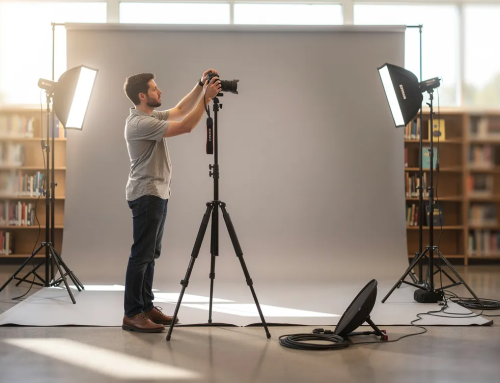
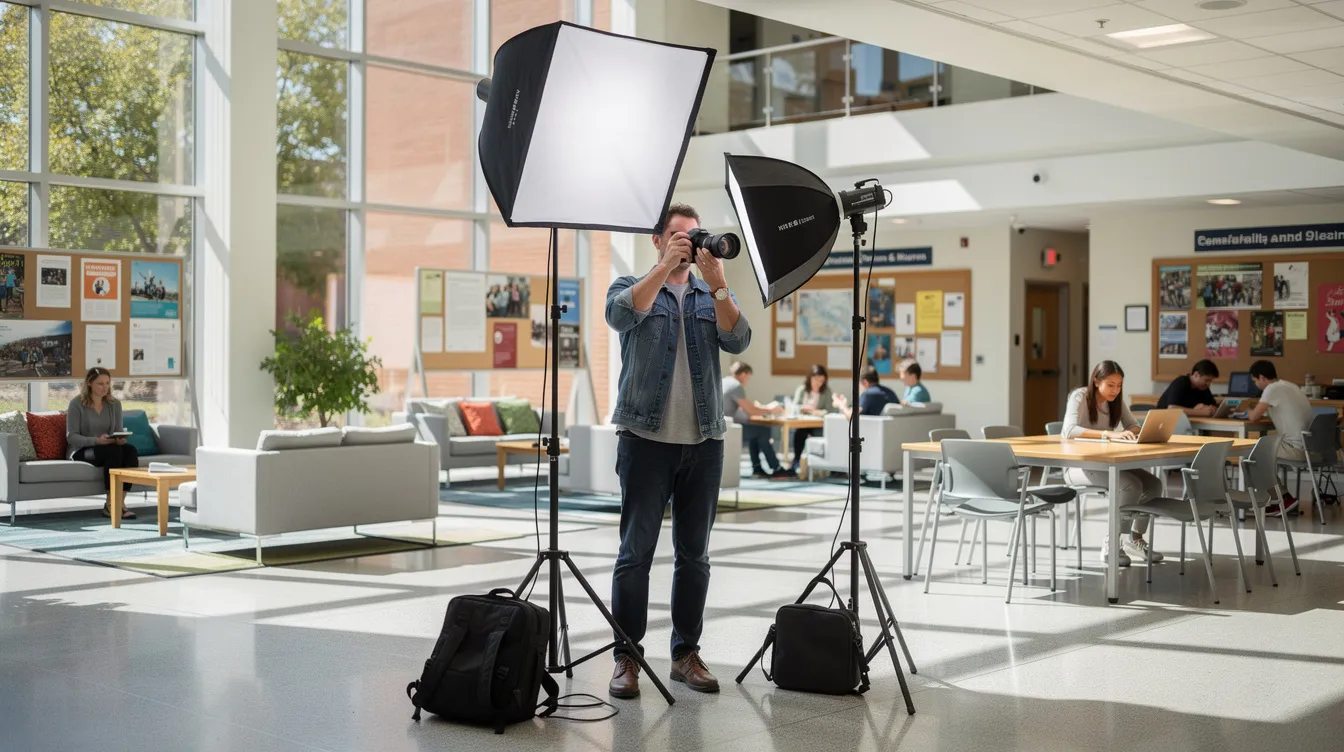
Gareth arrives well before the first appointment of the day, typically setting up in a room provided by the university – a career center conference room, a student union lounge, an academic department office, or even a library floor with enough space. The portable studio setup includes professional lighting (softboxes, fill lights, and sometimes a rim light for separation), a neutral background, a camera, and a tethered laptop so each person can see their images in real time. Natural light should be used for a flattering and even illumination when available, and Gareth often combines ambient window light with studio lighting to enhance the quality of every shot. Natural lighting enhances the quality of headshot photos, and a skilled photographer knows how to balance it with controlled studio light.
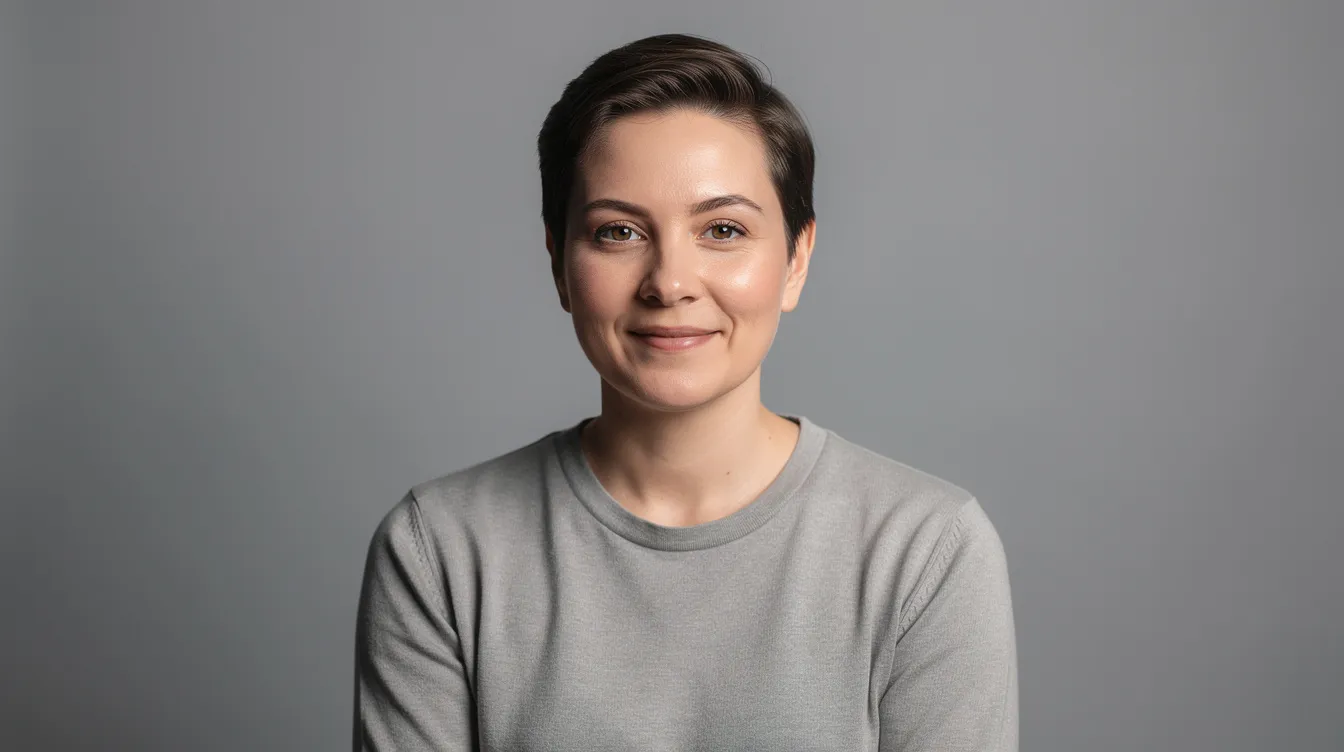
A typical session runs about five to ten minutes per person. That includes a brief check-in, posing guidance, a handful of frames, and a quick review on the laptop screen. Posture plays a crucial role in the effectiveness of headshot photos, so Gareth coaches each subject on how to sit or stand, where to place their shoulders, and how to hold their chin. Using neutral backgrounds helps keep the focus on the subject, which is why Gareth typically brings solid grey, white, or soft-toned backdrops rather than busy or branded options.
University partners can choose between scheduled time slots – managed through an online sign-up tool – or controlled walk-in lines, depending on event size and campus culture. Some campuses run a hybrid model: morning appointments for faculty and staff who have tight schedules, and open walk-in hours for students during peak foot traffic times. The key is matching the format to how people on that campus actually move through their day.
Consistency matters. When an entire department or graduating class sits for headshots on the same day, Gareth maintains the same lighting parameters, the same lens focal length, and the same framing from the first person to the last. This means that when the department uploads those photos to its website or a career page, the images look unified. The approach is deliberate: every portrait should feel like it belongs in the same visual family.
For very large events – orientation week, senior photo day, or a campus-wide career fair – throughput planning becomes critical. Well-organized group headshot sessions can handle roughly 25 people per hour without sacrificing quality. Gareth works with campus partners to build a schedule that balances speed and care, so no one feels rushed and no one waits longer than necessary.
Headshot Days for Different Campus Groups
Headshots by Gareth customizes the experience for each audience on campus, because the needs of a first-year undergraduate are different from those of a tenured professor.
Undergraduate students are often getting their first professional headshot. They may not have formal business clothing, they may feel self-conscious in front of a camera, and they may not yet understand why a polished image matters. Gareth provides clear direction, helps them relax, and delivers a portrait that works for LinkedIn, Handshake, internship applications, and campus organization profiles. Many universities also offer professional headshot sessions at career fairs, and Gareth can set up a “headshot corner” alongside employer booths so students walk away from the event with both connections and a strong new profile picture.
Graduate students and PhD candidates typically need a more formal, faculty-style portrait. Their images might appear in academic journals, conference programs, research group pages, and grant applications. The tone is usually more refined, and Gareth adjusts posing, expression, and background to match. These sessions often feel a bit more editorial, reflecting the seriousness of academic work.
Faculty and staff generally need portraits that align with institutional branding. A department may want every professor and administrator photographed with the same background color and framing so the directory page looks cohesive. Sessions for faculty are often scheduled around teaching hours, and Gareth is flexible on timing to accommodate those constraints. Staff in student-facing offices – career services, advising, student affairs – benefit from approachable, warm portraits that put visitors at ease.
Alumni visiting campus for reunions, networking events, or mentorship programs can also take advantage of headshot days. Alumni can access headshot services without a university email, which removes a common barrier. A quick session during a visit gives them an updated image that matches their current career stage.
Departmental headshot days are especially popular among business schools, engineering programs, arts departments, and public policy programs. Each has its own visual culture – a business school might lean formal, while an arts department might allow more expressive or creative posing. Gareth adapts the tone of images to match the group’s identity, ensuring the final set of photos feels authentic to that community.
What to Wear and How to Prepare for Your University Headshot
The right clothing can make a noticeable difference in how a headshot reads on screen. Here are practical wardrobe tips so students and staff feel confident when they sit in front of the camera.
A collared shirt looks professional for headshots and is one of the safest choices for any campus audience. A nice blouse is equally appropriate attire, especially when paired with clean lines and simple accessories. Dark colors like black, navy, or grey are recommended because they photograph cleanly and draw attention to the face rather than the clothing. Solid colors photograph better than patterns or logos in professional headshots – busy prints, stripes, or large graphics can distract from the subject. Structured clothing can help communicate professionalism, giving the shoulders and torso a defined shape on camera.
Optional items include a tie, jacket, or blazer. A blazer layered over a simple top adds visual weight and can make a casual outfit look polished in seconds. If you own a jacket in a mid-tone color like charcoal or navy, bring it along. Even if you are not sure whether to wear it, having the option lets you and Gareth make a quick decision on the day. Professional attire is key for high-quality headshots, but “professional” does not mean stiff or corporate for every audience. Gareth can help you find the right balance between formal and approachable.
What to avoid: neon colors, hoodies (unless part of a specific campus branding plan), wrinkled fabric, and anything with a large logo or slogan. Turtlenecks can visually shorten the neck line. Overly shiny or reflective jewelry and heavy makeup can cause issues under studio lighting, so keep accessories minimal and use a matte finish on skin if possible.
On the grooming side, style your hair the way you normally wear it – the goal is to look like yourself on a good day. If you wear glasses, clean the lenses beforehand to avoid glare. Facial hair should be trimmed and tidy. Light, natural makeup that evens skin tone works well for a professional photo; avoid heavy contouring or dramatic eye looks unless that is genuinely your everyday style.
For students who may not own business attire, many universities run career closet or clothing loan programs. If budget or access is limited, ask your career center about these resources before the headshot day. You do not need to buy a new wardrobe – a clean, well-fitting solid-colored top and a borrowed blazer can create a strong dress code for the session.

Scheduling, Locations, and Event Logistics for NYC Campuses
Universities should contact Headshots by Gareth as early as possible to secure a preferred date. The busiest months are generally September (fall recruiting season) and March through April (spring career fairs and graduation prep). A lead time of four to eight weeks is ideal, though longer is better during peak periods. Headshot services are available during summer and breaks as well, which can be a great option for smaller departments or staff teams that want to avoid the rush of the academic year.
Typical campus locations include career centers, student success offices, library floors, conference spaces, and departmental lounges. The setup footprint is roughly ten by ten feet, plus space for a short queue and a check-in table. The room needs power outlets and, ideally, some ability to control ambient light – curtained windows or adjustable blinds help. A location that is centrally located and easy to find reduces friction and increases turnout.
Collaboration with campus partners is essential. Career services, student affairs, or departmental administrators typically handle promotion, sign-ups, and reminder emails. Gareth can provide sample communications text and promotional photos that campus partners can use in newsletters, social posts, and building signage. The more visible the event, the higher the attendance.
For large events – orientation week, senior photo day, a campus-wide career fair – Gareth plans throughput carefully. Sessions are structured to move efficiently, with check-in staff managing the line so the photographer can focus entirely on each person in front of the camera. Hundreds of professional headshots can be created within a single day without sacrificing quality or consistency.
Exact pricing is discussed directly with each university and is not listed publicly. Packages are tailored based on estimated attendance, event length, number of retouched images per person, and any special requirements. The cost depends on the scope, and Gareth works with coordinators to find an approach that fits the campus budget. Universities with questions about pricing or logistics can reach out via email or the contact form on the Headshots by Gareth website.
How Images Are Delivered and Used After the Headshot Day
After the headshot day wraps, Gareth handles the post-production workflow so campus partners and participants do not have to wait long for their images. The process starts with selecting the strongest frames from each session, followed by basic color correction and retouching – blemishes, stray hairs, luminance balance – while keeping the look natural and true to each person.
Finished images are uploaded to a secure online gallery. Participants or campus coordinators receive private access links to view and download their photos. The platform typically uses security verification to ensure only authorized users can access the gallery. If someone encounters an issue during login, the page may display a respond ray id that can be shared with support for troubleshooting. This kind of security service is standard for protecting personal images online and ensures the gallery is not accessed by malicious bots or unauthorized visitors. Once the system verifies the user, verification successful, the images are available for download.
File formats are optimized for both web and print use. High-resolution versions work for departmental websites, printed marketing materials, and press needs. Web-optimized versions are sized for LinkedIn, Handshake, and personal websites. If the university has specific file naming conventions or resolution requirements, Gareth can coordinate with the communications or IT office to ensure everything matches campus standards.
Licensing is straightforward. Individuals typically receive rights to use their professional headshot on LinkedIn, personal websites, and career platforms. Universities may use the images on official webpages, directories, printed publications, and social media channels. Gareth clarifies usage rights with the campus contact during the planning stage so there are no surprises. Participants also have the opportunity to review and approve their images before they are displayed anywhere publicly.
Comparing Live Photographer Headshot Days to Self-Service Booths
Some campuses consider offering a self-service option like an iris booth alongside – or instead of – a live photographer event. Both have a place, and understanding the differences helps administrators make the right choice for their community.
An iris booth is a self-service headshot option where a person steps in, follows on-screen prompts, and receives a basic portrait emailed to them. Binghamton University’s Fleishman Center, for example, offers an Iris Photobooth in their Union Lobby – no appointment is needed for the headshot service, and students receive three free headshots per session. These booths can also provide a free professional headshot to anyone who walks up, which is a genuine benefit for institutions working with tight budgets.
The trade-off is control and quality. A booth uses fixed lighting, a single background, and no live feedback. There is no one adjusting the angle of the light to match different skin tones, no one coaching a nervous first-year through their first time in front of a professional camera, and no one catching a crooked collar or an awkward tilt before the shutter clicks. The result is a serviceable image, but not one that has been shaped by a photographer’s eye.
When Gareth runs a campus headshot day, every session includes live posing guidance, posture correction, and expression coaching. He checks framing, adjusts lighting on the spot, and can adapt to different skin tones and face shapes in real time. For departments that need a cohesive set of images across their entire staff – where every photo on the page should match in background, exposure, and tone – a live photographer is the only way to guarantee that consistency.
The human element also matters for accessibility and inclusion. International students who may be unfamiliar with U.S. hiring norms benefit from a photographer who can explain what recruiters expect to see. Students with accessibility needs can be accommodated with flexible posing. Nervous first-years who have never had a professional photograph taken before respond well to a calm, directing voice rather than an automated screen performing security verification prompts.
University headshot days with Headshots by Gareth are a higher-touch, relationship-based approach that complements broader career development programming. Booths serve a useful role as an always-available baseline, but when the goal is to create a lasting impression – for a department, a graduating class, or an individual preparing for the most competitive job market in the country – live photography delivers a different result.

How Universities in NYC Can Book a Headshot Day with Gareth
If you are a university staff member, faculty coordinator, or student leader interested in organizing a professional headshot event on your campus, the process is straightforward.
Start by reaching out through the Headshots by Gareth website contact form or by sending an email directly. Share your preferred dates, estimated attendance, and the campus location you have in mind. If you have questions about what to expect or how to structure the day, Gareth is happy to walk you through it.
Based on your projected turnout and available space, Gareth will recommend a schedule structure – half-day versus full day, appointment-based versus drop-in, or a hybrid of both. For events tied to a Monday through Friday academic calendar, midweek dates often see the strongest turnout, but flexibility is built into the planning.
Headshots by Gareth can also provide sample promotional materials – email copy, social media graphics, and flyer text – that campus partners can use to drive attendance. The more your campus community knows about the event, the more people show up and the more value the day delivers.
Plan your headshot day around key academic milestones. The start of fall recruiting season, spring career fair week, orientation for incoming students, and the weeks leading up to commencement are all high-impact windows. The best dates fill up fast, so starting the conversation early gives you the widest range of options.
If you are ready to bring university headshots to your NYC campus, visit the Headshots by Gareth website or send an email to begin planning. A single well-organized day can give hundreds of people on your campus a professional image they will use for years.
FAQ
How long does a typical university headshot session take?
Most individual sessions during a campus headshot day take around five to ten minutes per person. That includes brief posing guidance, a handful of frames, and a quick review of the images on the tethered laptop. The process is designed to be efficient so that even on a busy day, no one feels rushed.
Do I need to make an appointment, or can I just walk in?
The format depends on the university’s preference. Some campuses use an online sign-up system with specific time slots, while others run a managed walk-in line. In some cases, a hybrid of both is used. Check with your career center or the event organizer for instructions specific to your campus.
Can departments request a specific background or style?
Yes. Headshots by Gareth can bring several backdrop options – neutral grey, white, or a soft color – and will discuss style preferences with departments in advance. If your department already has faculty page photos with a particular look, Gareth can match that style so new portraits fit seamlessly alongside existing ones.
Are group photos included in university headshot days?
The primary focus is on individual professional headshots. However, short time blocks can sometimes be reserved for small group or team photos if discussed during the planning stage. If your department or student organization wants a group shot in addition to individual portraits, mention it when you first make contact.
Can international students use these photos for visas or official documents?
The images from a campus headshot day are designed as professional headshots for networking and career platforms like LinkedIn and Handshake, not as official passport or visa photos. Passport and visa photos have strict technical specifications (background color, dimensions, expression requirements) that differ from a portrait session. Students who need document-specific photos should use a dedicated passport photo service to protect against application delays or rejections.