Key Takeaways
- Professional headshots are crucial for business branding, and for NYC nonprofits specifically, they drive donor confidence, grant credibility, and public trust in ways that stock photos simply cannot replicate.
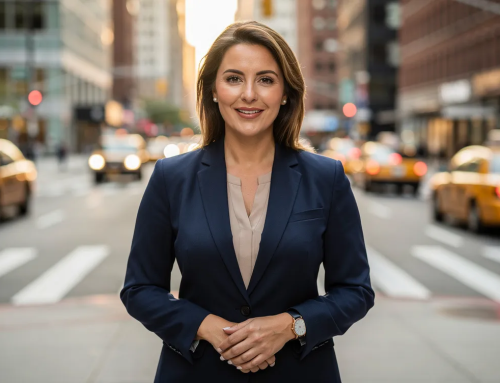
- Strong nonprofit portraits balance warmth and approachability with subtle professionalism, visually reflecting your mission and the community you serve rather than projecting generic corporate polish.
- Planning one or two concentrated portrait days per year, clustered by borough, is the most cost-effective and least disruptive approach for teams spread across New York City.
- Budget-friendly photography options exist for nonprofit organizations, including team rate packages, volunteer photographers, and nonprofit discount programs offered by studios like Marc Goldberg Photography.
- Refreshing headshots every two to three years for most staff, and every twelve to eighteen months for public-facing leaders, keeps your visual identity current in a city that moves fast.
Why Nonprofit Headshots in NYC Deserve Their Own Playbook
New York City is home to thousands of nonprofits competing for the same foundation grants, the same media attention, and the same pool of engaged donors. Before a funder reads your proposal or a volunteer fills out an application, they almost always visit your website. What they see there, especially the faces of the people doing the work, shapes their first impression of your organization’s credibility and professionalism. Organizations seek professional headshots for branding and documentation needs precisely because those images carry weight in board presentations, press kits, annual reports, and social campaigns.
Professional staff portraits enhance a nonprofit’s image in a way that a cropped smartphone photo or a dated group shot from a 2019 gala never will. Clients and partners perceive attention to detail through professional staff portraits, and that perception extends to how they evaluate your programs, your fiscal responsibility, and your leadership. This is especially true in nyc, where visual competition is fierce and expectations are high.
The goals behind nonprofit headshots differ meaningfully from corporate portraiture. While a Fortune 500 company might prioritize executive authority and brand-consistent gloss, a nonprofit needs to communicate trust, authenticity, and connection to the community it serves. A board chair should look credible and committed. A program director should feel approachable. The team page should reflect the diversity of the neighborhoods where you operate. And in a city where your staff might be spread across Manhattan, Brooklyn, Queens, the Bronx, and Westchester, the logistics of getting everyone photographed demand their own playbook.

What Makes a Strong Nonprofit Headshot? (Mission, Trust, and Community)
A nonprofit headshot is more than a LinkedIn profile picture. It is a visual shorthand for what your organization stands for, a small but powerful signal to funders, volunteers, beneficiaries, and press contacts about the kind of people behind your mission. When someone lands on your leadership page, the portraits should tell a story before anyone reads a single bio.
The key qualities to aim for are warmth, approachability, clarity of expression, and a sense of subtle professionalism that still feels human. Open expressions and natural smiles communicate far more than stiff, overly posed images. Lighting should be even and flattering across all skin tones, and a cohesive background and lighting style are vital for professional headshots that look intentional rather than piecemeal.
One of the most effective ways to communicate your mission visually is through environmental context. Education nonprofits might shoot in bright classrooms with bookshelves softly blurred in the background. Food security organizations could use a community kitchen or garden setting. Arts nonprofits often look compelling in gallery or studio spaces. Even subtle environmental elements, like a mural in Bushwick, a light-filled conference room in Midtown, or trees in a Bronx community garden, can anchor your organization in place while keeping the person as the focal point through shallow depth of field.
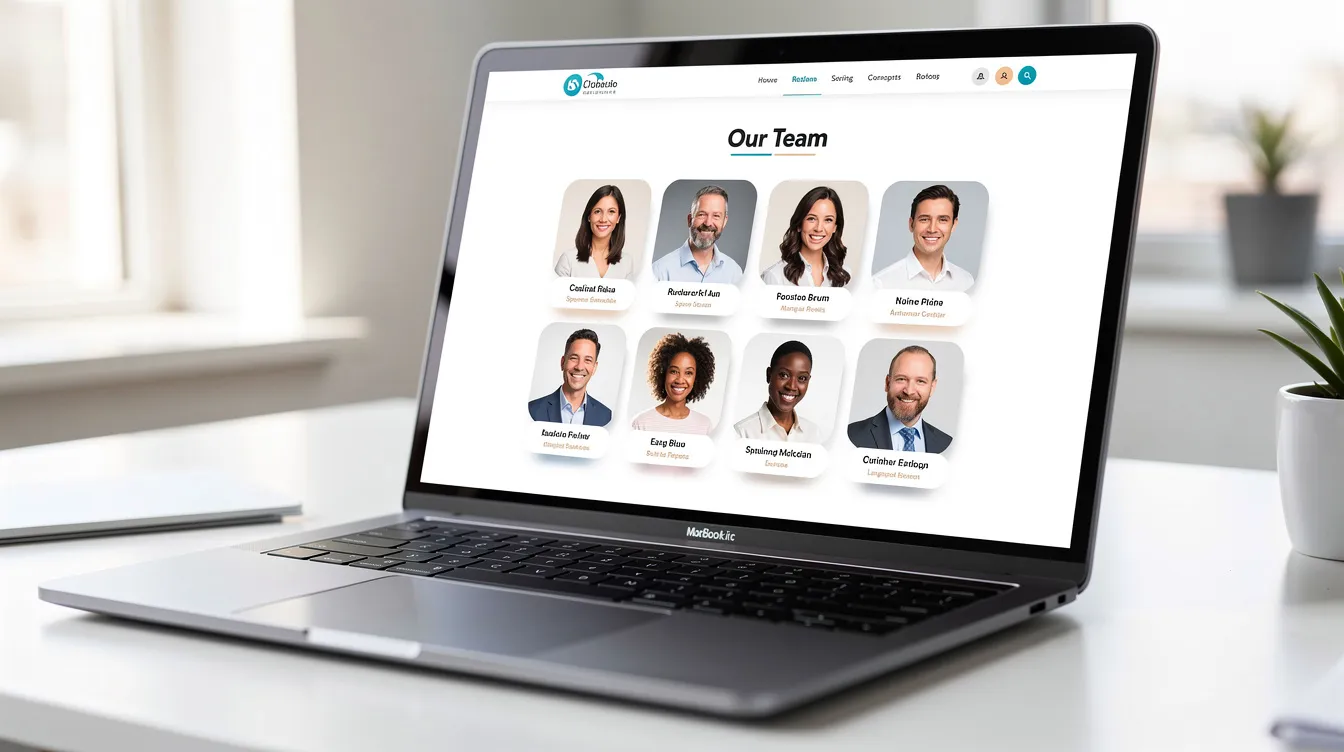
Consistency matters just as much as individual image quality. When your website shows headshots with mismatched color tones, different crops, and wildly varying backgrounds, the effect undermines the very professionalism you are trying to project. Uniform framing, matching color treatments, and consistent background styles across leadership, staff, and key volunteers create a unified visual identity that strengthens your annual report, website, and pitch materials.
Planning a Nonprofit Headshot Session in NYC
The difference between a smooth headshot session and a chaotic one usually comes down to planning. This section covers the specific steps that make portrait days in New York City efficient, inclusive, and productive.
Start by building a shot list. Prioritize leadership, board members who are public-facing, development and fundraising staff, program directors, and a handful of key volunteers who represent the organization externally. Each person may need multiple headshots for different contexts, so plan for at least one formal and one slightly more relaxed variation per individual.
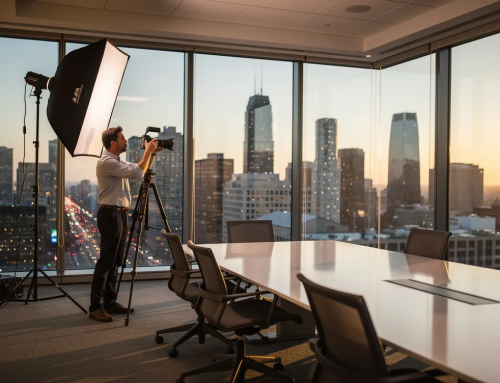
Next, decide between on-site office sessions and outdoor locations. On-location shoots can minimize workflow disruption for teams because people can step away from their desks for fifteen minutes and return immediately. If your office has a conference room with good natural light or a clean wall, that may be all you need. Outdoor options like Central Park, Prospect Park, or quiet plazas add character but require weather flexibility and sometimes permits.
Modern photography allows quick staff portrait sessions without disruption. A realistic schedule for eight to twelve people is a half-day session with ten to fifteen minutes per person, plus buffer time for lighting adjustments and wardrobe changes. High-volume on-site photography can accommodate large teams efficiently when the session is well-organized.
For organizations with staff across multiple boroughs, cluster sessions by geography. Run a Manhattan session near Union Square or Flatiron on one day, then schedule a separate session in Brooklyn or Queens to reduce travel time and no-shows. Appoint a single internal point person to manage sign-ups, send reminders, coordinate the day-of schedule, and handle any last-minute swaps so the photographer can focus entirely on directing and shooting.

Location Ideas for Nonprofit Headshots Across NYC
The right setting can subtly communicate what your nonprofit does without distracting from the person in the frame. Location choice also affects logistics, costs, and the overall feel of your final images.
Manhattan works well for foundations, advocacy organizations, and policy groups. Neutral, modern conference rooms near Midtown or the Financial District convey seriousness and professionalism. For outdoor options, quiet side streets, small plazas like the Elevated Acre near the Financial District, or Roosevelt Island’s Four Freedoms Park offer clean backdrops without heavy pedestrian traffic.
Brooklyn offers a different energy. The DUMBO waterfront gives you softened skyline views that feel distinctly New York without overwhelming the subject. Community centers in Bed-Stuy or Crown Heights are natural fits for organizations already operating in those neighborhoods, and calm corners of Prospect Park provide beautiful soft natural light for youth and community organizations.
Queens and the Bronx are often overlooked but offer strong options. Neighborhood libraries, cultural centers like those near Flushing Meadows, school campuses, and community gardens where the nonprofit already has relationships make permissions easier and add authentic local context. Wave Hill gardens in the Bronx are particularly photogenic for organizations with environmental or educational missions.
Choose indoor sessions when you need weather-proof consistency or are shooting during winter and peak summer heat. Outdoor sessions work best in spring and early fall when natural light is soft and temperatures are comfortable. Overcast days are actually ideal because clouds act as a giant diffuser, eliminating harsh shadows. Always have a rain or extreme-heat backup plan, such as a partner organization’s meeting room or multipurpose space already reserved.
Styling, Wardrobe, and Accessibility for Diverse Nonprofit Teams
New York nonprofits typically have highly diverse teams in age, culture, and role. Wardrobe guidance should be inclusive, respectful, and specific enough to be useful without being prescriptive.
Recommend solid colors and minimal busy patterns. Muted tones or colors aligned with the nonprofit’s brand palette photograph well and create visual harmony across a set of portraits. Business casual generally works for advocacy and policy teams. Program-facing staff and community organizers might choose more relaxed but tidy styles. Avoid logos unless they are part of the organization’s branding. Encourage each person to bring one formal and one casual option so the photographer can make a judgment call on the day.
Share a simple prep guide about a week before the shoot covering clothing suggestions, grooming basics, how to handle glasses glare, and an explicit note that head coverings, turbans, and religious or cultural attire are welcome and encouraged. This small step goes a long way toward making everyone feel comfortable and seen.
Accessibility deserves real attention. Choose step-free, barrier-free locations. Offer seated portraits or resting breaks for staff who fatigue easily. For neurodivergent team members who may be camera-shy, send sample photos in advance so they know what to expect, and let them bring a colleague as a photo buddy for moral support. Allow people to warm up at their own pace.
Optional quick makeup touch-ups, even just blotting shine or smoothing flyaways, help everyone feel confident without singling anyone out.
Using Your Nonprofit Headshots Strategically
The real value of great nonprofit headshots in nyc is unlocked when they are strategically deployed, not left sitting in a shared drive. A strong portrait becomes a tool that works across every channel your organization touches.
Core placements include staff and leadership pages on your website, board directories, annual impact reports, and pitch decks for institutional funders. These are often the first visual touchpoints for a grant reviewer or prospective board member, and professional portraits communicate competence and care.
For fundraising, use headshots in donor briefings, small event invitations, gala programs, and digital campaigns where supporters want to see the real people behind the mission. In communications and PR, consistent headshots strengthen press releases, speaking engagement bios, op-ed bylines, and media kits. When your executive director’s headshot matches across LinkedIn, your website, and a New York Times op-ed, it builds recognition and trust.
Staff portraits can create a sense of community among employees, especially for hybrid and remote teams spread across the city. Professional portraits can improve internal communication in nonprofits by putting faces to names in directories, onboarding materials, and internal newsletters. When a new program officer in the Bronx can see the faces of colleagues in the Manhattan office, the organization feels more connected.
Create a simple shared image library organized by person and role. Store both high-resolution files for print and web-optimized versions for faster loading on websites and social channels. Tag each file with the shoot date so you know exactly when images were last updated.
Budgeting and Scheduling for Mission-First Organizations
NYC nonprofits run on tight budgets, and every dollar has to justify itself against mission impact. The good news is that thoughtful planning can make professional headshots surprisingly affordable.
Planning one or two concentrated portrait days per year is more cost-effective than scheduling ad hoc individual sessions. Team packages bring the per-person cost down significantly. For reference, some NYC studios offer packages where larger groups of twenty to thirty-five people bring per-person costs well below one hundred dollars, compared to individual sessions that can range from two hundred fifty to seven hundred fifty dollars per person depending on deliverables and session length.
Combine headshots with other visual content, such as quick program photos, environmental shots, or small group images, to maximize value from a single half-day or full-day shoot. Schedule sessions around existing gatherings like board meetings, all-staff retreats, or volunteer orientations so more people can be photographed without extra travel or lost work time.
Nonprofits can secure discounted photography services through schools or volunteers, and it is worth asking any photographer you approach whether they offer nonprofit-friendly rates. Marc Goldberg Photography provides reduced rates for nonprofits, and volunteer photographers can provide services for nonprofits at reduced rates as well. Organizations like NYC Salt, which started in 2008 as a 501c3 nonprofit, empower youth through photography and community engagement while promoting equitable access to arts education. NYC Salt offers opportunities for youth to showcase their work, and connecting with programs like these can be an opportunity to support emerging talent while meeting your own visual needs.
Align your shoot with grant cycles, annual appeals, or website refresh timelines so the investment serves multiple purposes at once.
Practical Ideas to Get Camera-Shy Staff Comfortable
Many nonprofit staff pour their love into programs, not self-promotion, and the idea of sitting for a portrait can feel uncomfortable. A few simple strategies make a significant difference.
Send a clear, reassuring pre-shoot email about a week before the session. Explain what the experience will be like, approximately how long each person will spend in front of the camera, and that retakes are always possible. Remove the mystery and you remove most of the anxiety.
During the session, let each person see a couple of test shots on the camera or laptop screen. This gives them a sense of control over their posture and expression and often leads to visible relaxation in subsequent frames. Light conversation about their work and impact draws out natural expressions far more effectively than asking someone to hold a smile.
For individuals who are particularly nervous, offer the option to start with a group photo alongside colleagues. Standing next to familiar faces acts as a warm-up that makes the transition to an individual portrait feel less intimidating. The photographer’s job is to create an environment where people forget they are being photographed, and that starts with genuine human connection.

How Often Should NYC Nonprofits Refresh Their Headshots?
In a city that moves as fast as New York, visual materials date quickly. A headshot from four years ago may not reflect who your team is today, and outdated images on a leadership page quietly undermine the vision of relevance and vitality you want to project to the world.
For most staff, a refresh cycle of every two to three years keeps images current without creating unnecessary expense. Highly visible executives, board chairs, and public spokespeople should update more frequently, roughly every twelve to eighteen months, especially if they appear in press, at conferences, or in fundraising materials.
Trigger immediate updates when there are major leadership changes, organizational rebrands, or significant visual identity shifts like a new logo or color palette. New hires in key roles should be photographed promptly. A leadership page with a “photo coming soon” placeholder is worse than no photo at all because it signals disorganization.
Keep a simple internal log tracking when each person was last photographed. A basic spreadsheet with name, role, shoot date, and next scheduled refresh makes future planning far easier and ensures no one falls through the cracks.
FAQ: Nonprofit Headshots in NYC
How far in advance should we book a nonprofit headshot session in NYC?
Most NYC photographers book four to six weeks out for weekday sessions. During busy seasons like late spring and early fall, when natural light and weather are ideal, aim for six to eight weeks of lead time. If you are planning your session around a board meeting, retreat, or major campaign launch, secure the date as soon as that event lands on the calendar. Rush bookings are possible but typically come with premium fees.
Can we photograph staff and volunteers in partner schools, shelters, or community centers?
Yes, but always obtain written permission from the host organization first. Check whether any on-site clients, students, or residents might appear in the background, and prepare simple photo release forms if any non-staff individuals could be recognizable. For minors, a parent or guardian signature is required. Being proactive about consent protects both your nonprofit and the people you serve.
What if our team is spread across multiple boroughs and can’t all gather on one day?
Create two or three regional portrait days using similar lighting setups, framing, and backgrounds to maintain visual consistency. For example, schedule one session in Manhattan, one in Brooklyn or Queens, and a third in Westchester if needed. Designate backup dates to catch anyone who misses their first slot, and keep the same tools and techniques across sessions so the final images feel like they belong to one cohesive set.
How many final images should we expect per person from a headshot session?
Nonprofits typically select one to three final, fully retouched headshots per person: one primary image for official use and a couple of variations for different contexts such as social media, email signatures, or printed materials. Additional unretouched proofs can be archived for future needs.
Do we need different versions of headshots for print and social media?
One well-composed, high-resolution portrait can be exported in multiple sizes and crops suitable for web, print, and social platforms. Request both full-resolution files for reports and printed collateral, and web-optimized versions for faster loading on websites and social channels. Ask your photographer for multiple aspect ratios, including square, vertical, and horizontal crops, so your communications team has the flexibility to use images across every context without re-editing.