Key Takeaways
In New York City’s competitive healthcare landscape, a professional headshot is often the very first interaction a patient has with a doctor, nurse, or advanced practice provider. Before reading a single review or checking board certifications, prospective patients form an impression based on the photo they see on a hospital directory, Zocdoc listing, or clinic website. This guide covers everything medical professionals and healthcare teams need to know about doctor headshots NYC, from what the images should look like and how to prepare, to coordinating large team sessions and understanding pricing for medical headshots.
- Patients are more likely to book with healthcare providers who display professional medical headshots on their profiles, with research showing providers with photos are viewed twice as often as those without.
- A consistent, professional image is the first step to building patient trust and confidence across provider directories, clinic websites, and telehealth platforms.
- This article is tailored specifically to headshots nyc for doctors, not generic corporate portraits, addressing the unique attire, compliance, and scheduling realities of medical professionals.
- Later sections include practical prep tips, guidance on coordinating shoots for doctors and medical teams, and an FAQ covering common questions about timing, updates, and NYC-specific logistics.
Why Professional Headshots Matter for Doctors and Medical Teams in NYC
NYC patients and referring physicians increasingly rely on online profiles when choosing a healthcare provider. Platforms like Zocdoc, Healthgrades, hospital find-a-doctor tools, and insurance directories serve as the modern front door to any medical practice. According to Zocdoc’s patient engagement data, providers with a photo see approximately 2.8 times more appointment bookings than those without one. Separately, 52% of patients say they prefer providers with professional photos, and 74% of patients prefer providers who display both photos and bios on their profiles.
The concept of professional image the first touchpoint is simple: before credentials or reviews register, viewers react to the headshot in under a second. A well-executed image signals warmth, competence, and approachability for physicians, NPs, PAs, nurses, therapists, and healthcare administrators alike. In a city where patients can compare dozens of providers for the same specialty within a few clicks, polished healthcare headshots nyc sessions become a genuine differentiator. Healthcare headshots require a specialized approach for doctors that generic corporate photography simply doesn’t address.

Hospital Systems and Large Medical Teams
Large NYC hospital systems and academic medical centers oversee hundreds of healthcare providers across multiple campuses in Manhattan, Brooklyn, Queens, the Bronx, and Staten Island. Keeping consistent headshots across Healthgrades, Doximity, hospital websites, ID badges, and telehealth platforms reinforces institutional trust. When providers with photos are viewed twice as often as those without, an outdated or missing photo directly affects patient engagement at scale.
The logistical challenge is real. Shift work, OR schedules, call coverage, and multi-site departments make traditional photo days extraordinarily difficult to coordinate. With the hospital turnover rate reaching 18.3% in 2024, a single health system may need as many as 90 new provider headshots annually just to keep pace with staff changes. Planned, standardized doctor headshots NYC sessions can bring cohesion to scattered, outdated, or missing provider photos in directories. Group planning should also include medical team group photos for service lines, leadership teams, and residency classes, which hospitals across new york regularly use in recruitment and annual reports.
Private Practices, Medical Groups, and Specialty Clinics
Independent and PE-backed medical groups in NYC, from cardiology practices and dermatology clinics to multi-specialty organizations with five to two hundred providers, depend heavily on their “Meet the Team” pages and Google Business Profiles. Professional doctor headshots on these pages help convert visitors into new-patient bookings. When a visitor lands on a practice website and sees a cohesive, warm collection of provider photos, the practice or healthcare organization feels established and trustworthy.
Visual branding consistency becomes especially important when merging clinics, opening satellite locations, or onboarding new associates. Cohesive headshots nyc sessions strengthen the practice brand across practice websites, patient portals, and printed marketing materials. Planning periodic update days prevents the awkward scenario where a new hire appears with a phone selfie next to professionally photographed partners.
Residency Programs, Fellowships, and GME Offices
NYC residency and fellowship programs in internal medicine, surgery, pediatrics, and beyond must manage annual AAMC ERAS photo requirements. Applications typically lock in by mid-September for the residency cycle, with new trainees starting each July. ERAS mandates specific dimensions (2.5 × 3.5 inches), 150 dpi resolution, plain white or off-white backgrounds, and business formal attire, not scrubs or casual clothing.
Group headshot sessions for PGY-1s, PGY-2s, and fellows give program pages a cohesive, professional look that supports recruitment. GME offices benefit from a streamlined process for medical headshots that works year after year for new cohorts. Consistent GME headshots also serve hospital ID badges, internal directories, and academic presentations, avoiding the visual chaos that comes from each trainee submitting a different style of photo.
Individual Physicians and Advanced Practice Providers
Individual doctors, NPs, PAs, and nurses who need an updated headshot for a new job, promotion, or credentialing packet face a simpler but equally important decision. A polished, current photo influences who patients choose on Zocdoc, hospital find-a-doctor tools, and insurance directories. Consistency across LinkedIn, Doximity, personal websites, and speaking-engagement materials helps boost your professional brand as a recognizable, trustworthy provider.
Individual doctor headshots NYC sessions often allow more time for outfit changes, background options, and tailored posing guidance than team shoots. Providers should aim to update their headshots every twelve to twenty-four months, or sooner after significant appearance changes, to keep profiles accurate and trustworthy.
What Professional Medical Headshots Should Look Like
Effective doctor headshots communicate role clarity, professionalism, and approachability at a glance. Professional headshots should convey approachability and clinical authority simultaneously, which requires deliberate choices about attire, expression, framing, and background for each role within medical teams. A clean background is ideal for conveying professionalism in doctor headshots, and photos should be optimized for multiple crops-square, vertical, and wide-to suit provider directories, badges, and marketing layouts. The strategic advantage of professional healthcare photography over DIY images lies in controlled studio lighting, guided posing, natural expression direction, and consistent styling across every provider.
Physicians and Surgeons
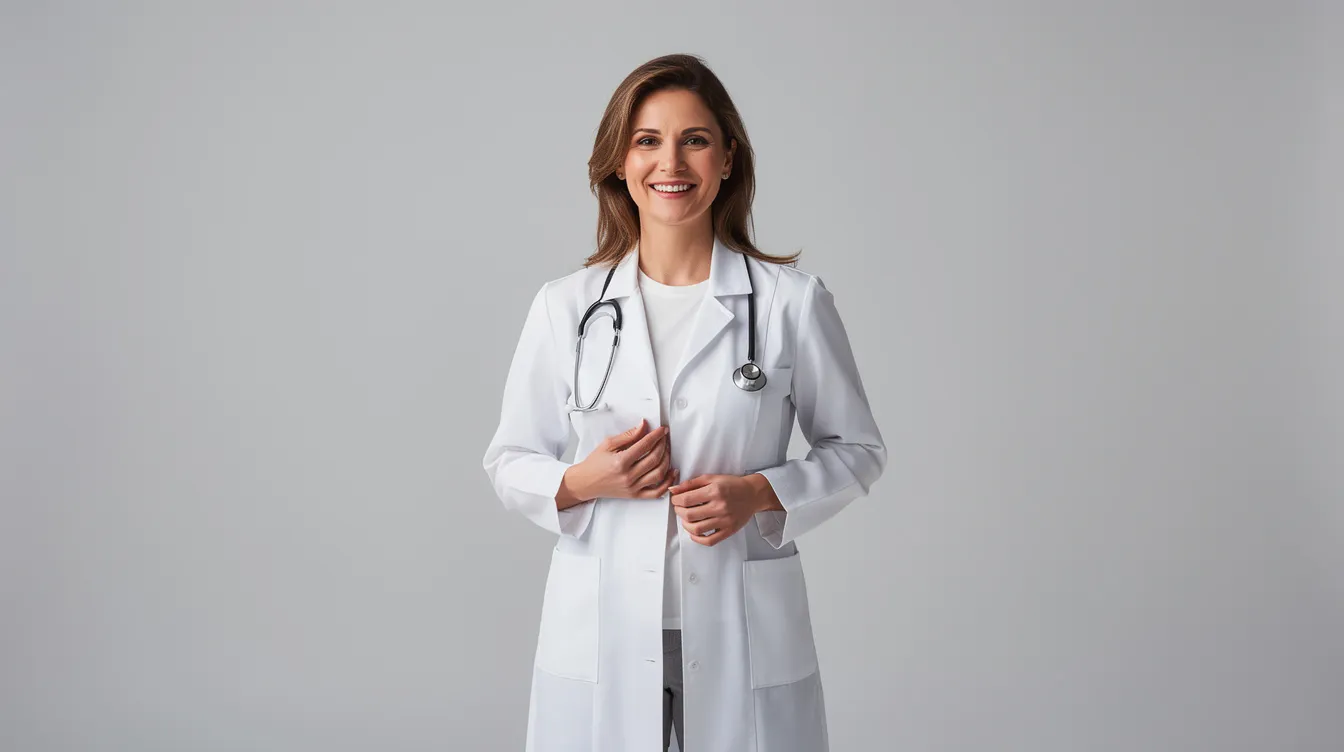
Attendings and specialists in NYC typically appear in white coats over business attire for clinic websites hospital profiles and provider directories. A white coat communicates “physician” instantly to patients, anchoring the image with immediate role clarity. Preferred clothing includes solid shirts or blouses, simple ties if desired, and restrained patterns. Physicians should wear a white lab coat over business attire for most clinical-facing profiles.
Head-and-shoulders framing against a neutral background works best. White or light gray is the industry default background, while navy or dark blue backgrounds add authority to physician headshots. A slight, genuine smile conveys warmth without undermining authority, especially for patient-facing profiles on provider directories clinic websites linkedin and similar platforms.
Nurses, PAs, NPs, and Clinical Staff
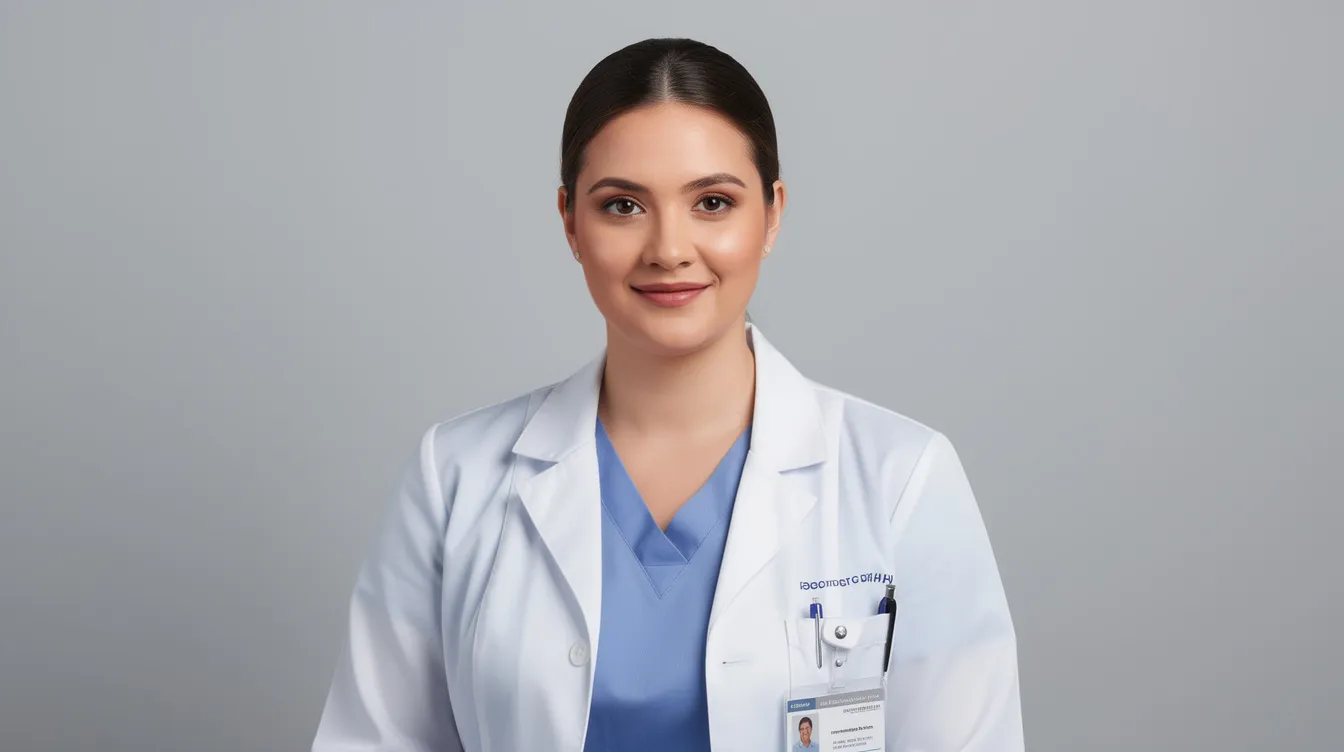
Patients often interact first with nurses and advanced practice providers, so their headshots matter just as much as physician portraits. Nurses should wear clean, pressed scrubs in solid colors that match the institution’s standards where possible. Avoid busy prints and cartoon patterns, which can look muddled at small website crop sizes and undermine the polished feel of a healthcare organization’s pages.
A relaxed, friendly expression and a slightly brighter background project accessibility and care for professionals and healthcare teams whose roles center on direct patient contact. Consistent styling across nursing staff helps unify the department’s appearance on team pages and patient education materials.
Healthcare Administrators and Leadership
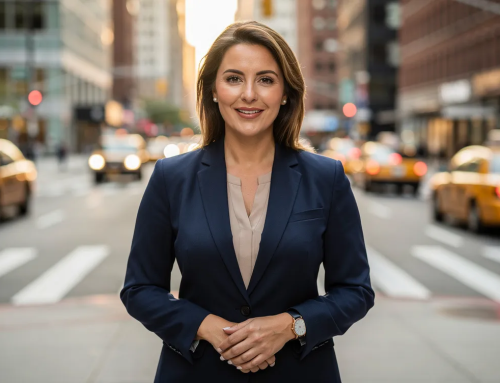
Hospital executives, practice managers, and department chairs need portraits that blend medical context with corporate polish. Administrative staff should opt for business professional attire with a blazer over a solid blouse or dress shirt, avoiding clinical props like stethoscopes. Background options that balance authority and warmth, such as deeper gray or navy tones, or subtle environmental conference-space settings, work well.
Slightly warmer expressions than traditional corporate headshots align with mission-driven healthcare communication. These portraits frequently appear in annual reports, philanthropy materials, websites hospital profiles conference materials company pages, and media features, so they should be versatile and timeless.
General Technical and Style Standards
Technical professional quality is non-negotiable: sharp focus, proper exposure, and accurate color. Ideal composition places eyes in the upper third of the frame with a head-and-shoulders or mid-chest crop and breathing room above the head for flexible cropping. Neutral, solid backgrounds are safest for multi-platform consistency. A solid background ensures clarity across all digital platforms. Beyond white and gray, teal or blue gradient backgrounds offer a modern and distinctive option for practices wanting to stand out, and custom branded backgrounds can be created for health systems seeking a signature look.
Retouching should minimize shadows without over-editing in headshots-softening under-eye circles and small blemishes while preserving the provider’s true appearance. Lighting must be tailored to suit skin tones for professional headshots, ensuring every provider looks their best regardless of complexion. These standards connect directly to trust: real, accurate photos help patients recognize providers in person and feel more comfortable.
Coordinating Doctor Headshots for Entire Medical Teams
The coordination problem for NYC healthcare providers is acute: 24/7 schedules, cross-borough travel, and limited downtime make team headshots hard to organize. Healthcare photography logistics are complex due to provider schedules that shift daily. A streamlined process for medical headshots is crucial for HR, marketing, and practice managers who manage onboarding, rebrands, and annual updates. The goal is to include all roles-physicians, nurses, PAs, front-desk staff, billers, and administrators-so the brand stays consistent. Well-planned team sessions also create time for medical team group photos by department, service line, or leadership team.
Planning and Scheduling Around Clinical Workflows
Scheduling headshots for 24/7 healthcare staff is challenging, so mapping shoot days against clinic schedules, OR blocks, and call coverage is essential. Designate a single internal coordinator, often in marketing or HR, to manage sign-ups, reminders, and shot lists. Clustering time slots by department or floor reduces disruption. Build in backup slots for providers called into urgent cases or delayed with patients. Multi-day or recurring sessions may be needed for very large hospitals and multi-location medical groups.
On-Location Setup in NYC Medical Spaces
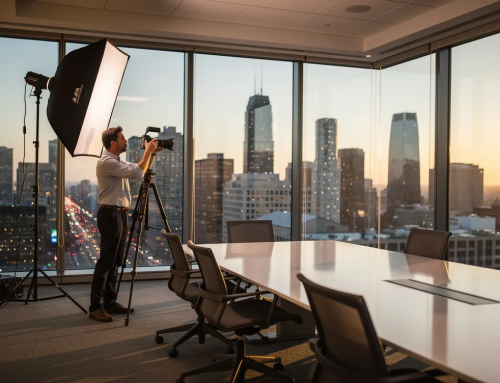
Bringing a compact studio setup to hospitals, urgent care centers, and clinics across Manhattan and the outer boroughs eliminates the need for providers to travel to a separate studio. Flexibility in shooting location increases accessibility for busy professionals who cannot leave the building during a shift. On-location shooting ensures consistency for group headshots in medical settings, as a standardized background and lighting rig means every provider, regardless of day or time slot, ends up with matching, cohesive headshots.
A typical on-location setup includes background stands, softboxes, professional cameras, and tethered review screens, placed in a conference room, education center, or large break room near clinical areas. Custom branded backgrounds can be created for health systems seeking visual uniformity. New York facilities may have security or infection-control protocols, and shoots should respect those policies and avoid capturing patient information.
Capturing Medical Team Group Photos
Group portraits of department teams, residency classes, and executive leadership matter for hospital websites, annual reports, and recruitment materials. Plan group shots immediately before or after individual headshots while everyone is present and camera-ready. Arrange people by role and seniority while keeping the image friendly and approachable. Backgrounds should match or complement the individual headshot style for visual continuity across websites linkedin profiles hospital pages and internal communications.
Group photos can be reused in recruitment materials, newsletters, and social media posts highlighting the medical teams.
Managing Files, Naming, and Long-Term Updates
Organized file delivery matters. Standardized naming conventions (Last-Name_First-Name_Specialty.jpg) help HR and marketing teams find what they need instantly. Deliver both high-resolution files for print and web-optimized versions for directories and telehealth platforms. Hospitals and practices should maintain a central image library for quick access during promotions, press requests, and staff changes.
Setting a recurring schedule, quarterly or biannual, for new-hire headshots ensures profiles never sit blank or with mismatched images. Consistent processes reduce admin workload and keep consistent images across provider directories clinic websites and internal systems current even as medical teams evolve.
How to Prepare for a Doctor Headshot Session in NYC
Good preparation makes the difference between a headshot that sits in a drawer and one that works hard across every platform. Whether you have thirty minutes between clinic and evening rounds or a full morning blocked off, arriving with the right wardrobe, grooming, and mindset leads to stronger results. Below is a practical guide for doctors physicians medical professionals and healthcare teams headed into a session.
Choosing the Right Wardrobe for Medical Headshots
Dress the way your ideal patient or colleague expects to see you. For physicians, bring two to three outfit options: business attire with and without a white coat. For nurses, an extra set of pristine scrubs as backup prevents last-minute wardrobe problems. Solid colors photograph better than busy patterns in headshots; muted tones avoid clashing with clinical backgrounds.
Steam or press clothing the night before and check for lint, loose threads, or worn logos that might show on camera. If you prefer your own fitted white coat over a generic loaner, bring it along. For administrative staff, structured blazers and quality fabrics in solid, neutral colors photograph best.
Grooming, Hair, and Accessories
Keep grooming close to your everyday appearance so patients and colleagues can easily recognize you in person. Simple, neat hairstyles and light, photo-friendly makeup that evens skin tone without looking heavy produce the best results. Moderate shiny skincare products and use powder if needed to avoid reflections from multiple backgrounds lighting styles professional makeup artist setups.
Minimal jewelry and accessories keep the focus on the face and expression. Glasses are usually fine; just clean lenses thoroughly and consider frames that don’t cast heavy shadows.
Posing, Expression, and Body Language
Most doctors physicians medical professionals are not models, and that is perfectly fine. The best photographers help clients feel comfortable in front of the lens through clear coaching. Start with a relaxed stance: body turned slightly at a 30–45 degree angle, shoulders down, chin gently forward and slightly down. Medical professionals should appear calm and trustworthy in headshots, so natural and authentic expressions are preferred over stiff ones.
Expression coaching is essential for conveying warmth in headshots. A few takes with varied expressions help find the best look. Practice in a mirror beforehand to identify your natural smile. Tiny posture adjustments, like lengthening the spine and relaxing the jaw, dramatically improve how comfortable and credible the portrait feels warm calm and confident.
What to Bring and How to Use Session Time Well
Bring multiple outfit options, a lint roller, comb or brush, and any essential props like your personal white coat or stethoscope if it suits your specialty. Arrive a few minutes early to settle, review inspiration images, and discuss goals with the photographer. Communicate primary use cases-hospital directory, speaking bio, bios linkedin profiles clinic websites-so posing and crops can be adjusted accordingly.
Review images during or immediately after the session to flag favorites while expression and posture are fresh. Clear feedback to the photographer about preferred angles typically leads to stronger final selections.
Understanding Pricing for Medical Headshots in NYC
Pricing for medical headshots in New York City varies based on session length, location, number of people, and retouching needs. Healthcare headshots cost anywhere from $25 to $1,500 depending on the approach and level of service. This section provides general guidance to help doctors and medical teams evaluate their options. When comparing quotes, think about total project needs: individual portraits, medical team group photos, usage rights, and long-term consistency. Quality and consistency matter more than finding the cheapest option, especially for large medical teams whose images will represent the healthcare organization for years.
Individual Doctor and Provider Sessions
Solo sessions for a doctor upgraded session or a doctor mini session typically include more time per person, multiple outfit changes, and detailed studio lighting guided posing natural expression direction. Traditional studio photography can exceed $500 per session, reflecting the photographer’s experience, studio overhead, and included services like consultation, proof galleries, and retouching. Photographers should specialize in medical or corporate portraits to deliver results that meet clinical-environment expectations.
Ask what’s included: number of final edited images, turnaround time, and licensing for professional use across provider bios linkedin profiles clinic websites hospital profiles and beyond. A strong, versatile headshot serves multiple platforms and speaking or media opportunities for years.
Team Sessions for Clinics, Groups, and Hospitals
Pricing for medical teams is commonly calculated by headcount, session duration, or a combination of base fee plus per-person cost. Remote team sessions can cost as low as $100 per person for larger groups, while coordination, travel, and retouching contribute to the total. Administrators should clarify scope: number of providers, inclusion of non-clinical staff, need for medical team group photos, and multi-day coverage across locations.
Ask about volume discounts and whether future hires can be added at similar per-person rates to keep brand consistency affordable over time. Some photographers offer different tiers for different roles within the same healthcare organization, with expanded editing or extra time for executive-level portraits.
Factors That Influence Pricing for Medical Headshots
Key variables include on-location versus studio sessions, number of backgrounds, presence of lighting styles professional makeup artist support, rush turnaround, and after-hours or weekend scheduling. Complex logistics-multiple campuses across NYC, strict OR or ICU access rules, or multi-day site visits-may increase the budget. Live virtual headshots can be completed in about 10 minutes and cost between $45 and $79 per person, while AI-generated headshots start at $29 per person, though these options trade some of the nuance and quality of in-person photography.
Portfolio reviews are critical for choosing a headshot photographer, and confirming licensing terms for professional use across websites, ads, print, and conference materials company pages is essential. Treat professional headshots as a long-term asset rather than a one-time expense, especially for established medical groups.
Maximizing the Advantage of Professional Healthcare Photography
Professional healthcare portraits are strategic assets for healthcare providers in NYC, not just nice-to-have portraits. Consistent, high-quality imagery supports patient trust and confidence, recruitment, marketing, and internal culture for medical teams. When visuals are unified, a hospital or practice feels organized, modern, and reliable across every digital touchpoint. The advantage of professional healthcare photography extends well beyond aesthetics.
Building Trust and Comfort with Patients
Patients in NYC often search multiple providers before booking and rely heavily on photos to decide who feels approachable. High-quality headshots increase patient trust and engagement; patients are three times more likely to recommend high-trust providers to friends and family. A warm, confident headshot reduces anxiety for new patients, making the first appointment feel less intimidating. For telehealth visits, the headshot is often the only image patients see before connecting on video, making it especially important.
Align photo style with the practice’s brand voice: calm and minimal for oncology, slightly more playful for pediatrics. Every portrait feels warm calm and human when done well, building patient trust and confidence before the first handshake.
Supporting Recruitment, Referrals, and Career Growth
Strong headshots help physicians and advanced practice providers present themselves professionally to recruiters, hospitals, and conference committees. For group practices, consistent team visuals communicate stability and investment in staff, which appeals to prospective hires. Clearly branded portraits on Doximity, linkedin profiles clinic websites and academic bios support referral networks and speaking invitations.
Medical leaders should treat headshots as part of their executive presence toolkit alongside CVs and publication lists. Having updated, easily accessible images simplifies press responses and media requests about medical experts across hospitals across new york.
Strengthening Brand Cohesion Across Platforms
Disjointed visuals-some providers with smartphone selfies, others with dated studio shots-undermine the perception of a unified medical team. Different photographers can create visual inconsistency across facilities, which is why standardized background, lighting, and cropping rules matter. Match production creates medical professional headshots that look like parts of the same visual system when a single photographer or team handles the entire organization.
Use the same core image across websites, insurance directories, internal systems, and marketing wherever possible. Periodically review all public-facing profiles-Google, Zocdoc, hospital sites, social media-to replace inconsistent or outdated provider photos with consistent headshots.
Frequently Asked Questions About Doctor Headshots NYC
These FAQs address common practical questions not fully covered in the main article, specifically for doctors physicians medical professionals and medical teams working in New York City.
How far in advance should I book doctor headshots in NYC?
Individual medical professionals can often book within a few weeks, but peak seasons fill up faster. Summer is busy for GME and residency cohorts, and early fall sees demand from academic profile updates and ERAS deadlines. Hospitals and large medical teams should plan four to eight weeks ahead to secure preferred dates and coordinate provider schedules. Short-notice sessions may be possible but can limit available time slots. Always confirm timelines for proofs and final delivery upfront, especially if images are needed for website launches or application deadlines.
How often should NYC doctors and providers update their headshots?
Many healthcare providers refresh their professional headshots every twelve to twenty-four months to stay current. Update sooner after major appearance changes such as hairstyle, facial hair, weight change, or a move to a new institution. Hospitals and practices with high turnover should schedule your headshot session on a recurring basis so new hires are photographed quickly. Outdated photos can feel misleading to patients and reduce trust when meeting a provider face-to-face.
Can I use one medical headshot across all my profiles and materials?
In most cases, yes. A single high-quality headshot can be resized for hospital directories, LinkedIn, Doximity, speaking bios, and printed programs. Using one consistent image reinforces recognition and prevents confusion for patients and colleagues across provider directories clinic websites linkedin profiles and internal systems. Keep a second, slightly different crop or expression on hand for specific uses like conference posters or media interviews. Confirm that licensing from the photographer allows the full range of professional uses you need.
What if I feel uncomfortable or “not photogenic” in front of the camera?
Many doctors and services for medical professionals acknowledge that feeling uneasy about photos is completely normal, especially after long clinical days. Professional photographers experienced with medical professionals give clear direction on posture, angles, and expressions to build confidence quickly. Choose a session time when you’re not rushed, and share any concerns with the photographer beforehand. Taking several variations and reviewing images during the session usually leads to at least a few portraits you genuinely like. The goal is a portrait that feels warm calm and authentic, not overly posed.
Do NYC medical teams need different headshots for telehealth or ID badges?
The same core headshot image is usually suitable for telehealth profiles, internal EHR avatars, and ID badges, but each platform may crop differently. Capturing slightly looser framing gives administrators flexibility to create square, vertical, or circular crops for each system. Check pixel-size requirements with your IT or marketing team so final exports are optimized. Using one consistent, recognizable image across systems supports both patient trust and internal security, keeping your medical office clinic hospital presence unified and professional. Trusted by doctors hospitals and healthcare organizations throughout New York, a well-planned headshot session creates images that work everywhere your profile appears. Schedule your headshot session with a photographer who understands the needs of nyc companies choose us for unify your medical team imagery that match production creates medical professional headshots you can rely on for years.