Key Takeaways
- Headshots by Gareth monitors the weather forecast closely in the 48 hours before every outdoor photo shoot and makes a final call the evening before or the morning of your session, so you never have to guess.
- Practical backup options range from minor timing tweaks, to moving to a nearby covered location, to switching the session indoors or choosing a new date entirely.
- Overcast skies are often ideal for portraits because they provide soft, flattering light with fewer harsh shadows, and even unexpected weather like light rain or snow can create stunning images when clients are open to it.
- A dry overcast day is considered ideal for photography, so a cloudy forecast is rarely a reason to worry.
- Contact Headshots by Gareth early in your planning so that weather contingencies can be built into your photography session from the start.
Introduction: Why Every Outdoor Photo Shoot Needs a Weather Backup
Imagine it is September 2026. You have picked your outfits, confirmed your location in Central Park, and cleared your afternoon. Then the weather forecast shifts overnight and rain appears on the radar. This is the moment that separates a stressful experience from a smooth one, and it comes down to whether your photographer has a clear backup plan.
Outdoor photo shoots in New York are always at the mercy of unpredictable weather. The city averages roughly 169 days a year with measurable precipitation, and that number does not account for sudden gusts of wind, oppressive humidity, or the kind of harsh sunlight that makes everyone squint. Whether you are updating a professional headshot, building an actor portfolio, refreshing your dating app portraits, or investing in a branding session, the same principle applies: a good photographer will have a written, simple plan for every scenario the sky can deliver. This article walks you through exactly how Headshots by Gareth handles bad weather, timing adjustments, location changes, and the decisions that protect your final images.
How We Use the Weather Forecast Before Your Session
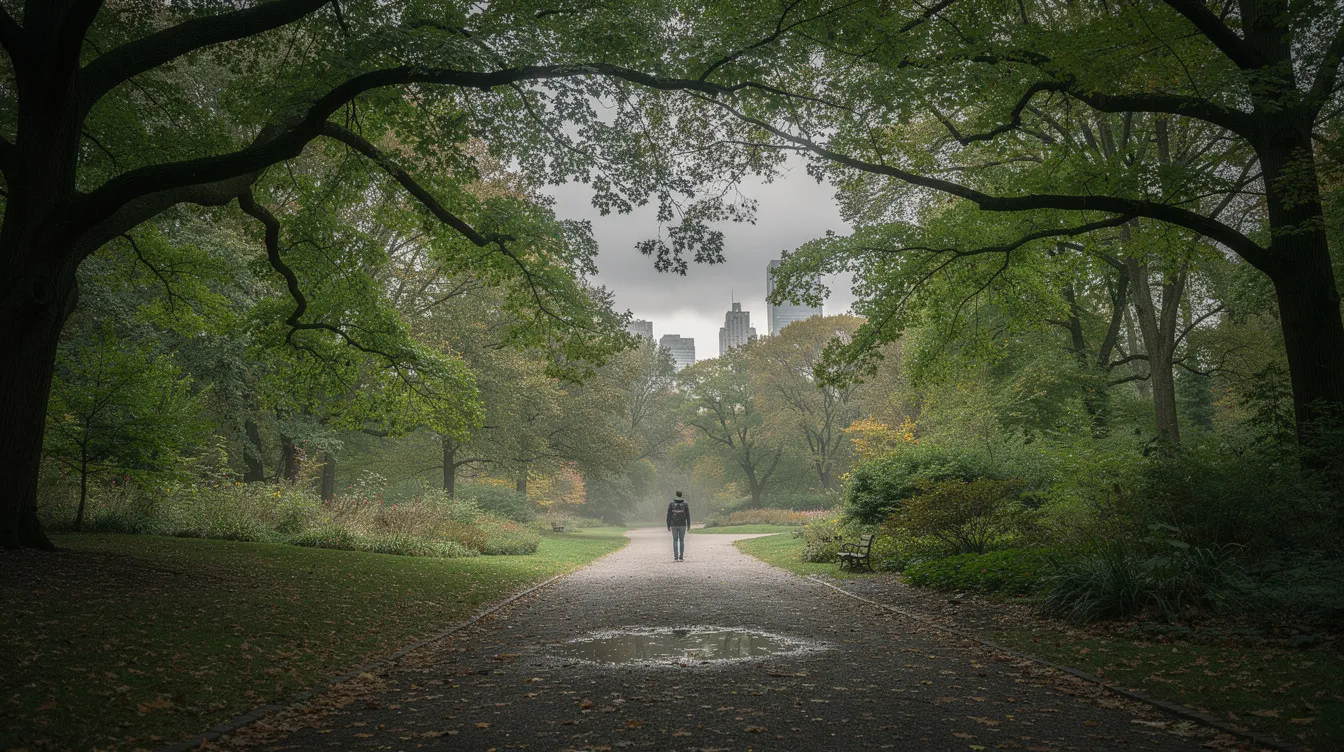
Long-range apps can show rain a week’s time out and then flip to sunshine overnight. In New York, meaningful forecasting starts around 24 to 72 hours ahead of the shoot date. That is why Headshots by Gareth tracks the forecast from two or three sources starting three days before your session and does not make snap decisions based on what the radar showed five days ago.
Check the weather forecast yourself if you like, but avoid panicking over every change. Most calls are made by 6 pm the evening before your photography session, or early the morning of if conditions are borderline. The thresholds are straightforward: light rain or a brief passing shower is usually manageable. Heavy rain, continuous downpours, thunderstorms, or sustained high wind tend to trigger a location change or a reschedule. You will always hear from us before you leave home.
Plan A: Making the Most of a Dry or Mostly Dry Day
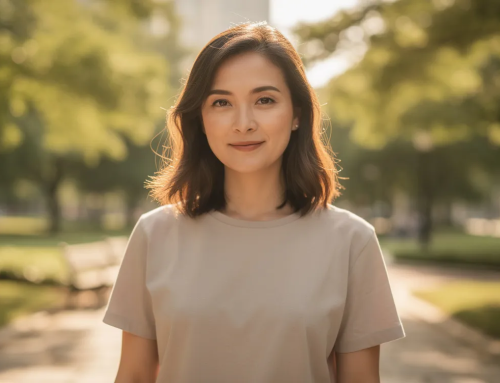
“Good enough” weather for an outdoor photo shoot does not mean a perfectly sunny day. In fact, grey, overcast skies are flattering for portraits because they turn the entire sky into a giant diffuser. Overcast skies provide soft, even light that minimizes harsh shadows under the chin and nose, reduces squinting, and makes skin look smooth. Cloud cover between roughly 50 and 85 percent often produces the most pleasing directional light for headshots.
Locations like shaded walkways in Central Park, brownstone stoops in Brooklyn, and SoHo side streets all photograph beautifully on cloudy days. Bring layers, a neutral coat that looks good in photos, and footwear that can handle slightly damp ground. In Plan A conditions, Headshots by Gareth sticks to the original concept but may tweak angles, backgrounds, and timing to capture the best available light.
Plan B: Adjusting Start Time to Dodge Rain or Harsh Sun
Small shifts in timing can make a dramatic difference. Moving an 11 am session to 9:30 am or 3:30 pm can dodge passing showers or avoid the worst midday sun, where bright sunlight can create harsh shadows on faces. On the morning of the shoot, we review hyper-local radar and text or call you with one or two clear timing options.
These shifts often improve portraits even on a sunny day: softer light, less squinting, and more manageable white balance. We once moved a June branding session in DUMBO from noon to 4 pm to avoid glare off the cobblestones, and the final images had a warm, cinematic quality the client loved. Keep your shoot day relatively flexible and avoid back-to-back commitments so a 60- to 90-minute shift is realistic.
Plan C: Using Covered and Semi-Outdoor Locations
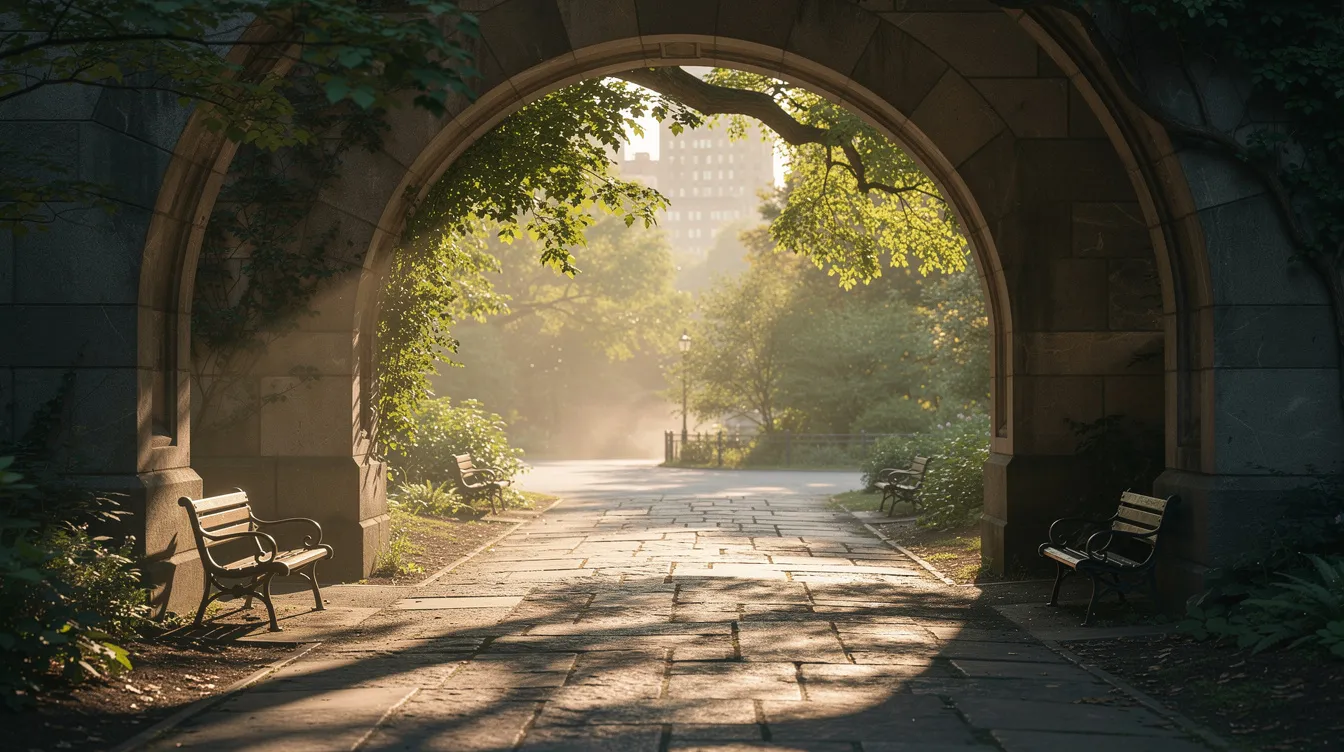
Some of New York’s most photogenic spaces happen to offer shelter from rain. Scouting locations in advance can provide covered options that still deliver an outdoor feel: the Bethesda Terrace Arcade in Central Park, architectural overhangs near Bryant Park, and arched passageways near City Hall all work as backup spots with interesting lines, consistent soft light, and fewer passers-by.
Headshots by Gareth typically plans one nearby covered location within a short walk of your original meeting point and confirms this with you in pre-session communication. Bring a compact umbrella and a small bag for spare shoes or a jacket, but these items stay out of frame during the actual photos. Professional camera bodies and lenses can have better weather sealing, so a quick dash between covered spots in light drizzle is rarely a problem for the gear.
Plan D: Moving Your Session Indoors
When the forecast shows persistent heavy rain, thunderstorms, or temperatures that would affect your comfort and expression, the best call is to move the session indoors. Backup indoor locations can save outdoor shoots from bad weather entirely. Options include studio-style headshots, sessions in a client’s office lobby or conference room, or lifestyle portraits in a home or apartment with large windows.
Light is handled carefully inside: natural window light where possible, supplemented with controlled artificial lighting. Using off-camera flash can prevent underexposure in dark conditions, and using a speedlight can help manage light in overcast conditions when window light alone is not enough. Indoor sessions can still feel modern and professional, especially for LinkedIn, corporate websites, or personal branding updates. If you know you would prefer an indoor backup, mention this when you first contact Headshots by Gareth so locations and timing can be chosen with that option in mind.
Plan E: Rescheduling Your Outdoor Photo Shoot
Sometimes the smartest decision is to simply reschedule. If inclement weather threatens to undermine the entire vision, Headshots by Gareth will check the forecast trend, offer two or three new date options, and confirm a new date quickly via email or text.
Weekend dates in New York often book out weeks in advance, so midweek mornings or evenings may offer more flexibility. Read and ask about the rain and reschedule policy before you book so there are no surprises regarding deposits and timing. Rearranging hair, makeup, or time off work is frustrating, but the goal is a result you are proud to share for years. Other photographers may handle this differently, so always clarify the approach ahead of booking.
Working With Different Types of Weather (Beyond Just Rain)
Bad weather is not just rain. Bright sun, wind, humidity, snow, and cold all affect how a photo shoot feels and looks. On windy days, choose sheltered streets and secure hairstyles. On humid days, blotting papers and simple hairstyles matter more than usual. In winter, cold weather drains camera batteries quickly, so we carry spares and bring hand warmers to keep subjects comfortable during outdoor shoots. Layer up with stylish clothing to keep warm between setups, and shorter sessions reduce exposure to the chill.
Weather-sealed cameras can be used in rainy conditions, and we pack portable weather covers for unexpected rain during shoots. When heavier precipitation arrives, a raincoat keeps the camera dry between shots, and we avoid using lenses that change length when zooming in wet conditions to protect internal elements. After any session in the rain, we let gear dry thoroughly and slowly rather than forcing heat on it, and we keep silica gel packets in the camera bag to absorb moisture. Ziplock bags provide additional protection for electronics in downpours.
These adjustments are invisible to you as the client. You only see that you look relaxed and well lit, regardless of the exact weather outside the frame. Headshots by Gareth adjusts camera settings and lens choices on the fly to keep skin tones natural across your entire photography session.
How Weather Affects Lighting, Color, and White Balance
Different conditions change the color temperature of light hitting your face. A sunny day sits around 5500 Kelvin, while overcast skies push color temperature up to 6000–7500 Kelvin, introducing a cooler, bluish cast. Shade can push it higher still. Headshots by Gareth dials in white balance so skin tones look natural and consistent, whether the sky is bright with sunshine or heavy with clouds.
Concrete examples: warming up cool, grey images from a cloudy afternoon, toning down orange streetlights during an evening shoot, or correcting a green color cast from nearby trees in a park. We shoot raw files, which allows more flexibility in fine-tuning color and exposure after the session. This is especially valuable on days with unpredictable weather when light shifts from minute to minute. The practical outcome is that your LinkedIn headshot still looks like you, not too red, not too pale, no matter what the sky was doing that day.
What You Can Do to Prepare for Unexpected Weather
A small checklist goes a long way. Bring a compact umbrella, a hairbrush or comb, blotting papers or powder, backup shoes with grip, a light jacket that coordinates with your outfit, and a change of clothes for unexpected weather conditions. Choose outfits that still look polished with an extra layer: a blazer, trench coat, or tailored wool coat in winter keeps the look intentional even if the temperature drops.
Allow extra travel time on the day of the shoot in case of wet sidewalks, slower public transport, or traffic from a storm passing through. Headshots by Gareth will confirm the exact meeting point and backup options in writing beforehand, so you can feel confident even if the sky looks uncertain when you leave home.
How Headshots by Gareth Communicates Weather Decisions
The communication flow is simple. Your booking confirmation includes a brief explanation of the weather policy. A reminder goes out 48 hours before the session. A final weather check and message follows the evening before or morning of your shoot, with a specific time by which a go or no-go call will be made via text or email.
You are invited to share your own preferences. Some clients are happy to shoot in light drizzle; others want a completely dry day. These preferences are noted when planning backup options. If you have questions about weather when you enquire, raise them early, and Headshots by Gareth can help you choose the best season and time of day for your particular shoot.
When Embracing the Weather Can Make Your Photos Better
Sometimes leaning into what the sky gives you creates the most memorable portraits. Light rain is usually fine for outdoor photography sessions, and rain can add dramatic effects that you simply cannot recreate on a calm, dry afternoon. Clear umbrellas can enhance photos on rainy days, and brightly colored coats paired with those umbrellas create a striking visual pop. A moody branding portrait in the West Village under November clouds, or a winter headshot with visible breath and soft falling snow, can produce images that stand apart from every other photo taken on a generic sunny day.

This is always discussed with you on the day, taking into account hair, makeup, wardrobe, and how comfortable you feel about getting a bit windswept or damp. Safety and comfort come first, but for clients who are open to it, weather becomes a creative feature rather than a problem to hide. Headshots by Gareth can help you decide, in the moment, whether to wait it out or shine in whatever the sky is offering.
Booking Your Outdoor Session With Weather in Mind
Spring and fall tend to deliver the most cooperative weather in New York: milder temperatures, softer light in early morning or late afternoon, and fewer sudden thunderstorms compared to mid-summer. Clients who are particularly concerned about rain or wind might aim for April through early June, or late September through October. Winter sessions create a very different, crisp look for those who enjoy the cold, and summer offers lush greenery and long evenings.
Think about how you plan to use your headshots or portraits and share that context when enquiring. Whether the images are for LinkedIn, acting profiles, websites, or dating apps, that information helps tailor timing, location, and backup options. Get in touch with Headshots by Gareth to discuss dates, locations, and how to build a weather backup plan into your booking from day one.
FAQ
These questions cover practical details about weather and outdoor photo shoots that come up regularly when clients are planning a session.
How close to the shoot can we decide to reschedule for weather?
In most cases, the final decision is made the evening before or early the morning of the session, once short-term forecasts are more reliable. You should check the weather forecast two days before your session to get a general sense, but the real call happens closer to the date. Truly last-minute changes, like a sudden storm cell appearing an hour before the shoot, are handled case by case with the aim of being fair and practical. Discuss your own scheduling flexibility when you first book with Headshots by Gareth so expectations are aligned from the start.
What happens if the weather changes halfway through our outdoor photo shoot?
If the weather turns bad mid-session, we continue shooting under nearby shelter, shift to close-up headshots where the background matters less, or pause briefly to see if a passing shower clears. In many cases, a short break is enough for New York showers to pass, and the session continues without losing the overall look. The photographer will guide you quickly on whether to move, wait, or wrap up if conditions become unsafe.
Can we split the session into two days if the weather is bad?
This can sometimes be arranged, especially for branding or portfolio projects that require multiple looks or locations, but it depends on scheduling and availability. Raise this preference early if you know you are very weather-sensitive. For most standard headshot sessions, one well-chosen rescheduled date is usually the simplest and most practical solution.
How should I plan hair and makeup if rain or humidity is possible?
Choose hairstyles that can handle a bit of movement: soft waves, secure updos, or styles that still look intentional if they relax slightly in humidity. Use long-wear, humidity-resistant makeup products and bring essentials like powder, blotting papers, and lip color for quick touch-ups. Headshots by Gareth can build in short breaks during the shoot for you to check a pocket mirror and tidy up, especially on damp, windy, or very warm days.
Is it worth booking an outdoor shoot in winter or the height of summer?
Beautiful portraits happen year-round in New York, but extreme temperatures require more planning. Winter offers crisp light and potential for snowy scenes, while summer provides lush greenery and long evenings. The trade-offs are real: cold noses and stiff expressions in freezing weather, or shine and squinting in strong summer sun. If you are unsure which season suits you, contact Headshots by Gareth to talk through what you want your final images to feel like before choosing a date. It is a great idea to have that conversation early so every detail, from the weather to the lens choice to the space you shoot in, supports the result you are after.