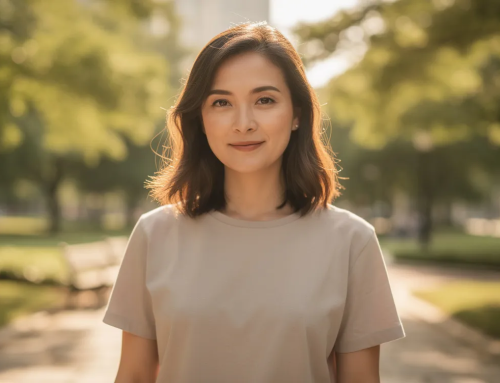
If you have ever scrolled through LinkedIn and noticed that the most compelling profile photos share a certain warmth and ease, there is a good chance those were natural light headshots. They look like the person actually showed up that day, not like they were pasted onto a generic backdrop. This guide walks through the practical side of shooting and booking headshots with natural light, covering timing, location, gear, and how to get results that are both flattering and genuinely professional.
Key Takeaways
Natural light headshots tend to feel more relaxed and authentic than traditional studio portraits, which makes them a strong choice for LinkedIn, company websites, personal branding, and speaking profiles. Natural light creates more authentic and personable headshots because the lighting wraps around the subject in ways that feel familiar rather than staged. Natural light also allows for diverse and interesting backgrounds, giving each image a sense of place instead of a blank void.
The best light for headshots usually comes from open shade, window light, or golden hour rather than harsh midday sun. Overcast days create diffused light that flatters skin tones, and shooting in shade avoids harsh shadows on the subject’s face. When you control direction, background, and catchlights in the subject’s eyes, outdoor headshots and window-lit portraits can look as polished as anything from a full studio setup.
A mix of natural lighting and subtle fill from reflectors or low-powered flash often produces the most flattering, professional headshots. Natural light enhances eye color and detail in headshots, which is one reason so many professional photographers lean on it. If you are in New York and want confident, modern portraits without a stiff studio feel, Headshots by Gareth specializes in exactly this approach.
What Makes Natural Light Headshots Different?
Studio lighting gives you predictable, repeatable results. You set up your strobe, your softbox, your backdrop, and the image looks the same whether it is nine in the morning or nine at night. That consistency is useful, but it can also produce headshots that feel clinical or overly posed. Natural light headshots pull from a different register entirely. The mood tends to be more approachable and modern, which is why you see them across LinkedIn, company “About” pages, and speaker profiles where relatability matters as much as polish.
Natural lighting comes from daylight through windows, skylights, and outdoor environments. When used correctly, it wraps gently around the subject’s face and creates soft transitions between light and shadow. Natural light helps to minimize blemishes and shadows on skin because the source is often large and diffused rather than a small, punchy flash. Using natural light can create approachable and professional portraits that still look intentional and refined.
Natural light is also free and widely accessible for photographers, which means the investment goes into skill and vision rather than expensive equipment. Natural light is cost-effective and does not require expensive gear to produce great portraits. The different types of natural light each create a distinct mood in portrait photography: direct sunlight brings intensity, open shade offers even softness, overcast sky delivers low-contrast flattery, and golden hour adds cinematic warmth. Headshots by Gareth, a New York headshot and portrait photographer, leans into these qualities for clients who want professional headshots that feel natural and contemporary.
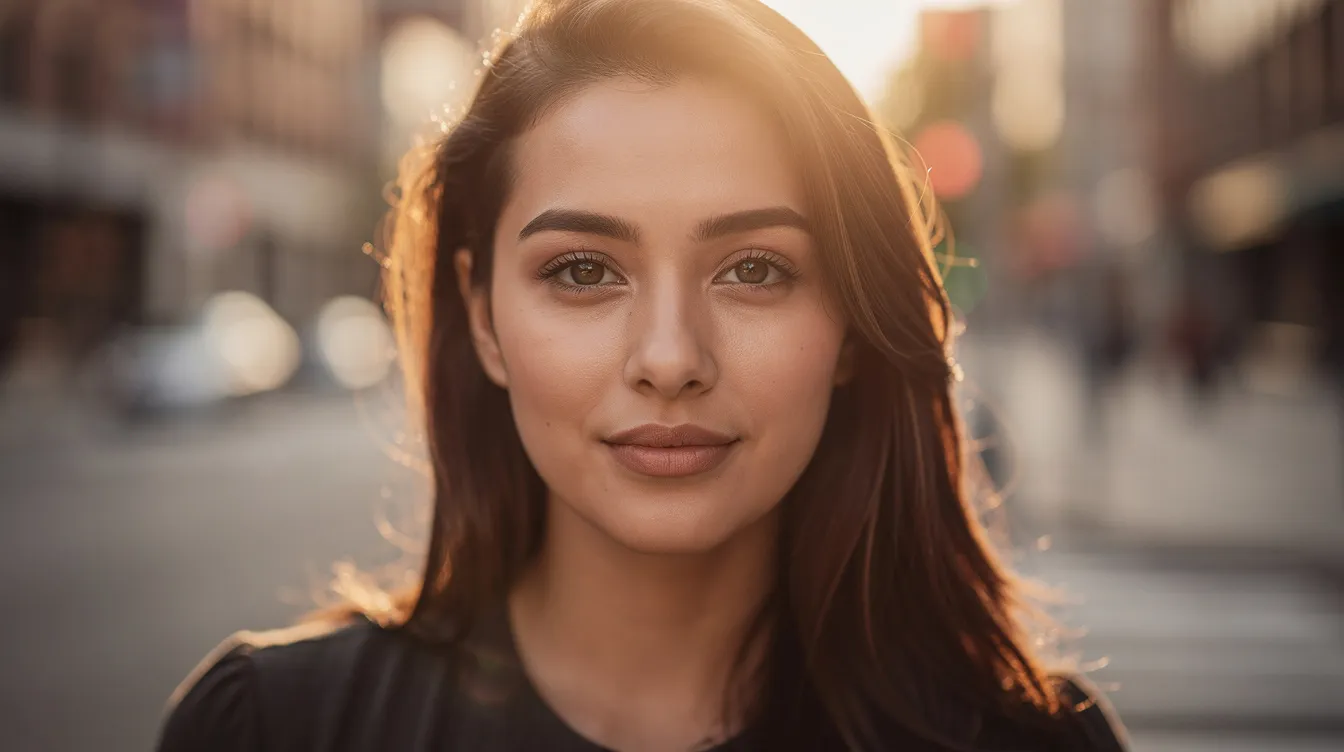
Best Natural Light for Headshots: Time of Day and Weather
Timing is one of the most important decisions for headshot lighting, especially in a city like New York where tall buildings can block or bounce sunlight in unpredictable ways. Choosing the right window of daylight can mean the difference between a scene that sings and one that squints.
Natural light is best during the golden hour, roughly sixty to ninety minutes after sunrise and before sunset. Golden hour provides soft, warm light for portraits with a color temperature around 3000 to 4500 K, casting gentle shadows and rendering skin with warmth that flatters every tone. Late afternoon sessions in particular give you that low-angle sun that adds dimensionality without the contrast problems of midday.
Overcast days provide soft, diffused light for portraits because clouds act like a massive natural softbox, spreading the light evenly across the sky. This is forgiving on skin texture and eliminates the risk of squinting. The tradeoff is that images can lean flat without careful attention to direction and contrast, but a good photographer manages that through positioning and subtle fill light.
Midday sun can create unflattering shadows on faces. Bright light from directly overhead digs deep shadows under the brow, nose, and chin, and subjects almost always squint. A skilled photographer will move subjects into open shade or use reflectors to bounce light back onto the face. Position subjects in shade to avoid harsh shadows whenever midday is the only option.
Seasonal considerations matter in New York. In summer 2026, golden hour falls around 7 to 8 PM, giving you long evenings. In December, the sun drops by 4:30 PM, which compresses your window of available light significantly. Planning around these shifts is essential for any outdoor headshot session.
Using Natural Light Indoors: Window-Lit Headshots
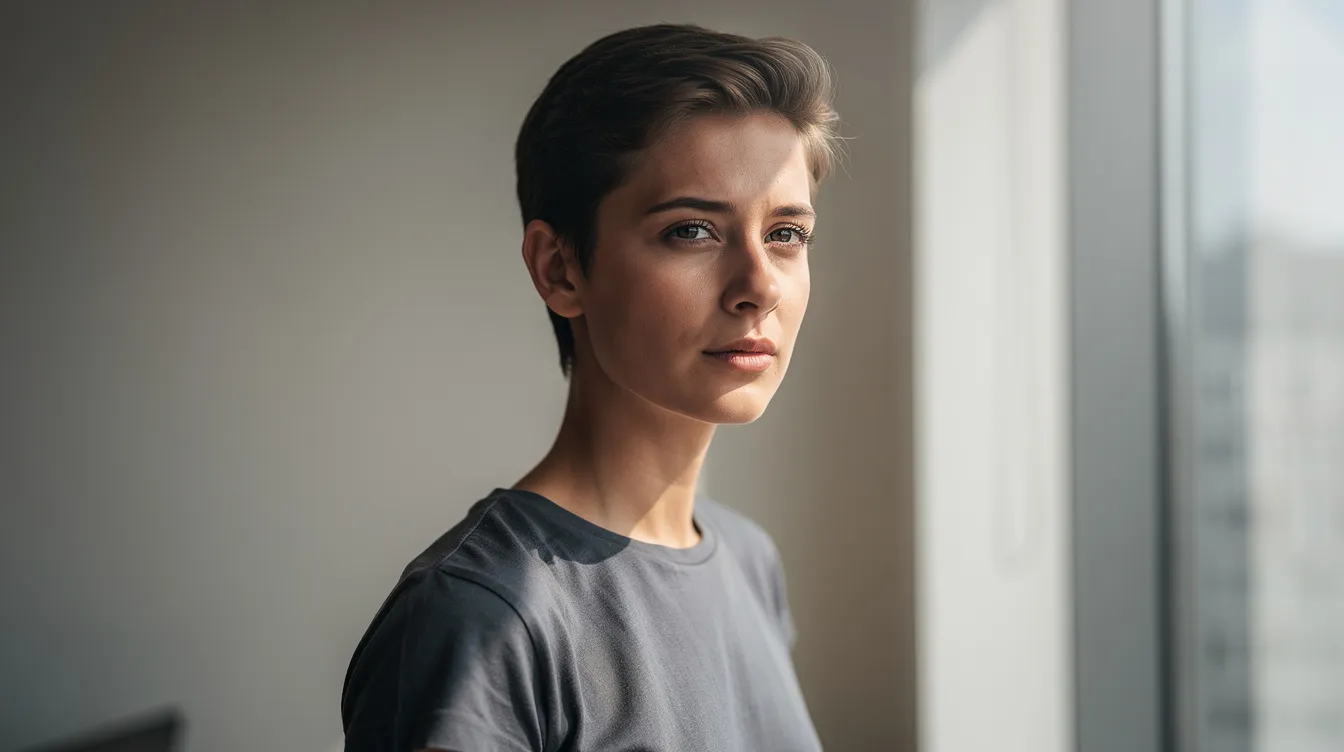
Large windows in offices, apartments, or studio spaces can produce beautiful, consistent ambient light. North-facing windows offer consistent, soft, and even lighting throughout the day because they never receive direct sunlight. East-facing windows bring warmth in the morning, while west-facing glass delivers golden light in the afternoon.
The typical setup places the subject three to five feet from the window with the camera on the shadow side. The background stays simple: a clean wall, soft texture, or subtle office environment that keeps attention on the face. A 45-degree angle to window light creates depth and dimension on the subject’s face, giving you modeling that feels sculpted rather than flat. If direct sun pours through, sheer curtains can diffuse harsh window light for softer exposure without losing that sense of natural daylight direction.
Balancing window light with ambient indoor light is critical. Overhead fluorescents and LEDs introduce color casts and can create unflattering under-eye shadows. Turning ceiling lights off usually produces a cleaner image with truer skin tones. Natural light photography allows movement between indoor and outdoor spaces during a single session, which gives you variety without hauling equipment across town. At Headshots by Gareth, indoor natural light headshots often combine window light with a reflector or minimal fill flash to maintain a natural look while still controlling shadows.
Photographing Outdoor Headshots with Available Light
Outdoor headshots feel more dynamic and contemporary because the environment adds context. New York offers countless options: quiet side streets, park paths, rooftops, and brownstone stoops all function as real backdrops that tell a story. The key is managing sunlight so that the scene supports the subject rather than overwhelming them.
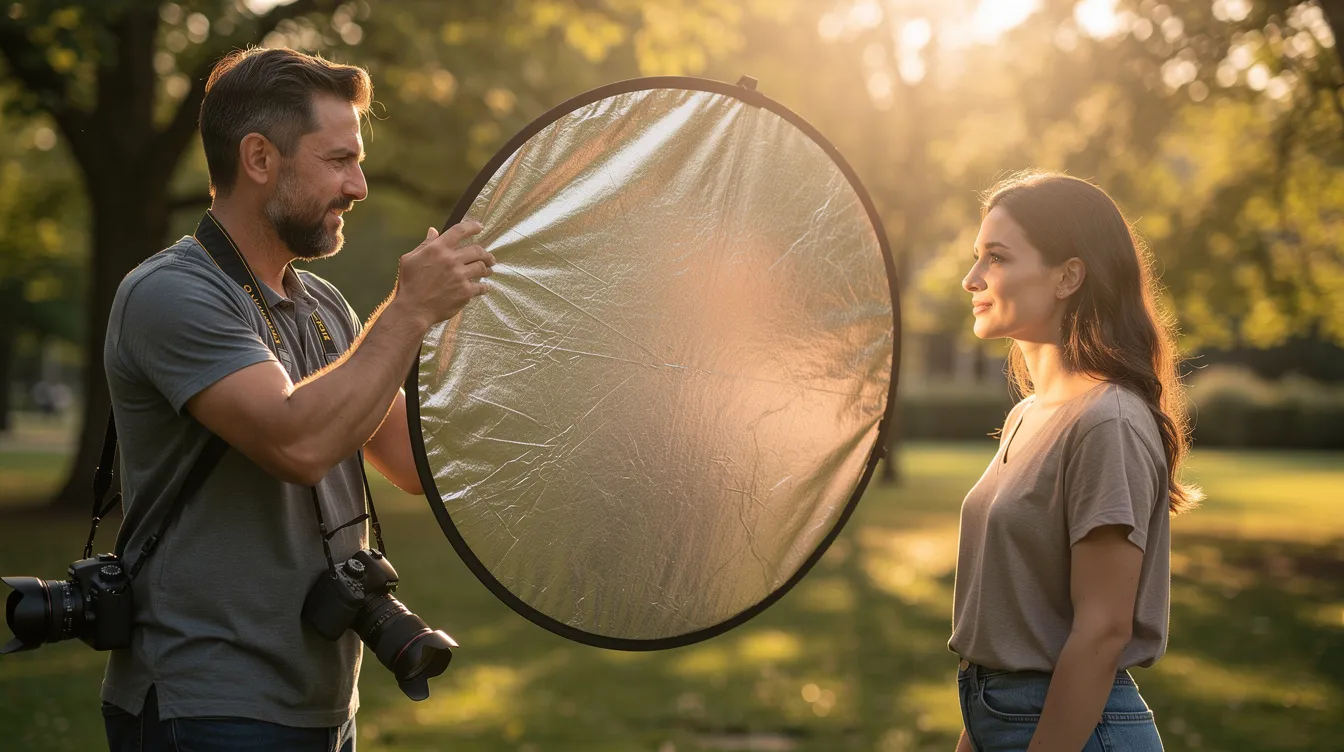
Open shade is your most reliable friend outdoors. Building overhangs, tree canopies, and the shadow side of a street block direct sunlight while still benefiting from bright, directional daylight. Open shade avoids harsh sunlight that causes severe shadows and lets you photograph clients in shade for even lighting results. When you backlight the subject by placing the sun behind them, you avoid squinting and get a rim of light around the hair and shoulders. A reflector or subtle flash in front bounces fill light back into the face, keeping the subject’s eyes bright and the exposure balanced.
Background selection matters as much as the light. Use neutral backgrounds to keep focus on the subject, and avoid busy backgrounds that compete with the subject. Textured walls like brick provide interesting backgrounds that add character without distraction. Solid backgrounds create a neutral effect that keeps all attention on the expression. Headshots by Gareth prioritizes flattering, soft natural lighting first, then layers in urban character or greenery depending on each client’s personal brand.

Natural Light vs. Studio Lighting for Professional Headshots
Both studio lighting and natural light can produce the best headshot for different needs. The choice depends on what the image needs to communicate and the practical constraints of the shoot.
Natural light strengths:
- Faster setup on location with less gear
- More organic, less “posed” mood
- Seamless transitions between indoor and outdoor looks
- Real environments relevant to a client’s industry
- Natural light is best for capturing true eye color in headshots
- Natural light enhances eye color in headshots because the broad spectrum of daylight renders iris detail faithfully
Studio lighting strengths:
- Absolute control over consistency across a team
- Weather-resistant scheduling with no dependence on the sky
- Ability to sculpt dramatic, contrasty, or high-end corporate looks with a strobe or multiple light sources
Different types of clients gravitate toward different lighting styles. Actors may want both natural and studio looks. Startup founders often prefer the warmth and relatability of daylight. Lawyers and corporate directors may lean toward the polished control of studio setups. Hybrid approaches are common and effective. Headshots by Gareth can use natural lighting alone or combine it with subtle studio tools like off-camera flash or LED panels to preserve a natural feel while ensuring professional-quality results.
Choosing Backgrounds and Locations for Natural Light Headshots
Background choice sets context and influences how polished or casual the final image reads. A clean background with low contrast, like a plain wall, slightly textured concrete, glass with a soft blur, or greenery, keeps attention where it belongs: on the face and expression.
In New York, useful locations include quiet side streets, office building atriums with large windows, shaded corners of Central Park, and neutral lobby spaces with strong daylight. Putting space between the subject and the background and using an 85mm portrait lens allows the background to blur, keeping the focus on the expression while still hinting at the scene behind.
Watch for color casts from strongly colored surfaces. A bright red brick wall or neon sign can reflect unwanted hues onto skin in natural light headshots. Unless that color is an intentional creative choice, stick to surfaces that won’t fight with the subject’s skin tone.
Working with Clients: Expressions, Posing, and Comfort in Natural Light
The most technically perfect natural lighting still fails if the subject looks tense or uncomfortable. Coaching and rapport-building are as important as finding the right angle of light.
Simple, natural poses work well in both indoor and outdoor headshots: a slight angle to the camera, relaxed shoulders, weight shifted to one foot, and small variations in chin and eye direction. A photographer guides clients through micro-expressions, shifting between friendly, confident, and serious looks depending on intended use. The right eye contact with the lens versus a slight off-camera gaze can completely change the feel of an image.
Natural light sessions often feel less intimidating than big studio setups with multiple flashes and stands, which helps camera-shy professionals feel comfortable and show more genuine expressions. Headshots by Gareth keeps sessions conversational and low-pressure so clients can focus on feeling like themselves in flattering natural light.
Simple Gear and Techniques for Using Natural Light Effectively
Strong natural light headshots do not always require a full studio kit, but a few carefully chosen tools make a meaningful difference.
Practical gear for natural light portrait photography:
- A fast portrait lens, such as a 50mm or 85mm, for shallow depth and creamy bokeh
- A collapsible reflector with white and silver sides to bounce light into shadowed areas
- A small off-camera flash for gentle fill light in challenging contrast situations
Core techniques include placing the main source of light at roughly 45 degrees to the subject for depth, checking for catchlights in the subject’s eyes, and rotating the subject until strong shadows fall in a flattering pattern. Use reflectors to fill shadows in natural light portraits when backlighting or side-lighting creates too much contrast. Shooting at wide apertures blurs the background and isolates the subject, while keeping shutter speed fast enough prevents motion blur outdoors. Adjust ISO as low as the available daylight permits to preserve detail without excessive noise.
An experienced photographer like Headshots by Gareth adapts quickly to changing light, moving a client slightly, turning them into or away from the sun, or stepping under cover when clouds shift.
When to Choose Natural Light Headshots (and When Not To)
Natural light headshots are ideal when clients want warmth, approachability, and a sense of place. They work especially well for personal branding, startup founders, creatives, consultants, and actors seeking casual or commercial looks that feel relatable and true to life.
Studio-like control may be preferable when strict corporate brand guidelines demand identical lighting across dozens of employees, when tight production schedules cannot risk weather delays, or when the location offers no useful available light, like a windowless conference room at night. The technical aspects of each approach differ, but a photographer can evaluate a client’s needs during a pre-session consultation and recommend either pure natural lighting, studio-style lighting, or a hybrid session.
If you are in New York and want to figure out which approach will give you the best headshot for your goals and timelines, reach out to Headshots by Gareth to talk it through before booking.
FAQ
These answers cover common questions people ask before booking natural light headshots, focusing on practical details not fully addressed above.
What should I wear for a natural light headshot session?
Solid, mid-tone colors that complement your skin tone and right eye color tend to photograph best. Avoid very bright neon hues or tiny, busy patterns that can distract in natural lighting. Bring two to three outfit options, such as a blazer, a more casual top, and a second color palette, so the photographer can match what works with the chosen location and background. Clients can coordinate with Headshots by Gareth in advance by sending quick photos of outfits to confirm they will look good in both indoor window light and outdoor settings.
Can natural light headshots work on cloudy or rainy days?
An overcast day often provides amazing, soft light for portraits and can actually be ideal for natural light headshots. If it is raining, the photographer can use covered outdoor areas like awnings, arcades, or overhangs, or shift to indoor spots with good window light. Headshots by Gareth builds in a weather backup plan when scheduling outdoor sessions in New York, especially in unpredictable seasons like April and November.
Do I need professional makeup for natural light headshots?
Light, natural-looking makeup that evens out skin tone works best since natural lighting can reveal very thick layers or overly shiny products. Simple matte products to reduce shine on the forehead and nose are usually enough for most people regardless of gender. Clients who prefer to hire a makeup artist should choose someone experienced with photography work and can ask Headshots by Gareth for guidance on what photographs well in daylight.
How long does a natural light headshot session usually take?
A typical on-location natural light session lasts around thirty to ninety minutes depending on how many looks, outfit changes, and locations are involved. Extra time is often spent walking between indoor and outdoor spots, adjusting to changing available light, and allowing clients to relax into the process. Headshots by Gareth discusses timing during booking so clients know exactly how much time to set aside and can plan around the best light of the day.
Can natural light headshots be retouched to look as polished as studio photos?
Absolutely. Natural light headshots receive subtle adjustments to skin, stray hairs, and color balance while preserving a realistic, true-to-life appearance. The goal with retouching natural lighting is usually to enhance rather than transform, so you still look like yourself on a good day. Headshots by Gareth applies careful, natural retouching so final images feel both professional and authentic across websites and social media profiles, with enough quality and detail to hold up at any size.