A company headshot day sounds simple enough – line everyone up, take some pictures, and move on. In practice, it takes real planning to pull off a shoot that runs on time, looks consistent, and doesn’t leave half your team dreading the experience. This guide walks HR teams, office managers, founders, and operations leads through every step of the process, from setting goals to delivering final images.
Key Takeaways
- Define why you’re organizing an office headshot day, how the images will be used, and what success looks like for HR and leadership before you book anything.
- Lock in a realistic schedule – usually 5–7 minutes per person – with built‑in buffer time for traffic, meetings, and no‑shows.
- Choose a specific, quiet space in the office and decide in advance on one consistent lighting and background style for all professional headshots.
- Send simple, visual prep guidelines covering wardrobe, grooming, and timing so employees feel prepared rather than anxious about headshot day.
- Plan for absences and new hires by arranging matchable follow‑up sessions, ideally with the same photographer and setup.
Why a Company Headshot Day Is Worth the Effort
A dedicated photo day does more than fill squares on your website. Consistent professional headshots strengthen your employer brand across every touchpoint – LinkedIn profiles, pitch decks, PR kits, and internal directories. Research shows that LinkedIn profiles with professional photos receive roughly 64% more views than those without them. When every team member’s portrait shares the same lighting, background, and quality, your company projects cohesion and credibility that clients and candidates notice immediately.
For hybrid and remote teams, uniform directories help build team identity. Professional headshots help remote workers feel included in company culture even when they rarely visit the office. Employee headshots signal inclusion and belonging in the workplace, and consistent professional photos create a trustworthy brand image that carries across every channel your business touches.
There’s a morale dimension too. Headshot programs can serve as subtle culture signals boosting employee morale, and Gallup’s research confirms that recognition drives employee engagement and loyalty. Framing the day as a perk – a moment where the company invests in each person – rather than a chore makes the difference. Professional headshots boost employee morale and retention, and high-quality portraits enhance employees’ personal branding opportunities well beyond your company’s own materials. Headshot sessions also reduce stress for employees by providing professional services they’d otherwise have to arrange and pay for on their own.
Setting Clear Goals and Scope Before You Book
Before you contact a single photographer, sit down with whoever owns the project – HR, People Ops, or the office manager – and clarify exactly what you need. A unified set of headshots enhances brand professionalism, but only if everyone agrees on the details upfront.
Typical goals include LinkedIn‑style headshots for every employee, formal leadership portraits, group shots for the team page, and optional lifestyle images that capture your workplace culture. Decide on the number of people to photograph, the ratio of individual to team photos, and whether you need same day image delivery for an upcoming launch or rebrand. Create a shot list of everyone needing a headshot so nothing falls through the cracks.
How the images will be used shapes technical choices. Website “About” pages may need both vertical and horizontal crops. Speaking engagements and press bios often require specific resolutions. Write a simple brief that covers these details – style references, background preferences, retouching expectations – and share it with both your internal team and the photographer so expectations are aligned from day one.
Choosing the Right Photographer for Headshot Day
Owning a good camera does not make someone the right fit for your office headshot day. What matters is whether the photographer can handle multiple employees efficiently, maintain consistent lighting and posing across dozens of sessions, and keep the energy positive from the first slot to the last. Specialized corporate photographers can improve employee headshot experiences dramatically compared to generalists who primarily shoot weddings or events.
When evaluating candidates, ask pointed questions: How many people can you realistically shoot per hour? What does your on‑site setup look like? Do you bring backup gear? Can employees preview images during the session? Check portfolios for consistency across a group – matching shadows, expressions, and background tones – not just a handful of standout individual portraits. The best headshot photographer will direct natural poses and expressions clearly so employees aren’t left awkwardly guessing what to do in front of the camera.
Headshots by Gareth is one NYC option built specifically for this kind of work – calm, efficient, directed on‑site team headshots designed around the reality of tight Manhattan office schedules and busy calendars.

Designing a Realistic Schedule That Actually Works
Scheduling is usually the hardest operational piece for companies with 50 or more employees. Successful headshot days require clear communication and careful scheduling, so start with the math. Schedule at least 5 minutes per employee for headshots – most photographers recommend 5–7 minutes per person, which translates to roughly 8–12 people per hour per photographer. Five minutes is usually enough time for one headshot when the process is smooth.
Build in buffer blocks every 60–90 minutes. Organizing a buffer schedule can help keep headshot sessions on track when someone’s meeting runs late or the elevator takes ten minutes. Without buffers, one delay cascades into the rest of the day.
Three scheduling models work well depending on your team size:
Model
Best For
Trade‑Off
Fixed individual slots
Large teams needing precision
Requires coordination
Department blocks (e.g., Sales 9–11, Engineering 11–1)
Mid‑size companies
Less individual flexibility
Open drop‑in windows
Small teams or hybrid offices
Risk of wait times
Share the final schedule at least one week in advance. Send reminders the day before and morning of, including the exact room or location with enough time for people to plan around their calendars.
Preparing Your Team: Wardrobe, Grooming, and Expectations
A good headshot day includes a preparation guide for employees – ideally a short, visual email sent two to three days before. Here’s what to cover:
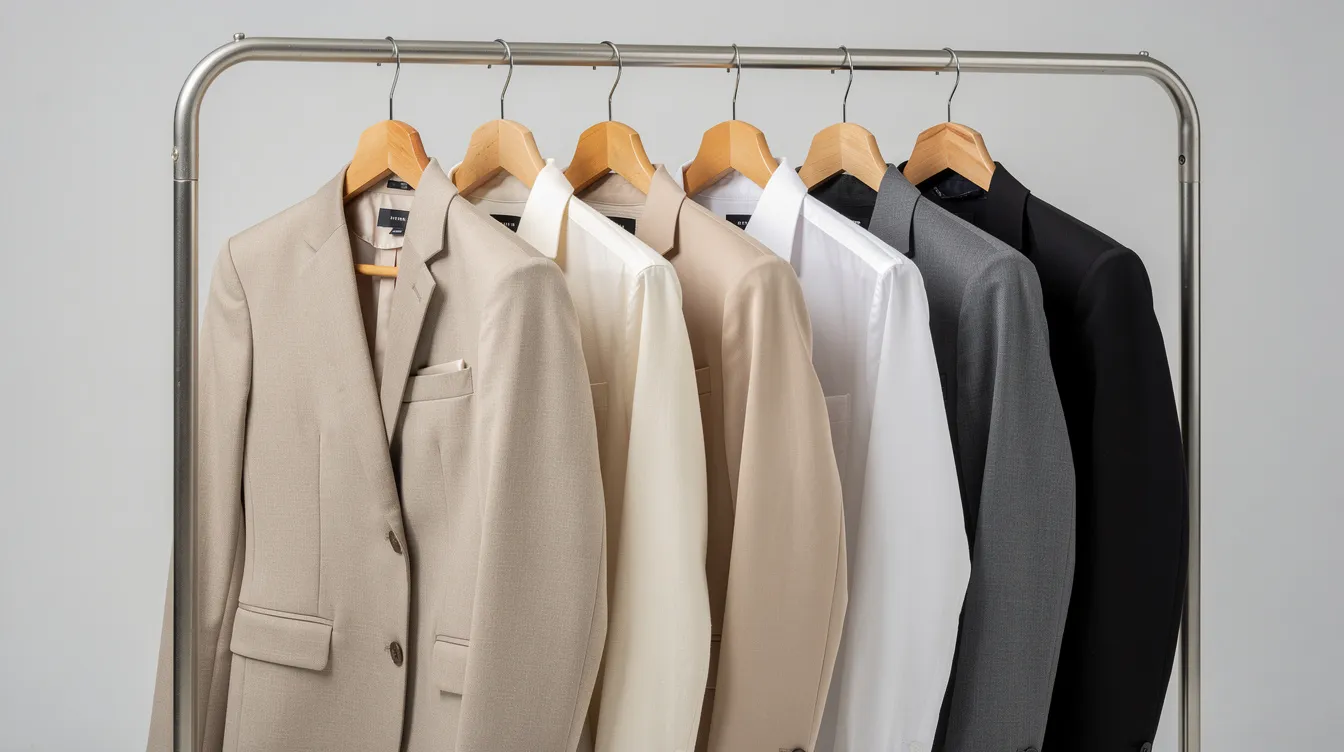
What to wear: Wear solid colors or subtle patterns for headshots. Avoid large logos, bold stripes, and highly reflective fabrics. Layers like blazers or cardigans add depth and let people try different looks. Provide wardrobe guidance to ensure cohesive team photos, and encourage everyone to bring wardrobe options to ensure a good fit on the day. What employees wear should align with your company’s culture – formal for finance, smart‑casual for a creative agency.
Grooming: Trim facial hair on the morning of the shoot. Get a haircut or beard trim a few days before, not the day of. Bring a comb, lint roller, and a small mirror for last‑minute touch‑ups. Hair should be styled the way you’d normally wear it to work.
Rest and confidence: Aim for a good night’s sleep before photo day – it genuinely shows in skin and energy. Practice smiling in front of a mirror before the session so you know which smile feels natural rather than forced.
Inclusivity: Headshot programs should accommodate privacy concerns and body image apprehensions. Ask employees privately ahead of time if they need adjustments to timing, location, or sensory environment so everyone can participate comfortably.
Encourage managers to chat about the day casually and normalize the process. When leadership goes first and keeps it fun, camera‑shy staff relax considerably.
Setting Up the Space for a Smooth Office Headshot Day
Selecting a well-lit quiet space is crucial for headshot sessions. Look for a conference room, private lounge, or cleared multi‑purpose area – somewhere with at least 10–15 feet of depth so the photographer can control the distance between subject and background. Choose a clean location for the headshot session with nearby electrical outlets, low ambient noise, and the ability to close blinds so natural light doesn’t shift throughout the day.
Professional photography ensures consistency in headshot lighting and background, so keep the setup in one place with a single backdrop for every individual portrait. This is what makes your team page look like it belongs to one company rather than a patchwork of selfies and stock photos.
Set up a mini flow through the space: a waiting area with seating and a mirror for quick touch‑ups, the shooting area itself, and a checkout spot where people can preview their images on screen. Allow 1 hour for setup before headshot sessions start – especially in busy NYC offices where security check‑ins and elevator waits can eat into the morning.
Day‑Of Logistics: Keeping Things On Track
No matter how well you plan, expect disruptions. Unexpected meetings can disrupt scheduled headshot sessions. Delays often occur due to traffic or employee travel issues. Someone will forget their slot entirely. This is normal.
Assign one internal coordinator – a “runner” – whose job is to track who has been photographed, pull people from meetings when their time comes, and keep the energy moving. Use a simple check‑in system: a shared spreadsheet, sign‑in sheet, or even a whiteboard near the shoot. When delays happen, photograph whoever is ready and reshuffle the order.
Photos can take too long without a smooth process, so keep momentum by using buffer slots wisely. An experienced photographer will stay flexible, keep the mood calm, and still ensure every person leaves with at least one approved headshot. Water, comfortable seating, and clear signage near the space all help the day feel organized rather than chaotic.
Coaching Employees Through the Session
Most people don’t know what to do in front of the camera – and they don’t need to. Good direction from the photographer turns even a short photo session into a set of strong images. Simple cues like “drop your chin slightly” or “turn your shoulder toward me” produce significant differences in the final photograph.
Build in enough time for each person to review pictures on screen and choose a favorite. Seeing results in real time boosts confidence and dramatically reduces follow‑up retake requests. Fun and quick headshot sessions can boost employee confidence, especially when someone who walked in nervous walks out proud of their best headshot.
Professional photos are a valuable tool for employees’ personal branding – remind your team that these portraits serve their LinkedIn profiles and speaking bios just as much as the company website. Micro‑adjustments like fixing a collar or straightening a necklace can happen on the spot. The photographer’s job is to capture each person at their most natural and confident, and good coaching makes that happen in minutes.

Handling Blemishes, Wrinkles, and Wardrobe Missteps
Here’s the deal: most small imperfections are fixable either during the shoot or afterward. Blemishes and wrinkles can be retouched after the session. Natural retouching typically means reducing temporary blemishes, evening skin tone, softening under‑eye shadows, and a slight teeth whitening – nothing that makes someone look like a different person.
Wardrobe issues like wrinkled shirts can affect headshot quality, but a portable steamer or iron on‑site solves most problems in seconds. If an outfit just isn’t working – wrong color, distracting pattern, visible logo – a backup shirt or a loaner blazer saves the day. This is why it’s helpful to send that wardrobe prep email a few days before so people arrive ready.
Agree in advance with your photographer on the level of retouching, who approves final edits, and how many edited images are included per person. Clear expectations up front prevent disappointment later.
Managing Absences, New Hires, and Future Consistency
Planning beyond a single photo day matters for growing teams. People will be sick, traveling, or on leave. Arrange follow‑up mini sessions using the same photographer, background, and lighting so that new portraits match existing ones on your website and directory.
A planned headshot program ensures quick integration of new hires into branding. Add headshots to your onboarding checklist so every new starter is photographed within their first 30–60 days. Maintain a simple visual standards document – background color, lighting ratio, crop, resolution – so that images taken months apart still sit together seamlessly on your team page.
Headshots by Gareth can recreate the same lighting and backdrop for NYC teams as they add new people over the course of the year, keeping your portraits consistent without scheduling another full‑company event.
File Delivery, Naming, and Internal Distribution
Once the shoot wraps, images move from the camera to your HR, marketing, and IT systems. Typical delivery includes an online proof gallery – sometimes organized per department – where employees select their favorites for final retouching.
Use a clear naming convention like lastname_firstname_department.jpg so your comms and web teams can manage files long‑term without hunting through hundreds of generically numbered pictures. Discuss timelines with your photographer: same day viewing galleries are increasingly common, with final retouched images delivered within two to five business days.
Create a simple internal folder structure – organized by department or hierarchy – so that future projects like press releases, speaking events, or promotions can quickly locate the right headshot without anyone having to dig through old email threads.
Budgeting and Making the Business Case
Most photographers price company headshot days using per‑person rates, half‑day or full‑day packages, or a combination. In NYC, team sessions typically run $1,500–$6,000 for a full day depending on headcount and deliverables. For larger teams of 50 or more, per‑person rates can drop to $75–$125 when using a consistent setup with minimal individual add‑ons.
Compare that to ad‑hoc individual sessions at $450–$900 per person in a studio. Consolidating everyone into one day is almost always cheaper and produces far more consistent results. High-quality headshots improve credibility in marketing materials, strengthen your LinkedIn presence, and polish pitch decks – tangible outcomes that matter when justifying the spend to finance.
Get at least two quotes and weigh not only price but proven efficiency, retouching quality, and experience with corporate environments. Account for hidden costs like travel fees, hair and makeup, rush delivery surcharges, and extra retouching.
Working with Headshots by Gareth in NYC
Headshots by Gareth specializes in on‑site company headshot days for New York City startups, law firms, agencies, and enterprise teams. The process is built around what actually happens in a real office: fast setup in tight spaces, calm step‑by‑step coaching for nervous staff, and a workflow designed to minimize the time each person spends away from their desk.
Flexible scheduling covers Manhattan and Brooklyn offices, including early morning or late‑afternoon sessions that settle around peak meeting times. Teams typically receive same day viewing galleries, with final retouched images delivered promptly for website and LinkedIn updates.
If you’re in the idea stage of planning your next office headshot day, or ready to lock in a date, request a quote from Headshots by Gareth to check availability and get a life made a little simpler.
FAQ
How far in advance should we book a company headshot day?
Four to six weeks’ notice is ideal for medium to large teams so you can coordinate calendars, room bookings, and prep communications. Smaller offices can sometimes schedule within one to two weeks, especially outside peak seasons like January and September. Lock in the photographer before sending company‑wide invites to avoid rescheduling headaches.
What if our office doesn’t have a big conference room?
Creative options work well: a cleared open‑plan corner, a lounge area during quiet hours, or a shared building conference facility. Most professional headshot setups – including realtor headshots and standard office headshots – only need a modest footprint if carefully arranged. Send your photographer a quick phone video or floor plan in advance so they can recommend the best spot.
Can we mix formal and casual looks on the same day?
Absolutely. You can photograph some people in suits and others in smart‑casual outfits as long as the background and lighting remain consistent. Agree on a general dress code by department or seniority level so the final team grid still feels cohesive. Schedule execs who need multiple looks – say blazer and no blazer – for slightly longer time slots.
How many final images does each employee usually receive?
Most corporate packages include one fully retouched professional headshot per person, with options to purchase additional edits. Employees typically see several unretouched options during their session and select their favorite for final polishing. Clarify this upfront with your photographer so expectations are clear across the company.
What happens if someone really hates their headshot?
Ask your photographer about their policy for quick retakes. Have those employees flagged to the coordinator so a short follow‑up slot can be arranged – either later that same day or during a future session. Offering basic coaching in advance, like practicing a smile or considering outfits ahead of time, significantly reduces dissatisfaction on headshot day.